# Oil, Gas, and Nuclear at the Intersection of War, Sanctions, and Transition: The 2026 Update
As 2026 advances, the global energy landscape is more fraught and complex than ever, shaped by persistent geopolitical tensions, technological innovation, and strategic recalibrations. Traditional energy dependencies continue to be challenged by emerging domains of strategic importance—most notably the Arctic, maritime chokepoints, and advanced nuclear technology—while the broader international order grapples with systemic shifts toward multipolarity and deglobalization. Recent developments underscore a world where energy security, technological sovereignty, and geopolitical rivalry are deeply intertwined, with profound implications for markets, diplomacy, and security.
## Persistent Geopolitical Drivers Sustain Market Volatility
The core drivers of instability—namely the Ukraine conflict, Middle East tensions, and Arctic militarization—remain active, maintaining a high risk premium on oil and gas markets.
- **Ukraine and Eurasian Tensions:** Despite over three years of conflict, fighting in Ukraine persists, underpinning fears of supply disruptions and sustaining elevated oil prices. NATO and EU nations have significantly increased military aid, while Russia continues to exert influence over critical energy transit routes, especially through the Black Sea and Eastern Europe. This ongoing instability ensures supply-side concerns remain central.
- **Middle East Dynamics:** Iran’s resilience against sanctions, coupled with its regional alliances— notably with Syria, Hezbollah, and other proxies—continues to threaten regional stability. Recent reports reveal Iran’s leadership issuing new ultimatums to Western powers, signaling readiness to escalate if diplomatic pressures intensify. The United States has responded with a substantial military buildup in the region, including increased patrols and strategic deployments, aiming to both deter proxy actions and safeguard energy flows from the Gulf.
- **Arctic Militarization and Maritime Chokepoints:** Melting ice caps have transformed the Arctic into a critical geopolitical theater. The Northern Sea Route now offers a faster, less congested transit corridor between Asia and Europe, prompting increased military and commercial activity by Arctic nations and emerging global players like China. Greenland’s vast hydrocarbon reserves and mineral deposits, along with control over maritime routes, have elevated the region’s strategic importance. Recent reports highlight a surge in U.S. military patrols, infrastructure investments, and diplomatic efforts to secure influence amidst rising competition.
### New Developments in Arctic Militarization
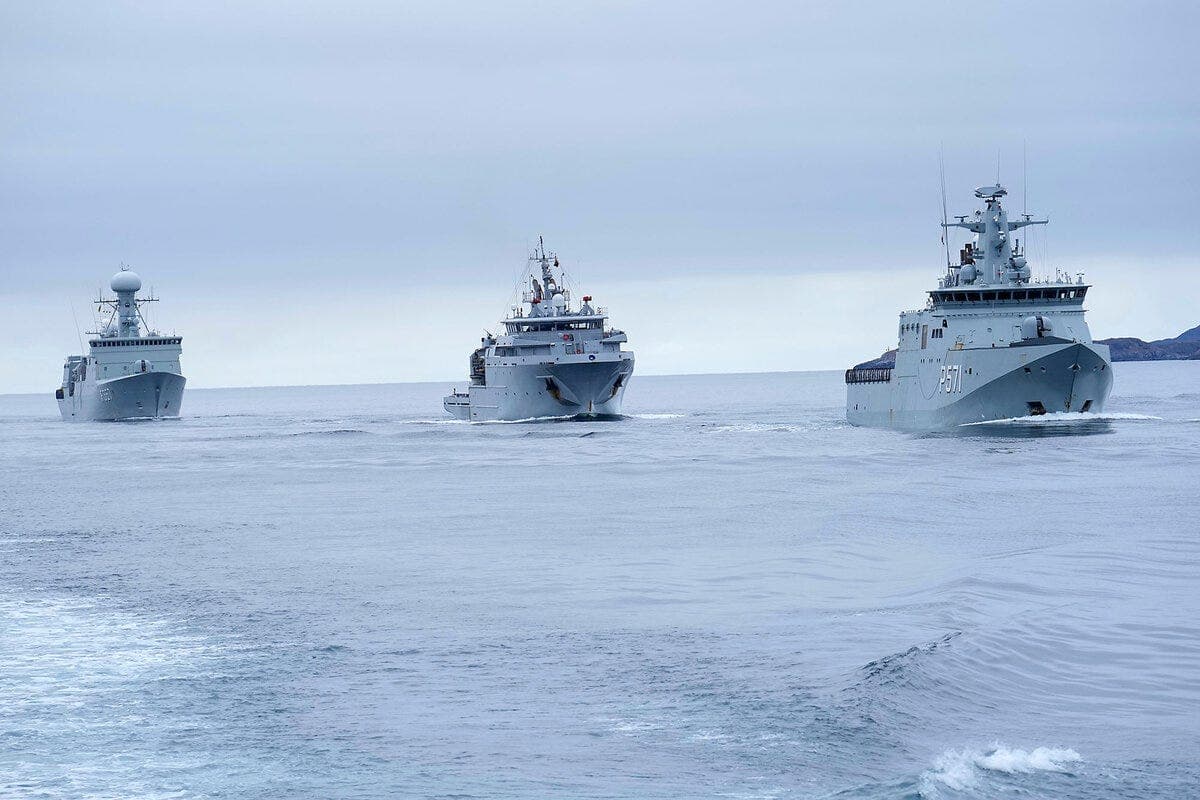
The Pentagon's intensified Arctic strategy involves deploying ice-capable naval vessels, establishing new outposts, and bolstering surveillance capabilities to secure access to resources and transit corridors. This reflects a broader contest for influence where **security, resource control, and maritime dominance** are increasingly interconnected. Russia and China are also ramping up their Arctic presence, aiming to leverage the melting ice for strategic and economic gains, heightening the risk of conflict escalation.
## Nuclear Energy: Reinforcing Resilience and Technological Sovereignty
Amidst these geopolitical turbulences, nuclear energy remains a cornerstone of resilience and strategic independence. Countries are making substantial investments in **next-generation nuclear technologies**, including **small modular reactors (SMRs)** and innovative reactor designs, to reduce reliance on fossil fuels and enhance energy autonomy.
- **Strategic Role of Nuclear:** Nuclear power’s reliability and low-carbon profile are increasingly linked to critical digital infrastructure, such as AI-driven data centers and high-performance computing hubs. A recent analysis emphasizes that **"Big tech’s $100B AI race is quietly fueled by new nuclear,"** underscoring nuclear energy’s role in maintaining technological and economic competitiveness.
- **European Focus on Innovation:** France, Germany, and the UK are heavily investing in advanced reactor R&D, viewing nuclear as essential for **energy independence** and **technological leadership** amid shifting alliances and rising competition from China and Russia. France, in particular, continues to prioritize nuclear as central to its energy and national security strategy.
- **Global Trends:** Many nations see nuclear—especially SMRs—as vital for achieving climate targets while ensuring energy security. The modular, scalable nature of SMRs offers flexibility and safety advantages, aligning with broader energy transition goals and reducing grid vulnerabilities.
## Maritime Security, Arctic Resources, and Supply Chain Resilience
The opening of new maritime routes and the Arctic’s resource potential have reshaped strategic calculations:
- **Greenland’s Strategic Significance:** Greenland’s vast hydrocarbon reserves and critical minerals have elevated its geopolitical importance. Control over Greenland and the Arctic region offers access to resources and dominance over transit corridors like the Northern Sea Route. Recent diplomatic and military activities indicate an intensifying contest for influence.
- **Maritime Power Projection:** The U.S., Russia, China, and European nations are expanding naval capabilities to secure these vital pathways. The U.S. maintains a **robust naval presence** in the Arctic and the South China Sea, where China’s island-building and military infrastructure heighten regional tensions. The South China Sea remains a focal point of strategic competition, with China asserting territorial claims that threaten regional stability.
- **Supply Chain Diversification:** In response to geopolitical risks, nations are actively regionalizing critical resource supply chains—particularly for rare earth elements and vital minerals—using digital tools like **digital twins** to simulate risks, optimize logistics, and enhance resilience against disruptions. This digital transformation is projected to reach USD$24.4 billion in value, providing new avenues for managing complex global supply networks.
- **Cybersecurity Concerns:** Recent cyber-attacks targeting energy infrastructure underscore vulnerabilities, prompting increased investment in cybersecurity measures to safeguard critical systems and prevent supply chain disruptions.
## Key Geopolitical Developments
### U.S.-Iran Negotiations and Military Posture
Recent reports, including detailed analyses titled "U.S. and Iran to discuss Tehran's nuclear program amid massive U.S. military buildup," reveal ongoing diplomatic negotiations paired with significant military deployments. The U.S. aims to prevent Iran from advancing nuclear capabilities while maintaining regional deterrence. These dynamics highlight the delicate balance between diplomacy and military readiness in the Middle East, with the potential for escalation if negotiations falter.
### China, India, and Trade Disputes
A notable development involves China challenging India at the WTO over incentives for electric vehicles and auto manufacturing, with the U.S. backing India. This trade dispute reflects broader tensions over industrial policies that influence global supply chains for clean energy components and critical minerals. Such conflicts threaten to complicate international cooperation on energy transition efforts and could elevate costs for critical raw materials.
## Broader Context: Systemic Shifts and the Multipolar World
Recent analyses, including insights from the UN and geopolitical think tanks, emphasize that we are witnessing **a systemic rupture in international order**. The post-war framework based on shared rules and collective security is giving way to a **multipolar world** where national security and strategic autonomy dominate decision-making. As the **"Understanding the new logic of globalization"* article notes, “It's a multipolar world out there now, with national security taking precedence,” reflecting a shift toward deglobalization and security-first policies.
The **Diverging Visions, Systemic Rupture** report underscores that cooperation on resource governance, climate action, and energy transition faces significant hurdles amid rising tensions and strategic competition. These systemic shifts demand adaptive policymaking focused on resilience, diplomacy, and technological sovereignty.
## Policy Implications and Strategic Pathways
In navigating this complex landscape, policymakers should prioritize:
- **De-escalation Diplomacy:** Efforts to reduce tensions in Ukraine, the Middle East, and Arctic regions are critical to stabilizing markets and preventing disruptions.
- **Investments in Nuclear and Low-Carbon Technologies:** Accelerating deployment of **next-generation reactors**, SMRs, and renewable integration to build resilient, independent energy systems.
- **Strengthening Maritime Security and Arctic Cooperation:** Enhancing international frameworks, surveillance, and naval capabilities to secure vital trade routes and resource access.
- **Diversifying Supply Chains:** Developing regional and digital-enabled supply networks for critical minerals and energy components, reducing reliance on potentially adversarial nations.
- **Engagement with Emerging Producers:** Fostering diplomatic and economic relations with energy-rich nations such as Venezuela, Cuba, and others to diversify sources amid shifting global alliances.
## Current Status and Outlook
While diplomatic negotiations persist, **Arctic militarization and control over maritime corridors** are accelerating, reflecting intensifying great-power rivalry. Greenland’s resource potential and strategic position continue to attract increased military and diplomatic attention, underscoring the importance of **security, resource sovereignty, and supply chain resilience**.
The resilience of global energy markets hinges on **balancing military preparedness, technological innovation, and diplomatic engagement**. Despite ongoing tensions, there are opportunities to **stabilize markets**, **limit conflicts**, and **advance a sustainable energy transition**. Strategic investments in **nuclear technology, maritime security, and supply chain diversification** will be pivotal in mitigating risks and shaping a more resilient, secure energy future amid geopolitical uncertainties.
**In conclusion, 2026 marks a pivotal moment where energy, security, and geopolitical strategy are deeply intertwined. Success will depend on the ability of nations to navigate systemic shifts, foster cooperation where possible, and invest in technologies that bolster resilience in an increasingly multipolar world.**