As 2029 progresses, the Russia–Ukraine war remains a strategically frozen yet geopolitically pivotal conflict embedded within a complex, multipolar great-power competition. Recent developments underscore the enduring diplomatic isolation of Russia, even as fissures within Western alliances and sophisticated hybrid tactics—including AI-driven cognitive warfare and advanced sanctions evasion—reshape the contours of international response. Meanwhile, domestic political pressures across Ukraine and allied states, alongside evolving U.S. political narratives and institutional strains, complicate a unified approach. The deepening Russia–China–Iran axis and intensifying regional flashpoints further challenge global stability, while economic volatility accelerates strategic resilience initiatives. In this evolving landscape, Silicon Valley platforms have emerged as unanticipated but crucial actors in foreign policy and hybrid warfare, demanding innovative regulatory and diplomatic frameworks.
---
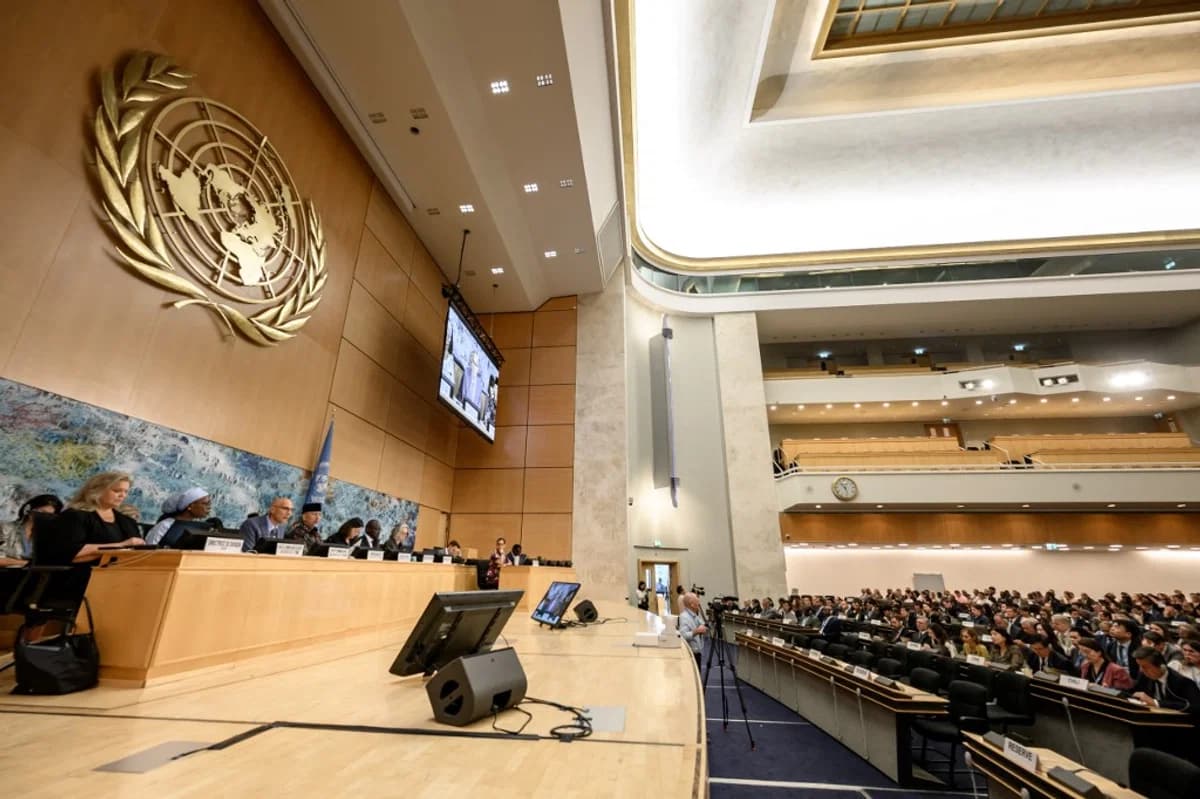
### Russia’s Diplomatic Isolation Persists Amid Cracks in Western Unity and Intensified Disinformation at the UN
Despite sustained international condemnation, Russia continues to exploit divisions within Western coalitions and leverage sophisticated disinformation campaigns to blunt diplomatic pressure:
- The **United Nations General Assembly maintains a steady stream of resolutions condemning Russia’s aggression**, driven by Western-aligned states such as the UK, Latvia, Denmark, and Greece, reaffirming Moscow’s role as a destabilizing actor violating Ukraine’s sovereignty.
- Nevertheless, **Hungary’s persistent vetoes of EU sanctions packages** and **Turkey’s delicate balancing between NATO commitments and Moscow ties** perpetuate fractures within the Western camp, diluting the overall impact of collective punitive measures.
- The UK recently expanded its sanctions regime to include **Georgian entities linked to Russian influence operations**, highlighting Moscow’s continued efforts to destabilize its near abroad and the South Caucasus region.
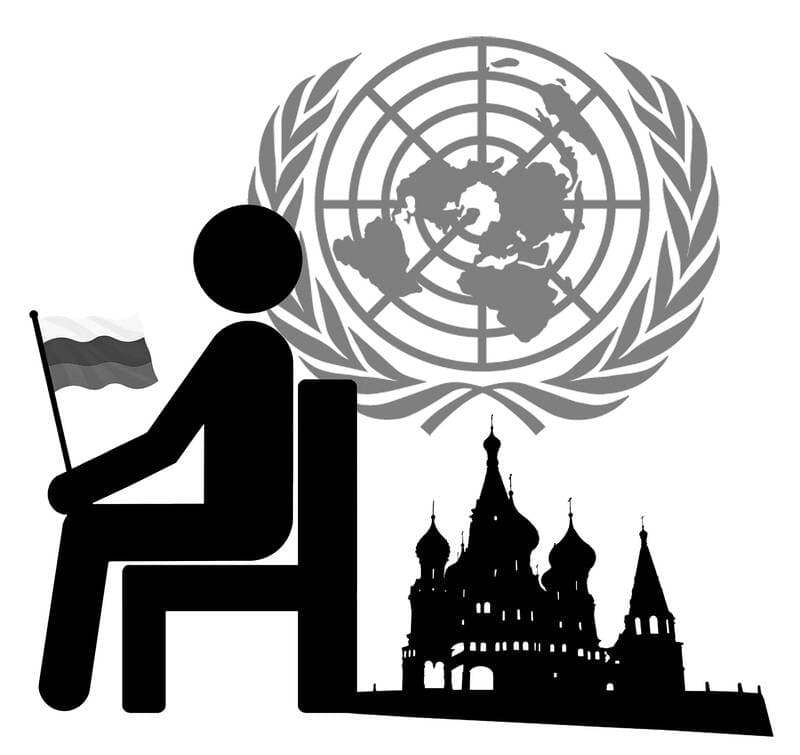
- At the UN, Russia has escalated **disinformation campaigns targeting war crimes investigations and Western criticisms**, transforming the forum into a contested symbolic battleground where international norms and accountability are actively undermined.
- These tactics demonstrate Moscow’s adept exploitation of alliance vulnerabilities and hybrid warfare tools to erode unified international responses, even as it remains diplomatically isolated.
---
### Ukraine’s March 2029 Wartime Elections Heighten Nationalist Resolve but Complicate Diplomatic Cohesion
Ukraine’s decision to hold elections amid ongoing conflict has introduced new domestic and international complexities:
- **Campaign regulations mandated ceasefires**, briefly pausing hostilities and affecting battlefield dynamics during a fragile operational phase.
- The elections deepened **nationalist sentiment and political polarization**, hardening public opposition to territorial concessions and constraining Kyiv’s diplomatic maneuverability.
- Internal political divisions have widened, with opposition parties mounting intensified challenges to President Zelenskyy’s legitimacy, fracturing the governing coalition and complicating unified messaging on peace and negotiation strategies.
- Allied support remains uneven, particularly as **Hungary continues to veto sanctions** and **Denmark’s snap parliamentary election in March 2029** injects uncertainty into Western diplomatic backing.
- The electoral focus risks diverting attention from longer-term peace initiatives, complicating Kyiv’s domestic cohesion and international engagement.
- Despite political pressures, President Zelenskyy reaffirmed Ukraine’s commitment to peace **“without sacrificing sovereignty and security guarantees,”** signaling a firm negotiating stance rooted in national resolve.
---
### Escalating Cognitive Warfare: AI-Driven Disinformation, Platform Accountability, and Legal Precedents
The cognitive warfare front has intensified markedly, driven by AI technologies and complex hybrid threats:
- The UK government, under Prime Minister Kim Min-seok, unveiled plans to **crack down on AI-generated fake news ahead of critical 2029 elections**, acknowledging the existential threat that synthetic media poses to democratic processes.
- Russia has accelerated the deployment of **AI-generated deepfakes and synthetic disinformation campaigns targeting elections globally**, including in France and Brazil, exacerbating political polarization and eroding public trust.
- A landmark judicial development occurred in Berlin when a court ordered Elon Musk’s X platform to **disclose data related to Hungarian election interference**, marking a pivotal moment in legal accountability for social media’s role in hybrid threats.
- Hybrid operations increasingly involve **far-right groups partially funded by former U.S. President Donald Trump’s “MAGA Fund,”** revealing transnational ideological networks fueling cognitive warfare.
- Transatlantic debates over balancing **free speech and content regulation** remain unresolved, impeding the formulation of coherent counter-disinformation strategies.
- Russia’s disinformation efforts at the UN continue to obstruct war crimes investigations, further complicating international justice.
- These trends confirm that AI-fueled cognitive warfare is a defining and rapidly evolving front in the geopolitical contest, necessitating coordinated responses from governments and civil society alike.
---
### Advances and Persistent Challenges in Sanctions Enforcement amid Legal and Political Headwinds
Sanctions remain a cornerstone of Western strategy against Russia, with enforcement marked by technological innovation but constrained by legal and political obstacles:
- Cutting-edge **AI analytics and blockchain forensic tools** have improved detection of illicit financial flows and cryptocurrency laundering, disrupting segments of Russia’s sanctions evasion networks.
- The **Financial Action Task Force (FATF) recent plenary reinforced multilateral cooperation** to tackle risks linked to digital assets and Iranian financial networks, signaling incremental progress.
- Yet, the **U.S. Supreme Court’s narrowing of the International Emergency Economic Powers Act (IEEPA)** has curtailed executive sanctioning authority, shifting greater oversight to Congress and complicating enforcement efforts.
- Crypto-enabled evasion remains a notable loophole; blockchain intelligence firm Elliptic identified **five cryptocurrency exchanges actively facilitating Russian sanctions circumvention**, spotlighting enforcement vulnerabilities.
- Political fissures, particularly **Hungary’s continued EU sanctions vetoes**, hamper regime coherence and effectiveness.
- The EU imposed **targeted sanctions on eight Russian individuals implicated in human rights abuses**, demonstrating continued punitive resolve.
- U.S. investigations have expanded into **precious metals and gold networks**, including probes into Guyanese gold companies suspected of financing Hezbollah, illustrating the complex and widening scope of illicit financial flows linked to sanctioned actors.
---
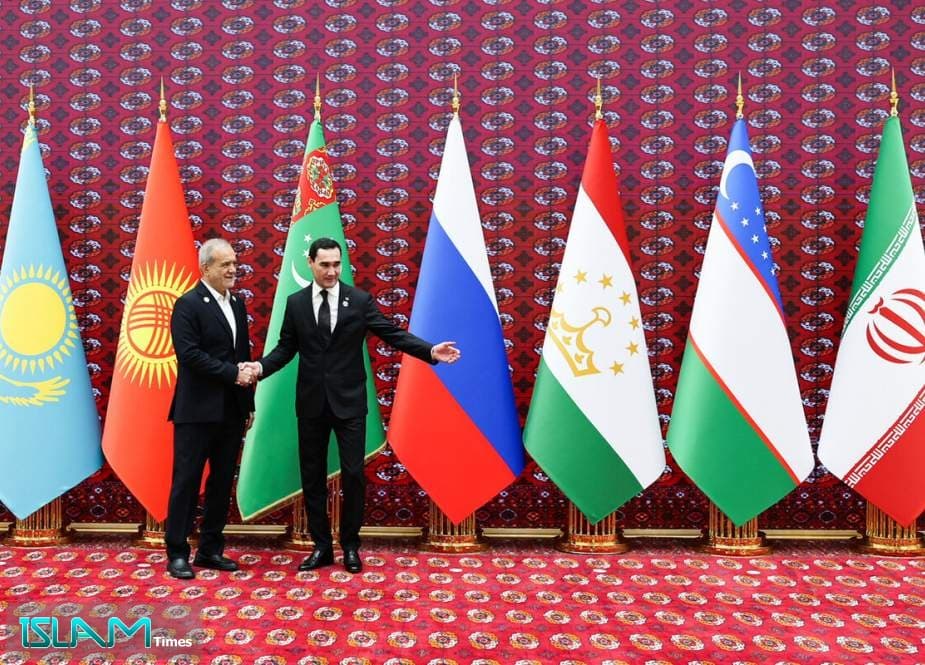
### Deepening Russia–China–Iran Axis and Regional Flashpoints Escalate Risks and Undermine Western Leverage
The strategic partnership among Russia, China, and Iran has solidified, fueling instability and challenging coalition cohesion:
- Hungary’s obstructionism and Turkey’s ambiguous stance toward Iran have allowed **sanctioned Iranian entities to operate with relative impunity**, weakening Western leverage.
- Tensions in the **South Caucasus have escalated**, with Azerbaijan accusing Russia of targeting its Kyiv embassy, undermining Moscow’s neutrality claims and intensifying rivalries involving Armenia, Turkey, and Iran.
- UK sanctions on Georgian entities highlight concerns about spillover instability in Russia’s near abroad.
- Middle East alliances frayed as U.S. partners bluntly rejected limited strikes on Iranian targets, exposing coalition fragility.
- Preparations continue for an anticipated **U.S.–Iran summit in Geneva**, with contentious missile negotiations and tentative sanctions relief talks brokered via Qatar introducing volatility and escalation risks.
- Militarily, Russia and China have intensified **joint naval exercises across the Indo-Pacific and Arctic**, prompting NATO to strengthen northern naval deployments and raise strategic alertness.
- Disputes in the South China Sea remain unresolved, with ongoing diplomatic friction underscoring the persistent risk of maritime flashpoints amid great-power competition.
---
### Western Domestic Politics and U.S. Political Narratives Compound Allied Challenges
Domestic political cycles in Western democracies and evolving U.S. political narratives introduce new constraints on alliance cohesion and Ukraine support:
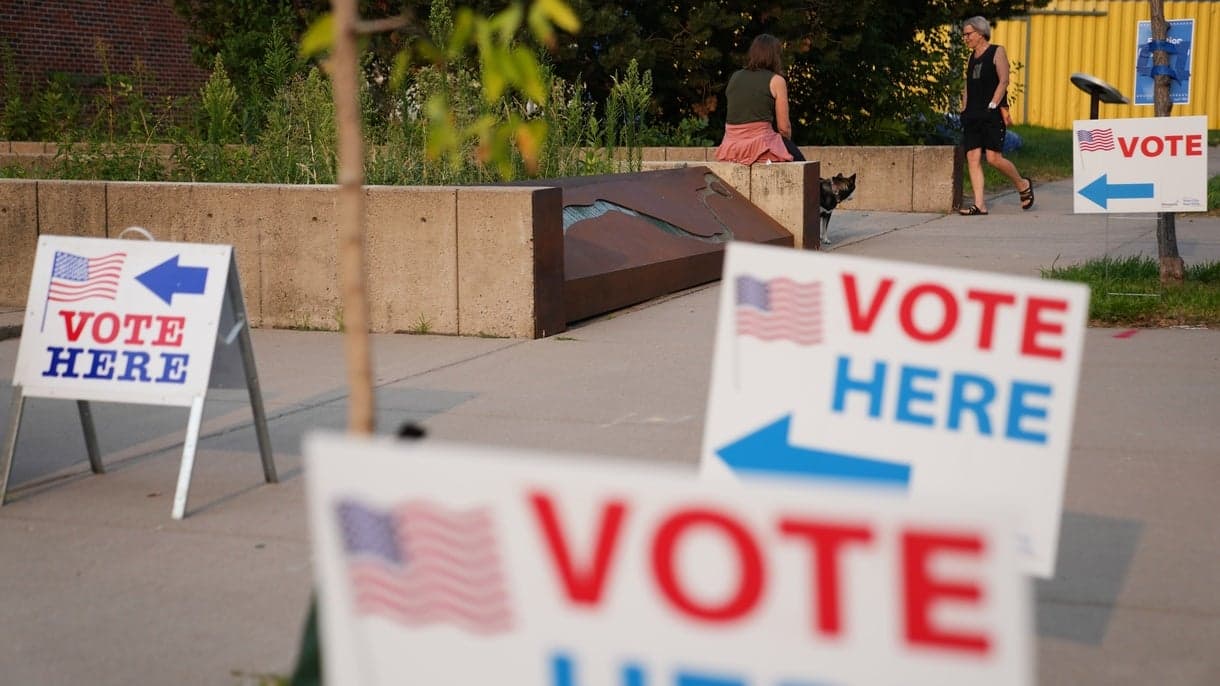
- Denmark’s **March 2029 snap parliamentary election**, triggered partly by a Greenland crisis, exemplifies how domestic political dynamics intersect with broader geopolitical concerns.
- Lessons learned from global efforts to safeguard electoral integrity amid hybrid threats inform ongoing policy debates in the U.S. and Europe, underscoring democratic fragility.
- These electoral cycles complicate Western governments’ ability to maintain consistent political and material support for Ukraine amid rising public fatigue and political pressures.
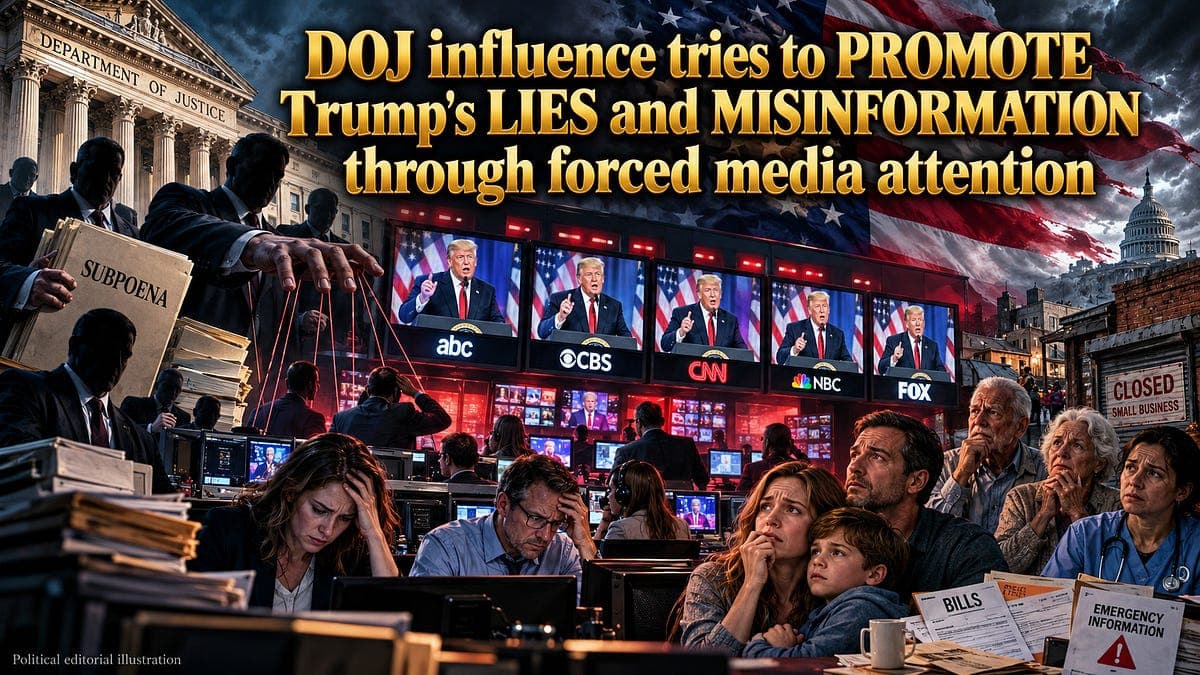
- Former President Donald Trump’s evolving narrative—claiming to have “solved” multiple wars including aspects of the Russia–Ukraine conflict—and his **“MAGA Fund”’s involvement in far-right networks** inject additional complexity into diplomatic messaging and alliance dynamics.
- Reports indicate Trump is increasingly entrusting **foreign policy decision-making to a close family circle**, raising concerns about the transparency and coherence of U.S. diplomatic posture.
---
### Economic and Energy Market Volatility Accelerates Strategic Resilience and Sovereignty Initiatives
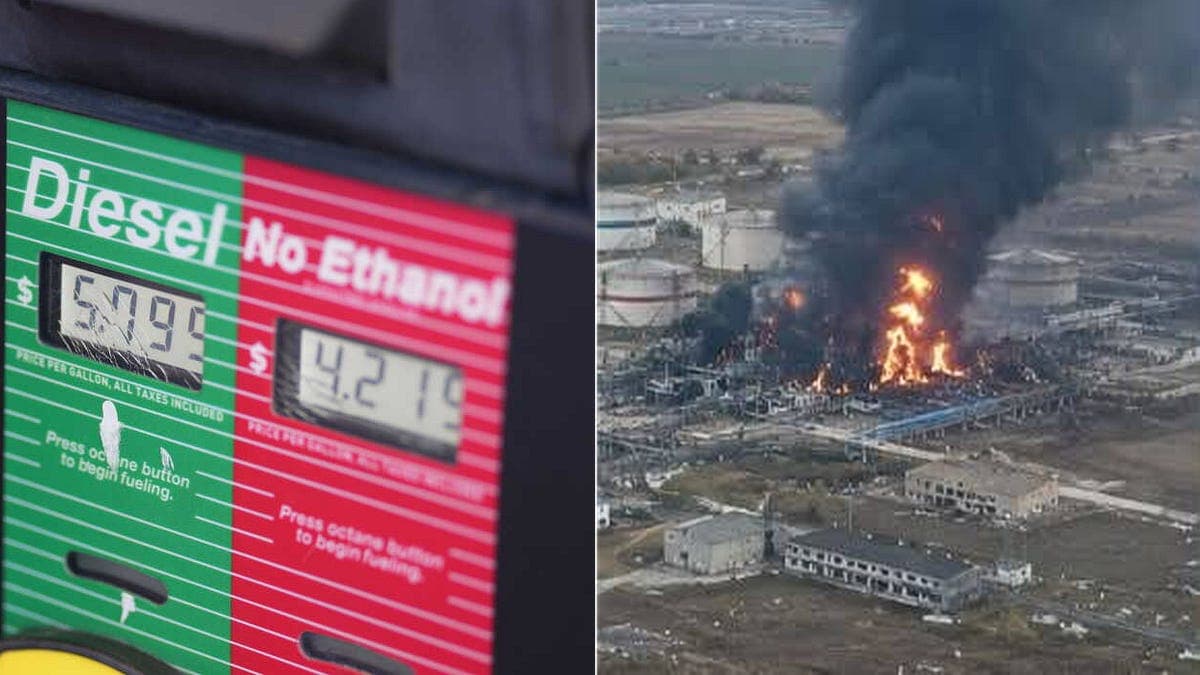
Geopolitical tensions continue to fuel volatility in global economic and energy markets, driving accelerated resilience efforts:
- West Texas Intermediate (WTI) crude oil prices have stabilized near **$62 per barrel**, reflecting ongoing supply uncertainties amid geopolitical tensions.
- Gold prices surged to a record **$5,000 per ounce**, signaling heightened investor risk aversion amid the protracted conflict and economic uncertainty.
- Market jitters intensified following Trump’s statements hinting at potential military strikes on Iran, though no immediate disruptions have materialized.
- These pressures accelerate initiatives focused on:
- Expanded **nuclear energy development** and sovereign supply chain resilience, aimed at securing critical infrastructure underpinning AI and digital economies.
- U.S. strategic doctrine increasingly emphasizes **critical mineral security and robust energy infrastructure** as pillars of “active sovereignty” within the broader great-power competition framework.
- These efforts aim to reduce vulnerabilities exposed by geopolitical fragility and bolster technological and economic resilience.
---
### Institutional Governance Under Strain: ICC Legitimacy Crisis, Legal Challenges, and Arms Control Deadlock
International institutions face mounting legitimacy crises amid geopolitical rivalry and legal controversies:
- The **International Criminal Court (ICC)** remains embroiled in controversy following U.S. sanctions targeting judges, including Canadian Kimberly Prost, disrupting judicial cooperation and provoking global criticism.
- A notable legal milestone occurred when the **family of UN human rights investigator Francesca Albanese sued the Trump administration** over sanctions imposed due to her criticism of Israel, marking a rare challenge to U.S. punitive measures against UN officials.
- ICC officials, the UN, and leaders such as Australian Prime Minister Anthony Albanese emphasize the Court’s mission to **“serve humanity, deliver justice,”** warning that punitive measures undermine the international legal order.
- Kremlin-backed disinformation campaigns persistently delegitimize war crimes investigations, complicating the ICC’s mandate.
- High-profile hearings, including live confirmation of charges against former Philippine President Rodrigo Duterte, underscore tensions between international justice and geopolitical realpolitik.
- The global arms control regime remains deadlocked following the **2026 expiration of New START**, fueling fears of renewed arms races and strategic instability.
- U.S. efforts to forge new coalitions to counter China’s rise face obstacles from alliance fatigue, divergent national interests, and competing priorities, reflecting broader multilateral governance challenges.
---
### Silicon Valley’s Emerging Role in Great-Power Competition and Foreign Policy
Technology platforms have evolved into key foreign policy actors, blurring traditional boundaries:
- Social media and technology companies now shape hybrid warfare and sanctions enforcement through their content policies, data management, and platform governance.
- The Berlin court’s order compelling Elon Musk’s X platform to disclose data related to Hungarian election interference exemplifies growing judicial efforts to hold platforms accountable for hybrid threats.
- This “new diplomacy” of Silicon Valley underscores the challenges of regulating global technology giants that straddle private enterprise and geopolitical influence, complicating traditional state-centric regulatory frameworks.
---
### Conclusion: Navigating a Multipolar, Hybrid Warfare Landscape with Enduring Uncertainties
As 2029 unfolds, the Russia–Ukraine conflict remains a frozen yet geopolitically central front within a convoluted multipolar great-power contest. Kyiv confronts nationalist pressures and fractured allied support amid a battlefield increasingly shaped by AI-driven cognitive warfare and hybrid tactics. Sanctions enforcement benefits from technological advances but is constrained by evolving legal frameworks and alliance fissures, while illicit finance networks spanning cryptocurrency and precious metals pose persistent challenges.
The deepening Russia–China–Iran axis and intensifying regional flashpoints—from the South Caucasus to the Arctic and Indo-Pacific—raise the specter of escalation and complicate coalition-building. Western domestic political cycles and evolving U.S. narratives add unpredictability to allied cohesion even as economic and energy market volatility drives accelerated strategic resilience initiatives focused on sovereignty and critical infrastructure.
International institutions face legitimacy crises amid sanctions, disinformation, and arms control deadlocks, highlighting the erosion of global governance architectures. Silicon Valley platforms have emerged as influential foreign policy actors, demanding novel regulatory and diplomatic approaches.
Close monitoring of electoral developments, sanctions enforcement gaps, AI-enabled hybrid threats, platform legal rulings, and regional military flashpoints remains essential to understanding this conflict’s trajectory and its profound implications for the global balance of power in the years ahead.