# Intersecting Struggles over Rights, Gender, Governance, and Security in MENA: A Region at a Critical Juncture (2024 Update)
The Middle East and North Africa (MENA) region continues to grapple with a complex web of crises and shifts that threaten both stability and progress. From resilient authoritarian regimes and escalating conflicts to strategic diplomatic maneuvers and humanitarian emergencies, the region's trajectory remains uncertain. Recent developments—marked by intensified repression, regional security flashpoints, and evolving geopolitical strategies—highlight the profound challenges and potential opportunities that define this volatile landscape in 2024.
## Continued Resilience of Authoritarian Regimes and Shrinking Civic Space
Despite sustained international calls for democratization and respect for human rights, authoritarian governments across MENA persist in consolidating power. They employ a combination of legal restrictions, security crackdowns, and societal co-optation to suppress dissent and maintain control.
- **Iran** remains a focal point of repression, especially following the 2022 protests that erupted over economic hardship, political restrictions, and societal frustrations. Human Rights Watch reports ongoing violent crackdowns, including mass arrests, torture, and extrajudicial killings. Recently, **Iranian students have returned to university campuses amid renewed protests**, which clash with security forces demanding greater repression. These protests underscore a persistent undercurrent of societal unrest and resistance against the regime’s authoritarian grip.
- In **Egypt, Lebanon, and other states**, civic space continues to contract. Authorities have intensified crackdowns on protests, restricted independent media, and detained opposition figures—creating an environment where activism and aspirations for democratic reform are severely curtailed. **Gender rights**, while superficially reformed in some contexts, remain hampered by patriarchal norms, legal barriers, and societal resistance—hindering genuine progress toward gender equality.
- **Corruption and opacity** remain systemic issues, benefiting entrenched elites and eroding public trust. Transparency initiatives are often thwarted, fueling social unrest and deepening societal fractures.
This resilience of authoritarianism hampers societal development, fuels unrest, and diminishes prospects for democratic transitions, even amid popular demands for reform.
## Escalating Regional Security Dynamics
Security tensions across MENA continue to escalate, driven by proxy conflicts, military posturing, and shifting alliances—posing risks to regional stability and global interests.
- **Iran and Russia** have deepened their strategic cooperation, exemplified by frequent joint naval drills in the Gulf. These exercises are viewed as efforts to diversify alliances and challenge Western influence in the region.
- **Israeli military operations** have intensified. Recent **airstrikes in eastern Lebanon**, reportedly killing eight Hezbollah members, mark a significant escalation that risks broader confrontation with Iran-backed militias. The **Gaza ceasefire remains tense**, with ongoing violations and mounting humanitarian suffering.
- **Lebanon’s security environment** remains fragile. Hezbollah’s expanding military capabilities and responses to Israeli strikes threaten to ignite wider conflict amid rising regional tensions.
- The **U.S. military posture** continues to be robust, with deployments such as the **USS Gerald R. Ford aircraft carrier strike group** signaling Washington’s strategic commitment. However, Pentagon warnings highlight the risks of escalation, especially with Iran’s regional provocations and recent **weapon shortages and logistical vulnerabilities** that could limit U.S. military response capabilities.
- **Yemen’s conflict** persists as a critical flashpoint. The Iran-backed Houthis have intensified missile and drone attacks targeting shipping lanes and infrastructure in the Red Sea—threatening global maritime security. A recent congressional report underscores the expanding threat posed by Houthi operations, which complicate international efforts to stabilize the region.
- Maritime security remains precarious, with attacks on vessels disrupting international trade routes, further destabilizing the region’s economic stability.
Diplomatic efforts continue amid these heightened tensions. The **UN Security Council** emphasizes the fragility of peace processes, with regional actors engaging in nuanced negotiations aimed at de-escalation, though progress remains elusive.
## Diplomatic Negotiations and Strategic Balancing
Despite ongoing conflicts, diplomacy persists as regional and global powers seek to manage tensions through strategic engagement.
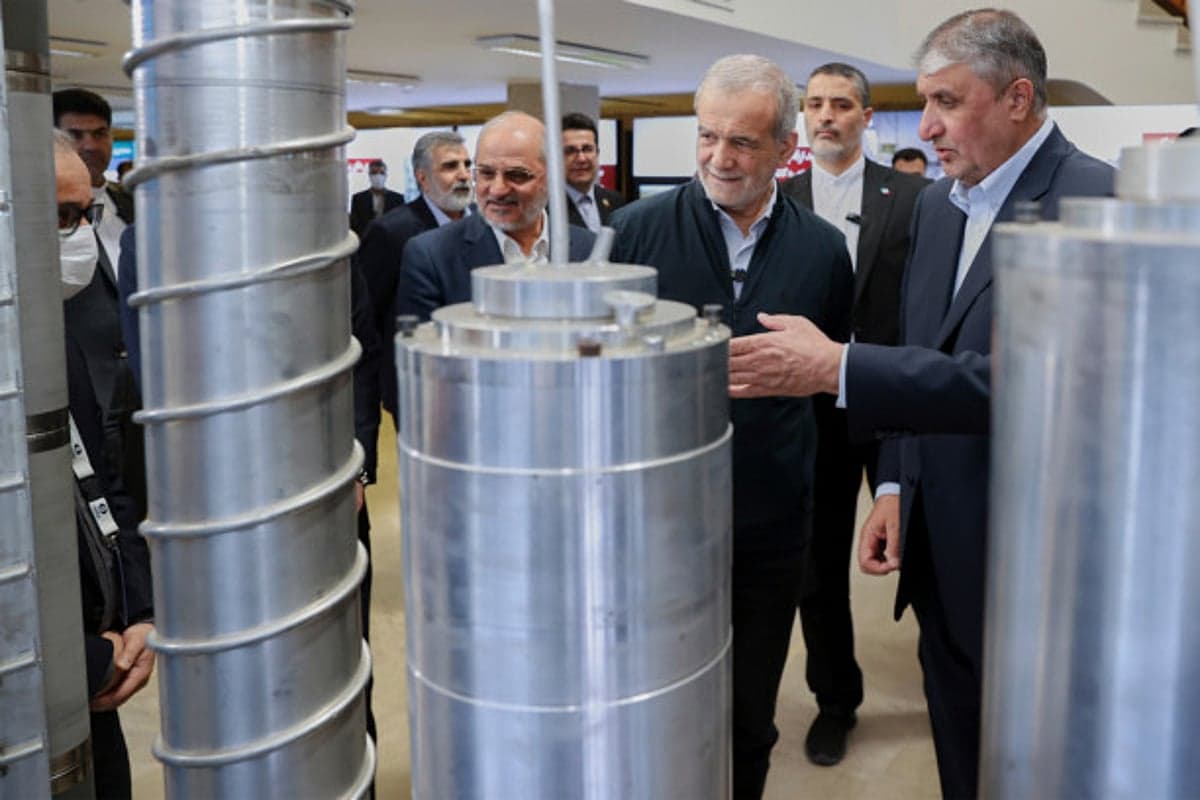
- **Iran** is reportedly developing a **"creative" negotiation framework**, aiming to maintain internal stability while leveraging its nuclear program as a strategic asset. Recent reports indicate Iran resists broader diplomatic demands that could threaten its sovereignty, employing cautious engagement with regional and international partners.
- **Qatar** continues positioning itself as a key mediator. Emir Sheikh Tamim bin Hamad al-Thani has engaged with U.S. officials and regional actors—including former President Donald Trump—to promote dialogue and de-escalation. Qatar’s diplomatic efforts aim to facilitate negotiations around Iranian tensions and regional conflicts, asserting its role as a regional diplomatic hub.
- **Azerbaijan** maintains a multi-vector approach, balancing relations with Israel, Turkey, and Iran to safeguard security, economic interests, and regional stability amid ongoing volatility.
- The **U.S. Middle East peace process** remains uncertain. Iran’s **counterproposals** reflect a cautious stance, seeking to protect internal interests while avoiding further escalation.
## Humanitarian Crises and Governance Collapse
Violence, repression, and governance failures continue to devastate populations, weaken state institutions, and deepen humanitarian crises.
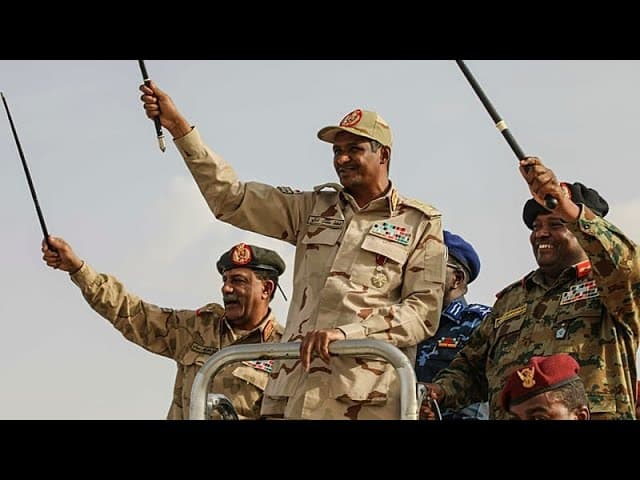
- **Sudan** remains embroiled in escalating conflict. On the first day of Ramadan, a **Sudanese military drone** targeted a water point in West Kordofan, killing at least **18 civilians—including children**. Civil society reports indicate increased repression, displacement, and disruption of essential services. Recent territorial advances by the **Rapid Support Forces (RSF)**—including control over key towns in Darfur—highlight a deteriorating security landscape. The risk of Sudan descending further into chaos remains high, prompting renewed calls for international intervention and accountability.
- The **Libyan conflict** persists, with ongoing clashes between rival factions in Tripoli and eastern oil regions. Diplomatic efforts have yet to produce a stable peace, and fragmentation risks reigniting broader violence.
- The **Jihadist resurgence** across the Sahel, North Africa, and the Horn of Africa destabilizes neighboring states, complicating peace and humanitarian efforts. Humanitarian agencies face mounting threats, restrictions, and resource shortages, exacerbating food insecurity and human rights abuses.
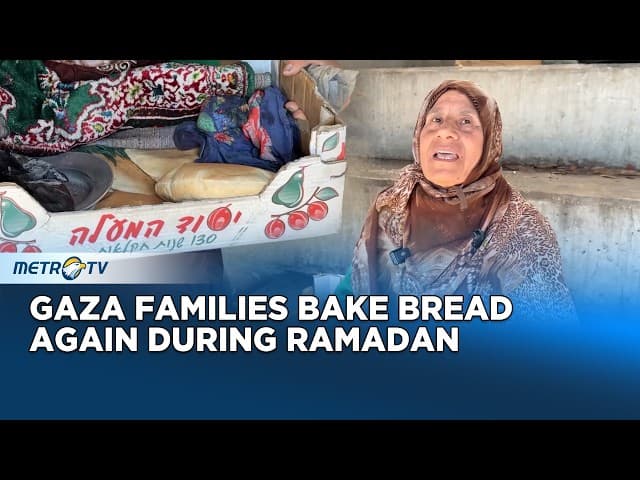
- **Gaza’s humanitarian situation** remains dire. Despite a **ceasefire**, footage shows hundreds of Palestinians breaking their Ramadan fast amid ruins—an enduring symbol of suffering. Israeli authorities are planning to **bar 37 international NGOs** from operating in Gaza and the West Bank, further hampering aid during a period of acute vulnerability.
Civil society and independent media persist through digital activism, underground outlets, and cultural expressions, maintaining social discourse and resilience against censorship.
## Economic and Institutional Shifts
Economic developments reflect both opportunities and risks amid ongoing instability.
- **Moody’s Corporation** announced the establishment of a **regional headquarters in Riyadh**, signaling increased confidence in regional economic prospects and ongoing diversification efforts. This move aims to attract foreign investment and strengthen institutional capacity despite governance challenges and entrenched elites.
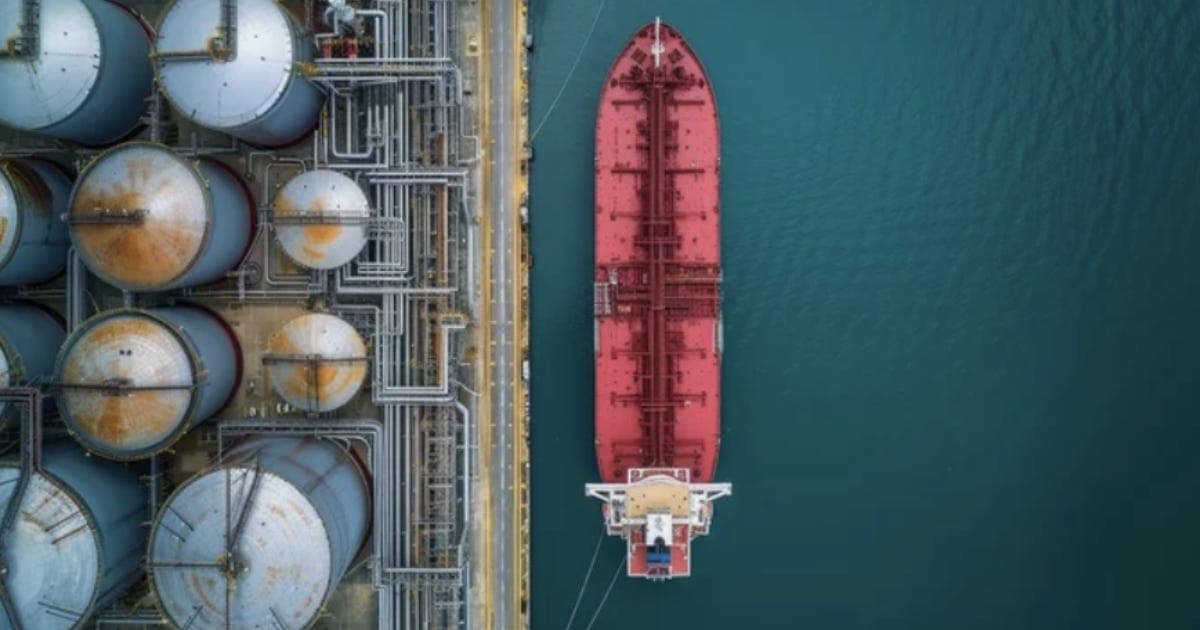
- The **oil market** remains volatile. Analyses such as *"The $108 Oil War"* highlight how regional tensions—particularly over energy resources—could trigger supply shocks, destabilizing the global economy. Recent declines in oil prices are fragile and susceptible to sudden spikes amid escalations.
- **Startups and reform initiatives** are gaining momentum, supported by increased funding. However, entrenched elites and governance issues continue to hinder genuine reform and equitable development.
A **2026 geopolitical risk assessment** by the *Hydropolitics Association* underscores the region’s vulnerability—highlighting **"armed peace"**, water scarcity, resource conflicts, and political instability as key drivers of future unrest.
## Civil Society, Cultural Resilience, and Intersectional Movements
Despite oppressive environments, civil society demonstrates resilience through digital activism, arts, and cultural expressions. Online platforms enable activists to organize protests, share narratives, and challenge censorship, fostering hope and social cohesion.
**Intersectional feminist movements** are increasingly active, advocating for gender justice, social accountability, and layered equality. These networks emphasize addressing intersecting inequalities—based on gender, ethnicity, and socio-economic status—to foster inclusive social transformation. Despite setbacks, they foster regional solidarity and influence social discourse, asserting their vital role in shaping the future.
## Emerging Threats and Critical Drivers
- **Cyber warfare** intensifies, with **North Korea’s state hackers** deploying **Medusa ransomware** to target institutions across the region. These attacks threaten critical infrastructure, government systems, and private entities, adding a new dimension to regional security concerns.
- **Climate change** continues to threaten the region with rising temperatures, droughts, and resource scarcity—exacerbating conflicts, displacement, and social unrest. A recent study, *"Climate Crisis, Human Mobility and Security Challenges in the MENA,"* underscores the critical link between environmental stressors and political instability.
- **Maritime threats** persist, with **Houthi missile and drone attacks** disrupting shipping lanes in the Red Sea, threatening global trade and regional stability.
## Recent Key Developments and Their Significance
### Iran’s Rejection of Missile Claims and Regional Tensions
Iran publicly dismissed recent allegations from U.S. officials claiming it was developing new missile systems capable of striking regional targets. This official denial emphasizes Iran’s narrative of sovereignty and resistance, even as regional tensions escalate. Meanwhile, **Cuba** reportedly intercepted a U.S. “terrorist” speedboat, resulting in four deaths, signaling the ongoing volatility and unpredictable nature of regional security dynamics. In the U.S., **Vance** has withheld **Minnesota Medicaid funds**, reflecting broader domestic debates on resource allocation amidst international tensions.
### Gaza and Violence Escalation
Despite a fragile ceasefire, recent reports detail continued violence in Gaza, with Israeli airstrikes killing civilians and causing widespread destruction. International NGOs face restrictions, with Israel planning to **bar 37 NGOs** from operating, further complicating aid efforts during a humanitarian crisis. These developments underscore the ongoing contestation over security narratives and humanitarian access.
---
### **Current Status and Implications**
As 2024 progresses, the MENA region remains at a pivotal point. The persistence of authoritarian resilience, regional conflicts, and humanitarian crises threaten to entrench instability. Conversely, civil society resilience, strategic diplomatic efforts, and shifting regional roles—such as Turkey’s assertiveness and Morocco’s geopolitical moves—offer potential pathways toward stability and reform.
The region’s future hinges on addressing root causes: governance deficits, resource scarcity, layered inequalities, and environmental challenges. The choices made by regional actors, supported or constrained by international partners, will determine whether MENA moves toward a more inclusive, peaceful future or spirals further into chaos and repression.
**In conclusion**, 2024 is shaping up as a decisive year for the Middle East and North Africa. The interplay of contested security narratives, humanitarian emergencies, and emerging geopolitical shifts will influence the region’s trajectory for years to come. The resilience of civil society and strategic regional maneuvers provide hope, but the risks of escalation remain high. The coming months will be critical in shaping whether MENA advances toward stability, justice, and inclusivity or descends further into turmoil.