# Falling Mortgage Rates in 2026: Shaping New Borrowing Dynamics and Refinancing Opportunities
The U.S. housing market is experiencing a notable shift as mortgage rates have fallen to their lowest levels in over three years, hovering around 6%. This decline is transforming borrowing behaviors, opening up fresh refinancing opportunities, and prompting a reevaluation of loan options among homeowners, prospective buyers, and investors. With economic signals from the Federal Reserve remaining cautious, the landscape for mortgage lending is becoming increasingly dynamic, offering both challenges and opportunities.
## Main Event: Mortgage Rates Reach Three-Year Lows
After months of relative stability, mortgage rates have declined to approximately 6%, a level last seen in early 2023. This drop results from subtle signals from the Federal Reserve indicating a pause or slowdown in rate hikes, coupled with investor expectations of a subdued inflation outlook. The lower rate environment significantly enhances **home affordability**, encouraging many homeowners to consider refinancing or purchasing properties that were previously out of reach due to higher borrowing costs.
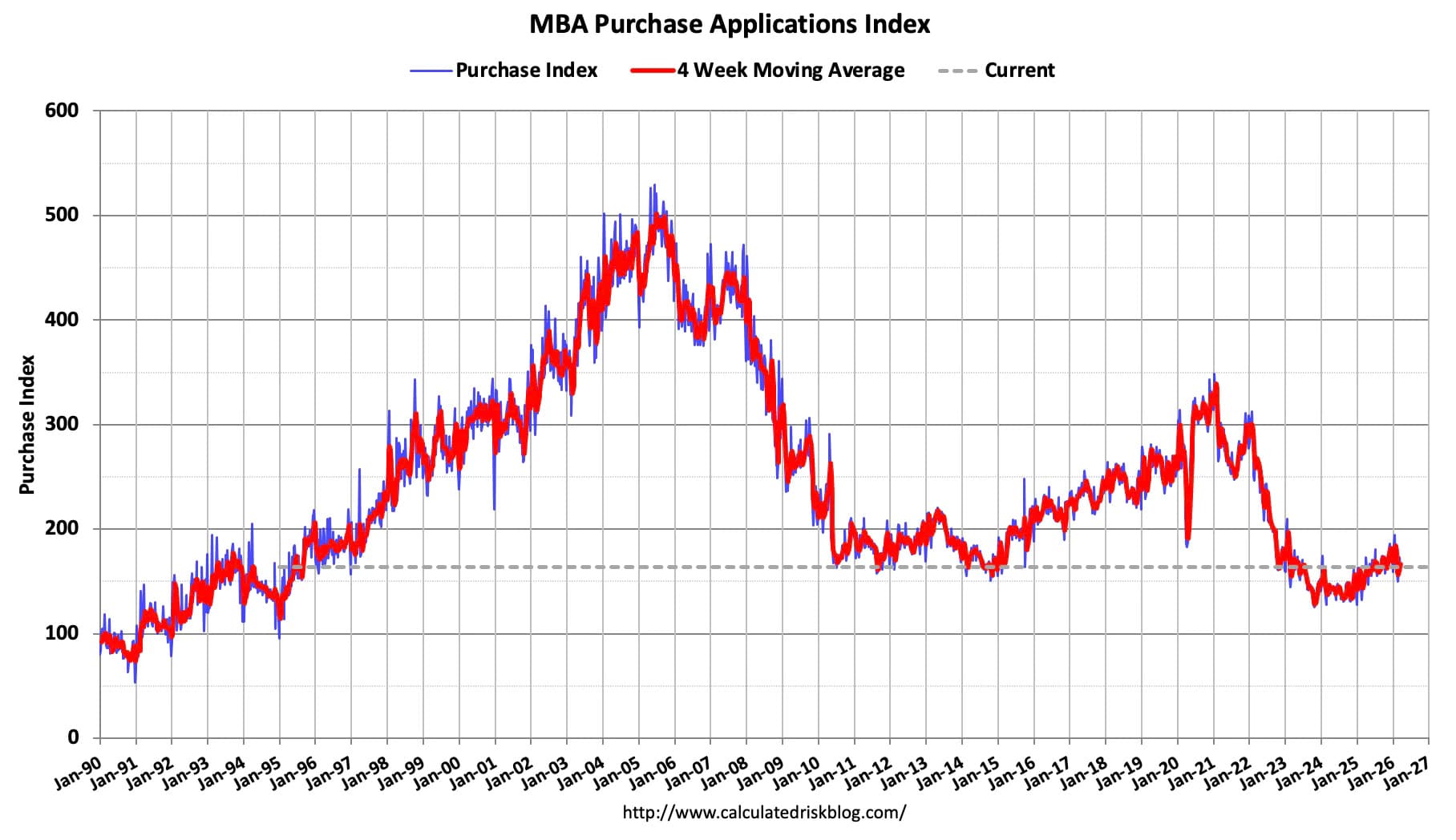
Recent data from March 2026 highlights that **mortgage demand has surged to a four-week high**, with weekly loan applications increasing by **3.2%**. This uptick signifies growing confidence among borrowers, despite broader market volatility.
## Key Developments and Market Trends
### 1. Surge in Refinance Applications
The decline in mortgage rates has led to a **notable increase in refinance activity**. Homeowners with ultra-low fixed-rate mortgages—often around 3%—are now contemplating tapping into their home equity for various purposes, such as upgrading to more expensive properties or funding renovations. Industry reports indicate that **refinance applications have risen by over 3% in the past week**, reaching levels not seen in recent months.
This trend underscores a growing confidence among homeowners to capitalize on current low rates, especially those holding higher-interest loans seeking substantial savings. **Refinancing is most advantageous for borrowers with high-interest loans or those planning to stay long-term**, emphasizing the importance of personalized financial analysis.
### 2. Resurgence of Adjustable-Rate Mortgages (ARMs)
With fixed-rate mortgage options stabilizing and declining, **ARMs are experiencing a resurgence**. Borrowers are attracted to lower initial rates and flexible terms, particularly if they anticipate selling or refinancing within a few years. Industry experts note that **ARMs now constitute an increasing share of new loan originations**, reflecting a strategic shift toward borrowing options that offer short-term savings and adaptability amid uncertain future rate movements.
### 3. Narrowing Spread for Jumbo Loans
Industry data indicates that **jumbo mortgage rates are trending downward**, reducing the spread with conforming fixed-rate loans. Recent weekly averages show jumbo rates around **6.25%**, only slightly above conventional loans, compared to wider spreads in previous months. This narrowing makes high-value borrowing more attractive for affluent homebuyers and investors.
> *"The decline in jumbo mortgage rates is opening doors for wealthy buyers who previously hesitated due to higher borrowing costs,"* stated a leading mortgage market analyst. The reduced spread enhances access to high-value properties and investment opportunities.
### 4. Daily Market Fluctuations and Sentiment
Mortgage rates continue to be highly sensitive to daily economic data releases and Federal Reserve communications. Recent weeks have seen rate movements aligned with **dovish Fed comments suggesting a pause or slowdown in rate hikes**. Market participants closely monitor treasury yields and Mortgage-Backed Securities (MBS) spreads, as these influence short-term rate movements and lender pricing strategies.
### 5. Refinancing Decisions and Break-Even Analysis
Homeowners contemplating refinancing are re-evaluating based on **break-even points**—the period required to recoup closing costs through monthly savings. For example:
- A homeowner with a 30-year fixed at 3% considering refinancing to a 6% rate must assess if the monthly savings justify closing costs, especially if planning to sell soon.
- Currently, **refinancing is most beneficial for those with high-interest loans or long-term plans**, highlighting the importance of personalized analysis.
## Recent Data and Expert Outlook
Recent reports underscore that **mortgage demand has hit a four-week high**, signaling increased confidence among borrowers despite ongoing market uncertainties. Industry analysts note that **current-coupon MBS yields have jumped to levels last seen in early September of the previous year**, reflecting heightened short-term rate volatility. These fluctuations influence lender pricing and create windows of opportunity or caution for borrowers.
Looking ahead, many experts believe that if the Federal Reserve maintains its cautious, data-dependent stance—possibly pausing rate hikes through spring—mortgage rates could stabilize or even decline further. Such stability would likely stimulate additional borrowing and refinancing, especially within the jumbo and ARM segments, as consumers seek to optimize their financing strategies.
### What Could Happen This Spring?
Analysts suggest that **mortgage interest rates may remain stable or decline modestly** if inflation remains subdued and the Fed signals patience. This outlook encourages borrowers to carefully time their refinancing or home purchase decisions to maximize savings without rushing into unfavorable terms.
## Regional Variations and Market Specifics
Regional differences in mortgage rates are also evident. For example, recent data from New Jersey indicates that **current interest rates are around 6.34% for a 30-year fixed mortgage and 5.75% for a 15-year fixed**, reflecting slight variations influenced by local market conditions and lender competition.
Additionally, market shifts are being shaped by broader economic factors and the evolving rules established during the higher-rate era. Borrowers and lenders alike are navigating a landscape where **market volatility, regulatory adjustments, and changing borrower preferences** influence borrowing strategies.
## Implications for Borrowers and the Market
The current environment presents a **diverse array of options**:
- **Homebuyers** are increasingly exploring **ARM options** for initial savings, especially as fixed rates stabilize.
- **Homeowners with ultra-low fixed-rate mortgages** are weighing opportunities to **cash out home equity** or **trade up** given favorable refinancing conditions.
- **High-net-worth individuals** are considering **jumbo loans**, benefiting from the narrowing spreads and more competitive rates.
**Staying informed and conducting thorough break-even analyses** remain essential for making sound financial decisions amid this evolving landscape.
## Current Status and Outlook
As of early 2026, mortgage rates are steady around 6%, though daily fluctuations driven by economic data and Federal Reserve signals continue. The resurgence of ARMs, combined with the narrowing of jumbo spreads, provides borrowers with a **broad spectrum of options** tailored to various financial goals.
Market experts predict that if the Fed maintains a cautious, data-dependent approach, mortgage rates could stabilize or decline further through spring. This environment is likely to foster continued borrowing activity, particularly among jumbo and ARM borrowers, as consumers seek to leverage favorable conditions.
## Final Thoughts
The decline in mortgage rates is reshaping the housing finance landscape, offering opportunities for refinancing, new loan choices, and strategic borrowing. Homeowners and prospective buyers should **perform detailed break-even analyses**, consider timing their transactions, and select loan types that align with their long-term plans. Staying informed about market signals, regional variations, and policy developments will be vital to navigating this complex environment successfully.
**As 2026 progresses, the evolving rate environment promises to keep mortgage markets active and dynamic, with opportunities for those prepared to act strategically.**