# 2026: A Year of Legal Reforms, Geopolitical Shifts, and Market Turbulence Reshaping the Global Order
The geopolitical and economic landscape in 2026 remains profoundly volatile and transformative, driven by critical legal rulings, intense resource competition, strategic rivalries in emerging domains, and shifting regional influences. As nations grapple with legal constraints, resource realignments, technological advancements, and geopolitical rivalries, the world finds itself navigating a complex terrain marked by turbulence and opportunities for reinvention.
---
## Legal and Policy Shocks: Reshaping Trade Authority and Sparking Political Clashes
A pivotal moment this year was the **US Supreme Court's landmark 6-3 decision**, which **curtailed the President’s unilateral authority to impose tariffs**. The Court underscored that **"the President does not possess unlimited power to levy tariffs using broad statutory authority,"** emphasizing adherence to **established legal processes**. This ruling significantly **limits executive overreach** and **reinforces a rule-based framework** for international trade, aiming to stabilize the global trading environment.
In immediate response, **former President Donald Trump** announced an **increase in tariffs from 10% to 15%, claiming the move as “effective immediately”**. This provocative action has sparked **intense legal and political debates** over the future direction of US trade policy, raising fears of **erratic unilateral measures** that could **destabilize markets**. The legal ruling has also **catalyzed a shift toward multilateral negotiations** and **international consensus**, as businesses and nations seek to **mitigate risks associated with unpredictable policy swings**. The emphasis now is on **adherence to international norms and compliance**, aiming to **enhance stability** amid growing uncertainties.
---
## Market Reactions: Safe Havens and Volatility in a Tense Global Environment
The legal developments, compounded by ongoing geopolitical conflicts, have **amplified market volatility** across sectors. Investors are increasingly **seeking refuge in safe-haven assets**—notably, **gold prices have surpassed $5,000 per ounce**, reflecting widespread fears of systemic instability.
Key factors include:
- **US–Iran tensions** and continued **Middle East instability**, which threaten energy supplies.
- The **Russia–Ukraine conflict**, maintaining upward pressure on energy prices and complicating global monetary policies.
- Broader **geopolitical conflicts and sanctions regimes** that threaten **supply chain stability**.
Energy markets are particularly volatile, with **oil prices swinging sharply** due to **Russia and OPEC+**'s strategic production adjustments aimed at influencing prices. Simultaneously, **supply chain disruptions** are prompting nations and corporations to **reshore manufacturing** and **diversify critical mineral supplies**—especially **lithium, cobalt, and rare earth elements**. Countries like **Africa, Latin America**, and **Southeast Asia** are emerging as key hubs in this realignment.
Underpinning these efforts is a strategic push towards **technological sovereignty**, focusing on **artificial intelligence, cybersecurity, and infrastructure** to secure advantages amid the escalating **US–China rivalry**. The US’s **“trillion-dollar digital and energy infrastructure” plan** underscores its aim for **energy independence** and **economic resilience**, signaling a shift toward **self-reliance**.
---
## Resource and Regional Power Dynamics: Intensified Competition and Geopolitical Strategies
The **race for critical resources** has become more intense:
- **China** continues expanding its influence through **Belt and Road Initiative (BRI)** investments, particularly in **port infrastructure** and **processing facilities** across **Africa** and **Southeast Asia**, thereby **extending its geopolitical leverage**.
- **Gulf states**, especially **Saudi Arabia** and the **UAE**, are pivoting away from oil dependence toward **critical mineral extraction**, including **rare earths** and **lithium**, supporting **energy transition goals** and **economic diversification**.
- **Russia**, alongside **OPEC+**, is maintaining strategic control over oil markets, using **production management** as a geopolitical tool amid ongoing tensions.
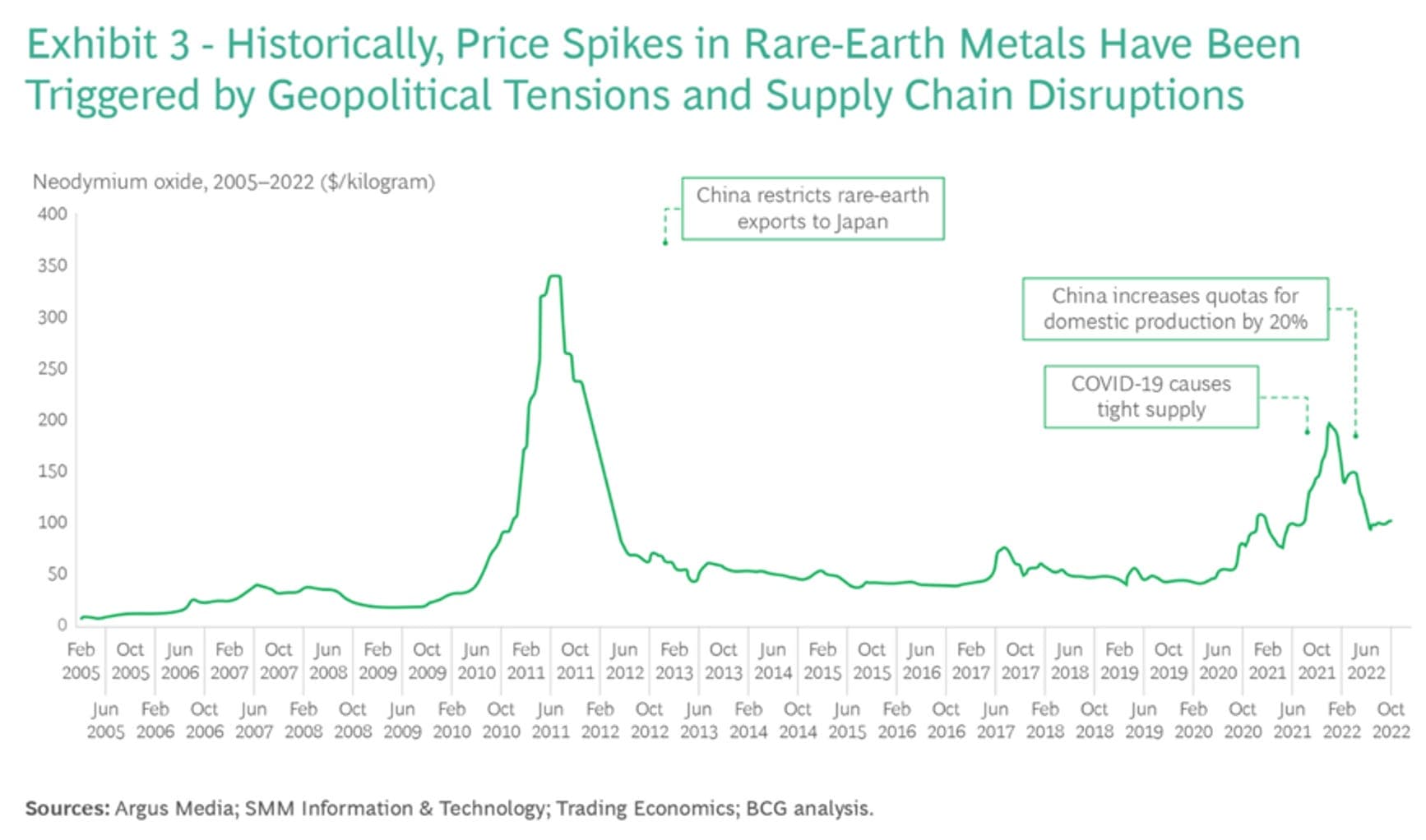
A notable development is the **weaponization of rare earths**, which are vital for **high-tech**, **military**, and **renewable energy industries**. Countries are **diversifying sources** and **stockpiling materials** to **reduce reliance on Chinese refining and processing**, aiming to **strengthen technological sovereignty** and **geopolitical stability**.
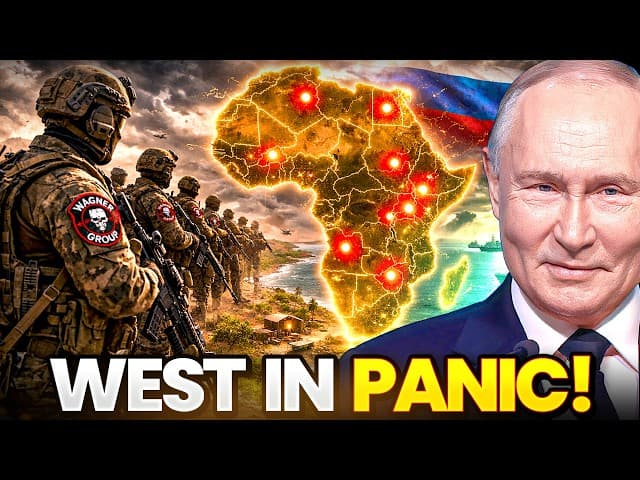
Adding to this picture, **Russia’s activity in Africa** has garnered attention, with **Youtuber analyses** highlighting how Moscow is increasing its influence on the continent. **Russia's Africa move** has drawn criticism from the West, with some labeling it as **"spying"**, raising questions about **new forms of influence and intelligence gathering** in resource-rich regions that are crucial for global strategic balance.
---
## New Frontiers of Strategic Competition: Space and the Arctic
Traditional domains of influence are expanding into **space** and the **Arctic**:
- **China** is accelerating **space governance initiatives**, challenging **US dominance** in a domain critical for **communications**, **navigation**, and **military operations**. The US relies heavily on private sector giants like **SpaceX** to maintain strategic advantages.
- The **Arctic region** is experiencing **rapid ice melt**, revealing **new maritime routes** and **resource deposits**. This has prompted **militarization efforts** by **Russia**, **NATO**, and other Arctic nations. **Greenland** has gained prominence as a **resource-rich strategic hub**, fueling increased geopolitical activity.
The melting Arctic also opens new possibilities for **shipping routes** and **resource extraction**, but with it comes heightened **militarization and strategic competition**. Russia’s expanding military presence in the Arctic underscores its desire to **secure access** and **project power** in this emerging frontier.
---
## Sectoral Developments: Rare Earths, Defense Buildup, and Cybersecurity
### 🌎 **Pax Silica and the Rare Earth Sector’s Breakout**
The **rare earth sector** is experiencing a **significant upswing** due to **new supply sources**, **investment influx**, and **de-risking initiatives** like **Pax Silica**. Countries and corporations are **building local processing facilities**, **investing in technological innovation**, and **diversifying supply chains** to **counter Chinese dominance**. These efforts are vital for **high-tech**, **military**, and **renewable energy** industries, which heavily depend on **rare earths**.
### **Defense and Cybersecurity: A Growing Priority**
In response to mounting geopolitical tensions:
- **Global defense budgets** are **continuing upward**, with **2025** marking a period of **military modernization**.
- **Cybersecurity**, **dual-use technologies**, and **advanced weapon systems** are prioritized. This has fueled **demand for defense hardware** and **cyber tools**.
- The **rise in defense spending** stimulates sectors involved in **advanced military technology**, **intelligence**, and **critical infrastructure** protection.
Recent **YouTube analyses** and expert commentary emphasize that **cybersecurity** and **AI-driven defense strategies** are central to maintaining **technological superiority** and **strategic influence** in this turbulent year.
---
## Policy Tools and Technological Innovation: Sanctions, Infrastructure, and AI
### **Sanctions as a Central Geopolitical Instrument**
Sanctions have become a **cornerstone** of **hegemonic influence** in the **multipolar world**. Countries like the US and allies increasingly employ **targeted sanctions** to **shape international trade**, **limit adversaries’ influence**, and **reshape alliances**. While effective, these measures often **destabilize economies** and **prompt countermeasures**, such as **black markets** and **alternative payment systems**, further complicating **global commerce**.
### **Public Investment in Digital and Energy Infrastructure**
Governments are channeling **massive investments** into **digital** and **energy infrastructure** to **bolster resilience**:
- The US’s **trillion-dollar digital and energy infrastructure plan** aims to **enhance energy independence** and **digital sovereignty**.
- The EU is increasing defense funding, as highlighted in recent reports, to **counterbalance US–China rivalries** and **address internal divisions** over Russia’s strategy. The **€90 billion** allocated to **military expansion** reflects a **split in Western approaches**—some emphasizing **deterrence**, others seeking **diplomatic engagement**.
### **AI’s Growing Role in Diplomacy and Strategy**
A notable trend is the **integration of AI** into **diplomatic**, **military**, and **economic** policymaking. Countries are developing **AI-driven tools** to **optimize decision-making**, **anticipate geopolitical moves**, and **enhance strategic planning**. Experts see AI as **crucial** for **maintaining leadership** in the **multipolar world**, where **technological superiority** is increasingly synonymous with **geopolitical influence**.
---
## Current Status and Broader Implications
As 2026 unfolds, the **global order** remains **fragmented yet increasingly rule-based**, with **legal reforms**, **resource realignments**, and **technological investments** shaping a **more autonomous system**. However, **persistent geopolitical rivalries**—notably between **the US and China**—continue to generate **uncertainty**.
While opportunities for **innovation**, **resilience**, and **cooperation** are present, they require **careful management**. The **decisions and policies** of this year will **profoundly influence** **global stability**, **economic resilience**, and **power dynamics** for years to come. Stakeholders—governments, corporations, and investors—must remain **vigilant**, **adaptable**, and **strategically proactive** to navigate this complex, evolving landscape.
---
## **Implications and Final Thoughts**
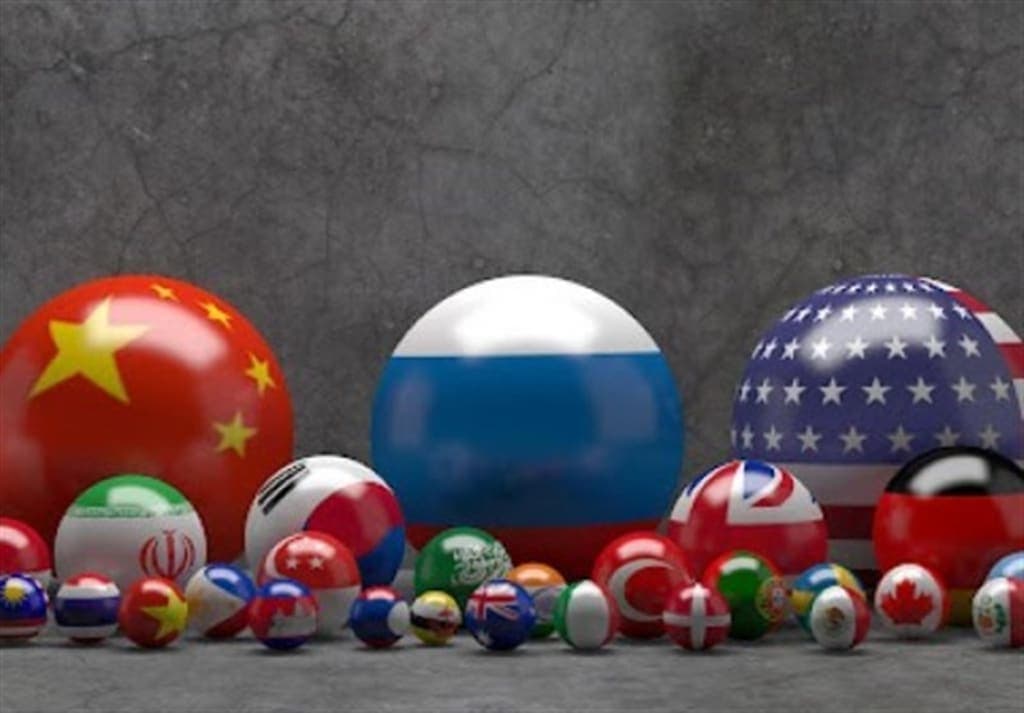
The year 2026 exemplifies a **strategic realignment** driven by **legal constraints**, **resource competition**, and **technological rivalry**. The **fragmentation of the global order** is counterbalanced by a **growing emphasis on resilience**, **technological sovereignty**, and **international norms**. The **US’s legal restrictions on tariffs**, alongside aggressive moves by **China**, **Russia**, and regional actors, are shaping a **multipolar environment** where **alliances are shifting** and **power is more distributed**.
The **weaponization of resources**, **advancements in AI**, and **competition in space and the Arctic** indicate that **traditional domains of influence** are expanding into **new frontiers**, demanding **innovative strategies** and **diplomatic agility**. Meanwhile, **economic policies**, **sanctions**, and **public investments** are tools shaping the **new geopolitical calculus**.
Ultimately, **2026** is a year marked by **transformation and uncertainty**, where **strategic foresight and resilience** will determine **who shapes the next phase** of the **global order**. The decisions made now will echo across the decades, influencing **stability**, **growth**, and **power balances** in an increasingly complex world.