# London Black Cabbies and Public Reaction to Robotaxi Rollout: A New Chapter in Urban Mobility
The streets of London, long celebrated for their iconic black cabs and a rich tradition of taxi service, are now witnessing a rapid and transformative shift. Autonomous vehicles (AVs), especially robotaxis, are expanding their presence in the city, sparking widespread debate about safety, employment, regulation, and the future fabric of urban transportation. Recent developments highlight not only technological breakthroughs but also emerging challenges that could redefine the city’s mobility landscape in the near future.
## The Accelerating Deployment of Autonomous Vehicles in London and Globally
London remains a strategic hub for AV testing and commercialization, with major companies like **Waymo** and **Uber** advancing their efforts from limited trials to ambitious commercial operations.
- **Passenger Services and Testing Expansion:**
Reports confirm that **Waymo** has begun **unmanned passenger services** within central London, aiming to achieve **full autonomous operation by September**. Meanwhile, **Uber** is scaling up its pilot programs, moving closer to launching full-scale robotaxi services. These initiatives position London at the forefront of urban AV deployment, providing valuable data and experience for future, wider-scale operations.
- **Global Environmental and Market Expansion:**
In the United States, Waymo continues to expand its footprint, with winter testing in Chicago—an effort to evaluate AV performance in cold, snowy conditions—and deployment of driverless robotaxis in Houston, Texas, and parts of Florida. These moves demonstrate industry-wide focus on environmental robustness and scalability, crucial for cities with diverse climates and dense populations.
- **Significant Industry Investment:**
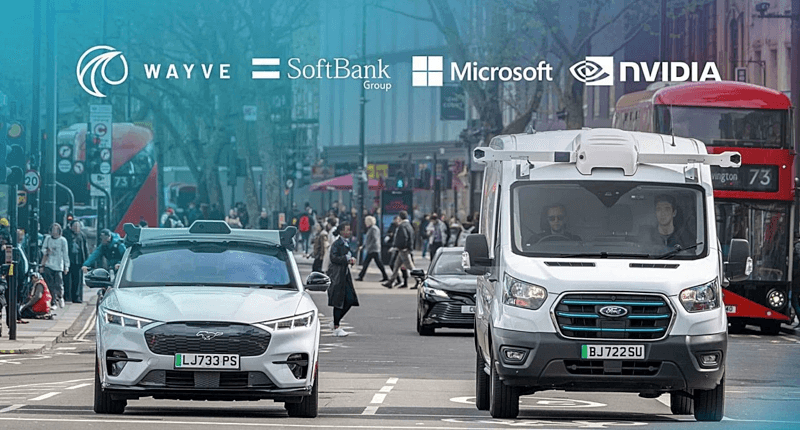
The UK’s autonomous sector is attracting record funding. Notably, **Wayve**, a London-based startup specializing in machine learning-driven self-driving technology, recently raised over **$1.5 billion** in a funding round. Investors such as Mercedes-Benz, Stellantis, Nvidia, Microsoft, and SoftBank underscore the global confidence in London's potential as an autonomous mobility hub. Furthermore, Uber's commitment of an additional **$300 million** to Wayve bolsters its ambitions for international robotaxi deployment.
## Legal and Safety Challenges: Navigating a Complex Regulatory Landscape
As AV deployment accelerates, so do legal and safety concerns:
- **Tesla’s Lawsuit Against California DMV:**
A high-profile legal dispute involves Tesla, which has sued the California Department of Motor Vehicles (DMV) over restrictions on marketing its Autopilot and Full Self-Driving (FSD) systems. Tesla argues that such restrictions hinder innovation and transparency, raising broader questions about **liability and safety standards**. As AVs become more prevalent, establishing **clear liability frameworks**—whether manufacturers, operators, or others—becomes increasingly urgent.
- **Safety and Public Trust:**
The rapid deployment in London and elsewhere has intensified scrutiny over safety protocols. Ongoing regulatory efforts aim to establish standards, such as the UK's **ADASIS platform** and safety benchmarks aligned with **Android Automotive OS**, to foster interoperability and public confidence. However, the pace of technological innovation often outstrips regulation, creating a dynamic environment where safety and innovation must be balanced carefully.
## Technological and Infrastructure Innovations Supporting AV Integration
Complementing vehicle automation are breakthroughs in communication and hardware:
- **Vehicle-to-Infrastructure (V2X) Communication:**
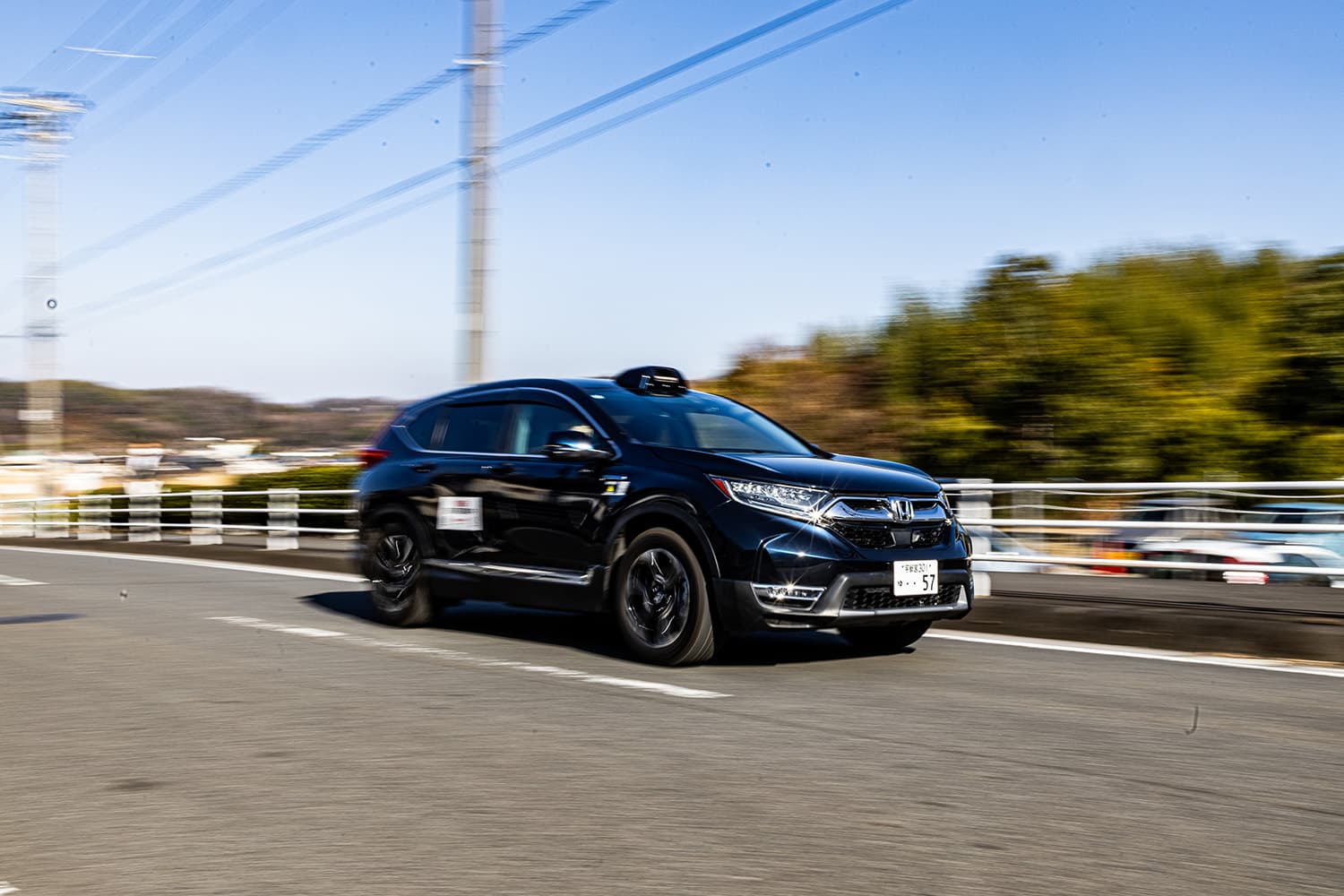
Inspired by Japan’s pioneering work, efforts are underway globally to implement **V2X** systems that enable real-time data sharing between vehicles and urban infrastructure. Japan’s initiatives target **zero traffic fatalities** by integrating communication networks to alert vehicles and drivers to hazards, a model highly applicable to London's busy streets.
- **Advanced Components and City-Ready Technologies:**
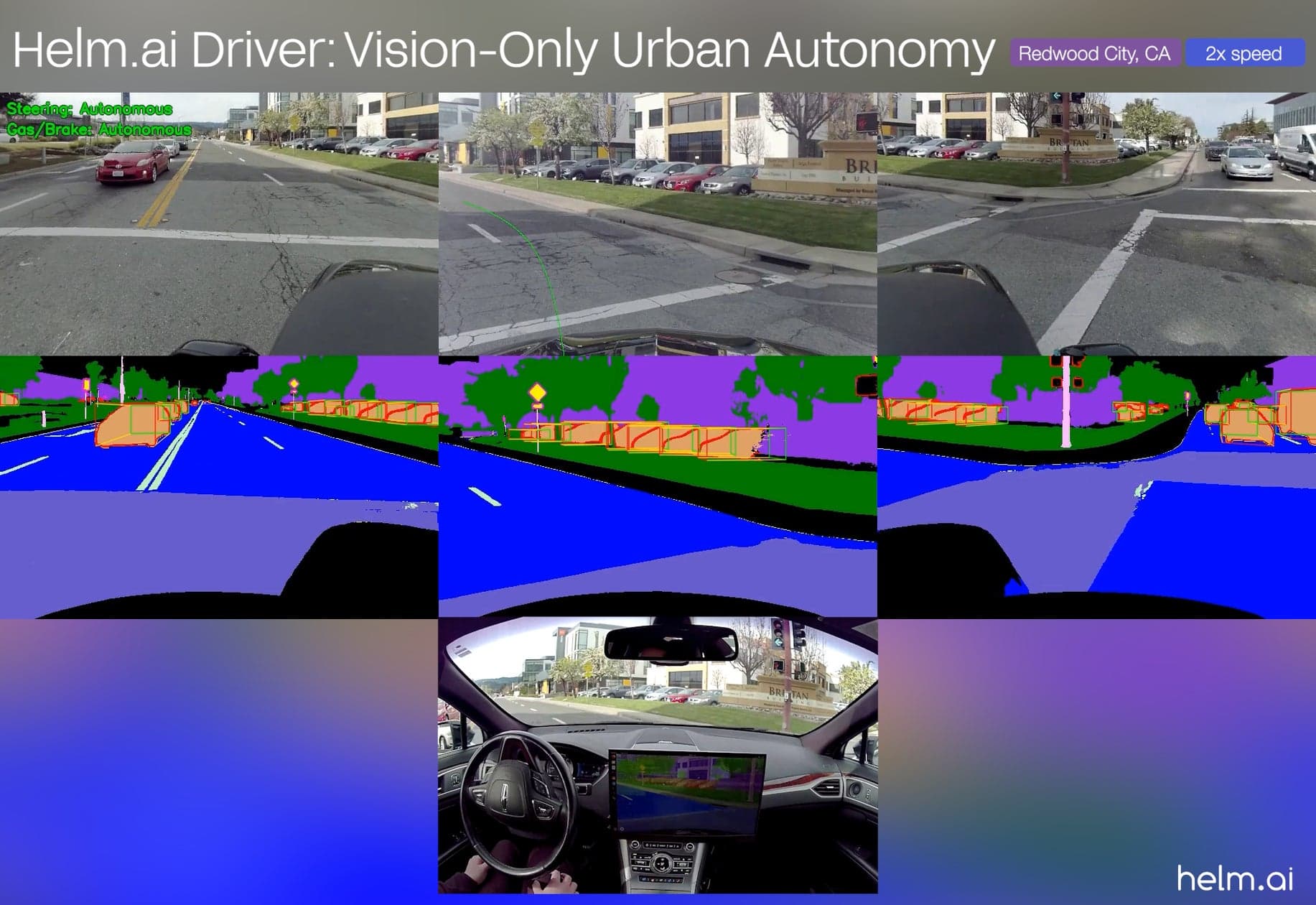
Industry leaders like **Continental** are developing specialized hardware, such as **autonomous-driving tires**, to enhance safety and durability in city environments. Additionally, companies like **Helm.ai** have achieved significant milestones, such as **camera-only urban autonomous driving**, which simplifies sensor setups while maintaining high levels of safety, paving the way for more cost-effective and scalable urban AV solutions.
- **New Pilot Projects and Demonstrations:**
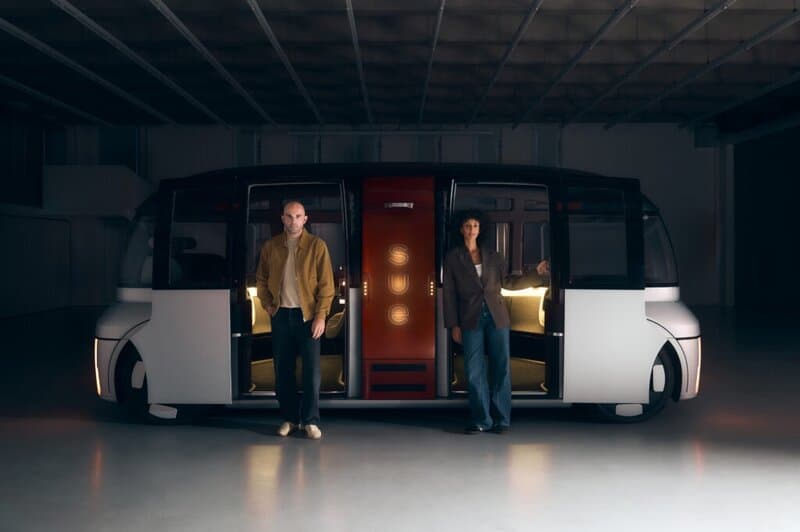
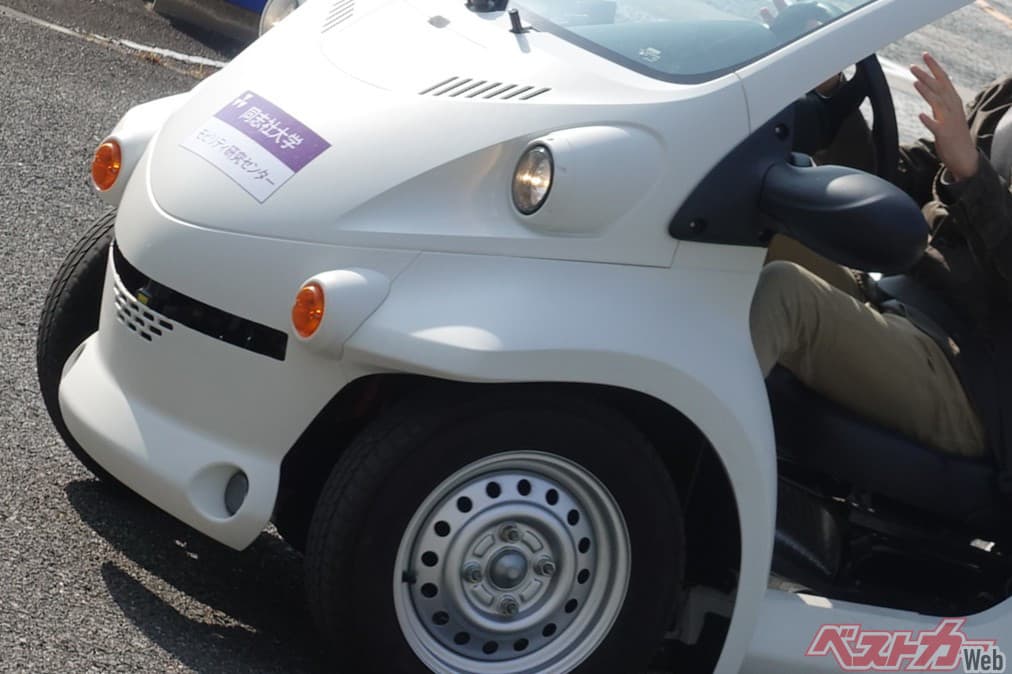
The city of **Wako in Japan** has launched safety experiments involving autonomous vehicles, testing new sensors and communication protocols. In Germany, **SUE**, an autonomous shuttle capable of speeds up to **50 km/h**, was recently showcased in public, marking a milestone as the first higher-speed autonomous shuttle to operate on open roads. These projects exemplify technological versatility and readiness for broader deployment.
## The Road Ahead: Implications for London and Other Cities
The surge in autonomous mobility options prompts urgent questions about societal impacts:
- **Impact on London’s Taxi Drivers:**
London’s iconic black cabs are more than just transportation—they are cultural symbols and vital economic contributors. The swift expansion of robotaxis has fueled fears among drivers of job losses and displacement. Many protests and calls for safeguards have emerged, emphasizing the need for policies that protect livelihoods.
- **Urban Infrastructure and Safety:**
London's narrow streets, dense pedestrian zones, and unpredictable human behaviors pose unique challenges for AV navigation. To ensure safety, significant infrastructure upgrades are necessary—such as dedicated AV lanes, improved signage, and deployment of **V2X** communication networks. The integration of Japan’s communication models and advanced vehicle hardware will be critical in creating a safe and efficient urban environment.
- **Policy, Regulation, and Social Safeguards:**
Policymakers face the complex task of balancing innovation with societal protection. This includes establishing **transparent liability frameworks**, implementing **worker retraining programs**, and ensuring **inclusive engagement** with all stakeholders. Responsible, phased deployment coupled with ongoing safety assessments will be key to building public trust.
## **Current Status and Future Outlook**
Recent months have marked a pivotal period:
- London solidifies its position as a **central hub** for autonomous mobility, with operational passenger services from Waymo and ongoing testing from Uber.
- Internationally, **winter testing in Chicago** and **public demonstrations** like Germany’s **SUE shuttle** showcase the industry’s commitment to environmental resilience and urban suitability.
- The substantial **investment influx**, exemplified by Wayve’s **$1.5 billion** raise, signals confidence in the technology’s rapid maturation.
- Ongoing legal battles, such as Tesla’s lawsuit, underscore the importance of **regulatory clarity** and **public safety** protocols.
## **Implications and the Path Forward**
The current trajectory suggests that London—and other global cities—must adopt a **holistic approach**:
- Engage **all stakeholders**, including drivers, residents, tech firms, and regulators, in shaping deployment strategies.
- Develop **robust legal frameworks** to clarify liability and safety standards.
- Implement **social safeguards**, such as retraining programs, to support displaced workers.
- Invest in **smart infrastructure**—from V2X networks to city-specific autonomous vehicle hardware—to ensure safe, seamless integration.
## **Conclusion**
London stands at a pivotal crossroads. The rapid expansion of robotaxis promises to transform urban mobility by offering increased convenience, reduced congestion, and innovative transportation options. However, this shift also brings significant challenges—safety concerns, employment impacts, and regulatory complexities—that must be addressed proactively.
Advances such as **camera-only autonomous driving systems** from Helm.ai, **higher-speed autonomous shuttles** like Germany’s SUE, and ongoing **international research efforts** exemplify the technological momentum propelling this change. As policymakers, industry leaders, and the public work collaboratively, London’s experience could serve as a blueprint for responsible, inclusive adoption of autonomous mobility worldwide—shaping the future of urban transportation in a way that balances innovation with societal well-being.