# Reimagining India’s Social Sectors in 2026: Progress, Challenges, and the Road Ahead
India stands at a pivotal juncture in its pursuit of inclusive, equitable, and sustainable social development. Over the past two years, transformative legal judgments, innovative policy reforms, and technological advancements have collectively begun to reshape the nation’s approach to health, education, sports, and social protection. However, as these reforms unfold, a complex interplay of societal norms, governance capacity, and regional disparities continues to influence their ultimate impact. The latest developments reveal both remarkable progress and pressing challenges, underscoring the need for sustained, transparent, and accountable efforts.
---
## Landmark Legal and Policy Milestones: Catalysts for Change
The period from 2025 to 2026 has been marked by several groundbreaking legal and policy initiatives that have redefined India’s social landscape:
- **Menstrual Health as a Fundamental Right (2025):** The Supreme Court’s recognition of menstrual health as a fundamental right has galvanized nationwide reforms. States have been mandated to upgrade sanitation infrastructure, launch gender-sensitive health education campaigns, and destigmatize menstruation through awareness drives. Union Minister Smriti Irani emphasized, “This judgment reaffirms our pledge to uphold dignity and equality for women and girls, laying the groundwork for societal attitudinal change.” This legal milestone has catalyzed a wave of grassroots initiatives aimed at ensuring menstrual health equity.
- **Mental Health and Student Welfare:** Responding to mounting concerns about student mental health, courts mandated comprehensive support systems in educational institutions. Schools now implement **counseling services**, **wellness audits**, and **early intervention protocols**, creating environments that prioritize **mental resilience** alongside academic achievement. These measures aim to address the rising incidence of stress, anxiety, and depression among students, fostering healthier learning environments.
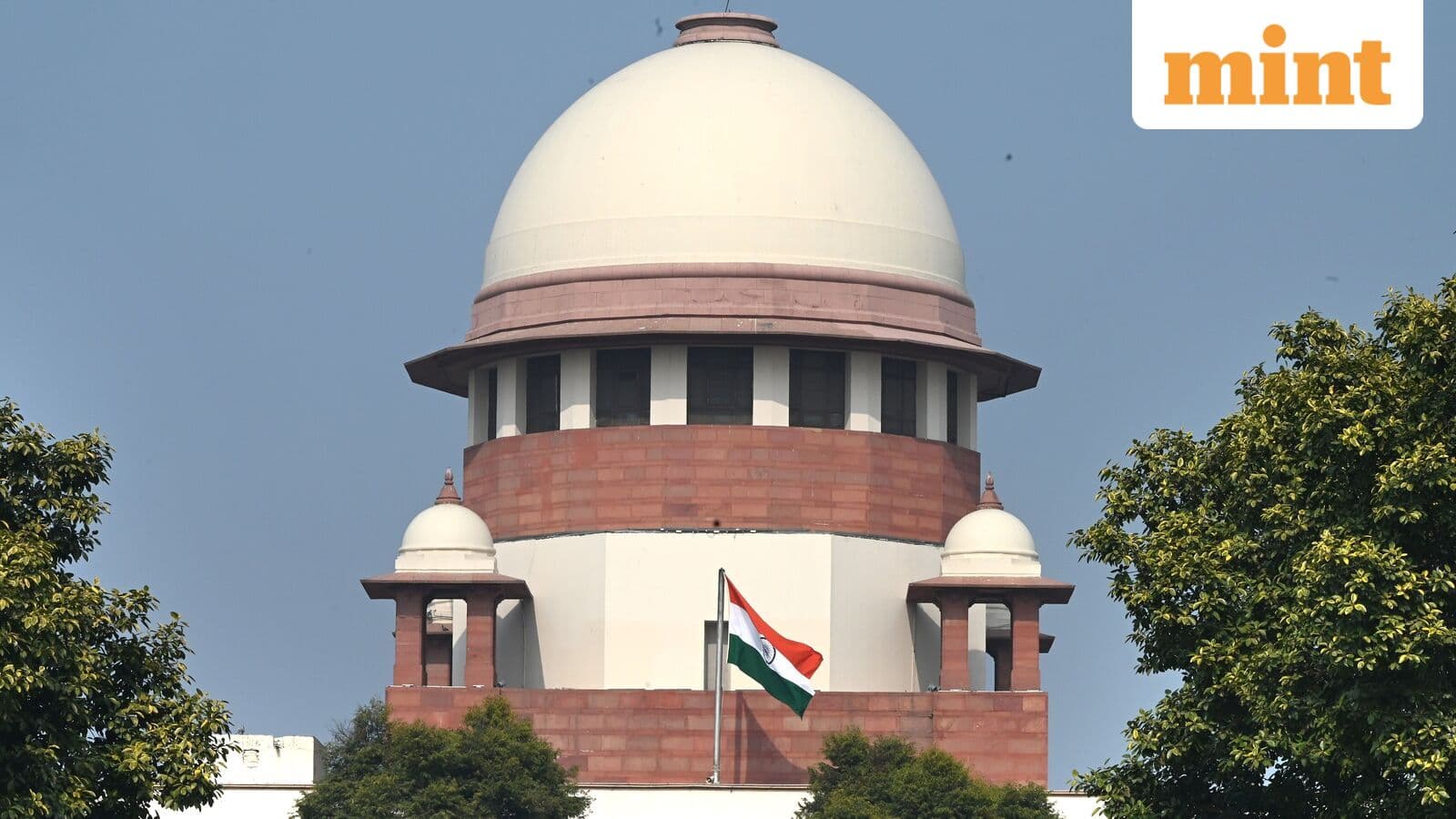
- **Judicial Caution on Populist Welfare Schemes:** In 2026, the Supreme Court issued a notable cautionary stance on the proliferation of **unfunded freebies** and populist promises, warning that such schemes could jeopardize fiscal sustainability and distort policy priorities. An influential article in Mint titled *"Why the Supreme Court’s caution on freebies demands the attention of India’s political class"* underscores the importance of **transparent**, **targeted**, and **long-term** welfare strategies that align with fiscal prudence. The judiciary’s emphasis on financial discipline seeks to prevent short-term populism from undermining social sector reforms.
---
## Sectoral Reforms and Innovations: Charting New Directions
### Healthcare: From Reactive to Preventive and Digital
India’s health sector is experiencing a profound transformation, shifting from reactive treatment models to **preventive**, **predictive**, and **digital healthcare** systems:
- **Digital Health Records and Telemedicine:** The widespread integration of **Electronic Health Records (EHR)** and expansion of **telemedicine platforms** have dramatically increased healthcare access, particularly in rural and underserved regions. AI-powered diagnostics are now commonplace, enabling **earlier disease detection** and **personalized treatment plans**. For example, remote consultations for chronic disease management have become routine, reducing health disparities.
- **Regulation of Private Medical Education:** To ensure **quality standards** and **equitable access**, stringent regulations have been introduced for private medical colleges. These reforms emphasize **transparency in admissions**, **faculty accreditation**, and **clinical training**, aiming to curb malpractices and improve healthcare workforce quality.
### Education: Toward Inclusion and Holistic Well-being
- **UGC’s 2025 Equity Regulations:** These guidelines have prioritized **diversity and inclusion**, expanding opportunities for marginalized communities. Initiatives such as **quota enhancements**, **scholarship schemes**, and **inclusive curricula** aim to foster **social justice** and **academic excellence**. While critics warn that **over-regulation** could hinder **academic innovation**, advocates argue that **equity is vital** for building a **globally competitive** workforce.
- **Mental Health Integration:** Building on judicial mandates, educational institutions have embedded **stress management programs** and **counseling services** into their curricula. This holistic approach aims to **nurture resilience** and **mental well-being**, addressing the rising mental health challenges among students, especially in competitive academic environments.
### Sports: From Vision to Reality
India’s **"Sporting Amrit Kaal"** initiative has gained significant momentum:
- **Infrastructure and Grassroots Development:** Investments in **modern sports facilities**, **grassroots programs**, and **coaching excellence** have surged. The expansion of the **National Sports Development Fund** supports **emerging athletes** and **innovative sports initiatives**, fostering a vibrant sports ecosystem.
- **Global Ambitions:** With a focus on **medal success at upcoming Olympics and Asian Games**, India envisions sports as a catalyst for **youth health**, **discipline**, and **social cohesion**. These efforts also aim to position India as a competitive player on the global sporting stage.
---
## Social Protection and Digital Governance: Unlocking Human Potential
India’s demographic dividend is increasingly recognized as a key asset:
- **Targeted Welfare Programs:** Initiatives such as **cash transfers**, **comprehensive health insurance schemes**, and **skill development programs** are designed to **re-engage marginalized youth** and **nurture talent**. These programs aim to bridge the gap between aspiration and opportunity.
- **Algorithmic Impact Assessments:** Legislation now emphasizes **impact evaluations** of automated welfare systems to **mitigate bias** and **ensure fairness**. Experts highlight that **algorithmic transparency** is critical to prevent **welfare exclusion**, especially for vulnerable populations. For instance, recent audits of welfare algorithms have revealed areas for improvement in **bias detection** and **accountability**.
---
## Societal Challenges: Governance, Norms, and Discontent
Despite ambitious reforms, several hurdles threaten to undermine progress:
- **Balancing Regulation and Autonomy:** Overregulation risks **stifling innovation**, while under-regulation may lead to **deterioration in quality**. Achieving the right balance remains a key challenge for policymakers and regulators.
- **Regional Disparities:** Variations in implementation across states and rural areas highlight the importance of **region-specific strategies** and **local stakeholder engagement**. Success stories from states like Kerala and Gujarat demonstrate the potential of tailored approaches.
- **Spectacle Politics and Credibility Risks:** Recent incidents, such as the **Galgotias University’s staged "robot" event**, exemplify how **PR-driven gimmicks** can **damage credibility**. The event, later exposed as a **reputation stunt**, underscores the perils of **superficial displays** overshadowing genuine academic and social progress. Experts warn that without **robust transparency and accountability**, superficial spectacle risks eroding trust in institutions.
### The Rise of Discontent and Normative Erosion
A recent article titled *"How the Absence of Shame is Reshaping Indian Democracy"* from Frontline explores how the **diminished sense of shame** among political and social elites fosters a culture of **PR spectacle** over **substantive action**. This erosion of normative standards threatens the **integrity of democratic processes**.
Simultaneously, India faces a **growing hate speech crisis**. The **India Hate Lab’s 2026 report** documents an **alarming rise in organized online hate speech**, often amplified by **platform algorithms** that lack **robust impact assessments**. The report emphasizes that **platforms often claim neutrality**, but their algorithms can inadvertently **fuel polarization**, making **content moderation** and **algorithmic transparency** urgent imperatives.
---
## The Cycle of Deprivation and Affluence: An Additional Layer
A recent analysis in *The Hindu* titled **"Analysing India’s cycle of deprivation and affluence"** underscores the complex interaction between **income mobility**, **social stratification**, and **social sector reforms**:
> **Analysis of income mobility during 2014-2025 shows persistent cycles where regions and communities alternate between periods of deprivation and relative affluence.** This cycle often entrenches **intergenerational inequality**, where marginalized groups face systemic barriers to upward mobility despite overall economic growth. The report warns that unless social sector reforms are **targeted, inclusive, and address structural inequities**, these cycles may continue, undermining long-term social cohesion.
This insight highlights that **economic growth alone** is insufficient unless accompanied by **equity-focused policies** that break entrenched cycles of deprivation.
---
## Current Status and Future Outlook
India’s ongoing reforms reflect a **deep commitment to building an inclusive, healthy, and innovative society**. The legal recognition of rights, infrastructural investments, and technological integration have created a robust foundation. Yet, **implementation gaps**, **regional disparities**, and societal issues like **spectacle politics** and **hate speech** pose significant hurdles.
Moving forward:
- **Long-term, transparent policy engagement** and **monitoring frameworks** will be critical to ensure reforms translate into **equitable outcomes**.
- **Strengthening governance norms** and **enforcing accountability** are essential to **restore societal trust**.
- **Fostering genuine innovation**—beyond PR stunts—must be prioritized to achieve **sustainable progress**.
- Addressing **normative erosion** and restoring **norms of shame** can help rebuild **public accountability** and **democratic integrity**.
---
## Conclusion
India’s journey in reimagining its social sectors in 2026 is marked by remarkable legal strides, strategic reforms, and technological progress. However, the true measure of success will depend on **effective implementation**, **inclusive growth**, and **upholding societal norms**. Confronting governance challenges, regional disparities, and societal discontent head-on will determine whether India can realize its vision of a **just, resilient, and vibrant society**—where human potential is unleashed, and **equity and integrity** are foundational principles.
By emphasizing **authentic innovation**, **normative accountability**, and **inclusive development**, India can move beyond superficial spectacle towards a future rooted in **substantive progress and societal trust**.