3d ago
Inflation No Reliable Debt Fix
- Inflation limits: Higher inflation unlikely to help erode real debt value since one-quarter of the debt stock is index-linked.
- Market pushback:...

Created by Jinze Gu
Citizen-friendly summaries of U.S. debt, deficits, Treasury markets, and tax‑payer consequences
Explore the latest content tracked by U.S. Debt Deficit Digest
The Fed's September 16 hike to a 3.75–4.00% target range automatically lifts rates on variable credit cards and HELOCs that older households often...
Houston has paused its routine Home Repair Program after exhausting federal CDBG funds, blocking low-income homeowners from essential plumbing,...
The Fed's 0.25-point rate hike to 3.75-4% raises borrowing costs across mortgages, credit cards, auto loans, and business financing, while lifting...
Federal spending and deficits continue climbing even as attention fixates on Fed rate moves.
A proposed Deferred Settlement Auction would let investors buy Treasuries with one-month delayed settlement, shifting duration demand from hedge-fund...
U.S. debt held by the public rose from 32% of GDP in 2001 to 100% today, with annual deficits near 6% of GDP.
Key drivers each explain most of the...
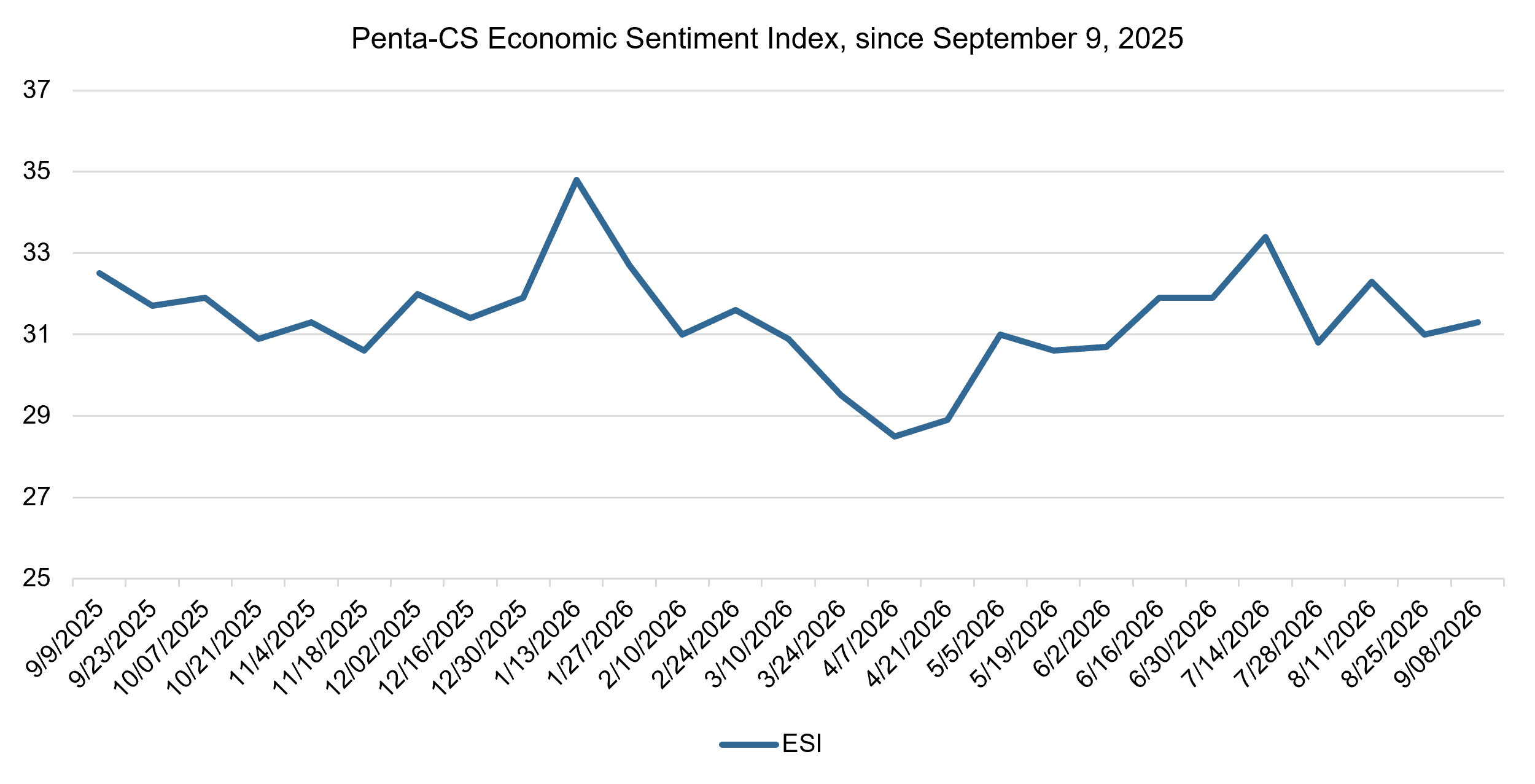
Consumer sentiment stayed depressed near 31.3 on the ESI despite a 0.3-point gain, as persistent 3.7% PCE inflation and 6.71% mortgage rates weighed...
Treasury buybacks provide marginal support for long-term bond prices and liquidity, yet fail to address persistent deficits and heavy issuance.
-...
The gap between yearly deficits and accumulated debt forces voters to pick among four paths—each with clear winners and losers.
After substantial price declines from rising rates, long-duration ETFs like BLV now deliver meaningfully higher yields for the same duration risk,...
Markets may be overpricing a September Fed rate hike even while inflation stays well above the 2% target, with core PCE at 3.3% and above goal for five and a half years.
A 22-24% benefit reduction could mean $459–$556 less per month for typical retirees, with the dollar hit varying sharply by state and personal...
A 30-year Treasury bought today at 4.87% matures in 2056—exactly when GAO projects U.S. public debt at 250% of GDP under current law.
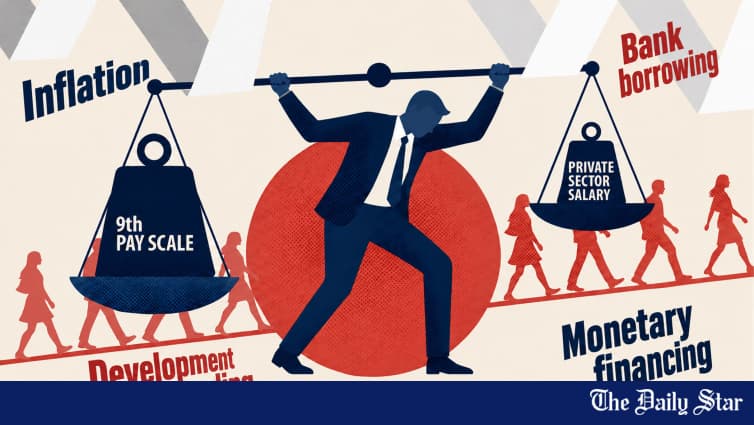
Bangladesh's new pay scale delivers relief to 24 lakh employees and pensioners but adds Tk 1,05,580 crore in permanent annual spending without revenue...
The Treasury Securities Upcoming Auctions Data provides weekly notifications on marketable securities to be announced and auctioned, including...
If Democrats win either chamber in the midterms, the Trump team plans to rush a deficit-reduction framework through the lame-duck session before...
Automatic benefit cuts triggered by a 2032 trust fund shortfall would fall hardest on low-income seniors who rely on every Social Security dollar, raising poverty rates and undermining their financial stability.