# Gentle Exercises to Ease Pain, Boost Balance, and Prevent Falls: Updated Strategies for Older Adults
As our society continues to age, fostering safe, accessible, and effective physical activity for older adults remains a top priority. Regular, gentle movement is essential not only for maintaining independence but also for enhancing overall quality of life. Recent advances—ranging from innovative online routines to culturally inspired practices—are transforming how seniors incorporate movement into their daily routines, making them safer, more engaging, and easier to sustain.
## The Power of Accessible, Low-Impact Exercise Modalities
The foundational principle remains: **gentle, manageable exercises** can significantly improve mobility, reduce pain, and prevent falls among older adults. These routines are versatile, adaptable, and can be performed at home, in community centers, or through virtual platforms.
### Key Exercise Modalities:
- **Chair-Based Exercises:**
These are ideal for individuals experiencing joint pain or mobility limitations, focusing on gentle movements targeting the legs, hips, back, and feet. Adaptations ensure safety and efficacy for a broad range of abilities.
- **Yoga and Mindfulness Practices:**
Gentle yoga sequences help improve flexibility and reduce stiffness, while mindful breathing and relaxation techniques support mental well-being and stress reduction.
- **Tai Chi:**
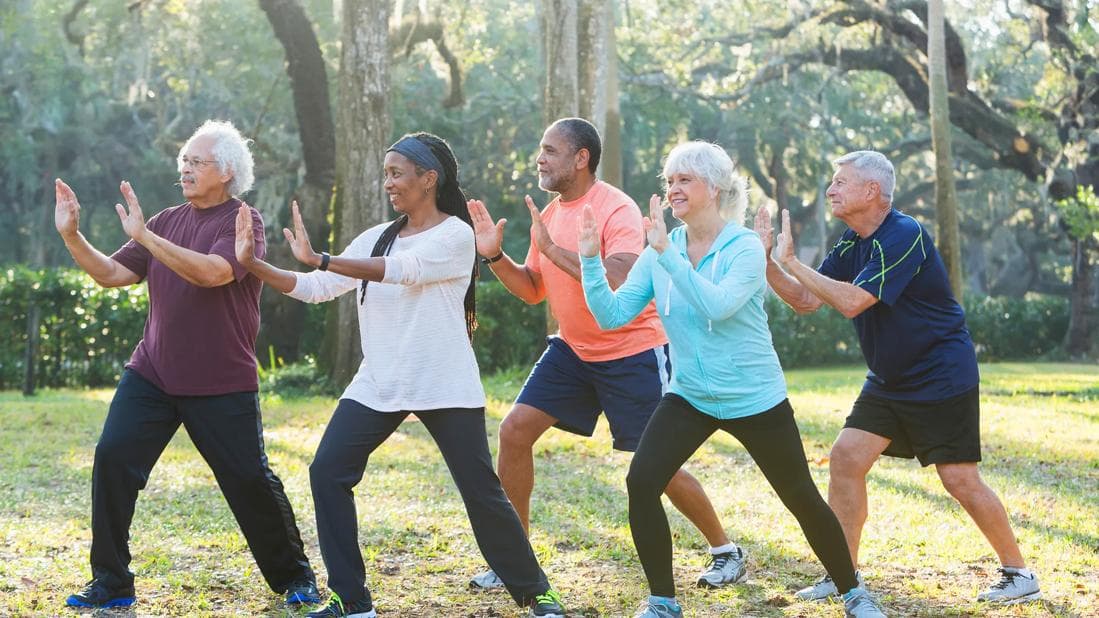
Recognized globally for its slow, flowing movements, tai chi enhances balance, proprioception, and mental focus. Its low-impact nature makes it particularly effective in fall prevention and maintaining functional mobility.
## New and Enhanced Resources Supporting Daily Movement
The past year has seen an explosion of innovative tools and programs designed to make daily exercise more engaging and accessible:
### Short-Form Tai Chi for Morning Practice
One standout development is the **"Do This Every Morning for Better Balance & Energy"** routine available on YouTube. This approximately **13-minute** beginner-friendly tai chi routine is tailored for seniors and can be seamlessly incorporated into morning routines.
**Why this resource is impactful:**
- **Ease of Integration:**
Its brevity encourages consistent daily practice, fostering habit formation without feeling burdensome.
- **Accessibility:**
Designed for seniors and newcomers, it emphasizes simple, safe movements that promote balance, energy, and mental clarity.
- **Health Benefits:**
Regular practice can **improve proprioception**, **increase vitality**, and **build confidence**, all vital for fall prevention and independence.
### The Japanese 6-Exercise Routine for Leg Strength
Another valuable addition is the **video titled _"Your Legs Weaken First! Do These 6 Simple Movements Every Morning After 60,"_** which demonstrates **six easy exercises** focused on strengthening leg muscles, improving circulation, and combating age-related weakness. Incorporating these movements into a morning routine supports mobility and reduces fall risk.
### Tai Chi Walking in 2026: A Breakthrough
Harvard Health Publishing recently reported on **"Tai Chi Walking in 2026,"** highlighting a **slow, mindful walking routine** that can be performed daily to promote **muscle strength, flexibility**, and **mental calm**. This practice offers a simple yet powerful way to integrate movement into busy schedules, emphasizing that even walking can be transformed into a therapeutic exercise.
## Connecting Exercise to Fall Prevention, Bone Health, and Pain Management
Extensive research continues to affirm the critical role these low-impact routines play:
- **Fall Prevention:**
Exercises that enhance balance and strength—such as chair routines, tai chi, and culturally inspired short routines—have been shown to **reduce the incidence of falls**, often outperforming walking alone.
- **Bone Health and Osteoporosis:**
Gentle weight-bearing and resistance exercises support bone density, helping prevent fractures. Regular incorporation of these routines is especially crucial for those with osteoporosis.
- **Pain Management and Confidence Building:**
Consistent participation in manageable exercises fosters a sense of mastery and control, reducing fear of falling, and encouraging more active lifestyles—both physically and mentally.
## Expanding Accessibility and Community Engagement
To maximize participation, an array of resources and programs are increasingly available:
- **Instructional Videos:**
Beyond the short tai chi routines, numerous online videos demonstrate chair-based exercises, gentle yoga, and culturally inspired practices, broadening options for diverse preferences.
- **Live and Interactive Classes:**
Initiatives like **"🎉 Chair Tai Chi & Tai Chi Ball Qigong LIVE,"** which recently celebrated over 2,000 subscribers, provide opportunities for seniors to practice in groups, fostering social connection and motivation.
- **Community Programs:**
Local workshops, senior clubs, and healthcare initiatives continue to promote in-person classes, which offer personalized guidance and social engagement—both vital components of sustained activity.
- **Culturally Tailored Exercises:**
Incorporating culturally familiar routines, such as traditional Japanese exercises, enhances motivation and adherence. These simple, rhythmic movements are easy to learn and sustain, making them particularly appealing.
## Broader Implications and Future Directions
The current landscape reflects a growing recognition of the importance of **holistic, culturally sensitive, and accessible exercise programs** for older adults. The proliferation of online content, live classes, and community initiatives ensures that more seniors can participate safely and comfortably.
Looking ahead:
- Expanding virtual access to high-quality instructional videos and live classes will be vital, especially for those in remote areas or with mobility challenges.
- Developing **culturally tailored routines** can diversify engagement and help reach broader populations.
- Ongoing research aims to optimize these exercises for maximum safety, effectiveness, and enjoyment across diverse groups, ensuring inclusive benefits.
## In Summary
A comprehensive approach—featuring **chair-based routines, gentle yoga, short tai chi flows**, and **culturally inspired exercises**—provides powerful tools for older adults to **ease pain, improve balance, and prevent falls**. Supported by accessible online resources, community programs, and culturally relevant practices, these strategies empower seniors to stay active, confident, and independent.
By embracing these evolving tools and practices, we can help older adults move more safely, comfortably, and confidently every day, fostering healthier, more vibrant aging experiences.