# Clashing Campaigns Over Voter Rolls and Privacy Protections Reach New Heights Ahead of the Midterms
As the United States approaches its critical midterm elections, the political and legal battles over voter data access, election security, and privacy protections have escalated dramatically. This ongoing conflict underscores a broader struggle over the integrity of American democracy, pitting federal agencies and Republican-led efforts seeking increased oversight against state officials, civil rights advocates, and Democrats defending voter privacy and local control. With misinformation, legal disputes, and strategic maneuvers intensifying, the nation faces heightened risks to public trust and electoral legitimacy.
## The Core Conflict: Federal Overreach Versus State and Civil Rights Protections
At the heart of this turmoil lies a fundamental disagreement about authority and constitutional rights:
- **Federal efforts** aim to **expand access to voter rolls**, **enhance oversight**, and **investigate potential violations** such as **non-citizen voting** and **voter fraud**. Agencies like the **Department of Homeland Security (DHS)**, **Department of Justice (DOJ)**, and **FBI** are actively conducting investigations, including searches and subpoenas involving election officials and Trump-associated figures. These actions are justified under the guise of **bolstering election security** and **detecting threats** through **centralized data collection**.
- **State governments and civil rights groups** strongly **resist federal overreach**, emphasizing **voter privacy**, **state sovereignty**, and **local election management**. They warn that **broad data sharing**, **federal investigations**, and **law enforcement actions** could **disenfranchise marginalized communities**, **erode trust**, and turn elections into federally scrutinized processes rather than state-managed democratic exercises.
This divide has manifested through **legislative proposals**, **judicial rulings**, and a surge of partisan misinformation—often propagated by former President Donald Trump—that threaten to **polarize voters**, **undermine confidence in election results**, and **suppress voter turnout**.
## Recent Key Developments and Their Significance
### Trump’s Misinformation Campaign Continues
One of the most persistent catalysts of current tensions is **former President Donald Trump’s** relentless spread of **misinformation**. At a recent rally in Rome, Georgia, Trump **reiterated unfounded claims** alleging that **Wisconsin’s voter rolls were compromised** by **“millions” of “fake” or non-citizen voters**. Experts and election officials have **debunked these assertions**:
- Wisconsin’s voter rolls are **regularly maintained**, with **systematic updates** removing ineligible or duplicate entries.
- The **number of non-citizens registered** remains **negligibly low**.
- There is **no credible evidence** supporting widespread voter fraud.
Despite the lack of evidence, Trump’s rhetoric **mobilizes supporters** and **further deepens partisan divides**, undermining **public trust** just as early voting is underway. Fact-checkers emphasize that such claims **damage election integrity** by **eroding confidence** and **hampering election administration**.
### FBI Raid in Fulton County and Court-Ordered Disclosures
The **FBI’s recent raid on the Fulton County election office in Georgia** has ignited fierce debate over **federal law enforcement conduct** and **potential overreach**. The raid, linked to investigations into **election record misconduct**, has led to **legal battles** and **court-ordered disclosures**. A **federal judge in Atlanta** has demanded that the **Trump administration** **produce information** about the **FBI’s rationale and conduct**.
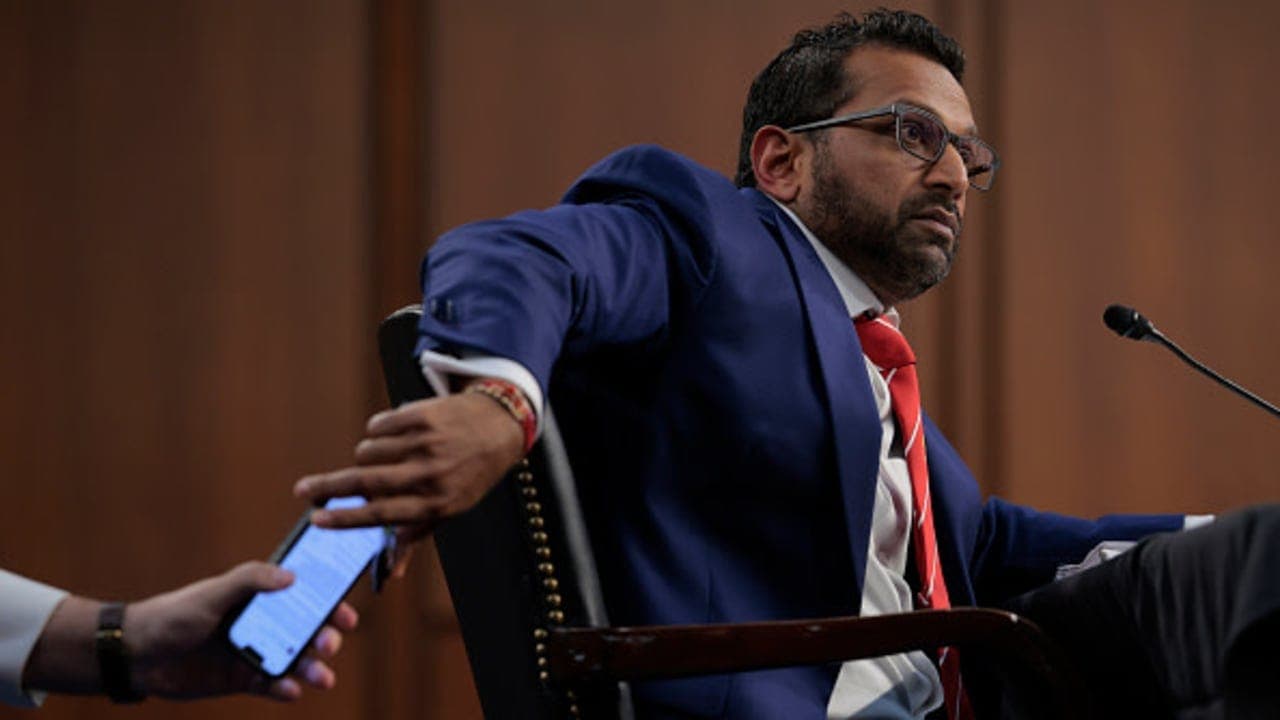
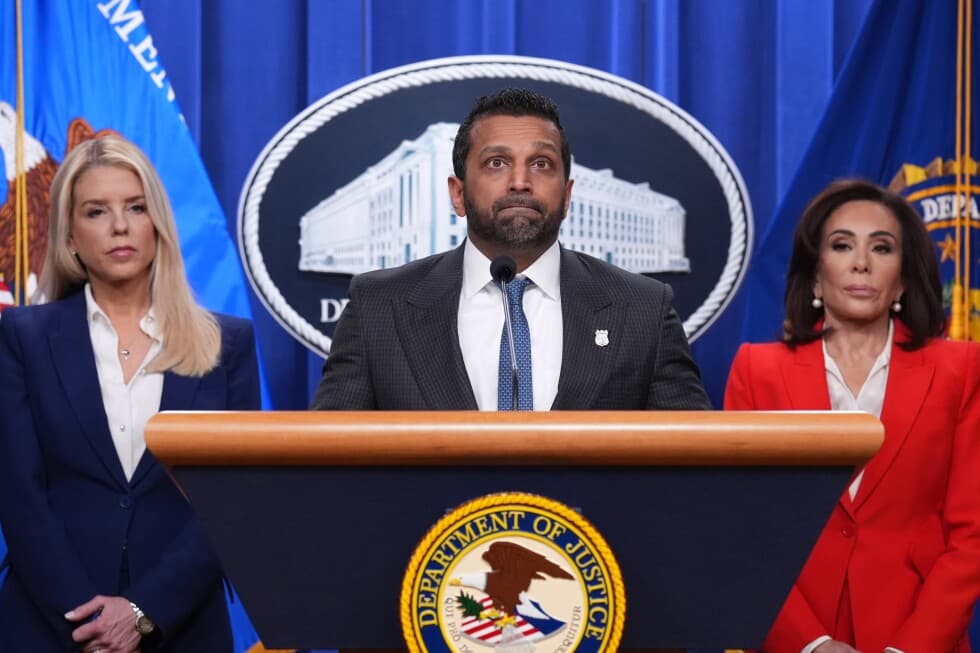
Additionally, **media outlets**, including Gray Media, are actively **seeking court records** to **inform the public** and **scrutinize law enforcement actions**. The raid has also prompted **investigations into related activities**, such as **seizure of phone records** tied to Trump-related probes, with **FBI subpoenas issued to Kash Patel and Susie Wiles**—key figures associated with Trump’s legal team—raising questions about **the scope of federal investigations**.
### DHS and DOJ Investigations Into Voting Eligibility and Privacy
The **DHS** and **DOJ** have **accelerated efforts** to **investigate voting by non-citizens** and **naturalized citizens**. Reports indicate that DHS is **searching for U.S. citizens** who may have voted before naturalization, aiming to **identify potential illegal voting practices**. While routine in some contexts, these efforts **fuel fears** of **federal overreach** and **privacy intrusion**, especially amid claims of **widespread voter suppression**.
Adding to the controversy, a **federal court recently blocked provisions** from an **executive order** that sought to **identify non-citizens in voter databases** and **restrict voting rights for non-citizens**. The court **ruled these measures unlawful**, citing **due process protections** and **privacy safeguards**, thereby **limiting federal authority** and reaffirming **constitutional protections**.
### Judicial Limits and Legal Safeguards
The judiciary continues to serve as a critical check on federal overreach. Notably, courts have **blocked efforts** to impose **citizenship-based restrictions** on voting, emphasizing **state authority** and **individual rights**. These rulings reaffirm that **voter eligibility** must be **determined by state law**, and **federal agencies** cannot impose **citizenship requirements** without due process.
### Restoring and Reinforcing Oversight: The FEC’s Full Quorum
A **major recent development** is the **restoration of a full quorum at the Federal Election Commission (FEC)** after years of **partisan deadlock**. With **new appointments**, the FEC now possesses the **capacity** to **enforce campaign finance laws**, **issue regulations**, and **oversee election funding** more effectively. Experts like Trevor Potter from the **Campaign Legal Center** highlight that **a fully functioning FEC** is **crucial** for **enhancing transparency**, **tracking dark money**, and **countering foreign influence**—all vital for **safeguarding election integrity**.
### State Resistance and Strategic Planning
While federal agencies pursue investigations and oversight, **state officials** continue to **assert control** over their election systems:
- **Michigan Governor Gretchen Whitmer** and **Secretary of State Jocelyn Benson** have **reaffirmed state jurisdiction**, warning against **federal overreach**.
- In **Pennsylvania**, **Arizona**, and other swing states, officials have **resisted federal intervention efforts**, emphasizing the importance of **local expertise** and **election integrity**.
Recent statements from officials like **Colorado Secretary of State Jena Griswold** have **criticized federal actions**, asserting that **President Trump’s administration** has **lost credibility** on election issues and that **federal investigations** threaten **public trust**.
### Federal Assurances and Security Coordination
To **rebuild voter confidence**, federal agencies have **enhanced communication** with state and local officials. Notably:
- **DHS and FBI** conducted **security calls** with Colorado election officials, **affirming** that **federal law enforcement** will **not** be **present at polling stations**.
- A **DHS official** explicitly **reassured** that **ICE** (Immigration and Customs Enforcement) **will not** be **deployed at polling places**, addressing **rumors** and **privacy concerns**. This reassurance is especially significant given misinformation suggesting federal agencies could interfere with voting operations.
## Additional Perspectives and Recent Articles
- **"How can the Supreme Court protect electoral integrity?"**: Justice, Democracy, and Law, a series by Edward B. Foley, highlights the **role of the Supreme Court** in **upholding constitutional protections** and **resisting partisan attempts** to undermine voting rights. The Court’s decisions in recent cases have **affirmed state authority** and **protected individual rights**, serving as a **bulwark against federal overreach**.
- **"ICE not being deployed to polling places for midterms, state officials told: Sources"**: U.S. Immigration and Customs Enforcement (ICE) **will not** be **present at polling locations** during the midterms, addressing widespread **misinformation**. Officials emphasize that **voters’ privacy and safety** will be **protected**, and **federal law enforcement** will **not** interfere with **balloting procedures**.
## Implications for Democracy
The ongoing clashes reveal **the fragility of American electoral integrity**:
- **Legal victories**, such as courts blocking citizenship-based voting restrictions, **uphold constitutional protections**.
- The **restoration of the FEC’s quorum** enhances **oversight**, **transparency**, and **accountability**.
- Conversely, **misinformation**, **judicial rulings against restrictive laws**, and **federal investigations** pose risks of **disenfranchisement** and **trust erosion**.
The **federal-state tension**, **legal safeguards**, and **public perceptions** will **shape the legitimacy** of the elections. If managed effectively, these measures could **strengthen safeguards** against foreign influence, **ensure transparency**, and **protect voters’ rights**. Conversely, missteps or unchecked overreach could deepen **polarization**, **disillusionment**, and **voter suppression**.
## Current Status and Broader Outlook
As early voting accelerates and Election Day nears, the **battle lines** are clear: **federal agencies** seek **more oversight** and **investigations**, while **state officials** reinforce **local control**. Courts continue to **uphold voter protections**, but **misinformation** persists, and **federal investigations**—including recent FBI seizures—highlight the **high stakes**.
The **restoration of the FEC’s quorum** signals a move toward **greater transparency and accountability**, yet **public trust** remains fragile. The **legal battles**, **federal-state conflicts**, and **disinformation campaigns** underscore the importance of **coordinated, transparent efforts** to ensure **trustworthy, accessible, and secure elections**.
## Conclusion
With the midterms imminent, the fierce clash over **voter roll access** and **privacy protections** encapsulates a broader contest over **democratic principles**. The actions taken in the coming weeks—by courts, federal agencies, and state officials—will **determine the legitimacy** of the electoral process and **public confidence** in American democracy for years to come. Ensuring **fair, trustworthy, and secure elections** amid unprecedented political turbulence remains the paramount challenge.