
The used Tesla vehicle market continues to defy broader trends in 2026, remaining a standout bright spot amid an overall softening used electric vehicle (EV) sector. While the broader used EV market has contracted by approximately **3.6%** following the expiration of the federal Clean Vehicle Tax Credit at the end of 2025, used Tesla prices have notably **appreciated by around 4.3%**. This divergence underscores Tesla’s unique market positioning, shaped by a constellation of evolving factors including innovative financing, trim-level pricing shifts, constrained new vehicle supply, sustained over-the-air (OTA) software support, aggressive charging infrastructure expansion, and ongoing regulatory and safety challenges.
---
### Financing Innovations and Trim-Level Pricing Drive Market Nuances
One of the most impactful recent developments is Tesla’s rollout of **0% APR financing offers extending up to six years** on select new models. These offers have been heavily marketed via regional campaigns and influencer videos, markedly improving new vehicle affordability compared to historically high average new Tesla monthly loan payments, which often exceed **$600**.
However, this shift has introduced nuanced effects on used Tesla demand:
- **Short-term moderation** in used Tesla purchases is evident in regions where 0% financing uptake is high, as some buyers opt for new vehicles with attractive financing rather than used.
- Despite this, many consumers continue to prefer used Teslas to avoid new vehicle waitlists, reduce upfront costs, or circumvent limited availability in certain trims.
- A **pricing bifurcation within the Model Y range** has emerged due to notable discounts on the Model Y Performance trim. These discounts make new Performance models more competitive, exerting downward pressure on corresponding used Performance values.
- In contrast, **standard and long-range Model Y trims** maintain strong used market demand. Their appeal is bolstered by ongoing OTA software updates, insurance advantages, and better repairability.
- The introduction of the **Model Y Rear-Wheel Drive (RWD) variant at $44,990**, qualifying for California’s **$5,000 Clean Vehicle Rebate Project (CVRP) EVAP rebate**, further enhances new vehicle affordability and complicates buyer decisions between new and used options.
These financing and trim-level pricing dynamics underscore the importance for prospective buyers and sellers to carefully evaluate **regional financing promotions and trim-specific pricing** when assessing Tesla resale values.
---
### Charging Infrastructure Expansion Strengthens Ownership Economics
Tesla’s aggressive expansion of its charging network remains a critical pillar supporting used Tesla demand by alleviating charging access concerns and improving ownership economics:
- The **Yermo V4 Supercharger Hub**, nearing completion with nearly **400 stalls**, is poised to become the world’s largest Tesla Supercharger station. This hub will significantly ease travel between Los Angeles and Las Vegas, a heavily trafficked route.
- Plans are progressing for an even larger **430-stall V4 Supercharger site**, signaling Tesla’s commitment to scaling infrastructure in line with growing fleet size.
- The **Michigan DTW Supercharger hub**, currently under construction near Detroit Metropolitan Airport, will become the Midwest’s largest Tesla Supercharger station upon completion.
- Complementing this, a **48-stall Supercharger station is planned in the Detroit metro area**, enhancing regional coverage.
- Georgia inaugurated its first **city-branded Tesla Supercharger**, exemplifying innovative urban partnerships aimed at integrating EV infrastructure with municipal planning.
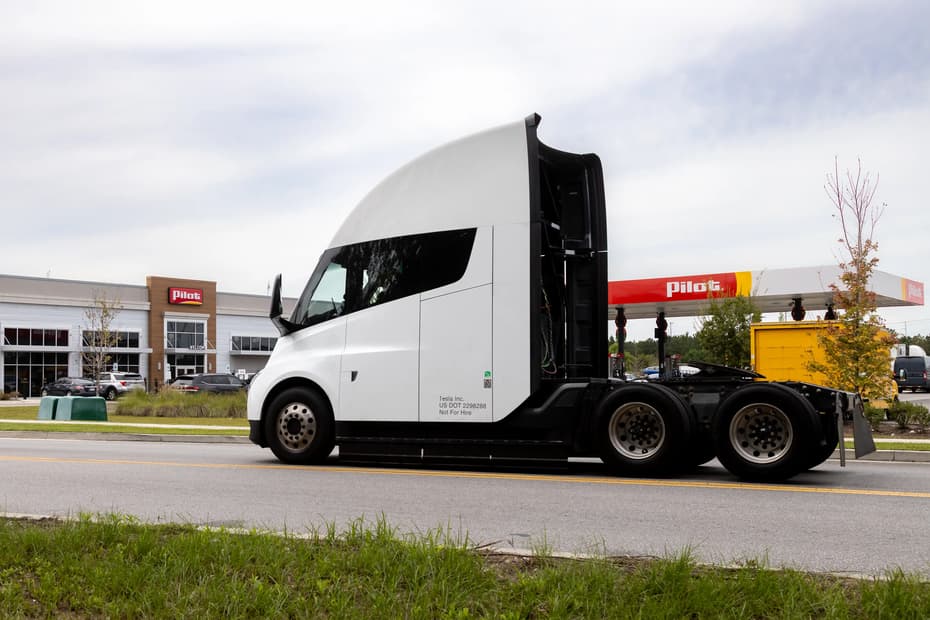
- Tesla also opened the first public **Semi Megacharger (750 kW) in Ontario, California**, expanding ultra-fast charging capabilities that benefit both commercial Tesla Semi trucks and passenger vehicles.
- Importantly, Tesla has begun **lowering Supercharger prices across multiple regions** after record-high rates earlier this year. These price reductions improve Tesla ownership economics, indirectly bolstering used vehicle values by reducing operational costs.
---
### Software Ecosystem Evolution: OTA Support, New Features, and Controversies
Tesla’s OTA software updates continue to be a major factor influencing buyer preferences and resale values, but recent developments highlight a complex landscape:
- Owners of older Tesla models have received **final OTA update notices**, signaling an imminent end to software support. This “sunset” of OTA updates diminishes the desirability and resale value of unsupported vehicles.
- This shift is driving buyer attention toward newer vehicles, particularly the redesigned **2025–2026 Model Y equipped with the Juniper chipset**, which offers improved performance, enhanced repairability, and ongoing OTA feature rollouts.
- Recent software updates on newer models include:
- The **2026.8 update**, which introduced a “comfort braking” feature designed to smooth braking behavior, helping less experienced drivers enjoy a more comfortable ride.
- Targeted **Cybertruck safety software updates** addressing known issues, reflecting Tesla’s effort to respond to regulatory concerns.
- However, some updates have generated controversy:
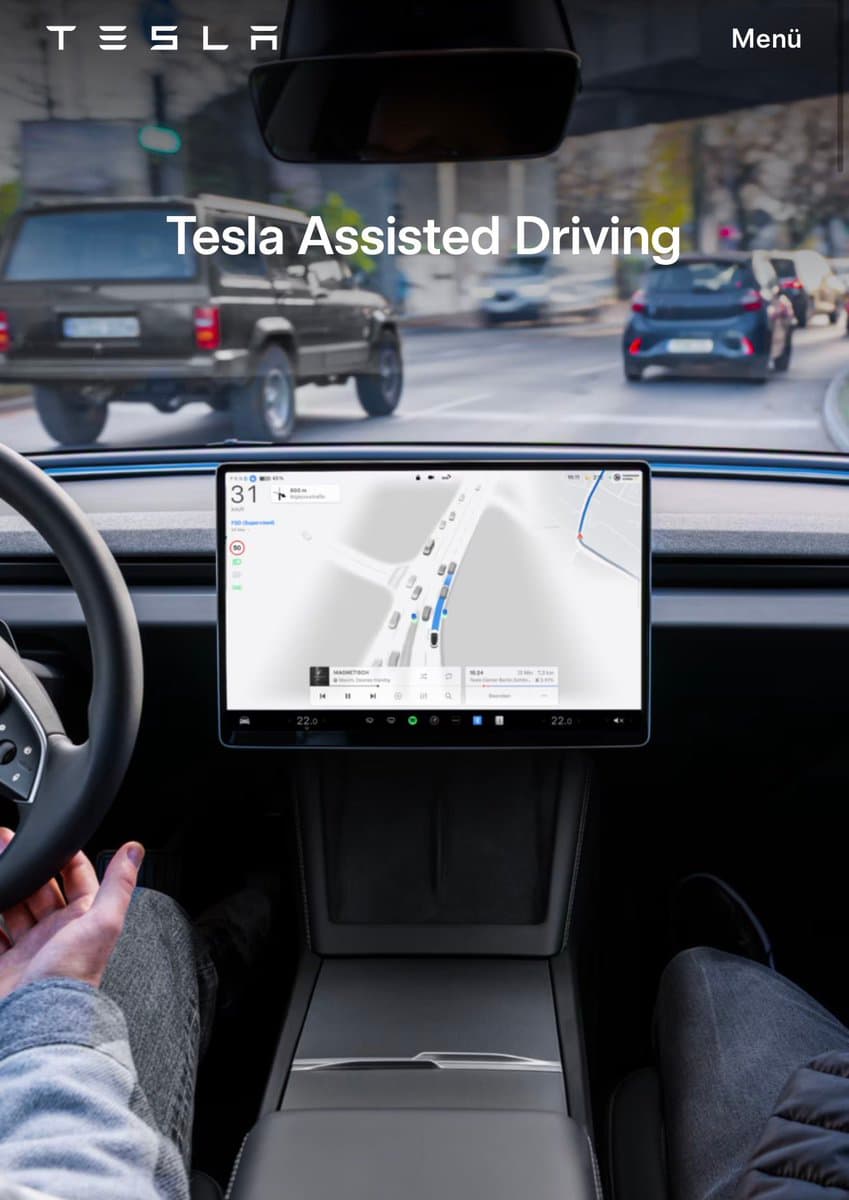
- The **2026.2.9.1 update reportedly removed or altered Autopilot functionality** in certain regions or specific models, causing confusion and dissatisfaction among users and emphasizing the challenges of Tesla’s software management.
- Tesla’s expanding **robotaxi fleet — now approximately 400 vehicles in the Bay Area** — continues to support real-world Full Self-Driving (FSD) development and OTA update refinement, primarily benefiting newer vehicles and enhancing their resale appeal.
---
### Regulatory Scrutiny, Safety Concerns, and Cybertruck Market Volatility
Tesla’s Autopilot and FSD technologies remain under intense regulatory and public scrutiny, directly affecting used vehicle dynamics, especially for the Cybertruck:
- Several high-profile incidents have raised safety alarms:
- A **March 2026 Cybertruck Autopilot near-fall incident in Houston**, which narrowly avoided a catastrophic bridge plunge, has resulted in a **$1 million lawsuit**.
- A **Model 3 running FSD breached railroad crossing barriers**, widely circulated on social media, further intensifying public concern.
- The **National Highway Traffic Safety Administration’s (NHTSA) ongoing probe into FSD** poses potential risks of recalls or operational restrictions, injecting uncertainty into the used market.
- The Cybertruck faces pronounced challenges:
- An active **drive inverter recall** remains unresolved alongside a **silent recall campaign**.
- Two separate **battery fire investigations in California** are ongoing without definitive conclusions.
- Insurance premiums for Cybertruck owners have risen sharply, with more restrictive underwriting terms becoming common.
- A new **lawsuit filed in Texas mid-2026 related to a Cybertruck crash** adds to legal and reputational risks.
- These factors contribute to **marked volatility in Cybertruck resale values** and heightened buyer caution.
---
### Distinct Model-Specific Resale Trends
Tesla’s diverse model lineup exhibits varied resale trajectories shaped by supply-demand dynamics, regulatory risks, and product updates:
- **Model X (2021 and newer):** Continues to hold value well, supported by its luxury positioning, limited supply, and strong brand loyalty.
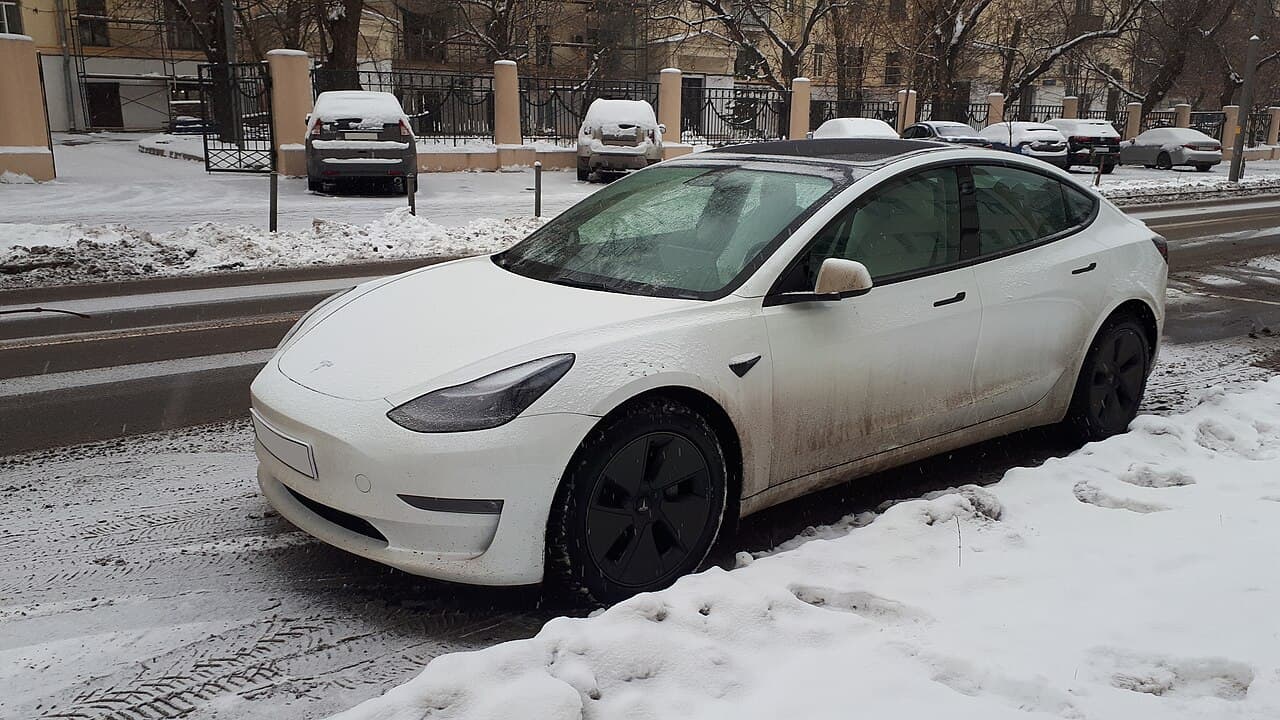
- **Model 3:** Experiences accelerated depreciation, with many units trading below **$20,000**, pressured by aggressive new vehicle discounts and oversupply.
- The **redesigned 2025–2026 Model Y** demonstrates robust resale strength, bolstered by OTA software updates, improved repairability, and favorable insurance rates.
- **Cybertruck:** Exhibits the highest volatility due to ongoing recall issues, safety investigations, rising insurance costs, and emerging legal challenges.
---
### Service Network Expansion and Enhanced Repairability Boost Ownership Confidence
Tesla’s growing service network continues to reduce ownership barriers and bolster used vehicle demand:
- The opening of a new **Kendall showroom and service center in Miami** has improved repair turnaround times and lowered ownership friction, particularly important as Tesla’s fleet matures.
- This enhanced service accessibility complements the burgeoning charging infrastructure, fostering a seamless ownership experience that supports resale value.
- Newer hardware generations, such as the Juniper chipset in the Model Y, benefit from better repairability, further reinforcing retained value.
---
### Emerging Regional and Regulatory Developments
- Tesla successfully **avoided an immediate 30-day sales suspension in California** despite escalating regulatory pressures, allowing continued sales momentum in this critical market.
- In Europe, rising competition from new EV entrants is incrementally pressuring Tesla’s pricing but has yet to significantly erode its used market strength.
- Regional incentives such as California’s **$5,000 EVAP rebate on Model Y RWD** reinforce new vehicle affordability and influence the balance between new and used vehicle purchases.
---
### Strategic Recommendations for Buyers, Sellers, and Investors
Navigating Tesla’s complex and evolving used vehicle market in 2026 requires careful attention to multiple interrelated factors:
- **Monitor regional uptake of Tesla’s 0% APR financing offers**, which may temporarily soften used demand.
- Assess **trim-specific pricing dynamics**, especially the impact of Model Y Performance discounts and Model Y RWD rebate eligibility.
- Confirm **OTA software update eligibility and sunset status** to avoid rapid obsolescence.
- Verify **recall and warranty status**, notably for Cybertruck models facing ongoing investigations.
- Evaluate **insurance premiums and underwriting conditions**, which vary widely by model and geography.
- Leverage the benefits of recent **Supercharger price reductions** and Tesla’s expanding charging infrastructure (Yermo V4, Michigan DTW, city-branded chargers, Semi Megacharger) to improve ownership economics.
- Consider new vehicle affordability improvements when comparing **new vs. used vehicle options**.
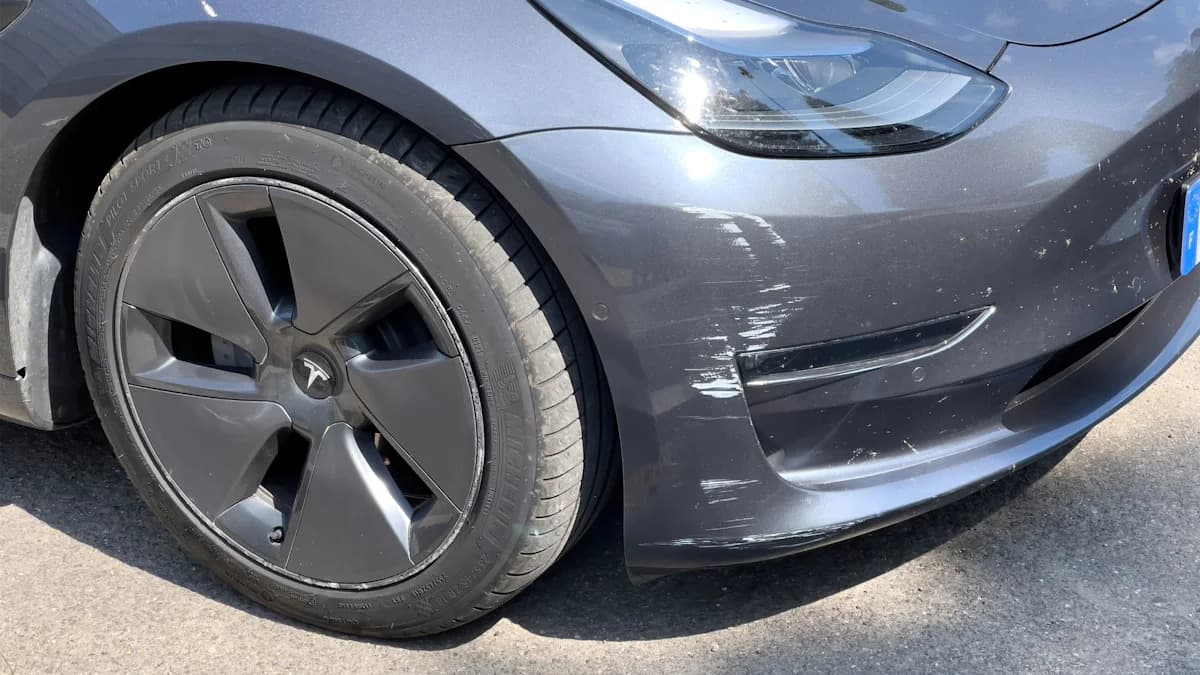
- Conduct thorough vehicle inspections focusing on fit, finish, recall compliance, and anticipated maintenance costs.
- Stay updated on **regulatory developments and safety investigations**, particularly the NHTSA FSD probe and Cybertruck legal cases.
- Account for ongoing **new vehicle supply constraints** driven by Tesla’s robotics and robotaxi priorities, which underpin used market strength.
---
### Conclusion: Tesla’s Used Vehicle Market Remains Opportunity-Rich yet Complex
Tesla’s used vehicle market in 2026 continues to outperform broader EV trends by delivering price appreciation and sustained demand despite sector-wide softness. This resilience is underpinned by constrained new supply, innovative financing options, strategic trim-level pricing, continuous software and hardware innovation, and record investments in charging infrastructure.
Yet, these strengths coexist with significant challenges. Software update sunsets, ongoing recalls, unresolved safety investigations, intensifying regulatory scrutiny—especially around Autopilot/FSD and Cybertruck safety—and rising insurance and legal risks inject complexity and volatility.
Buyers, sellers, and investors who remain vigilant—diligently tracking software compatibility, recall status, financing promotions, insurance pricing, rebate impacts, and regional infrastructure improvements—will be best positioned to navigate this dynamic environment and capitalize on Tesla’s enduring value proposition.
---
### Key Data Highlights
- Used Tesla prices appreciated approximately **4.3%** in 2026 amid broader used EV market declines of about **3.6%**.
- Average new Tesla monthly loan payments exceed **$600**, with emerging 0% APR financing offers up to six years on select models.
- Tesla’s **Yermo V4 Supercharger hub (400 stalls)** nears completion; a larger **430-stall V4 Supercharger** site is planned.
- Michigan DTW Supercharger hub under construction; a new **48-stall Detroit-area Supercharger** is planned.
- Georgia launched its first **city-branded Tesla Supercharger**.
- Ontario, California opened the first public **Tesla Semi Megacharger (750 kW)**.
- Tesla has begun **lowering Supercharger prices** across multiple regions after record highs.
- Final OTA update notices issued for older models, signaling impending software support sunsets.
- Juniper chipset-equipped 2025–2026 Model Ys feature enhanced driving capabilities and improved repairability.
- Two Cybertruck battery fires remain under investigation; active drive inverter recall and silent recall campaigns continue.
- High-profile Autopilot/FSD incidents include the Houston Cybertruck near-fall and Model 3 railroad crossing breach.
- NHTSA’s ongoing FSD probe poses regulatory risks.
- Tesla’s robotaxi fleet has grown to approximately **400 vehicles** in the Bay Area.
- Model-specific resale trends: strong Model X retention, Model 3 depreciation, redesigned Model Y strength, Cybertruck volatility.
- A new Texas Cybertruck crash lawsuit adds legal risk.
- Tesla delivery slowdowns and robotics focus tighten new vehicle supply, sustaining used market pricing.
- Kendall Miami showroom and service center opening enhances service access.
- Emerging 0% financing promotions and Model Y Performance discounts introduce fresh market dynamics.
- Model Y RWD pricing at **$44,990** qualifies for a **$5,000 EVAP rebate**, impacting affordability comparisons.
- Tesla avoided a potential California sales suspension and faces rising competition in Europe.
---
Staying informed about Tesla’s financing offers, software ecosystem evolution, charging infrastructure expansion, regulatory developments, recall status, and strategic priorities remains essential for anyone active in Tesla’s used vehicle market well into 2026 and beyond.