# El Mencho’s Death and the Continuing Resilience of Mexico’s Cartel Networks: Cross-Border Impacts and Political Fallout
The recent reports surrounding the presumed death of Nemesio Oseguera Cervantes, *El Mencho*, leader of the Jalisco New Generation Cartel (CJNG), have ignited a flurry of speculation and strategic recalibration across criminal, political, and security circles. While initial headlines heralded this as a potential turning point in Mexico’s drug war, emerging evidence indicates that the cartel’s infrastructure—particularly its maritime logistics, recruitment networks, and political infiltration—remains remarkably resilient. These developments pose complex challenges for both Mexico and the United States, highlighting the need for a sustained, coordinated response.
---
## The Myth and Reality of El Mencho’s Demise: A Resilient Cartel
Although definitive confirmation of El Mencho’s death remains elusive, intelligence sources and law enforcement reports suggest that the CJNG’s core operations and leadership structures have survived or quickly adapted to his potential loss. This resilience is primarily attributed to the cartel’s sophisticated logistical network, notably its deployment of **narco-submarines**—advanced maritime vessels capable of evading detection across international waters.
### Maritime Innovation and Persistent Supply Chains
An in-depth analysis titled *"Narco Subs Exposed: El Mencho's Pacific Network Survives His Fall"* underscores that the CJNG’s maritime routes have **become more sophisticated and clandestine**, with narco-subs now employing **stealth technology, GPS tracking evasion techniques, and autonomous navigation**. These vessels, some capable of transporting several tons of narcotics, continue to facilitate **uninterrupted drug flows into the United States**, circumventing traditional checkpoints and maritime patrols.
### Shift Toward Rural and Remote Operations
Recent crime mapping by Mexican authorities and investigative outlets like *El País* reveal a strategic shift—cartel operations are increasingly migrating to **less populated rural zones** to avoid law enforcement crackdowns. While urban violence in key cities appears to have decreased temporarily, **drug production and trafficking activities are intensifying** in these new zones, perpetuating violence and instability.
---
## Cross-Border Recruitment and Violence: The Human Cost
In tandem with logistical resilience, Mexican cartels are **intensifying their recruitment of vulnerable youth**, particularly targeting **teenagers in U.S. border states** such as Texas, Oklahoma, and New Mexico. Reports indicate a surge in recruitment efforts—sometimes involving children as young as 14—who serve as couriers, lookouts, or foot soldiers, leveraging **economic hardship, social dislocation, and drug addiction** to expand their ranks.
Simultaneously, traffickers exploit **Mexican resorts like Cancun and Playa del Carmen** as transit points, with shipments moving through established land and maritime corridors into the United States. This cross-border trafficking continues to fuel violent turf wars and increases the risk of violence spilling over into American communities.
### Alleged Corruption and Political Infiltration
Compounding these operational challenges are **allegations of deep infiltration of political and law enforcement institutions** by cartel operatives. Investigations have uncovered **ties between cartel figures and U.S. officials**, fueling fears of compromised investigations and policy paralysis. Notably, recent federal cases, such as the FBI and ICE crackdown on a **$2.8 billion fraud network in Ohio linked to organized crime and connected to a sitting U.S. senator**, exemplify how organized crime extends beyond traditional borders and infiltrates high-level institutions.
A prominent example is the **FBI and ICE operation that dismantled a cartel-linked fraud scheme**, which also uncovered *alleged connections to political figures*, raising concerns about widespread corruption and its impact on national security.
---
## The International and Diplomatic Response: Coordinated Multilateral Efforts
### Formation of a Hemispheric Anti-Drug Coalition
In response to these escalating threats, **Latin American nations and the United States have formed a historic coalition** aimed at dismantling transnational cartel networks. This alliance emphasizes **multilateral intelligence sharing, joint maritime and land patrols, financial sanctions, and targeted interdictions**—covering the entire supply chain from production to distribution.
### Enhanced Maritime and Intelligence Operations
Despite the death or disappearance of El Mencho, **maritime logistics continue to thrive**, thanks to **more advanced narco-submarine technology**. Recent video evidence reveals these vessels are **more stealthy and capable of operating in international waters**, complicating interdiction efforts.
### Regional Shift in Trafficking Patterns
Mexico’s recent crime maps highlight a **strategic move toward rural, less monitored regions**, which serve as new hubs for production and trafficking. While urban violence might temporarily decline, **the overall level of violence and drug flow remains high**, complicating law enforcement efforts.
---
## Law Enforcement and Diplomatic Actions: Ongoing Battles
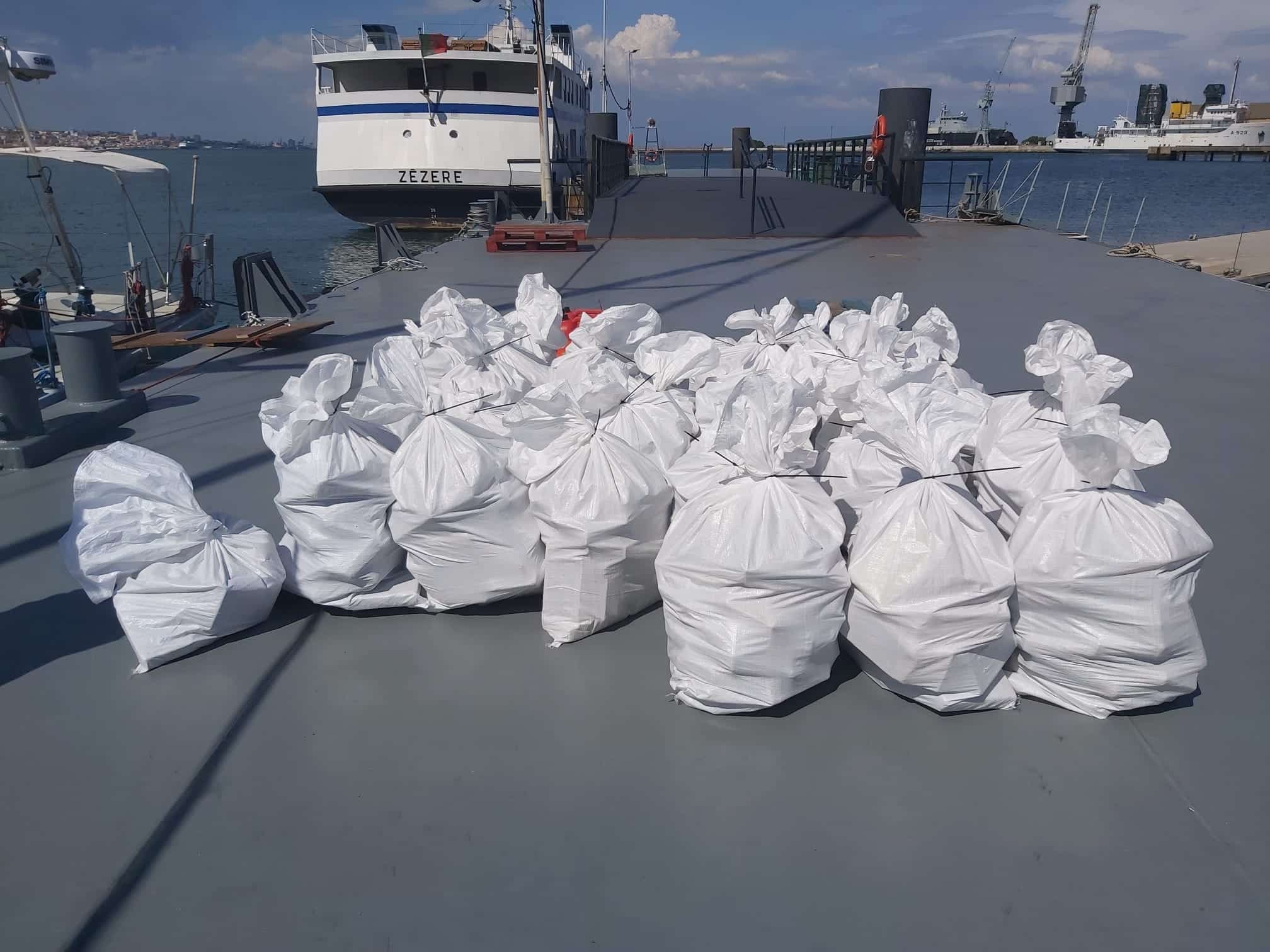
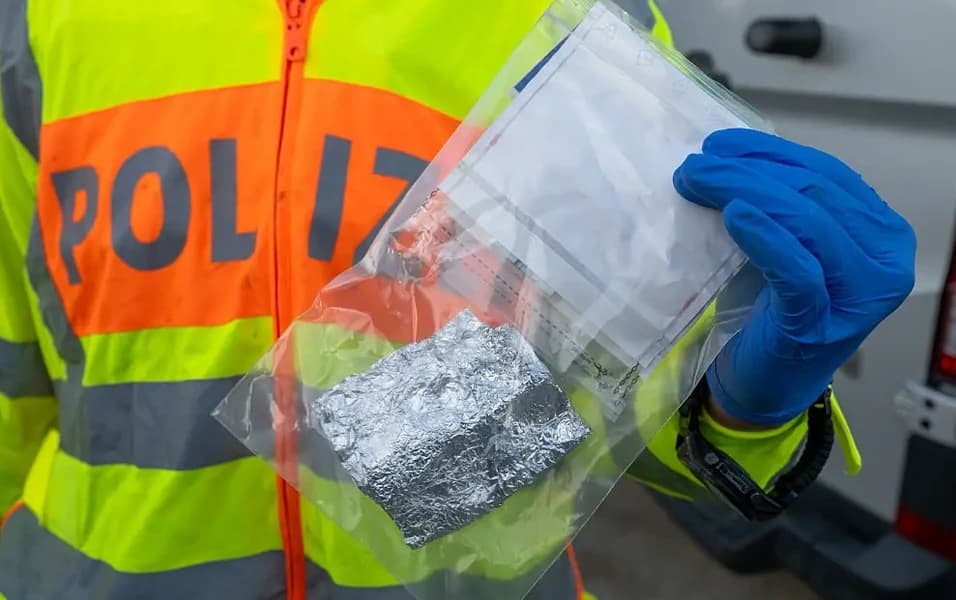
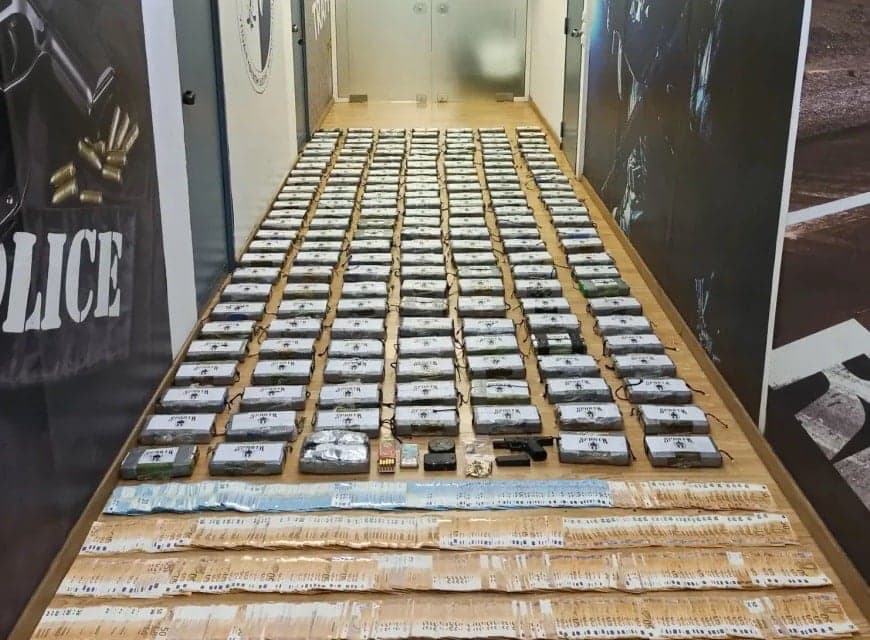
Law enforcement agencies in Mexico and the U.S. continue **raids, seizures, and interdictions**, yet experts warn these are **only short-term setbacks**, given the adaptability of cartel networks. Recent seizures include large quantities of narcotics, weapons, and cash, but analysts caution that **the networks are resilient, often rebuilding quickly**.
Simultaneously, diplomatic efforts are intensifying, with calls for **more aggressive military and intelligence operations** and the establishment of **multinational task forces** to target logistics hubs, financial assets, and political corruption.
---
## The Future Outlook: A Persistent Threat That Demands Coordinated Action
The presumed death of El Mencho marks a significant symbolic moment but **does not herald the end of Mexico’s drug war or the broader organized crime threat**. Instead, cartel networks are **adapting organizationally and technologically**, leveraging maritime innovations, local recruitment, and political infiltration to sustain their operations.
### Key Takeaways:
- **Resilience of CJNG’s maritime logistics** through advanced narco-submarine technology.
- **Shifts in trafficking routes and operational zones** toward rural areas.
- **Escalating recruitment of vulnerable U.S. youth** and exploitation of transnational transit corridors.
- **Deep infiltration of political and law enforcement institutions**, undermining security efforts.
- **International cooperation and coalition-building** are critical to mounting an effective response.
---
## Recent Developments: The Ohio Cartel Case and Political Fallout
A startling development is the **FBI and ICE dismantling of a significant Ohio-based cartel network**, linked to a **$2.8 billion fraud scheme** involving organized crime and a U.S. senator. A YouTube report titled *"FBI & ICE Smash Ohio Cartel Network — $2.8B Fraud Scandal Linked to Senator!"* details how this case exposes the **deep infiltration of organized crime into U.S. political and financial systems**, highlighting the scope and reach of modern transnational cartels.
This case underscores the **urgent need for increased transparency, anti-corruption measures, and international cooperation** to prevent organized crime from compromising democratic institutions and security frameworks.
---
## Conclusion
While the death or disappearance of El Mencho represents a symbolic blow to the CJNG, the broader threat persists, fueled by technological innovation, organizational resilience, and political infiltration. Cross-border violence, recruitment of vulnerable populations, and sophisticated maritime logistics continue to challenge law enforcement and policymakers.
**A comprehensive, multi-faceted approach—combining military, diplomatic, social, and anti-corruption strategies—is essential** to effectively disrupt these networks and restore stability in the region. The evolving landscape demands persistent vigilance, international collaboration, and innovative tactics to confront an adaptable and deeply entrenched criminal ecosystem operating across the Western Hemisphere.