# The Resilient Cartel Networks Post-El Mencho: Cross-Border Challenges and Political Fallout
The presumed death or disappearance of Nemesio Oseguera Cervantes, *El Mencho*, leader of the Jalisco New Generation Cartel (CJNG), marked a significant milestone in Mexico’s ongoing drug war narrative. Initially heralded as a potential turning point, recent developments reveal a far more complex reality: **CJNG’s infrastructure, especially its maritime logistics, recruitment efforts, and political infiltration, remains robust and adaptive**. These realities underscore the persistent and evolving threats that continue to challenge Mexico, the United States, and the broader hemisphere.
---
## The Myth and Reality of El Mencho’s Demise: A Resilient Cartel
While definitive confirmation of El Mencho’s death has yet to surface, intelligence from law enforcement agencies suggests that **the core operations of CJNG have endured or quickly restructured** in response. This resilience is largely attributed to the cartel’s **sophisticated logistical networks**, particularly its use of **narco-submarines**—highly advanced maritime vessels capable of evading detection across international waters.
### Maritime Innovation and Persistent Supply Chains
Recent investigative reports, including *"Narco Subs Exposed: El Mencho's Pacific Network Survives His Fall"*, highlight that **CJNG’s maritime routes have become increasingly clandestine**. These narco-subs now incorporate **stealth technology**, **GPS tracking evasion techniques**, and **autonomous navigation systems**, making interdiction efforts more challenging. Some vessels are capable of transporting **several tons of narcotics** per voyage, facilitating **the continued flow of drugs into the United States** despite heightened maritime patrols.
### Shift Toward Rural and Remote Operations
In addition to maritime ingenuity, **cartel activities are migrating to rural and less monitored zones** in Mexico. Recent crime mapping and investigative journalism by outlets like *El País* reveal **a strategic decentralization**, with drug production and trafficking increasingly concentrated in **remote regions**. While urban violence may temporarily decrease, **these shifts perpetuate violence and destabilize local communities**, ensuring the cartel’s resilience.
---
## Cross-Border Recruitment and Violence: The Human Cost
An alarming trend is the **escalation of recruitment efforts targeting vulnerable populations**, especially **teenagers and young adults in U.S. border states** such as Texas, New Mexico, and Oklahoma. Reports indicate **recruitment of children as young as 14**, who are used as couriers, lookouts, or foot soldiers—exploiting **economic hardship, social dislocation, and addiction**.
Moreover, **transnational transit corridors**—land routes through Mexico’s resort regions like Cancun and Playa del Carmen—continue to facilitate **drug shipments into the United States**, fueling **violent turf wars** and increasing risks of spillover violence into American communities.
### Allegations of Political and Law Enforcement Infiltration
Adding to these operational challenges are **allegations of widespread infiltration** of Mexican and U.S. institutions by cartel operatives. Recent investigations have uncovered **ties between cartel figures and U.S. officials**, raising fears that corruption hampers effective law enforcement and policy responses.
A stark example is the **FBI and ICE operation that uncovered a $2.8 billion fraud scheme in Ohio**, linked to organized crime and *allegedly connected* to a sitting U.S. senator. This case exemplifies **how organized crime extends beyond traditional drug trafficking**, infiltrating financial institutions and political systems, thus complicating efforts to dismantle these networks.
---
## Recent Developments: Multilateral Coordination and New Evidence
### Formation of a Hemispheric Anti-Drug Coalition
In response to these multifaceted threats, **Latin American nations and the United States have formed a historic coalition** aimed at dismantling transnational cartel networks. This coalition emphasizes **intelligence sharing, joint maritime and land patrols, financial sanctions, and interdictions** across the entire supply chain—from production to distribution.
### Enhanced Maritime and Intelligence Operations
Despite the loss or potential loss of El Mencho, **maritime logistics continue to thrive**, thanks to **more advanced narco-submarine technology**. Recent video evidence shows these vessels are **more stealthy and capable of operating in international waters**, heightening the difficulty of interdiction.
### Shift Toward Rural Trafficking Hubs
Mexico’s latest crime maps reveal a **deliberate shift** toward **rural, less monitored regions** serving as **new hubs for drug production and trafficking**. While urban violence may temporarily decline, **the overall flow of narcotics and violence remains high**, underscoring the persistent resilience of these networks.
---
## Law Enforcement and Diplomatic Responses
Recent law enforcement actions, including **raids, seizures, and interdictions**, demonstrate ongoing efforts but **are only short-term setbacks** against highly adaptable networks. For example:
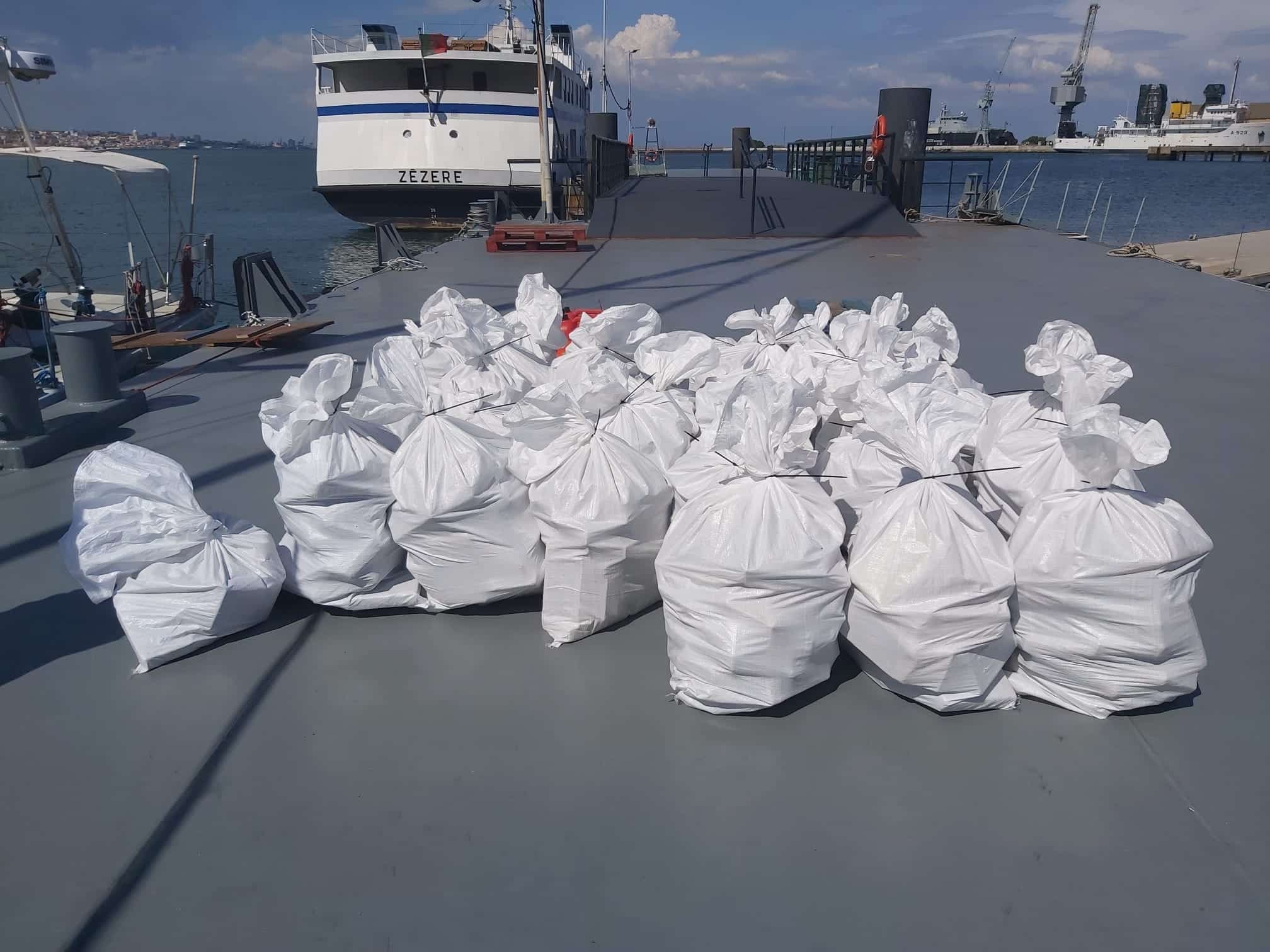
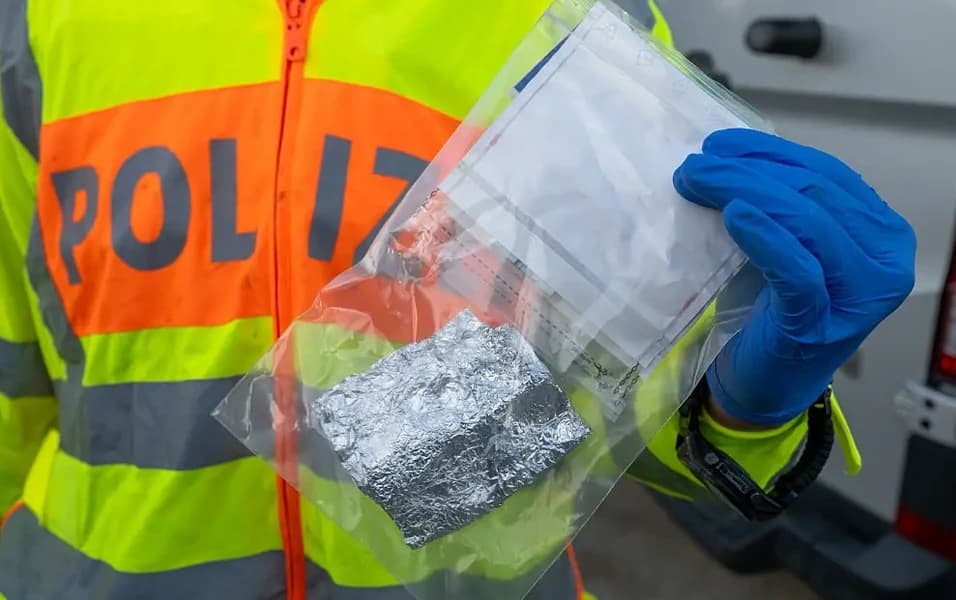
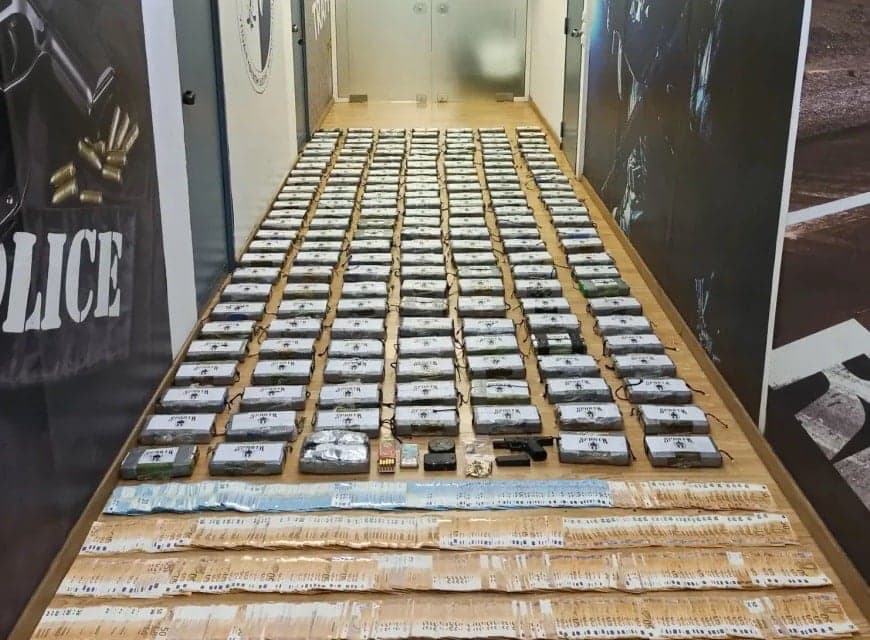
- Large quantities of narcotics, weapons, and cash continue to be seized, yet **networks are quick to rebuild**.
- The recent FBI raid on a major trucking firm in the U.S. exposed **vulnerabilities in logistics**, revealing how **cartel-linked transportation networks** operate across the border.
Diplomatically, efforts are intensifying:
- **Multinational task forces** are being established to target **financial assets, logistics hubs, and political corruption**.
- The focus is on **disrupting the entire supply chain** and **rooting out infiltration** at various levels.
---
## The Ohio Cartel Case and Political Fallout
A particularly revealing recent development is the **FBI and ICE operation that dismantled a major Ohio-based cartel network**, linked to a **$2.8 billion fraud scheme** involving organized crime and, allegedly, a U.S. senator. The case, highlighted in a YouTube documentary titled *"FBI & ICE Smash Ohio Cartel Network — $2.8B Fraud Scandal Linked to Senator!"*, exposes **deep infiltration of organized crime into U.S. political and financial systems**.
Additionally, an FBI raid on a **major trucking company** in the Midwest uncovered **extensive logistics networks** used for drug transportation and money laundering, revealing **vulnerabilities that cartels exploit to sustain their operations** across borders.
This case underscores **the profound implications**: organized crime is **not only a drug trafficking threat** but also a **corrupting influence on democratic institutions**, making **anti-corruption and transparency measures** crucial components of any effective strategy.
---
## Conclusion: A Persistent and Evolving Threat
While El Mencho’s presumed death symbolizes a symbolic blow to the CJNG, **the broader threat endures and has, in many ways, intensified**. Cartel networks have **adapted organizationally and technologically**, leveraging:
- **Advanced maritime logistics** with stealth narco-subs,
- **Shifts in operational zones** toward rural and remote areas,
- **Aggressive recruitment of vulnerable youth** on both sides of the border,
- **Deep infiltration into political and law enforcement institutions**.
These developments demand **a comprehensive, coordinated response**—combining **military, intelligence, diplomatic, social, and anti-corruption strategies**. The recent cases and operational shifts highlight that **the fight against transnational organized crime is ongoing and complex**, requiring persistent vigilance and innovative tactics to safeguard stability and security in the Western Hemisphere.
---
### **Current Status and Implications**
- The resilience of cartel logistics and political infiltration **complicates law enforcement efforts**.
- Cross-border violence and trafficking **remain at high levels**.
- **International cooperation** is more critical than ever to disrupt these evolving networks.
- Addressing **systemic corruption and social vulnerabilities** is essential to weaken recruitment and infiltration.
**The fight continues, and success hinges on sustained, multi-layered efforts that adapt to the changing landscape of organized crime.**