# US–Israel Conflict Exposes Iran’s Limits and Global Power Shifts: New Developments Signal a Turning Point
The ongoing escalation between the United States, Israel, and Iran has entered a critical new phase, revealing both Iran’s strategic vulnerabilities and the shifting dynamics of global alliances. Recent military actions, internal political upheavals within Iran, and the cautious involvement of major powers signal a potential turning point that could reshape regional and international order. As tensions threaten to spill over into a broader conflict, the world watches closely.
## Major Escalation: From Precision Strikes to Regime Shockwaves
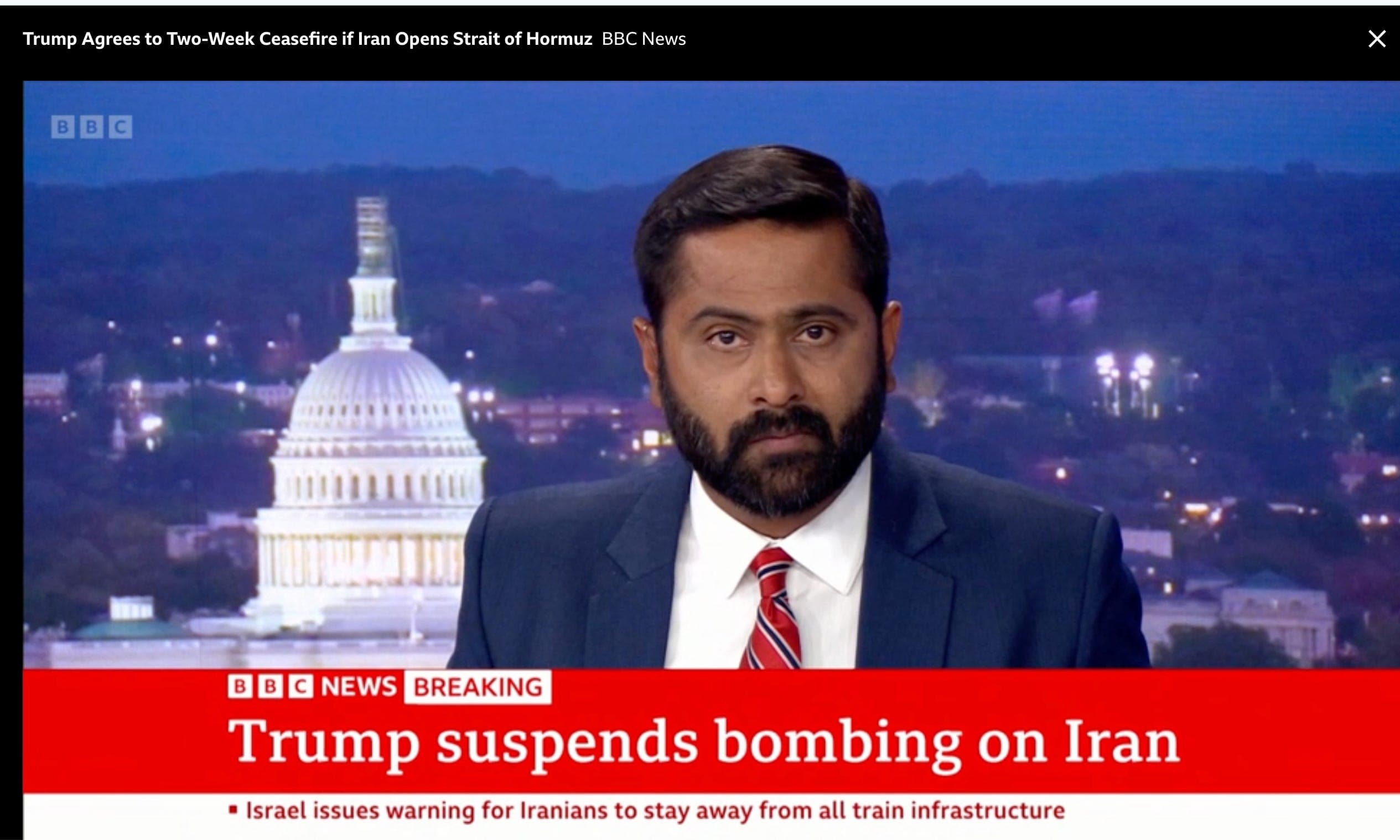
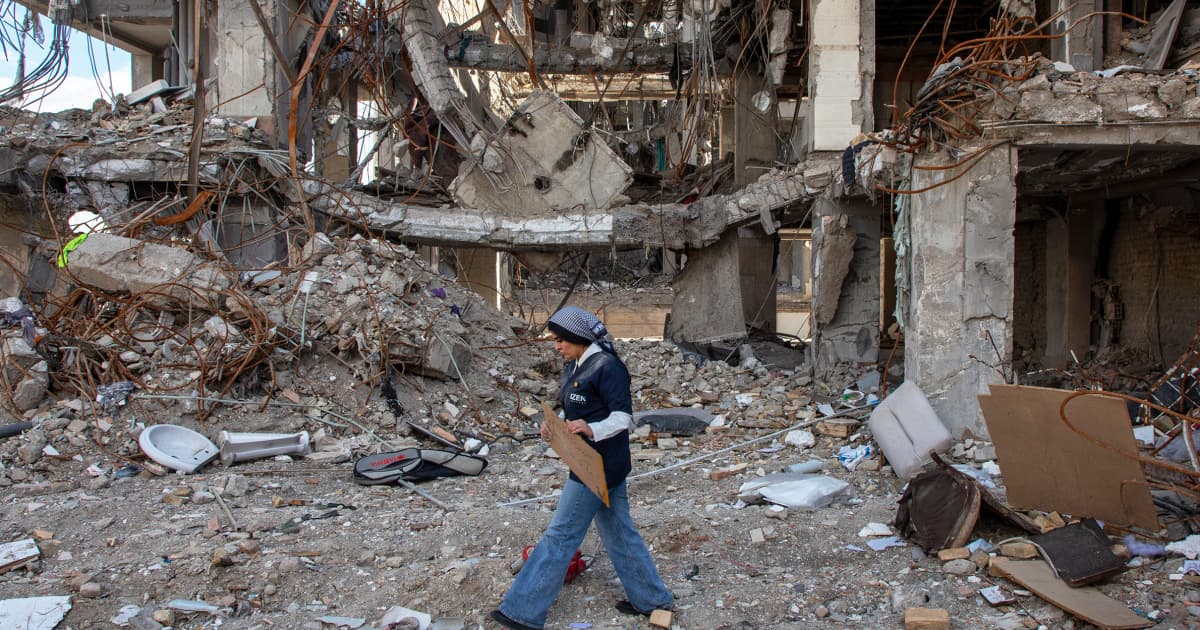
In the past week, the US and Israel have intensified their military campaign against Iran, executing a series of high-impact operations aimed at crippling Iran’s nuclear and military capabilities. These targeted strikes included precision attacks on Tehran’s military command centers and nuclear sites in Isfahan. The assassination of Iran’s Supreme Leader, Qasem Soleimani, marked a dramatic escalation, representing a move from covert operations to overt, high-profile military engagement.
**US officials have signaled that the current wave of strikes will continue with increased intensity, with the US military announcing that “the highest volume of strikes” is expected in the coming days.** This escalation has significantly heightened fears of a wider regional war, especially as Iran’s retaliatory threats—coupled with Israel’s readiness to escalate—risk pulling in allied factions like Hezbollah, Hamas, and various Iraqi militias.
### Immediate Risks of Broader Regional War
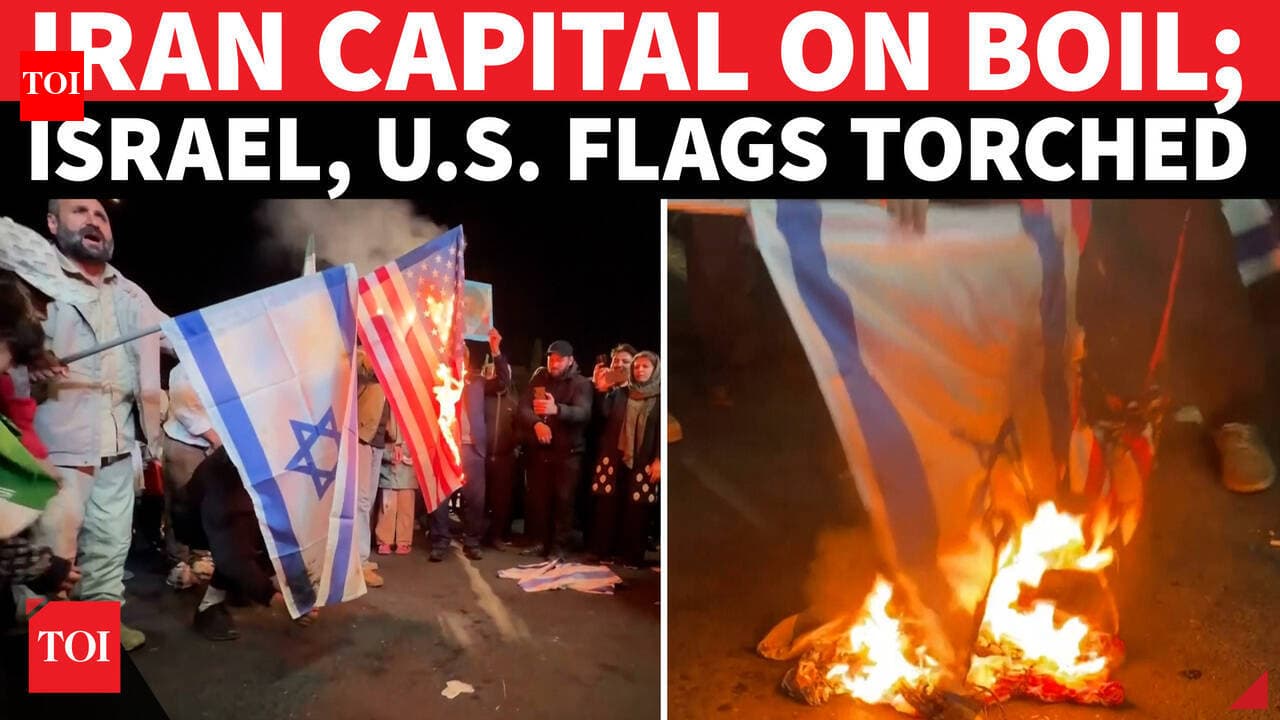
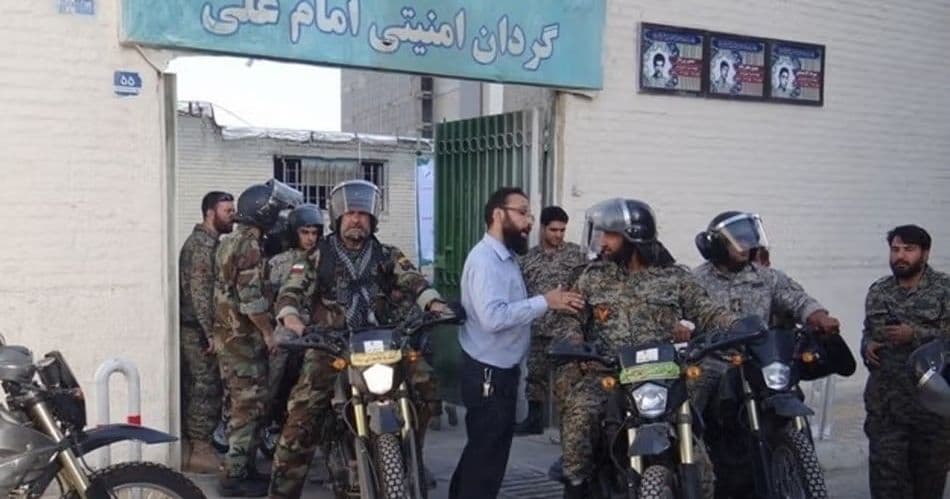
- Iran has issued explicit warnings of revenge, with the IRGC threatening harsher crackdowns on internal dissent and promising retaliatory strikes on US and Israeli targets.
- Israeli Prime Minister Benjamin Netanyahu has issued stern warnings to Iran’s new leadership, stating that **“the government of Iran is fragile, but we will not hesitate to act decisively against threats to our security.”** He further emphasized that if Iran continues its aggressive posturing, **“they will face consequences,”** signaling a willingness for prolonged conflict.
## Iran’s Limited External Support and Internal Political Turmoil
While Iran claims to receive support from Russia and China, recent developments suggest that such backing is more limited and cautious than Tehran portrays. **Russia has reportedly been providing Iran with intelligence support and military supplies, but has deliberately avoided direct military intervention, citing geopolitical constraints and a desire to prevent broader escalation.** This restraint underscores Russia’s cautious approach amid its ongoing conflict in Ukraine and its desire to avoid widening the Middle East crisis.
- **“Moscow’s support remains limited to intelligence sharing and diplomatic backing,”** a Western intelligence source indicated, highlighting Russia’s reluctance to risk a direct confrontation with the West.
- China continues its economic backing, maintaining energy exports and providing technical assistance. However, **analysts note that China’s role is primarily about economic leverage rather than military support**, aiming to avoid provoking Western retaliation.
Internally, Iran faces mounting instability. Widespread protests over economic hardship persist, compounded by internal clashes between President Ebrahim Raisi and the IRGC. Reports indicate that the IRGC is prepared to execute harsher crackdowns if protests reignite, demonstrating internal divisions that could influence Iran’s external military and diplomatic strategies.
### Domestic Unrest and Political Clash
- Economic protests continue to swell, with the regime warning of severe repercussions.
- Tensions between Iran’s president and the IRGC reflect deeper factional divisions, with possible implications for future policymaking.
- Internal instability adds unpredictability, as Iran seeks to balance internal dissent with external retaliation efforts.
## Military Trajectory: Intensification, Risks, and Scenarios
The military landscape is marked by a cycle of escalating strikes and threats. The US military’s announcement of sustained high-volume strikes signals a potential prolonged campaign. Israeli officials have also ramped up rhetoric, with Netanyahu emphasizing that **“regime change remains an option if Tehran continues its nuclear ambitions and support for terrorist groups.”**
However, diplomatic avenues are not entirely closed. Several international actors are calling for de-escalation, recognizing that an extended conflict could destabilize the region further and cause global economic fallout.
### Potential Scenarios
- **Broader Regional War:** Iran’s retaliation could trigger involvement from Hezbollah, Hamas, and Iraqi militias, escalating into a wider conflict that threatens global trade routes and regional stability.
- **Protracted Stalemate:** An ongoing cycle of strikes, combined with diplomatic negotiations, might result in a fragile, Cold War-like situation lasting months or years.
- **Managed De-escalation:** Diplomatic pressure, internal political constraints, and external mediation could eventually lead to a cooling-off period, though current tensions make this outcome less likely.
## Economic and Geopolitical Fallout
The conflict’s ripple effects continue to reverberate across global markets:
- **Oil prices** have surged past $100 per barrel amid fears of disrupted supply chains, intensifying inflation worldwide.
- Countries dependent on energy imports, especially in Europe, are accelerating efforts to diversify sources—investing more heavily in renewables and alternative supplies.
- Gulf states such as Saudi Arabia, the UAE, and Bahrain remain cautious, wary of openly siding with either the US or Iran to avoid regional repercussions.
### Great Power Realignments and Strategic Ambiguity
The crisis underscores broader shifts in global power dynamics:
- **Russia** and **China** are adopting cautious but strategic roles. Russia’s support remains limited to intelligence sharing and diplomatic backing, deliberately avoiding direct military involvement. **“Moscow’s support is cautious, aiming to avoid broader confrontation,”** a Western analyst commented.
- China, meanwhile, continues economic backing, focusing on energy exports and technical assistance, seeking to destabilize the region subtly without provoking Western military responses. **“China’s role is more about economic leverage than military intervention,”** experts highlight.
Meanwhile, Western nations, especially the US and Israel, face mounting domestic pressure to deliver decisive results. Leaders are navigating the risks of mission creep and escalating instability, which could deepen divisions among major powers and complicate diplomatic efforts.
## Recent Political and Social Developments Inside Iran
Amid external hostilities, internal dynamics remain volatile. The NCRI (National Council of Resistance of Iran) reports **“widespread dissatisfaction and protests over economic hardship and the regime’s handling of the conflict.”** Internal clashes between President Raisi and the IRGC are intensifying, raising concerns about Iran’s internal stability.
### Key Developments:
- The IRGC has threatened harsher crackdowns should protests escalate.
- Political elites are experiencing internal power struggles, which may influence Iran’s external posture and decision-making.
- The combination of external conflict and internal unrest creates a complex environment that could either weaken Iran’s resolve or prompt a more aggressive stance.
## Recent Reports and Perspectives
Adding new context, recent reports indicate that **Iran claims Russia and China are providing “military cooperation”**, including intelligence sharing and technical assistance, as detailed by POLITICO. While these claims suggest some level of strategic alignment, Western analysts caution that **these partnerships are limited and cautious, aimed more at economic and intelligence collaboration than direct military intervention**.
Furthermore, critiques of U.S. planning—highlighted in recent commentary and a notable video titled “Administration Prosecutes Iran War Without a Plan”—suggest that the Biden administration’s approach may lack a clear, coherent strategy. The video, which has garnered over 20,000 views, discusses the risks of prolonged military engagement and questions whether current efforts will lead to a sustainable resolution or entrench ongoing instability.
## Current Status and Future Outlook
As of now, the conflict remains largely confined to the Middle East, but the potential for wider spillover persists. The Biden administration continues advocating for diplomacy and regional stability, while Israel remains committed to weakening Iran’s nuclear capabilities and military influence.
**The unfolding crisis has revealed critical truths:** Iran’s vulnerabilities—limited external support, internal fragility, and constrained military options—are increasingly exposed. Simultaneously, global power shifts are accelerating, with Russia and China adopting cautious roles, seeking to maximize their influence without triggering full-scale confrontation.
**Looking ahead, the coming weeks will be decisive.** Whether this escalation spirals into a broader regional or global conflict depends on diplomatic engagement, internal political developments in Iran, and the willingness of major powers to de-escalate or expand their involvement. The international community’s response will be pivotal in shaping the future of regional stability and global order.
---
### **Key Takeaways:**
- **Escalation:** Coordinated US–Israel military strikes, including the assassination of Soleimani, mark a turning point, ending prospects for diplomatic resolution.
- **Limited Support:** Russia and China’s backing remains cautious—focused on intelligence and economic support, avoiding direct military involvement.
- **Internal Iranian Turmoil:** Widespread protests, IRGC threats, and elite political clashes suggest internal instability that could influence external actions.
- **Military Outlook:** Rising strikes and threats indicate either a prolonged campaign or a window for diplomatic de-escalation.
- **Global Impact:** Oil prices soar, inflation accelerates, and regional states remain cautious amidst shifting alliances and great-power competition.
**The international community’s next moves—whether toward diplomacy or escalation—will determine if this crisis deepens into a broader conflict or moves toward resolution. The stakes have never been higher.**