The strategic removal of Nemesio “El Mencho” Oseguera Cervantes in early 2024 marked a watershed moment in the hemispheric campaign against the Jalisco New Generation Cartel (CJNG). Rather than fracturing the cartel’s influence, El Mencho’s elimination has accelerated its fragmentation into rival factions, driving unprecedented violence, succession turmoil, and territorial expansion extending deep into the interior United States. These developments coincide with CJNG’s rapid militarization of drone warfare, integration of advanced maritime trafficking techniques, and increasingly sophisticated financial operations—collectively reshaping the cartel into a resilient, multifaceted threat that challenges traditional law enforcement paradigms across the Americas.
---
### Fragmentation and Violence: CJNG’s Brutal Struggle for Control and Expansion
Since El Mencho’s death, CJNG’s internal cohesion has unraveled, propelling intense factional warfare marked by unprecedented bloodshed and geographic dispersal:
- **Surging Violence in Mexican Heartlands:** The cartel’s splintering has ignited brutal turf wars, particularly across Jalisco and Michoacán. Over **40 Mexican National Guard personnel** have been killed in clashes, with urban centers such as Guadalajara experiencing kidnappings, assassinations, and arson campaigns that have displaced thousands and eroded local governance.
- **Expansion into Interior US States:** CJNG-linked criminal activity has sharply increased in states like **Georgia, the Carolinas, and Tennessee**, regions historically insulated from cartel violence. Law enforcement reports reveal the cartel’s sophisticated drug distribution networks and violent enforcement tactics are complicating interdiction and community safety efforts.
- **Contested Leadership and Succession Battles:** Intelligence sources and investigative reporting expose ruthless rivalries among emerging CJNG factions vying to succeed El Mencho. These power struggles involve strategic alliances and targeted violence, raising concerns about prolonged instability and territorial fragmentation.
- **Emergence of Narco-Terrorism Charges:** Reflecting intensified prosecutorial strategies, recent charges unsealed in California against alleged Tijuana cartel boss René Arzate Garcia—known as “The Frog”—on narco-terrorism grounds signal a broader law enforcement paradigm shift. These charges highlight the growing recognition of cartel violence as not only criminal but terroristic in nature, prompting more aggressive federal responses.
- **Digital Terror and Algorithmic Psychological Warfare:** CJNG has weaponized social media algorithms and disinformation to sow fear and paralysis within affected communities. Coordinated online campaigns amplify terror narratives, disrupt social cohesion, and undermine public confidence in state institutions, complicating stabilization efforts.
---
### Militarized Drone Warfare: AI-Enabled Swarms and Integrated Multimodal Smuggling Networks
CJNG’s drone capabilities have evolved rapidly, transforming UAVs from smuggling tools into sophisticated weapons platforms integrated within complex trafficking networks:
- **Enhanced Payloads and Extended Operational Ranges:** New CJNG drones carry payloads up to **10 kilograms**—including narcotics, firearms, and improvised explosive devices (IEDs)—with stealth-enhanced ranges exceeding **300 kilometers**, enabling covert incursions deep into US airspace.
- **Real-Time ISR and Tactical Coordination:** Live video feeds from drones provide CJNG commanders with dynamic battlefield awareness, enabling rapid resupply, strategic escapes, and precision strikes.
- **AI-Driven Autonomous Swarms:** Experimental deployments of AI algorithms allow coordinated drone swarms to autonomously navigate and overwhelm counter-UAS defenses, marking a novel escalation in criminal drone warfare.
- **Multimodal Network Integration:** These UAVs operate in concert with narco-submarines, terrestrial smuggling corridors, and maritime trafficking operations, creating layered, resilient supply chains that challenge interdiction efforts across air, sea, and land domains.
---
### Maritime Narcotics Interdictions Reach New Heights Amid Technological Innovation
Maritime interdiction efforts targeting CJNG’s increasingly sophisticated trafficking have surged, reflecting expanded trilateral cooperation and cutting-edge detection technologies:
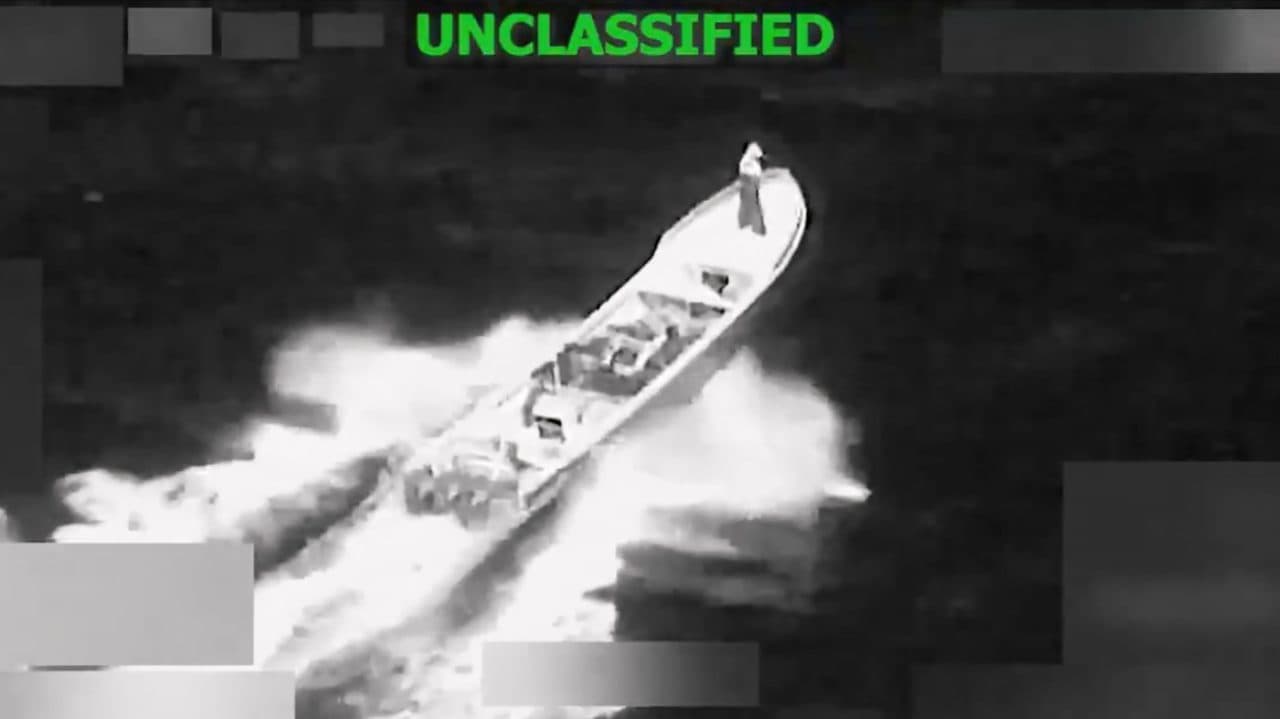
- **Record Semi-Submersible Seizures:** The Mexican Navy’s recent capture of a stealth semi-submersible carrying nearly **4 tons of cocaine** off the Pacific coast underscores trafficking innovation, with vessels employing noise reduction and radar evasion technologies that demand advanced countermeasures.
- **Operation GHOST’s Impact:** The US-Mexico-Central America trilateral task force has seized over **15 tons of cocaine** and detained approximately **200 suspects** by mid-2026, leveraging satellite imagery, drone surveillance, and real-time intelligence sharing.
- **Expanded Caribbean Patrols:** Enhanced collaboration with Jamaica, the Bahamas, Puerto Rico, and other regional partners has increased cocaine interdiction rates by over **25%**, disrupting critical trafficking routes to the US Eastern Seaboard and Europe.
- **Advanced Detection Technologies:** Authorities employ AI-powered underwater sonar arrays and counter-first-person-view (FPV) drone systems to detect stealthy semi-submersibles and nocturnal trafficking, significantly improving interdiction precision and operational reach.
- **Assertive US Military and Coast Guard Operations:** Recent lethal engagements with suspected drug-running vessels in both the Eastern Pacific and Caribbean—such as a notable shootout off Florida involving individuals wanted by Cuba for terrorism—highlight a more proactive US stance, albeit with complex diplomatic and operational challenges.
- **Integrated Intelligence and Financial Fusion:** Maritime seizures are now rapidly linked to financial investigations, utilizing satellite data, cyber intelligence, and analytics to systematically target the trafficking networks’ operational and economic foundations.
---
### Intensified Financial Disruption and Transnational Enforcement
CJNG’s financial networks have come under unprecedented pressure from enhanced forensic, judicial, and regulatory efforts spanning the Americas and Europe:
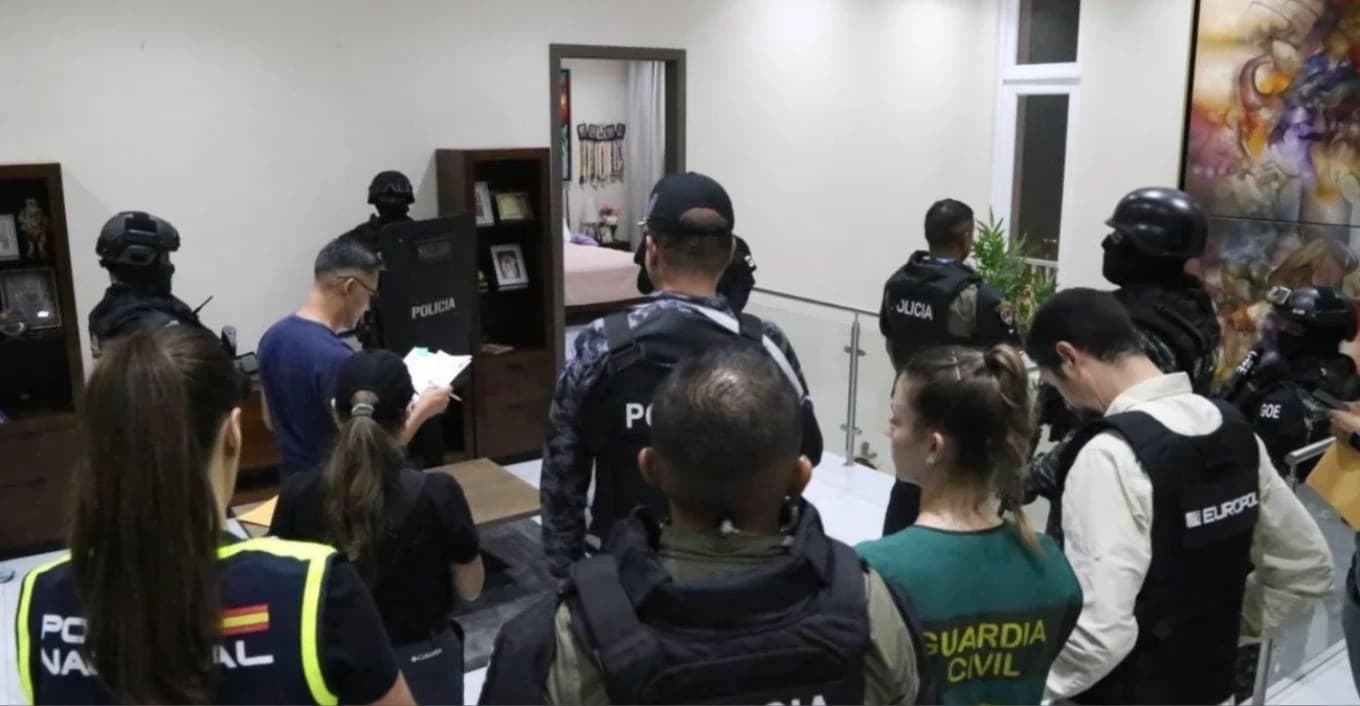
- **Eurojust’s Transatlantic Operations:** Eurojust has led historic investigations exposing cocaine money laundering through European banking systems, revealing intricate transatlantic criminal financial webs.
- **Massive Cryptocurrency Asset Seizures:** In 2026 alone, authorities confiscated over **$1.3 billion in cryptocurrency assets** tied to cartel activities, demonstrating advancements in digital forensic capabilities and international AML cooperation.
- **Landmark Legal Actions Against Crypto Ecosystems:** Massachusetts’ lawsuit against Bitcoin Depot, a crypto ATM operator allegedly facilitating cartel money laundering, signals a novel front in disrupting digital financial infrastructures that undergird trafficking.
- **Continued Swiss and Luxembourg Bank Raids:** Recent raids on the Luxembourg offices of Swiss private lender EFG Bank over suspected AML breaches linked to cartel proceeds emphasize intensified transnational enforcement. These actions reinforce a growing trend of targeting financial enablers to degrade cartel resilience.
- **Localized Tactical Arrests:** The apprehension of a suspected CJNG scout near Yuma, Arizona, found hiding in remote terrain, reflects ongoing pressure on fragmented factions and their logistical networks within US interior states.
- **Strengthened Judicial Collaboration:** Coordinated prosecutions and asset recovery efforts spearheaded by Eurojust underscore the critical role of cross-continental judicial synergy in dismantling cartel financial infrastructure.
---
### Policy and Operational Responses: Scaling Binational and Regional Countermeasures
In response to CJNG’s evolving threats, US, Mexican, and regional partners have intensified coordinated countermeasures across multiple domains:
- **Layered Counter-UAS Deployments:** Border hotspots including El Paso, southern Arizona, and South Texas now feature integrated radar systems, signal jammers, and interceptor drones to detect and neutralize hostile UAVs. The Mexican Navy similarly employs drone surveillance on Pacific maritime patrols targeting narco-submersibles.
- **Targeted Raids and Infrastructure Disruption:** Intelligence-driven operations have dismantled several CJNG drone manufacturing and launch facilities, critically degrading cartel UAV capabilities.
- **Revised Airspace and Drone Regulations:** The FAA has introduced temporary **no-fly zones** and updated drone policies in sensitive border areas to balance security imperatives with civilian aviation needs.
- **Enhanced Binational Leadership and Coordination:** Recent US-Mexico defense and law enforcement summits have prioritized intelligence sharing, joint counter-drone technology development, and streamlined operational protocols. Texas Governor Greg Abbott’s authorization of expanded Department of Public Safety deployments incorporating advanced counter-UAV technology exemplifies regional political commitment.
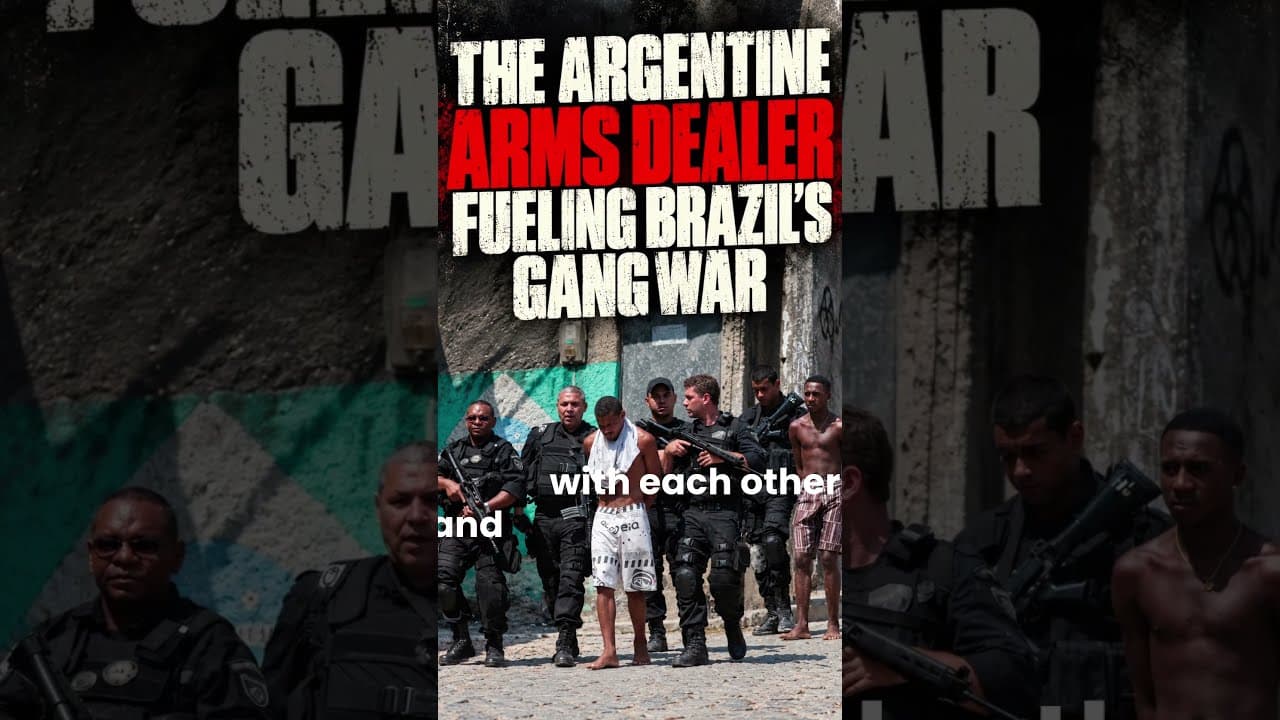
- **European Commission Firearms Trafficking Initiative:** On February 26, 2026, the European Commission proposed stricter firearms trafficking regulations targeting illicit arms flows to Latin American criminal groups such as CJNG. This initiative seeks to complement drug interdiction and financial disruption efforts, acknowledging the multidimensional nature of cartel-enabled violence.
---
### Broader Crime and Political Violence Context
CJNG’s fragmentation occurs amid evolving transnational crime patterns and governance challenges:
- **Cross-Border Criminal Alliances:** Emerging alliances spanning national boundaries complicate law enforcement efforts, especially in interior US states newly exposed to cartel influence.
- **Political Violence in Latin America:** Ongoing judicial proceedings in Brazil concerning the 2018 murder of Rio de Janeiro city councilwoman Marielle Franco underscore the persistent intersections of organized crime, political violence, and governance deficits, highlighting the societal costs of entrenched criminal networks.
---
### Strategic Imperatives Ahead of the 2026 FIFA World Cup
With Mexico co-hosting the 2026 FIFA World Cup, multidimensional security strategies are paramount to safeguard millions of visitors and national interests:
- **Sustained Investment in Advanced Technologies:** Continued funding for radar, sonar, electronic warfare, and AI-enhanced detection systems is critical to counter stealth UAVs, narco-submarines, and sophisticated maritime traffickers.
- **Deepened Multilateral Intelligence and Judicial Cooperation:** Building on intelligence fusion successes exemplified by El Mencho’s capture, expanded coordination among US, Mexican, and regional military, law enforcement, and judicial entities is vital for synchronized interdiction and prosecutions.
- **Expanded Financial Targeting and AML Enforcement:** The crypto asset seizures and Eurojust-led investigations illustrate the importance of attacking cartel financial networks to erode operational sustainability.
- **Governance Strengthening and Humanitarian Support:** Operational gains must be complemented by anti-corruption measures, governance reforms, and programs addressing displacement and insecurity stemming from cartel violence.
- **Event-Specific Security Coordination:** Urban stabilization, securing transit corridors, and countering drone threats will be pivotal to ensuring public safety and the overall success of the World Cup.
---
### Conclusion
The post-El Mencho era has not weakened CJNG but transformed it into a fragmented, technologically advanced, and geographically dispersed criminal enterprise that poses an evolving, multidimensional threat across the Americas. The cartel’s militarized drone warfare, integrated multimodal trafficking networks, innovative digital terror tactics, and expansive financial operations underscore its adaptability and resilience.
Noteworthy advances—including expanded binational counter-UAS deployments, record maritime interdictions via trilateral task forces, groundbreaking Eurojust financial probes, intensified AML enforcement actions such as the recent EFG Bank raids, and the European Commission’s firearms trafficking regulations—reflect significant progress in confronting these challenges. Nevertheless, as Mexico approaches a globally significant event in 2026, sustained investment in technology, intelligence fusion, financial disruption, governance reforms, and coordinated event-specific security planning remain essential to mitigate the complex threat posed by CJNG and affiliated criminal enterprises throughout the hemisphere.