4h ago
Solar Flare: Knowns and Uncertainties for Saucier
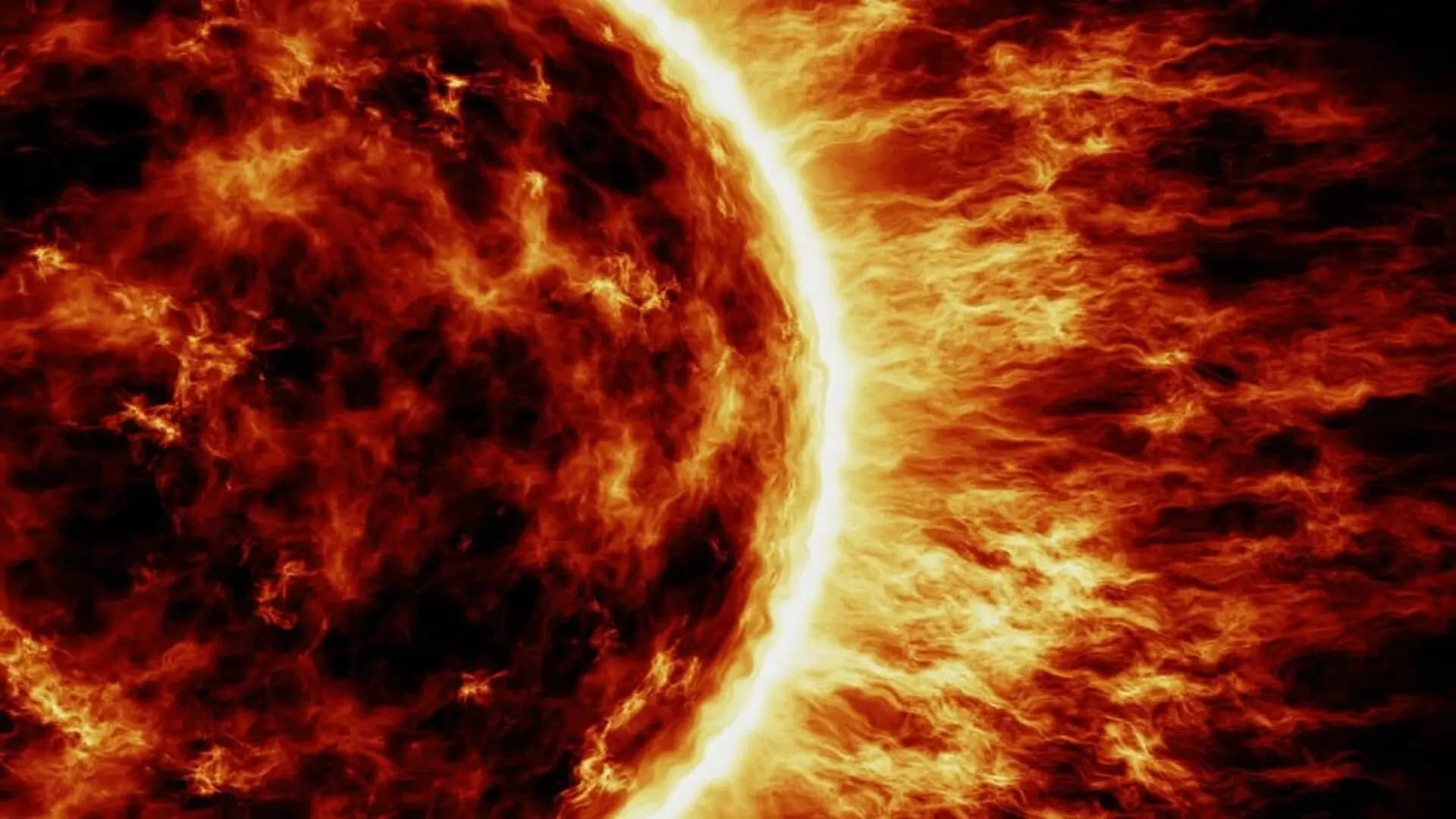
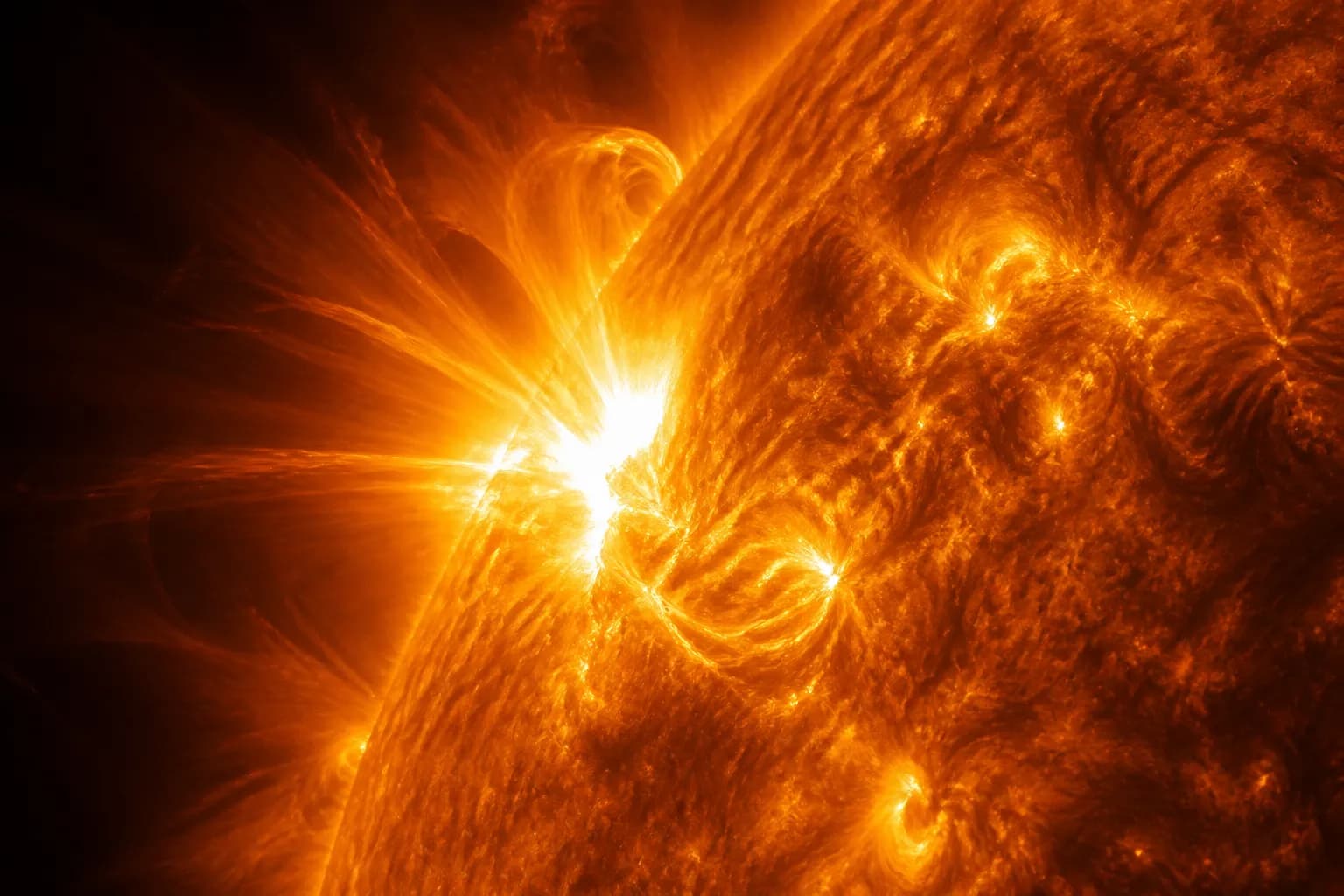
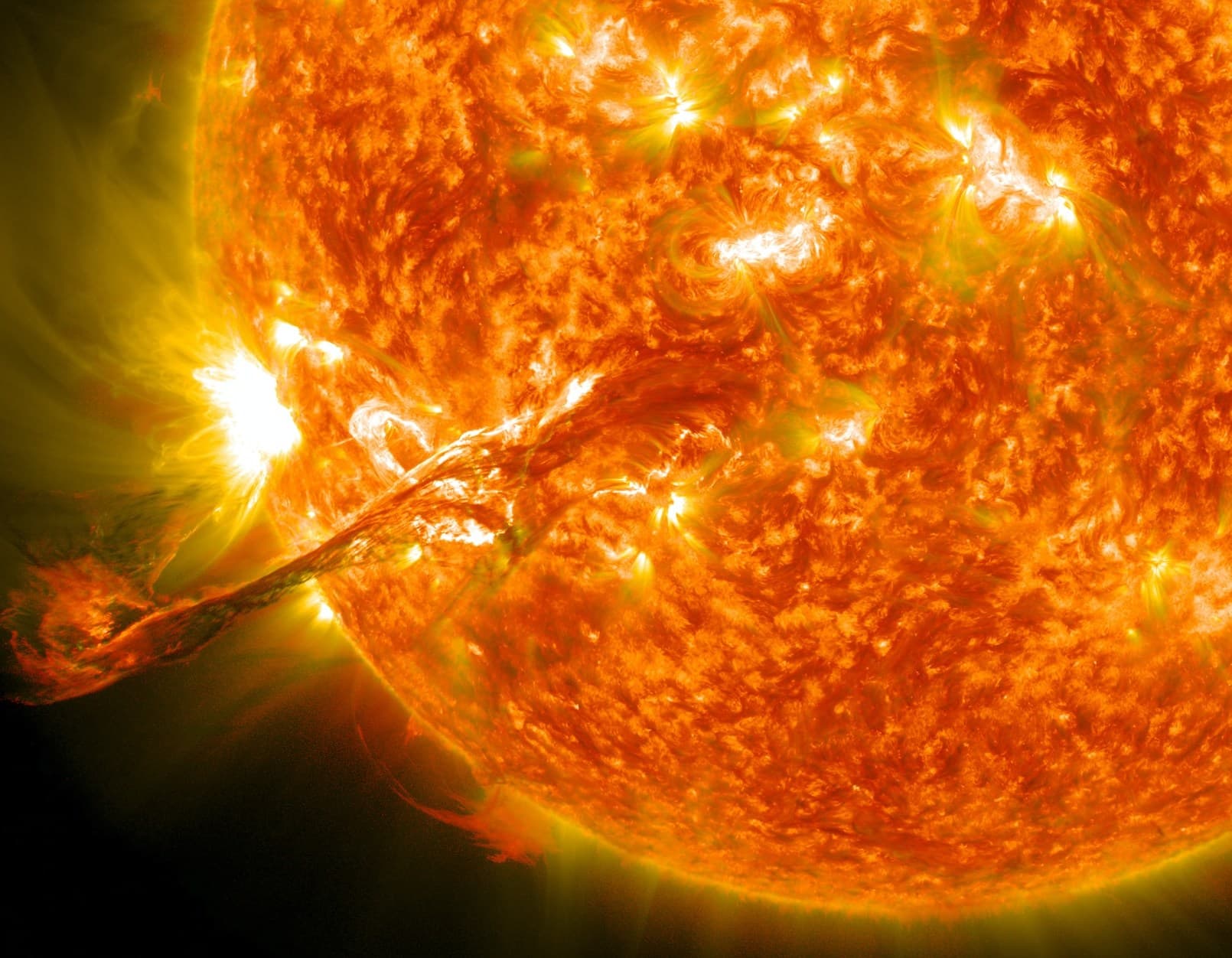
An M1.4 flare from AR4549 on Oct. 6 launched a CME, with coronal dimming confirming ejection. NOAA models point to possible arrival near 1 a.m. EDT...
Created by Susan Beech
Real‑time hazard alerts and practical safety advice for earthquakes, solar events, extreme weather
Explore the latest content tracked by Global Hazard Watch
An M1.4 flare from AR4549 on Oct. 6 launched a CME, with coronal dimming confirming ejection. NOAA models point to possible arrival near 1 a.m. EDT...
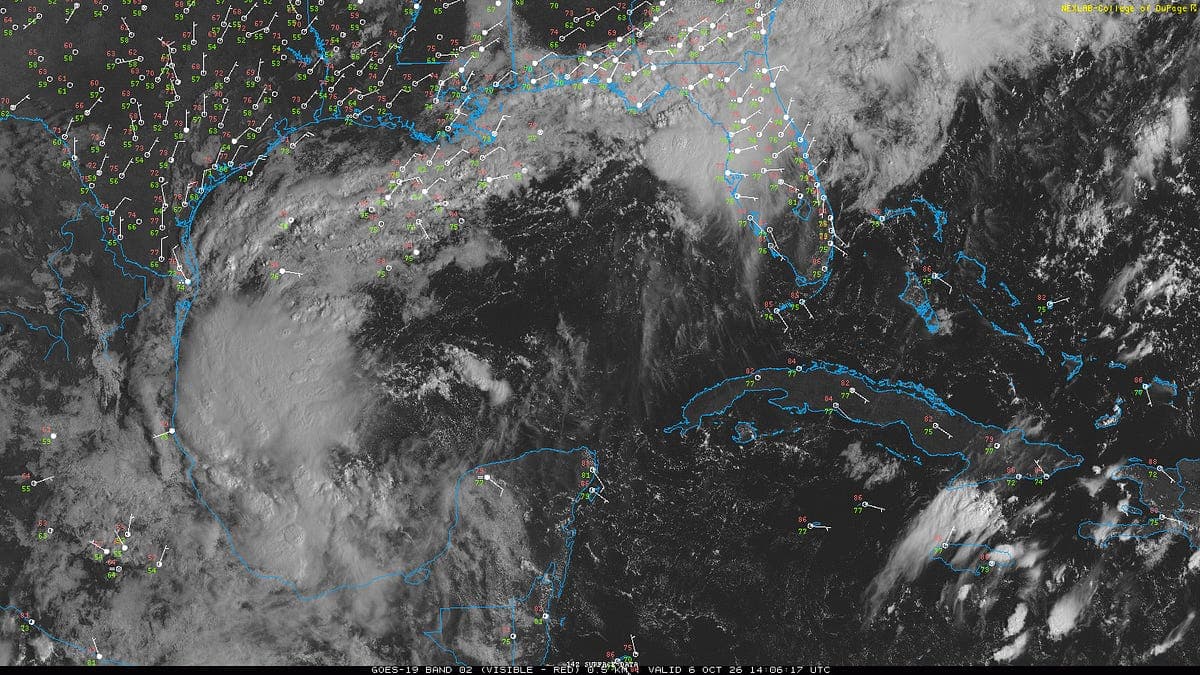
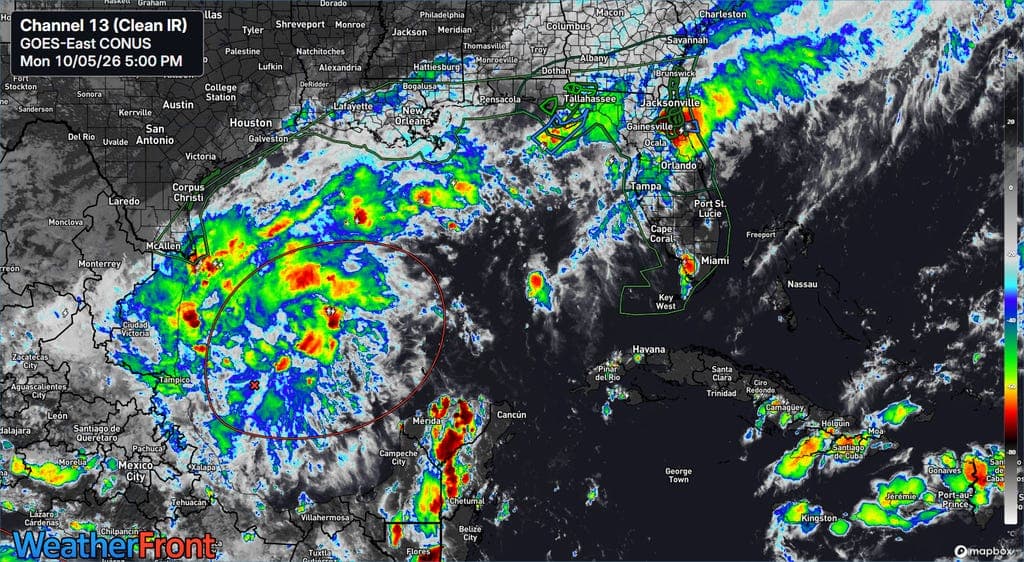
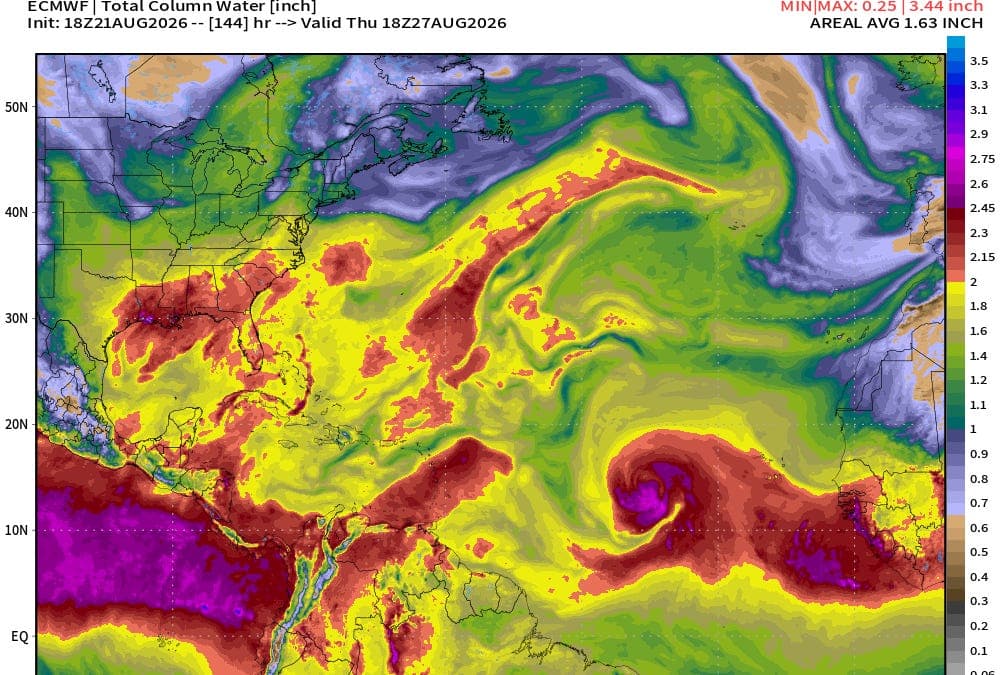
WeatherTiger warns Gulf Coast residents from eastern Louisiana to the Florida Panhandle to prepare now for torrential rain and possible surge, wind,...
Madison's new Community Resilience Hubs deliver safe local spots during severe weather, extreme temperatures, power outages, flooding, and poor air...
NOAA weather radios deliver alerts without cell signal or power, sounding alarms at 2 a.m. for tornado warnings when phones are dead or silent and...
Rising Gulf development risk demands early Saucier-area attention. Heavy rain and flash flooding are likely this weekend regardless of...
EarlyDetect AI detects solar active regions 9.24 hours before they appear, potentially giving satellite operators and grid managers extra time to...
An M6.9 flare erupted Aug 25 from sunspot 4513, launching a CME that may graze Earth Aug 28 while a high-speed solar wind stream arrives Aug 27.
-...
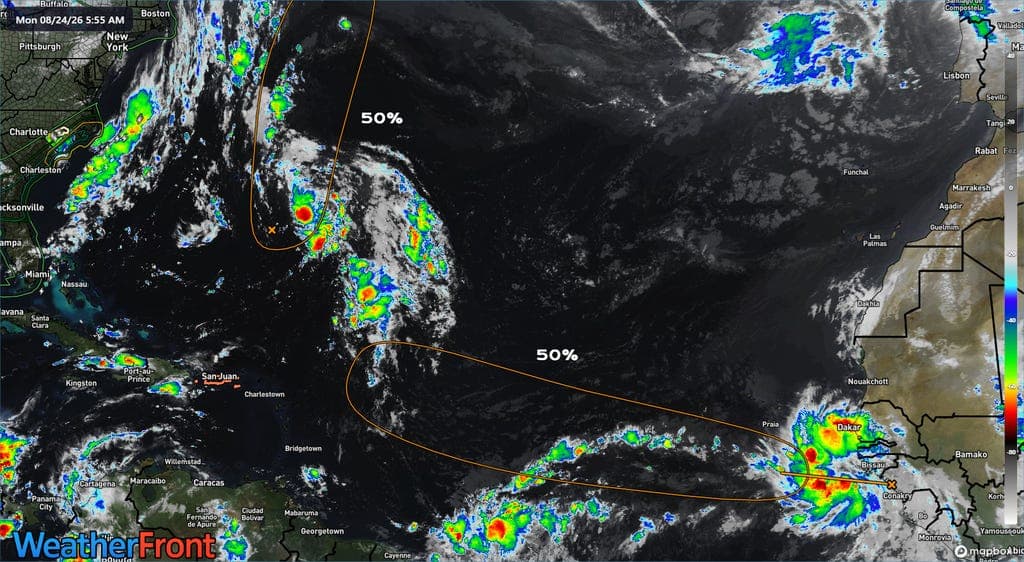
The Atlantic is getting busier with two disturbances monitored, yet hostile conditions from wind shear, dry air, and ongoing El Niño make development...
New data reveal CMEs can hide fast-moving Earth-directed components missed from our viewpoint, so Saucier residents should treat space weather alerts with extra caution and maintain emergency plans for potential grid or comms disruptions.
A record 17 spacecraft tracked a December 2024 CME with two asymmetric lobes—one fast toward Earth at 522 miles per second, the other slower at 332...
Geomagnetic conditions stayed quiet on Aug 22 with Kp at 1.0 and no significant coronal holes. Sunspot 4513 carries a delta magnetic field that could produce X-class flares, though current solar wind and flare levels remain low.
A complex CME with an irregular shape slipped past Earth-based monitors, but was caught by Europa Clipper's PIMS instrument, exposing a dangerous gap...
Solar Cycle 25 has already outpaced forecasts with 31% more daily sunspots than Cycle 24, exposing limits in traditional models that rely on past...
A filament eruption on August 14 sent a glancing-blow CME toward Earth, due to arrive today and spark G1-G2 conditions. SOLAR-1, now fully operational...
Solar activity remained low with a C8.2 flare launching a CME now under analysis for any Earth-directed effects. A separate filament CME is due 17-18...