# Growing Influence and Turbulence of the Pro-Trump Movement in 2026: A Deepening Crisis
As 2026 unfolds, the pro-Trump faction continues to solidify its influence across American political, legal, and societal spheres, pushing toward an increasingly authoritarian vision of governance. Its strategic efforts to embed loyalists into state and federal institutions, coupled with aggressive legal maneuvers and incendiary messaging, reveal a movement striving to reshape the fabric of American democracy. Meanwhile, mounting internal divisions, legal pressures, and societal tensions threaten to fracture the movement from within—placing the nation at a pivotal crossroads.
## Strategic Expansion: Embedding Loyalists and Reshaping Power Structures
### State-Level Control and Election Interference
Pro-Trump advocates have escalated their campaign to influence electoral processes by installing loyalists into key state offices, aiming to **undermine the legitimacy of election results** unfavorable to their interests.
- **Arizona:** In the wake of Donald Trump’s endorsement, Karrin Taylor Robson withdrew from the gubernatorial race, clearing the path for Trump-aligned candidates. These appointments form part of a broader blueprint to **gain control over election administration**, including placing loyal election commissioners and legislative leaders capable of **influencing vote certification**. Such control aims to **cast doubt on election results** and **potentially reverse outcomes**, creating a climate ripe for contested elections and public distrust.
- **Other States:** Similar efforts are underway in Georgia, Michigan, and Pennsylvania, where loyalists now oversee vote counts and election procedures. These officials are often tasked with **implementing measures that suppress opposition votes** or **question election integrity**, deepening societal divisions and laying legal groundwork for **election disputes**.
### Federal Agency Infiltration and Policy Enforcement
The movement’s ambitions extend to federal institutions, with efforts underway to **embed loyalists within agencies such as DHS, FBI, and CIA**. Reports indicate attempts to **influence the sharing of classified intelligence** with Trump’s legal team, risking **sources’ exposure** and **undermining agency independence**.
Simultaneously, moves to **restrict legal protections for federal employees** aim to **protect Trump allies** and **resist institutional resistance**, further fueling **polarization within law enforcement and intelligence sectors**. These actions erode **agency neutrality** and **advance an authoritarian drift**.
## Escalating Legal Battles and Judicial Resistance
### Court Rejections and Investigations
The judiciary continues to **push back against Trump’s legal defenses**, with multiple **emergency appeals denied** at both Supreme Court and lower courts. Recent developments include:
- The Georgia investigation into Trump and Mark Meadows, which unveiled **extensive communications** suggesting **coordinated efforts to influence the 2020 election**. These revelations **heighten criminal jeopardy** for Trump and his associates.
- During recent court hearings on Georgia indictments, Trump **stormed out after judges voted for his removal**, exemplifying **defiance toward judicial authority**. Viral videos, such as "Trump STORMS OUT after Judges Vote for His REMOVAL," have amplified perceptions of **deepening rifts with the judiciary**.
### Legal Strategies and Transparency Challenges
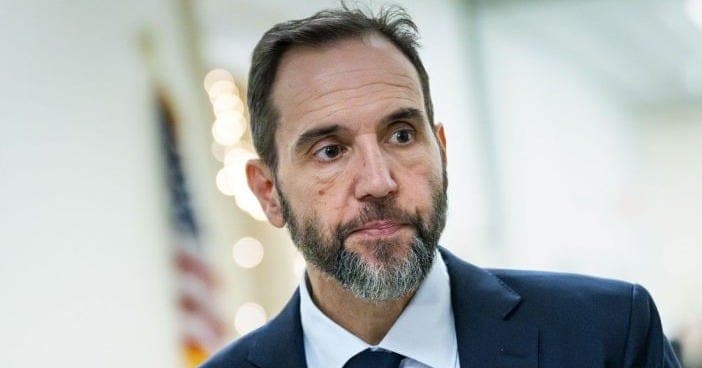
Trump’s use of **lawsuits to delay investigations** continues, aiming to **galvanize supporters and buy time**. On a broader front, a **federal judge recently blocked the release of Special Counsel Jack Smith’s report** on Trump, **limiting public access** to potentially damaging disclosures and **further complicating transparency efforts**.
The Department of Justice’s reliance on **grand juries** signals an increasingly **aggressive stance** toward holding Trump and his allies accountable for **election misconduct** and other legal liabilities.
## Political Signaling, Campaign Rhetoric, and Policy Moves
### Mobilization through Patriotic Messaging
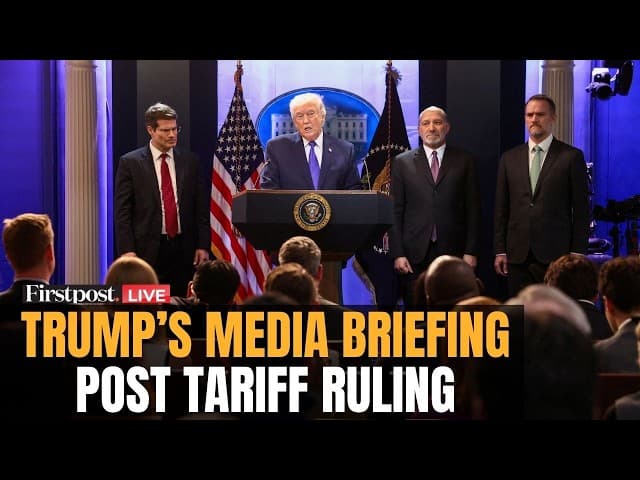
Trump’s recent State of the Union (SOTU) address and campaign speeches serve as platforms to **energize supporters and frame the movement’s narrative**:
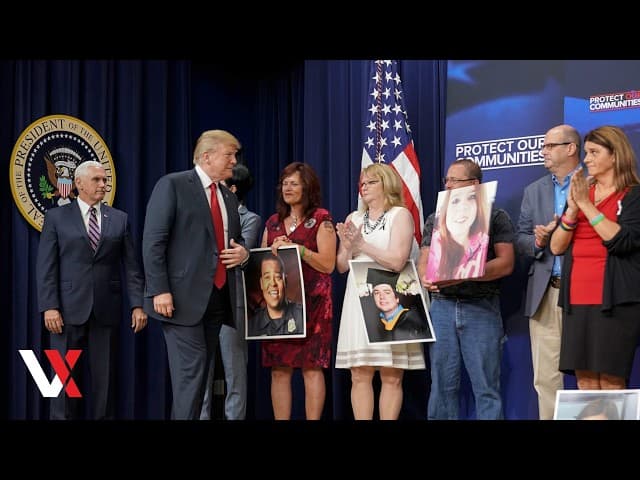
- During the SOTU, Trump emphasized **"Angel Families"**, highlighting crime and illegal immigration—an emotional appeal aimed at **bolstering law-and-order themes** and **mobilizing his base**.
- He **pledged to implement nationwide voter ID laws**, as highlighted in a recent campaign video titled **"Trump Pledges Voter ID for Midterms Nationwide"**. This move signals an intent to **further restrict voting rights** and **centralize electoral control**, potentially setting the stage for **electoral disputes** in upcoming contests.
### incendiary rhetoric and campaign messaging
Trump’s rhetoric continues to **foster fears of chaos and illegitimacy**, emphasizing themes of **sovereignty, border security, and election integrity**. Campaign videos and speeches aim to **maintain support among hardline voters** and prepare for **contested elections**.
## Federal–State Conflicts and Enforcement Measures
### Federal Overreach and State Resistance
The administration is actively **pushing expanded immigration enforcement policies**, including **broadening ICE’s detention powers**, which risks **civil liberties violations** and **racial profiling**. Recent moves include **lawsuits against states like New Jersey**, which have enacted restrictions on federal immigration arrests, exemplified by the **Trump administration’s lawsuit against New Jersey** over a state order prohibiting federal immigration agents from making arrests without warrants.
- These legal actions **intensify constitutional tensions**, especially as states resist federal directives, potentially leading to **federal–state conflicts** and **constitutional crises**.
- Kansas, for example, is resisting federal efforts requiring proof of citizenship for voting, illustrating **state-level pushback** that could challenge **federal authority** and **trigger legal battles** over voting rights and sovereignty.
## Societal Risks: Civil Liberties, Violence, and Social Unrest
### Rising Tensions and Potential for Violence
The movement’s incendiary rhetoric, combined with aggressive policies, **heightens fears of unrest or violence**:
- Trump has **warned of “taking states hostage”** if they oppose federal oversight, signaling **willingness to employ coercive tactics** against state resistance.
- Campaigns targeting agencies like the IRS and Treasury involve **lawsuits and accusations of “deep state” corruption**, fueling distrust and **mobilizing radical elements**.
- The **combination of inflammatory language, legal setbacks, and claims of election illegitimacy** continues to **amplify societal tensions**, with the potential for **protests, rallies**, or **violent clashes**.
### Civil Liberties and Enforcement Policies
Recent initiatives include **expanding ICE detention powers**, risking **civil liberties violations** and **racial profiling**. Viral videos such as **"US Immigration Crackdown: Trump’s New Policy Puts Refugees At Risk Of Indefinite Custody"** depict moves toward **authoritarian enforcement**.
Policies allowing **indefinite detention of legal refugees** have sparked protests and social unrest, illustrating **the movement’s push toward authoritarian governance**.
## Current Status and Future Outlook
### The Crossroads: Fragmentation or Further Consolidation?
While the movement demonstrates **resilience**, internal disagreements—such as **debates over AI and surveillance strategies**, **resistance to federalization**, and **expanding enforcement powers**—highlight vulnerabilities that could **undermine unity**. These internal fissures reflect **strategic debates** about the movement’s future direction, with some factions favoring **technocratic control** and others emphasizing **populist nationalism**.
Externally, the **risk of escalation into violence or civil unrest** remains high. Incendiary rhetoric, legal setbacks, and state-federal conflicts **lean toward an authoritarian trajectory**, threatening the foundations of American democracy.
### Implications for Democracy
- **Legal pressures and judicial rulings** increasingly **jeopardize Trump and his allies**, with grand jury investigations and legal rulings constraining their actions.
- **State resistance to federal initiatives** could provoke **constitutional crises**, challenging the balance of power.
- The environment of **protests, rallies, and potential violence** underscores a fragile societal fabric.
**In conclusion**, the next phase of 2026 will be critical. The pro-Trump movement’s ability to **maintain cohesion** amid mounting legal, political, and societal pressures will determine whether it **cements authoritarian control** or **splinters under pressure**. The trajectory chosen now will have lasting impacts on **American democracy, civil liberties, and the rule of law**.
---
*Monitoring ongoing legal developments, policy shifts, and public sentiment remains essential to understanding this movement’s evolving influence and the broader health of American democracy.*