# Canadian Big Six Banks and Sector ETFs: Navigating a Low-Interest Environment with Resilience and Opportunities
The Canadian banking sector remains a cornerstone of both the nation's financial stability and investor portfolios, especially amid a persistently low or stagnant interest rate environment. As the Big Six banks—**Royal Bank of Canada (RBC), Toronto-Dominion Bank (TD), Bank of Montreal (BMO), Scotiabank, Canadian Imperial Bank of Commerce (CIBC), and National Bank**—continue to report earnings, their performance, valuation, and dividend profiles are under close review. Recent developments highlight both the sector's resilience and the nuanced risks that investors must navigate.
## Continued Strength and Evolving Profiles of the Big Six Banks
### Earnings, Valuations, and Dividend Outlooks
The latest quarterly results depict a landscape of cautious optimism:
- **Royal Bank of Canada (RBC):** Maintains its position as a sector leader, supported by diversified revenue streams spanning retail, wealth management, and capital markets. Its stock (ISIN: CA7800871021) remains well-supported by strong fundamentals. RBC’s dividend yield currently stands at approximately **2.96%**, with a history of consistent growth—an attractive feature for income-focused investors. Analysts emphasize that RBC’s earnings are well-covered, with recent reports reinforcing its capacity to sustain and potentially enhance dividends amid challenging macro conditions.
- **Toronto-Dominion Bank (TD):** Continues to grow steadily, though some concerns linger regarding execution risks in its U.S. operations. Its dividend remains sustainable, and strategic initiatives aimed at strengthening its U.S. footprint are viewed positively.
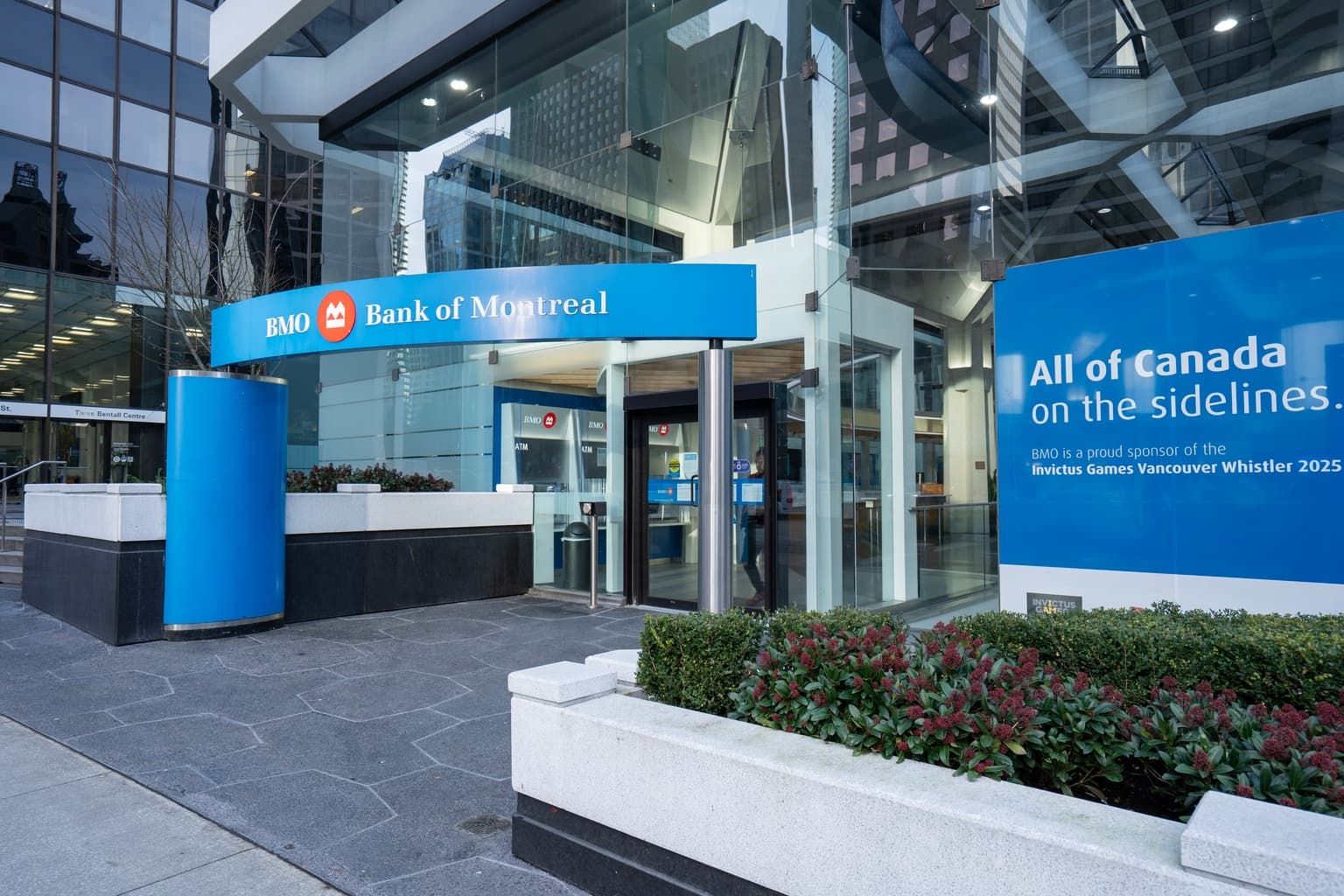
- **Bank of Montreal (BMO):** Faces ongoing challenges related to its U.S. expansion but maintains a solid dividend outlook. Investors are attentive to earnings surprises, especially given its exposure to North American markets.
- **Scotiabank:** Emphasizes its international and Caribbean markets, with recent earnings showing resilience despite global macro headwinds.
- **CIBC:** Reports stable earnings but faces margin pressures and cautious loan growth outlooks, which could influence future dividend sustainability.
- **National Bank:** Outperforms some peers through strong retail banking momentum and notable growth in its wealth management segment, reinforcing its overall stability.
### Sector-Wide Risks and Challenges
Despite the sector's resilience, several risks persist:
- **Earnings Surprises:** While surprises are becoming less frequent, when they occur, they significantly impact stock prices. RBC continues to outperform expectations, bolstering analyst confidence, whereas **execution risks**—particularly at BNS regarding its U.S. operations—prompt caution.
- **Margin Pressures:** The low interest rate environment compresses net interest margins, potentially tempering earnings growth over the medium term.
- **Operational and Regulatory Risks:** Banks with significant U.S. exposure or those undergoing strategic shifts face operational risks and regulatory scrutiny, which could impact future performance.
### Dividend Sustainability and Growth
The sector's reputation for **reliable dividends** remains intact, especially as Canada's interest rates remain "stuck" at low levels. Banks’ dividend yields, often above 3%, offer attractive income streams, but investors are advised to scrutinize **growth sustainability** amid economic uncertainties and potential rate adjustments.
## Sector-Focused ETFs: Strategies Amidst Valuations and Yield Pressures
Investment vehicles like **Evolve’s SIXY ETF** and **BMO Canadian High Dividend Covered Call ETF (ZWC.TO)** continue to serve as accessible means for investors to gain exposure to Canadian banks.
### ETF Dynamics and Income Strategies
- **Impact of Stuck Interest Rates:** The low-rate environment continues to exert pressure on banks' net interest margins, which can limit earnings growth. However, high dividend yields and income strategies remain attractive, particularly for retirees and income-focused portfolios.
- **Covered Call Strategies:** ETFs like **ZWC.TO** employ covered call overlays, enhancing income generation. For example, BMO’s ZWC ETF seeks to provide high yield through covered call options on high-dividend-paying Canadian equities, including major banks. Such strategies can boost yields but also cap upside potential, making them suitable for cautious, income-oriented investors.
## New Developments and In-Depth Insights
### Royal Bank of Canada: Dividend Yield, History, and Growth
**Royal Bank of Canada (NYSE:RY)** exemplifies stability in the sector, with a current **dividend yield of approximately 2.96%**. Its dividend history is robust—having increased dividends annually for decades, reflecting its strong earnings and prudent payout policies. RBC’s dividend growth has averaged around **5-7% annually** over the past ten years, reinforcing its reputation as a reliable income source. Its earnings are well-covered by profits, and the bank continues to adapt its strategic focus toward wealth management, digital banking, and international expansion, all of which support its dividend sustainability.
### BMO Canadian High Dividend Covered Call ETF (ZWC.TO)
**ZWC.TO** offers investors a way to generate higher income through a covered call overlay on high-dividend Canadian equities, predominantly banks such as RBC, TD, and BNS. Its current yield is approximately **7.09%**, driven by the combination of dividends and premiums from call options. This ETF is especially attractive in a low-interest-rate environment, providing a means to enhance income while maintaining exposure to the sector's stability.
## Implications for Investors
While the sector continues to offer attractive yields and stability, investors should remain vigilant about:
- **Earnings surprises** that could affect valuations.
- The trajectory of **interest rates**, which directly influence net interest margins.
- **Operational risks**, especially at institutions with significant U.S. exposure or aggressive expansion strategies.
- **ETF exposures**—covered call strategies like ZWC can boost income but may limit upside, requiring careful consideration within a broader portfolio.
## Current Outlook and Strategic Considerations
The Canadian Big Six banks exhibit strong capital positions and prudent risk management, underpinning their ability to sustain dividends and navigate macroeconomic headwinds. The sector's outlook remains cautiously optimistic, with analyst support especially strong for RBC and a few other key players.
In the ETF space, income-focused strategies—particularly those employing covered call overlays—continue to be attractive amid low-rate pressures, though investors must understand the trade-offs involved.
**In summary**, Canadian banks and their associated ETFs are positioned as compelling holdings in the current environment. They offer a blend of stability, dividend reliability, and income potential, but investors should closely monitor interest rate developments, earnings reports, and operational risks to optimize their investment outcomes.
*Market conditions are dynamic; ongoing diligence and review of macroeconomic indicators, earnings results, and sector commentary are essential for informed decision-making.*