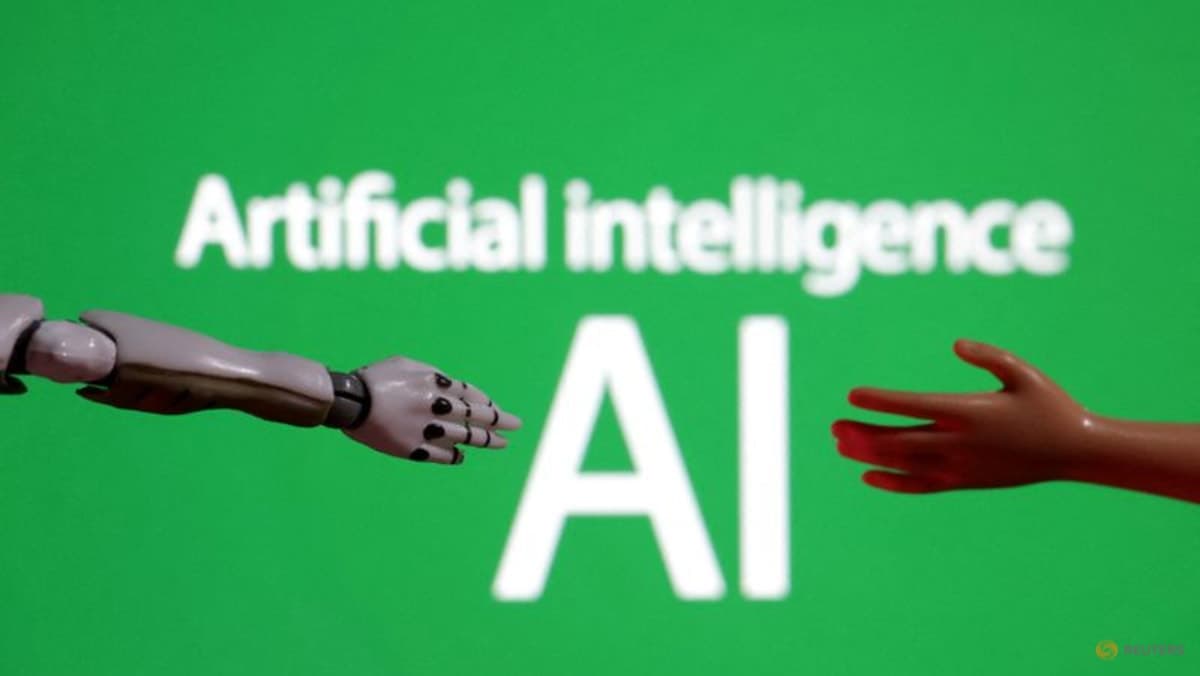
The integration of AI into visual effects (VFX), compositing, editing, and production pipelines has moved decisively beyond early hype, establishing itself as a transformative force reshaping how creative studios and artists work. As leading creative tools embed increasingly sophisticated generative and automation features, and as studios re-architect their entire workflows from cloud infrastructure to on-set virtual production, AI is becoming an indispensable part of the modern production arsenal — albeit amid intensifying debates over intellectual property, legal risks, and artistic control.
---
### From Tools to Workflows: AI Embedded in Creative Software
The latest versions of major creative software demonstrate how AI is no longer a bolt-on buzzword but a deeply integrated workflow enhancer:
- **Foundry Nuke 17** continues to advance its AI-driven compositing features, allowing artists to automate complex rotoscoping and matte generation tasks while maintaining fine-grain control.
- **Adobe After Effects’ new AI Object Matte** tool leverages machine learning to isolate subjects more precisely and faster than traditional keying methods, enabling compositors to focus on creative refinements.
- **Beeble’s SwitchX platform** integrates controllable generative AI directly into editing pipelines, allowing dynamic scene reconstructions and rapid iteration without sacrificing artist intent.
- **Adobe Premiere Pro’s new AI-powered plugin, B-Roll Genie**, unveiled recently, harnesses generative AI to automatically generate relevant B-roll footage from existing content, streamlining editing workflows by reducing manual search and selection.
These tools share a common thread: they **speed up repetitive and time-consuming tasks** while **preserving creative control** and fitting seamlessly into existing artist workflows. Rather than replacing human creativity, AI acts as an intelligent assistant that boosts productivity and precision.
---
### Studios and Vendors Reshape Pipelines with AI
Beyond software, the industry’s infrastructure itself is evolving to embed AI at every stage:
- **PIER59 Studios** has been pioneering AI-driven virtual production techniques that combine real-time rendering with AI-assisted asset generation, dramatically reducing pre-production times and enabling more interactive on-set experimentation.
- **InVideo’s collaboration with Google Cloud** leverages scalable AI platforms to automate video editing and compositing tasks at cloud scale, making high-quality production accessible to smaller teams and remote collaborators.
- **NVIDIA’s AI-powered GPUs and SDKs** continue to set the standard for real-time AI inference, enabling studios to run complex generative models directly in production environments.
- **Foundry’s acquisition of Griptape** signals a strategic push to embed AI into pipeline automation tools, allowing studios to customize AI workflows while maintaining transparency and auditability.
This cloud-to-camera integration and virtual production re-architecture reflect a growing recognition that AI must be **production-ready, reliable, and scalable**, not just experimental.
---
### The Intensifying Legal and Ethical Debate
As AI tools proliferate, so do concerns over **intellectual property rights** and **legal liability**:
- The recent high-profile lawsuit filed by studios against **Midjourney** and other generative model providers centers on alleged unauthorized use of character IP in AI-generated content.
- This litigation underscores the urgent need for **safe, auditable AI systems** that respect copyright and licensing frameworks, ensuring that studios’ creative assets are protected.
- Industry experts emphasize that **transparency and control** are key: AI must provide clear attribution, allow human override, and integrate cleanly into existing rights management processes.
This legal battle is more than a one-off dispute; it signals a broader reckoning as AI’s creative potential collides with established IP regimes, forcing studios, vendors, and lawmakers to define new guardrails.
---
### Industry Voices and Conference Insights
Recent conferences and expert commentary reveal a consensus among VFX and production professionals:
- AI is valued primarily as a tool for **accelerating rote tasks**—such as rotoscoping, tracking, and scene cleanup—rather than as a creative replacement.
- Artists want to **remain “in the loop,”** using AI to augment their vision while retaining final control over output.
- Seamless **integration into existing pipelines** is critical; AI features must plug into established workflows without disruption or steep learning curves.
- There is growing enthusiasm for **hybrid AI-human collaboration models**, where AI handles technical drudgery and artists elevate the creative storytelling.
---
### Looking Ahead: AI as a Collaborative Partner in VFX
The evolving AI landscape in VFX and production is marked by both opportunity and challenge:
- **Opportunity:** AI tools embedded in popular software and cloud platforms are democratizing high-end VFX capabilities, speeding production, and enabling new creative possibilities.
- **Challenge:** Navigating IP rights, establishing ethical AI use, and building transparent, auditable workflows remain pivotal for sustainable adoption.
As studios, vendors, and creators continue to push AI from hype to practical, production-ready integration, the industry is coalescing around a vision of AI as a **collaborative partner**—one that enhances creative workflows without compromising control or originality.
The next phase will likely see increased standardization of AI tools, expanded legal frameworks, and deeper partnerships between tech providers and creative studios, ensuring that AI-driven VFX production is both innovative and responsible.