# Widespread Winter Storm Continues to Disrupt U.S. Travel, Safety, and Daily Life Amid Record Cold, Snow, Flooding, and Coastal Threats
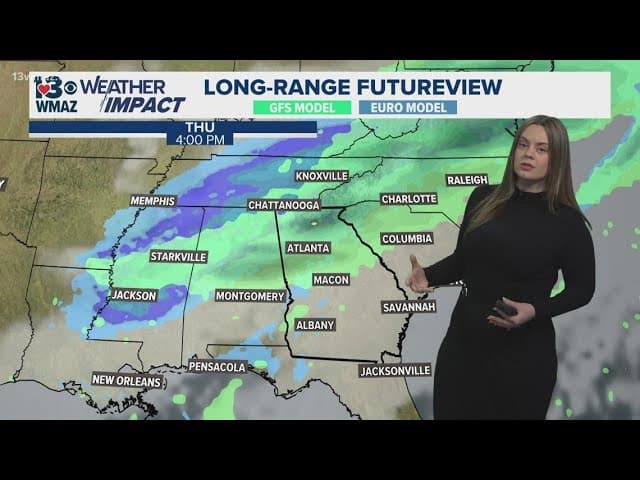
A powerful and complex winter storm remains entrenched across vast regions of the United States, unleashing a dangerous mix of heavy snowfall, treacherous ice, unprecedented cold temperatures, and coastal flooding. As this multi-hazard system evolves, communities from the Rockies to the Atlantic coast face ongoing challenges—including hazardous travel conditions, infrastructure disruptions, and severe weather impacts—that demand heightened vigilance, preparedness, and adaptive responses.
## Escalating Multi-Hazard Conditions Across the Country
### Persistent Heavy Snow, Ice, and Unseasonable Cold
The storm continues to deliver **widespread heavy snowfall and ice accumulation**, severely impacting transportation and daily routines:
- **Western and Mountain Regions:**
- The **Rocky Mountains**, particularly Colorado, are experiencing **significant snowfall in mountain areas** and **rain in valleys**, prompting the National Weather Service to issue a **First Alert through Friday**. Mountain passes remain **closed or restricted**, hampering regional transit and emergency services.
- The **Pacific Northwest**, including Portland, Oregon, reports **lower snow levels**, but mountain pass closures persist, disrupting regional commerce and travel.
- **Midwest and Great Lakes:**
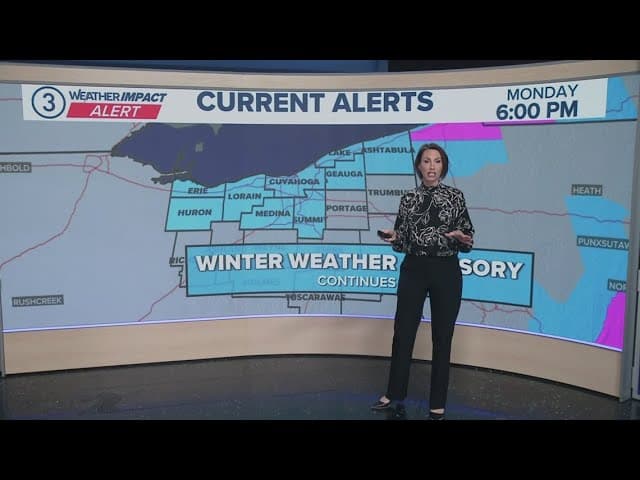
- Cities such as **Cleveland and Dayton** continue to see **additional snowfalls**, with Cleveland preparing for **another major snow event expected on February 20**.
- These areas are also battling **black ice and ongoing snow accumulation**, complicating daily commutes and increasing accident risks.
- **Northeastern States:**
- **Winter weather advisories** remain in effect across New York, New Jersey, and surrounding states, where **snow showers and freezing rain** threaten to cause **power outages**, **transportation delays**, and **hazardous conditions**.
### Unseasonable Cold Extending into the South
While the core of the storm impacts northern and eastern regions, its **cold front** has pushed into the South, bringing **record or near-record lows**:
- Temperatures in **Florida and South Carolina** have plummeted into the **20s°F**, a stark contrast to typical winter conditions, leading to **frost, ice, and disruptions** in agriculture and infrastructure.
- Overnight, **unexpected snowfall and icy roads** in places like **Hardeeville, SC**, disrupted travel and caused widespread power outages, illustrating the storm's far-reaching influence into **traditionally warmer areas**.
Recent footage depicts **frost-covered landscapes** and **widespread outages**, emphasizing the severity of this unseasonable cold.
## Major Travel Disruptions and Infrastructure Challenges
The storm's **severity** has resulted in **extensive road closures, travel restrictions, and logistical hurdles**:
- **Border Crossings and Major Routes:**
- The **U.S. Highway 62/180 border crossing in El Paso, Texas**, remains **completely shut down** due to persistent snow and ice, affecting cross-border trade and emergency response.
- In South Carolina, the **Hwy 601 bridge in Kershaw County** was **shut overnight** because of dangerous ice buildup. Authorities are actively salting and working to reopen roads, but many remain **hazardous**.
- The **I-95 corridor** across the Mid-Atlantic is experiencing **delays, lane closures, and detours**, disrupting freight movement and daily commutes, with ripple effects on supply chains nationwide.
- **Impacts on Remote and Rural Communities:**
- Mountain passes across the Rockies, Appalachians, and Midwest remain **impassable or restricted**, isolating **remote communities** and complicating emergency response efforts.
Despite concerted **clearing operations**, **hazardous conditions persist**, with **black ice, slick surfaces, and ongoing snowfall** posing ongoing risks, as evidenced by numerous videos showing motorists navigating treacherous roads.
## The Cold, Winds, and Secondary Hazards Amplify Risks
### Record Cold Temperatures and Wind Chills
The **cold front** has ushered in **life-threatening wind chills** and **record low temperatures**:
- **Wind Chill Advisories:**
- Many counties across the **Mid-Atlantic, Southeast, and Northeast** are under **wind chill advisories**, with **chills reaching as low as 20°F below zero**.
- **Charleston, WV**, reports **wind chills as low as 20°F below zero**.
- Southeastern states—including counties like **Coffee, Dale, Henry, Geneva, Houston, and Quitman**—are advised to **limit outdoor activity** to prevent frostbite and hypothermia.
- **Florida** has experienced **temperatures dipping to 23–26°F**, disrupting agriculture and infrastructure.
### Coastal Flooding and Storm Surge Warnings
Recent developments include **coastal flood warnings** in **Suffolk and Nassau counties in New York**, in effect through Sunday and into Monday. The **National Weather Service** warns of **storm surge-driven high tides** that threaten property, roads, and coastal communities:
- **Wave heights are rising** along parts of Maine and New Hampshire, with forecasts indicating **dangerous storm surge conditions**.
- Coastal flood alerts are active, with **high tides potentially causing significant inundation** and property damage.
### Blizzard Conditions and Heavy Snow in the Northeast
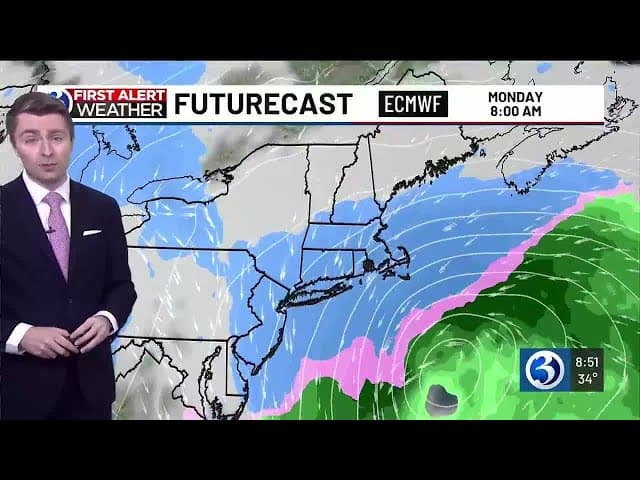
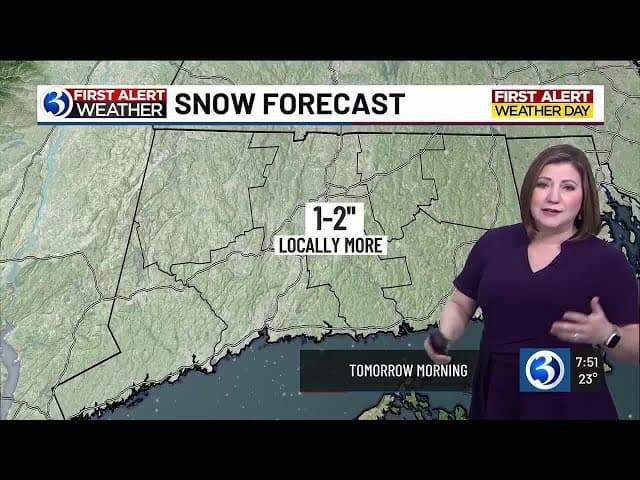
- **Blizzard Warnings** are in effect across parts of **New York, New Jersey, and Connecticut**, with forecasts of **12+ inches of snow**.
- Emergency officials urge residents to **prepare for dangerous travel**, **power outages**, and **possible isolation**.
- In **Scituate, MA**, residents are bracing for **blizzard conditions** and **coastal flooding** during upcoming high tides.
### Additional Hazards
- **Flooding:**
- Omaha, NE, faces **flood risks** driven by **snowmelt and recent rains**, prompting a **Flood Watch**.
- Cities like Dayton and Hamilton in Ohio have seen **localized flooding overnight** from snowmelt and rain.
- **Recent developments** include **flood warnings issued for Butte and Glenn counties in California**, reflecting ongoing concerns about rising water levels tied to recent precipitation and snowmelt.
- **Gusty Winds and Dense Fog:**
- Wind gusts reaching **up to 75 mph in Northern Arizona** have caused **power outages**, **fallen trees**, and **travel disruptions**.
- Dense fog is forecasted across parts of the Midwest and Southeast Tuesday morning, increasing accident risks.
- **Urban and Coastal Storm Surge Risks:**
- Coastal cities along California and the Pacific Northwest are under **storm surge warnings and urban flood advisories**, with **heavy rains causing urban flooding** and **wind gusts exceeding 40 MPH**.
## Recent Regional Highlights and Emerging Developments
### Florida and Southeast
- Local outlets like **Local 10 News** have captured **frost-covered landscapes** and **disruptions to transportation and agriculture**, highlighting the storm's broad impact.
- Power outages and infrastructural damage persist, with emergency services on alert.
### Midwest and Northern States
- **Minneapolis, MN**, remains under **winter storm conditions**, with **heavy snowfall, school closures, and flight delays**.
- The **Mid-Atlantic region**, including **West Virginia and Pennsylvania**, continues to experience **dangerous wind chill conditions** that are expected to persist into the coming days.
### Southern Appalachians
- Asheville, NC, reports **unseasonably cold temperatures** and **occasional snow flurries**, disrupting local travel, agriculture, and daily routines. Residents are urged to **limit outdoor exposure** and ensure heating systems are functioning properly.
### New Developments
- **Flood Warning for Butte and Glenn Counties, California:**
- The National Weather Service has issued **flood warnings for Butte and Glenn counties until Thursday evening**.
- These warnings are based on **ongoing concerns over rising water levels** due to recent heavy rain and snowmelt, which have elevated the flood risk in these regions. Authorities advise residents to **remain alert for potential flooding impacts** and prepare accordingly.
## Current Status and Broader Implications
The **multi-hazard nature** of this storm remains active and unpredictable:
- **Travel Advisory:**
- **Avoid non-essential travel** in affected areas; many highways, bridges, and mountain passes are **closed or heavily restricted**.
- **Safety Recommendations:**
- Residents should **limit outdoor activities**, **insulate homes**, and **stock emergency supplies**—including blankets, food, water, and portable heat sources.
- **Monitoring and Alerts:**
- Authorities emphasize following updates from the **National Weather Service**, **state transportation agencies**, and **local officials** for real-time information and instructions.
## Outlook and Community Preparedness
While some regions may experience temporary relief as the system shifts eastward, **hazardous conditions—blizzards, ice storms, extreme cold, flooding, and coastal surges—are expected to persist for several more days**. The convergence of these hazards underscores the **growing complexity of winter weather events**.
This storm underscores the critical importance of **community readiness**, **timely dissemination of information**, and **individual preparedness**. Continued vigilance, adherence to official guidance, and proactive measures are vital as the nation navigates through this severe winter episode.
---
**In summary**, the latest developments highlight ongoing and intensifying hazards—from the relentless snow and ice in the north and west to record cold and flooding along the coasts—posing significant risks to safety, infrastructure, and daily life across the country. Authorities and residents alike must stay alert, adapt swiftly, and prioritize safety in the face of this evolving winter crisis.