# Iran-Gulf Clashes Escalate, Threatening Hormuz and Global Energy Security
The Persian Gulf, the world's most critical maritime chokepoint, is witnessing an unprecedented escalation of hostilities that threaten to destabilize regional security and trigger a global energy crisis. With approximately 20 million barrels of oil passing through the Strait of Hormuz daily, any disruption here could have catastrophic consequences for the global economy. Recent developments indicate that the situation has entered a volatile and dangerous phase, characterized by military strikes, proxy attacks, threats of blockade, and mounting international tensions.
## Intensified Military Engagement and Strategic Strikes
Over the past week, a series of coordinated military actions have dramatically heightened the conflict:
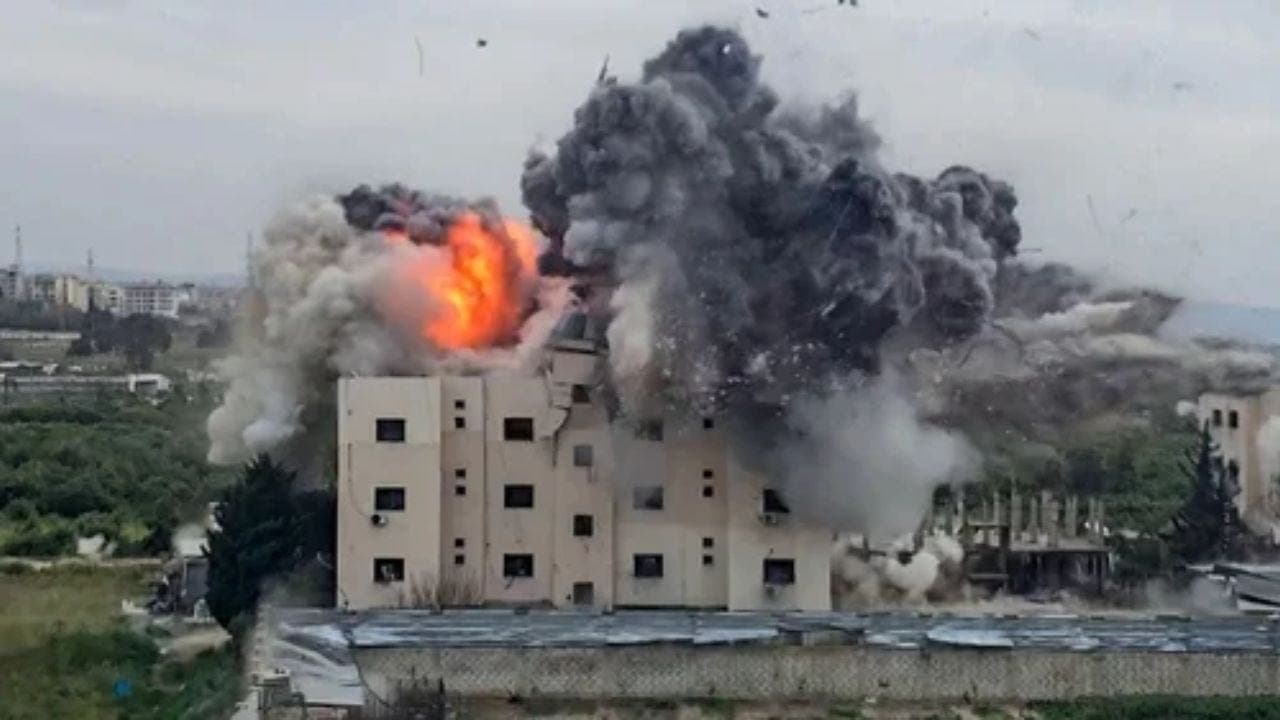
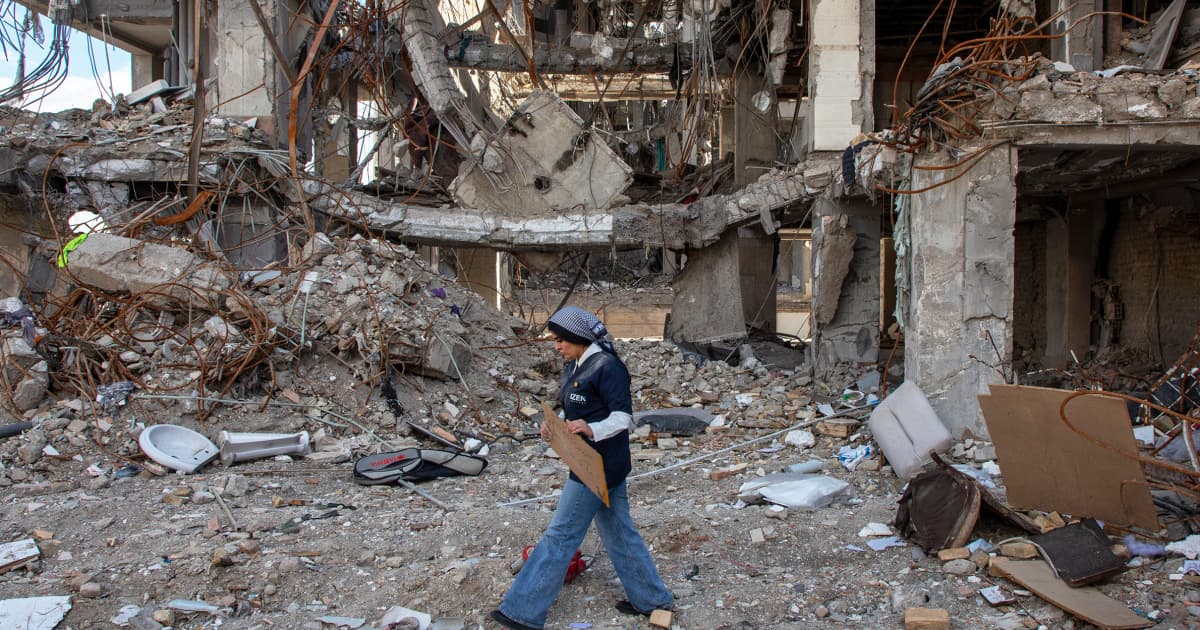
- **Iranian missile, drone, and naval assaults** have targeted key infrastructure and military sites across Saudi Arabia, Kuwait, the United Arab Emirates, Bahrain, and U.S. military bases in the region. These strikes have damaged refineries, residential zones, and strategic military installations, fueling fears of a broader regional conflict.
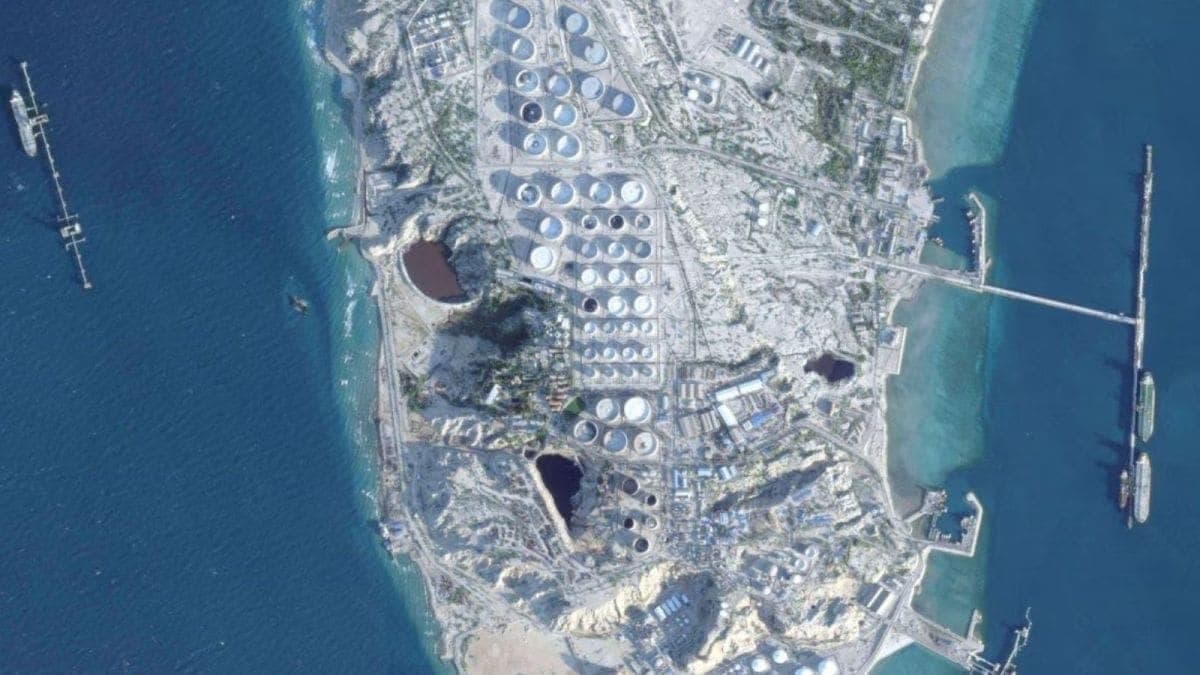
- A particularly significant development was Iran’s **missile and drone attacks on Kharg Island**, Iran’s vital oil export hub. Iranian media reports confirmed the strikes, which were also acknowledged by the U.S. military. The Pentagon released footage showing the destruction of Iranian missile launchers and drone sites, aiming to degrade Iran’s offensive capabilities. Since recent operations began, the U.S. claims to have targeted over **5,500 Iranian military assets**, including missile launchers and drone infrastructure, in an effort to prevent Iran from executing large-scale attacks.
- The **U.S. military response** has included **bombing Iranian oil infrastructure**, notably an Iranian oil terminal on Kharg Island, and other strategic facilities. These actions are part of a broader effort to **prevent Iran from using its missile and drone capabilities to threaten Gulf nations and shipping lanes**.
- Iranian leadership has issued stark warnings, explicitly threatening to **block the Strait of Hormuz** if regional or Western aggression continues. Tehran aims to use control over this narrow waterway as leverage to exert maximum pressure on global energy markets, emphasizing that some Gulf port facilities—such as those in the UAE—are considered **“legitimate targets,”** with Iran warning residents to evacuate.
## Maritime Security and Commercial Shipping Under Siege
The maritime environment has become perilous for commercial vessels:
- **Targeted attacks on ships** have increased, with at least three vessels struck by projectiles or mines in recent days. These attacks have raised international alarm over freedom of navigation, especially amid Iran-linked suspicions of orchestrating these operations. Iran claims that some of these incidents are retaliatory actions following U.S. strikes on Iranian military assets.
- Iran’s explicit threats to **block the Strait of Hormuz** have intensified fears of a full maritime blockade, which would **severely disrupt global oil shipments**. Iran has labeled certain Gulf ports as **“legitimate targets,”** increasing the risk of broader shipping disruptions.
- The United States has responded by **ramping up naval patrols**, deploying a **Marine Expeditionary Unit**, and conducting **mine-clearing operations** to secure vital shipping lanes. Despite these measures, attacks persist, underscoring the high risk of escalation into full-scale maritime conflict with potentially disastrous global impacts.
## Proxy Warfare and Regional Destabilization
Iran’s regional proxies—**Hezbollah in Lebanon, Houthis in Yemen, and Iraqi militias**—are actively engaging in the conflict:
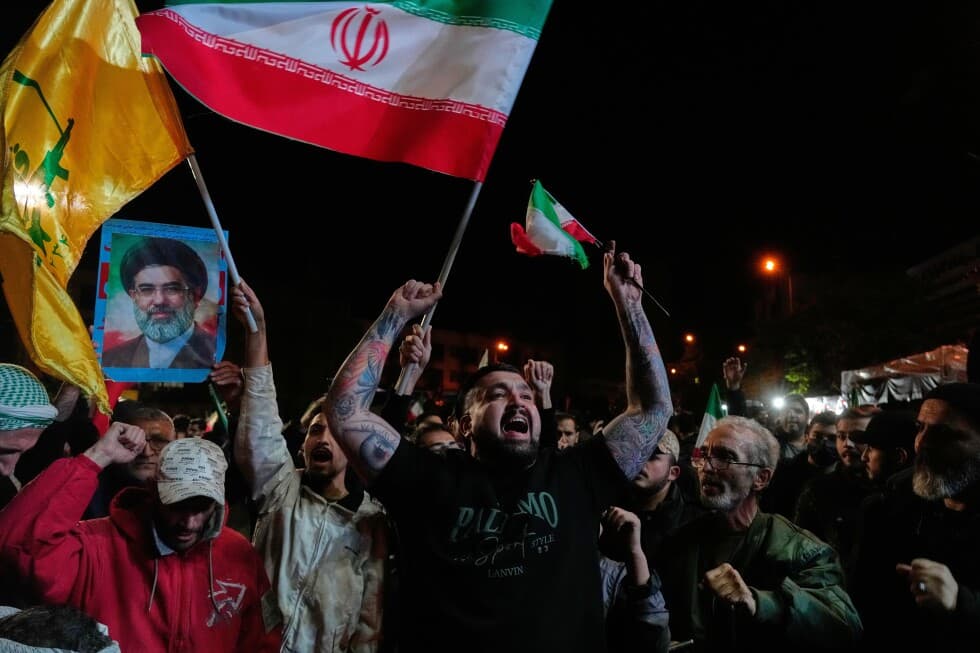
- Recent reports indicate **intensified missile launches and sabotage operations** carried out by these groups, which could spill over from the Gulf into broader Middle Eastern conflicts. For example, Iran-backed militias in Iraq have **launched attacks on U.S. bases**, including a recent **“Iran-linked armed groups”** attack on an American military site, as reported in recent intel.
- Some proxies are **exercising caution**, likely due to Iran’s strategic calculations or international pressure. Nonetheless, the possibility of **full-scale proxy conflicts** remains high, with ongoing drone and missile campaigns targeting Israeli infrastructure and U.S. interests, further complicating the regional landscape.
## Diplomatic and Strategic Developments
Diplomatic efforts to de-escalate the crisis remain stalled:
- The United Nations has been a tense arena, with Iran accusing Israel and the U.S. of orchestrating attacks to destabilize Tehran. Iran’s UN ambassador warned that **further Western actions** could **provoke a full regional conflict**.
- Israel has reaffirmed its **right to self-defense**, warning that continued Iranian missile and drone activities could **initiate broader escalation**.
- The U.S. emphasizes the importance of **diplomatic engagement** but maintains a **firm military posture**. Recent **footage of successful strikes** against Iranian missile sites underscores ongoing efforts to **prevent Iran from executing large-scale attacks**.
## Economic Impact and Market Volatility
The global oil markets are experiencing intense volatility:
- Oil prices have surged by approximately **$10–15 per barrel**, driven by fears of prolonged disruptions and the threat of a **full blockade of the Strait of Hormuz**.
- Experts warn that if Iran proceeds with its **threat to block the Strait**, the world could face one of the **largest energy shocks in history**, with significant shortages, inflation, and economic instability.
- In response, **oil-consuming nations** are exploring **alternative routes**—such as pipelines through the Red Sea and Persian Gulf—and **releasing strategic petroleum reserves** to mitigate market shocks.
- The U.S. has also **deployed additional maritime forces** to **ensure freedom of navigation** and reassure allies, but the threat persists.
## New Developments: Proxy Attack in Iraq and Escalating Tensions
Adding to the complexity, a recent **proxy attack in Iraq** has demonstrated the deteriorating security environment:
- Reports confirm that **Iran-backed armed groups** launched a **bombing on a U.S. military base** in Iraq, marking a significant escalation in proxy warfare. These groups also **fired small FPV drones** in a chilling attack, targeting U.S. personnel and facilities, as part of Iran’s broader strategy to undermine Western presence in the region.
- This attack underscores **Iran's use of asymmetric warfare**—combining drone technology, sabotage, and proxy militias—to exert pressure without direct confrontation. It also signals that Iran and its proxies are willing to **operate across multiple fronts**, risking wider conflict.
## Current Outlook and Implications
The situation remains **highly volatile**, with the potential for rapid escalation:
- Iran continues to **threaten and execute military actions**, including strikes on key oil infrastructure and port facilities.
- Diplomatic efforts are **largely stalled**, with mutual distrust and ongoing hostilities reducing prospects for immediate de-escalation.
- The **risk of miscalculation or accidental escalation** remains high, with the potential for conflicts to spill into broader regional or even global confrontations.
- The international community faces a critical challenge: **preventing full-scale conflict while safeguarding global energy supplies**. This requires **coordinated diplomacy, strategic contingency planning**, and readiness to respond to unforeseen developments.
### **Key Takeaways:**
- The **Iran-Gulf confrontation** has entered a **dangerous phase**, with threats of blockade and military strikes jeopardizing global energy security.
- The **struggle over the Strait of Hormuz** remains the central flashpoint—its potential closure could **precipitate a global energy crisis**.
- **Proxy warfare, military strikes, and diplomatic deadlock** are fueling uncertainty, with the risk of rapid escalation.
- The international community must act swiftly to **diplomatically de-escalate**, **prepare contingency plans**, and **prevent full-blown conflict**.
---
**Looking Ahead:**
The next few weeks are critical. Whether diplomacy can contain this crisis or whether hostilities spiral into open conflict will determine the future of regional stability and global energy markets. **Heightened vigilance, strategic coordination, and swift diplomatic action** are essential to prevent catastrophic consequences. The world watches closely as the region teeters on the brink of a potential catastrophe that could reshape energy security and geopolitical dynamics for years to come.