# Escalating Iran–US–Israel Conflict: Military Intensification, Proxy Reorganization, and Homeland Security Challenges Reach Critical Levels
The Iran–US–Israel conflict has entered a dangerously escalated phase, marked by intensified military operations, strategic reconfigurations among proxy forces, and emerging threats that extend well beyond the Middle East into the homeland security landscape. Recent developments reveal a complex web of actions and counteractions that threaten regional stability and global security, emphasizing the increasingly sophisticated and asymmetric nature of this confrontation.
## Recent Military Escalations and Strategic Reconfigurations
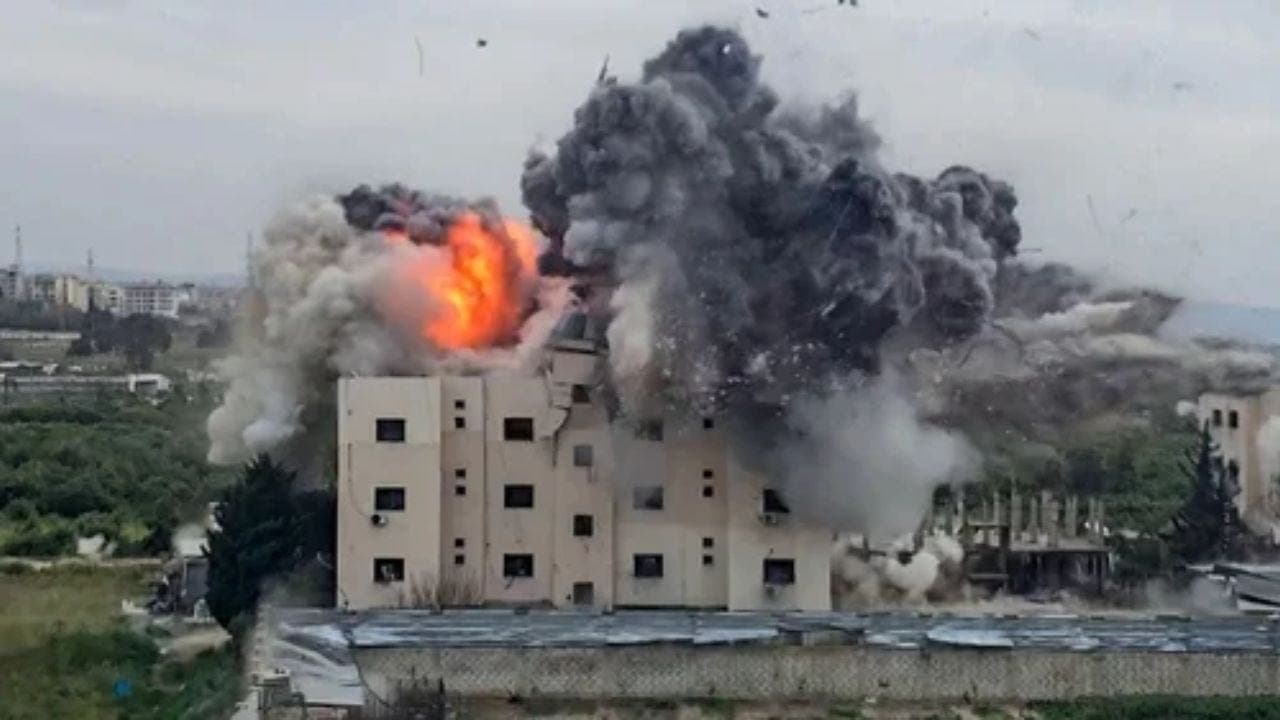
Over the past weeks, the intensity of military activity has surged dramatically. Israel has ramped up efforts to cripple Iran’s missile capabilities and its proxy networks, focusing on underground complexes and mobile missile launchers that are becoming harder to detect and target. These underground facilities, often deep beneath mountainous terrains or dense urban areas, are now complemented by mobile units capable of rapid repositioning, complicating Israeli intelligence and targeting.
Iran’s response has been assertive and technologically advanced. Proxy groups such as Hezbollah in Lebanon and the Iranian Revolutionary Guard Corps (IRGC) have deployed hypersonic missiles—maneuverable weapons traveling at speeds exceeding Mach 5—posing significant challenges to current missile defense systems. These hypersonic weapons can evade traditional interception, enabling Iran and its proxies to conduct precise, high-impact strikes with a reduced risk of interception.
### Proxy Network Resilience and Expansion
Iran’s proxy network continues to expand and modernize. Recent developments include:
- **Hezbollah** constructing underground missile and drone storage facilities. These subterranean sites allow the group to carry out unpredictable attack patterns, targeting Israeli infrastructure and military assets, especially energy installations in the region.
- The IRGC launching **Operation “Eaten Chaff”**, a strategic initiative designed to circumvent ceasefire limitations by bolstering underground bunkers and deploying mobile missile units. This operation enhances Iran’s offensive resilience, making it more difficult for adversaries to neutralize its missile capabilities.
Adding a new dimension to the threat landscape, Iran has unveiled hypersonic missile technology capable of maneuvering at speeds beyond Mach 5. This advancement threatens to outpace existing missile defenses, prolonging hostilities and increasing the risk of high-impact strikes.
## Proxy Hesitance and Regional Dynamics
While Iran continues its military build-up, some proxy factions exhibit hesitation about fully escalating hostilities. Intelligence assessments suggest that certain groups are wary of provoking broader regional instability, retaliatory strikes from Israel or the United States, or internal divisions that could weaken their operational cohesion. This strategic restraint indicates a fragile balance, where the risk of accidental or deliberate escalation remains high.
Meanwhile, regional actors such as Gulf states—particularly the UAE—are increasingly impacted by the spillover of violence. Recent incidents highlight this:
- **Missile strikes and alerts** have targeted port areas and commercial hubs, including Dubai, emphasizing the conflict’s expansion beyond traditional frontlines.
- Reports detail missile strikes and warnings that threaten vital economic infrastructure, triggering heightened security measures and civilian alerts across the Gulf Cooperation Council (GCC).
## Homeland Security Threats and Emerging Risks
The conflict’s reach now extends into the United States, with credible intelligence pointing to evolving threats that leverage unconventional platforms:
- **Cargo-ship-launched drones** capable of covert strikes have been identified as a new threat vector against U.S. coastal infrastructure, particularly along the West Coast. These drones can be launched from vessels at sea, making detection and interception exceedingly challenging.
- Recent incidents involving Iranian drones near U.S. and NATO bases in Iraq demonstrate Iran’s intent to extend operational reach. Notably, there has been increased activity of **FPV (First Person View) drones** slipping past base air defenses, as detailed in recent videos and reports.
- A significant escalation was the **destruction of a U.S. aircraft near Iran**, resulting in four American service members’ deaths. Though details remain ambiguous, sources suggest missile involvement or potentially an accident amid heightened tensions.
In response, U.S. homeland security agencies have heightened alert levels, emphasizing **credible threats targeting critical infrastructure**. The proliferation of unconventional attack methods, particularly drones launched from cargo ships or other covert platforms, underscores the evolving nature of threats and the urgent need for enhanced intelligence and defensive measures.
### ‘US Base BREACHED’: Pro-Iran Militia’s Drone Storm in Iraq
A recent alarming incident involved a pro-Iran militia launching a drone storm that **breached U.S. military defenses at an Iraqi base**, as recorded in a widely viewed YouTube video. The footage shows **FPV (First Person View) drones slipping past air defenses**, demonstrating the growing sophistication of Iran-backed militias’ tactics. The attack resulted in minor damages and underscored the vulnerability of U.S. forces in the region.
> **“The drones were able to evade our defenses and penetrate the base, highlighting a new level of threat,”** said a U.S. military official. **“Our current protocols are under review as we adapt to this emerging challenge.”**
This incident exemplifies how asymmetric tactics—such as small, maneuverable drones—are becoming central to Iran’s strategy to pressure U.S. and allied forces.
## Diplomatic Efforts and Their Fragile State
Despite the escalation, diplomatic channels remain active, though fragile. The Patriarch of Iraq has called for renewed dialogue, emphasizing the importance of preventing Iraq from becoming a battleground amid Iran’s expanding influence. However, ongoing military buildups, recent attacks, and proxy activity threaten to derail diplomatic efforts, making de-escalation uncertain.
## Key Recent Developments (Updated)
- **U.S. Military Deployment:** The Biden administration has reinforced its presence by deploying approximately **5,000 Marines to the Middle East**, aiming to bolster deterrence and rapid response capabilities.
- **Explosions and Attacks in Iraq:** Multiple recent attacks targeting U.S. military installations, some attributed to Iran-backed militias, raise concerns about increasing direct confrontations.
- **Regional Tensions in the Gulf:** Iran’s warnings to residents near UAE ports, combined with missile strikes on Dubai and other Gulf ports, have heightened regional alertness. The latest incident involved an **Iranian drone strike** on a central Dubai location, demonstrating Iran’s willingness to project force into economic centers.
- **Homeland Threats:** Besides drone attacks in Iraq, credible intelligence indicates Iran’s efforts to use cargo ships and covert drone operations to threaten U.S. coastal infrastructure, prompting elevated homeland security alerts.
## Implications and Future Outlook
The current trajectory suggests a high likelihood of further escalation in the near future. Key concerns include:
- **Regional Expansion:** Increased missile, drone, and proxy activity across Lebanon, Syria, and the Gulf could widen conflict zones and complicate military responses.
- **Technological Challenges:** Iran’s advancements in hypersonic missile technology threaten to undermine existing missile defenses, potentially extending conflicts and increasing casualties.
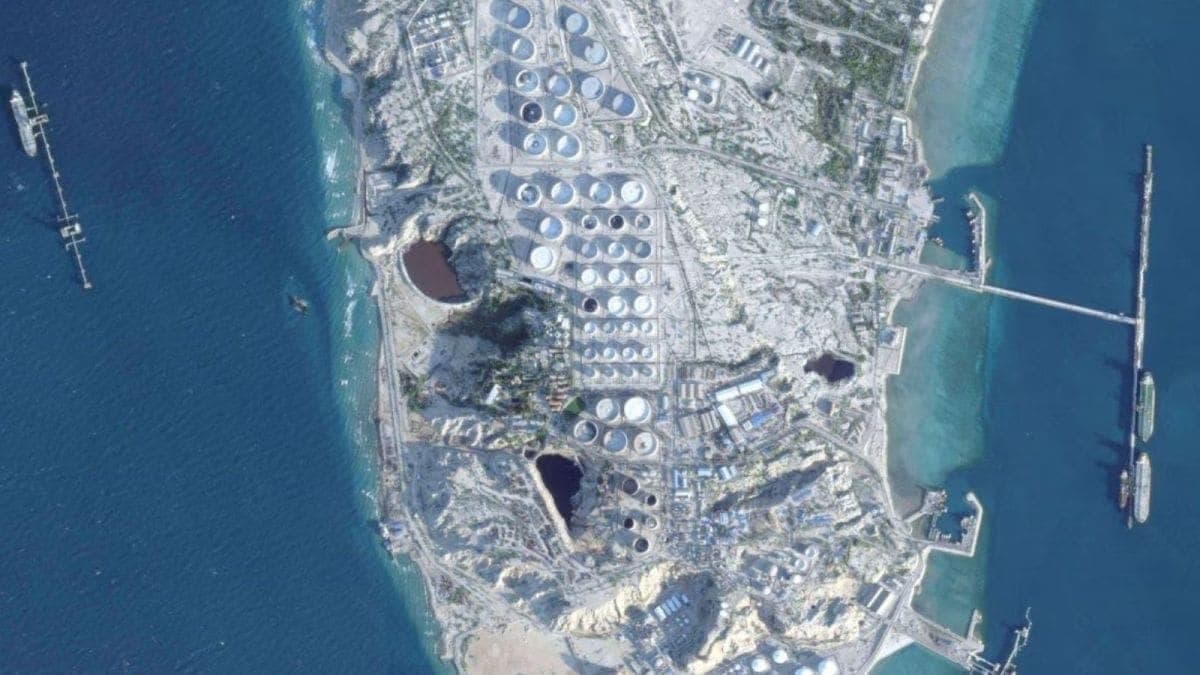
- **Global Economic Impact:** Disruptions to Gulf oil supplies and regional stability could trigger global oil price spikes, affecting economies worldwide.
- **Homeland Security Risks:** The emergence of covert drone operations, especially those launched from vessels or other unconventional platforms, demands heightened intelligence, international cooperation, and advanced defense measures.
## Conclusion
The Iran–US–Israel conflict has entered a critical phase where military escalation, technological modernization, and proxy dynamics intertwine, creating an increasingly volatile environment. The deployment of thousands of U.S. Marines, recent attacks on U.S. bases, and Iran’s aggressive use of hypersonic missiles and covert drone tactics underscore the gravity of the situation.
While diplomatic efforts persist, the mounting technological and operational challenges—highlighted by incidents like the **‘US Base BREACHED’ drone storm**—pose significant risks of broader regional or even global escalation. Vigilance, strategic adaptation, and international cooperation are paramount to prevent a full-scale crisis, as the Middle East’s stability remains precariously fragile and its conflicts continue to reverberate across global markets and security architectures.