# The 2026 AI Foundation Model Revolution: MoE Scaling, Long-Context Multimodal Integration, and Emerging Architectures
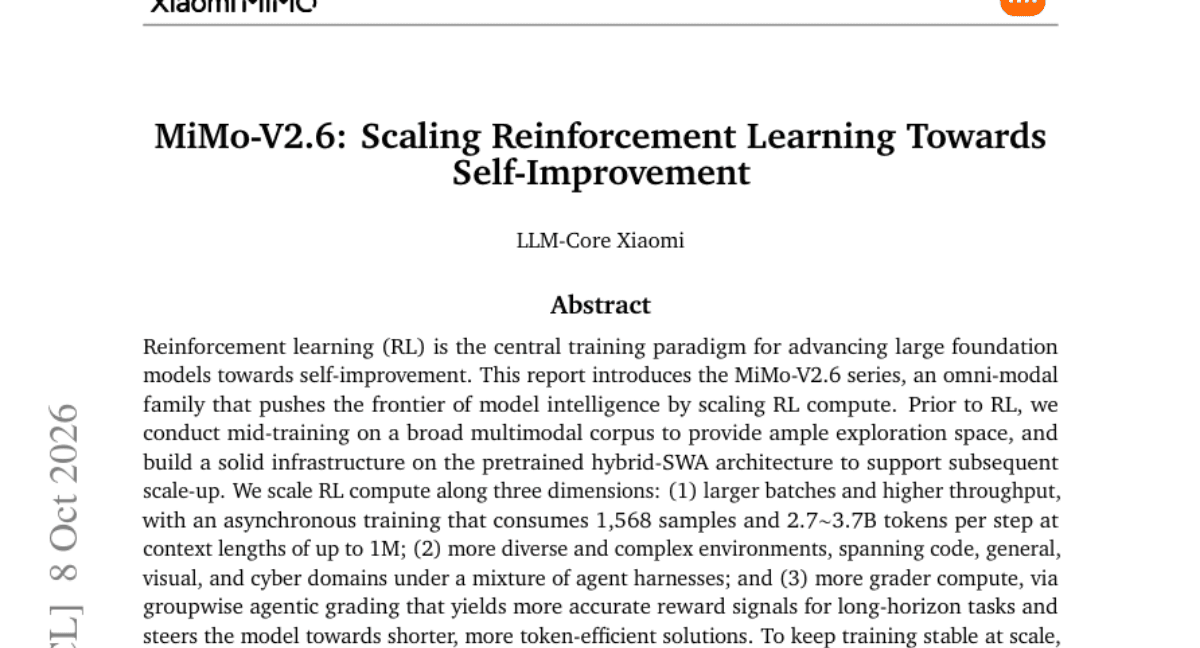
The landscape of artificial intelligence in 2026 continues to evolve at an unprecedented pace, driven by a confluence of architectural innovations, scaling strategies, and novel paradigms that are fundamentally transforming what AI systems can achieve. Building upon the foundational breakthroughs of previous years, 2026 marks a pivotal moment where models are not only larger but increasingly capable of **long-term reasoning**, **multimodal comprehension**, and **autonomous world modeling**. Central to this revolution are **Mixture of Experts (MoE)** architectures, which have transitioned from mere scalability tools to **efficient, deployable systems** capable of handling **multi-million token contexts** and **dynamic, multimodal data streams**. These advancements are enabling AI agents to **perceive, reason about, and interact with** complex environments over extended periods—paving the way toward **truly autonomous, world-aware systems**.
---
## MoE Architectures: From Scalability to Efficiency and Deployment
**Mixture of Experts (MoE)** architectures have been at the forefront of 2026's breakthroughs, showcasing a remarkable evolution in their design and capabilities:
- **Sparse Routing & Dynamic Expert Selection:**
Recent innovations have introduced **sparse gating mechanisms** that **select relevant experts dynamically** for each input. These routing algorithms optimize computational efficiency, ensuring models perform at high levels without unnecessary processing—crucial for real-time applications.
- **Sink-Aware Pruning:**
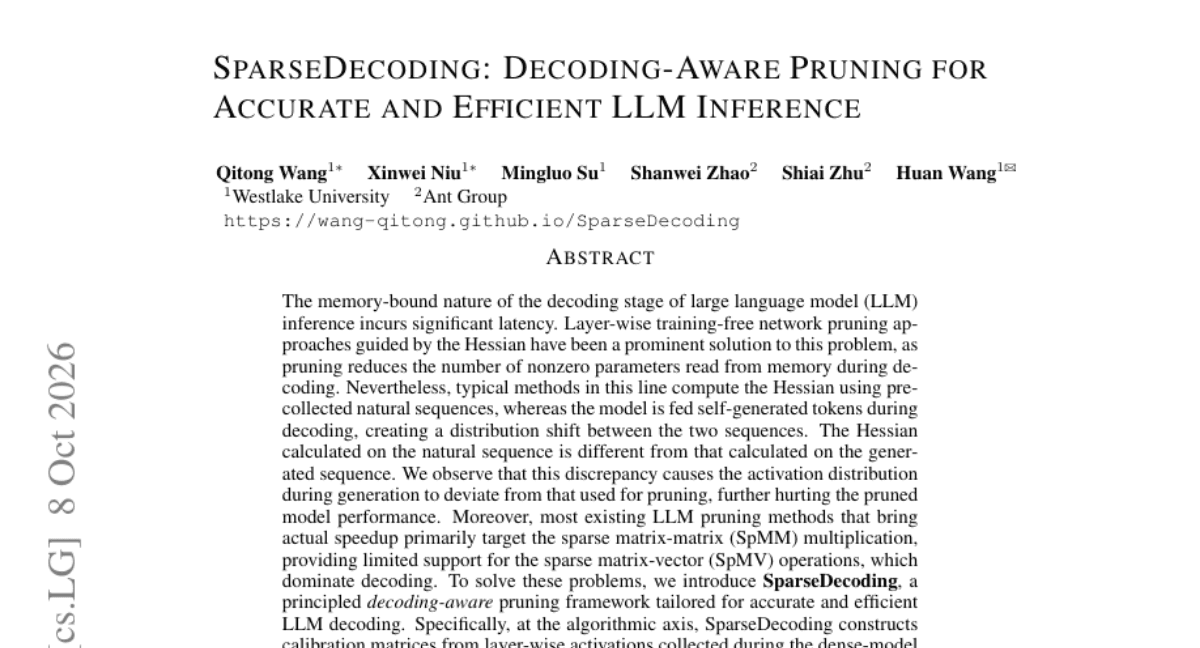
A significant recent development is **Sink-Aware Pruning**, which intelligently prunes inactive or redundant expert pathways based on sink node activity patterns. This process yields **compact, optimized models** that are **deployment-ready on edge devices**, democratizing access to advanced AI and enabling a broader range of applications outside data centers.
- **Scaling to Multi-Million Token Contexts:**
Combining sparse routing and pruning strategies has enabled models to **manage multi-million token contexts**, facilitating **long-term multimodal processing**. This capacity underpins **holistic scene understanding**, **complex reasoning**, and **multi-modal interactions** involving vision, audio, and text—integral for **autonomous agents** and **scientific simulations**.
- **Tensorization and Model Slimming:**
Inspired by **tensor network techniques** and **quantum computing principles**, researchers are pioneering **model compression strategies** that **substantially reduce model sizes** while maintaining performance. Several Spanish AI startups have employed **tensorization** to **compress self-attention layers**, making large models feasible for **edge deployment** with limited hardware.
- **Multi-Vector Retrieval & Real-Time APIs:**
To support **large-scale knowledge integration**, systems now leverage **multi-vector retrieval** strategies—allowing **faster, more accurate data querying**—and are coupled with **real-time, multimodal APIs**. These innovations enable **interactive AI** capable of processing **long, multi-modal prompts** dynamically, leading to **more natural human-AI interactions** and **efficient knowledge access**.
---
## Long-Context Multimodal Models and World Modeling
The ability to process **extended, multi-modal sequences** has catalyzed the development of **agentic systems** and **comprehensive world models** capable of **long-term reasoning**, **causal inference**, and **physical understanding**:
- **4D Visual Question Answering (VQA):**
The **R4D-Bench** benchmark exemplifies progress in interpreting **region-based 4D data**, integrating spatial, temporal, and contextual cues. Models now reason about **dynamic scenes** with unprecedented depth, enabling applications in **video understanding** and **robotic perception**.
- **Physical & Causal Reasoning Architectures:**
Systems like **PhyCritic** and **Causal-JEPA** embed **object-level latent interventions** and encode **physical laws** within their frameworks. These models can **simulate physical phenomena** and **infer causal relationships**, which are essential for **autonomous robots**, **scientific modeling**, and **long-term strategic planning**.
- **Persistent Memory & Stable Agents:**
Innovations such as **DeltaMemory** and **ARLArena** have introduced **persistent, fast, and reliable memory systems**. These enable AI agents to **retain knowledge across sessions**, **adapt dynamically**, and **operate reliably** in changing environments—crucial steps toward **autonomous, long-lived agents**.
- **Controllable Nonlinear Dynamical Systems:**
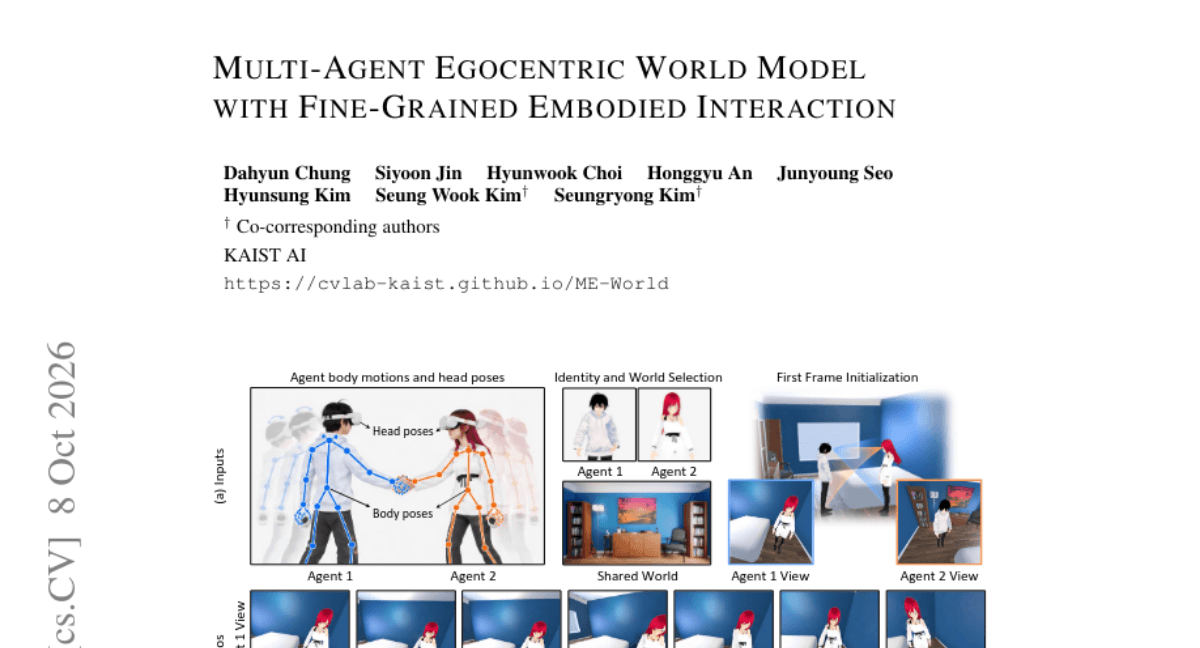
Researchers like **Naveen G. Rao** have developed **controllable nonlinear dynamical systems** that can be **steered in real-time** and **adapted** to various goals. Such systems facilitate **controllable world models** and **goal-directed agents** capable of **long-term interaction** and **environmental manipulation**.
---
## Advances in Physical, Causal, and Formal Reasoning
While models like **Ctrl-World** demonstrate **state-of-the-art** understanding of physical and causal phenomena, ongoing critique—particularly from **Waterloo-based researchers**—highlights the importance of **robustness**, **generalization**, and **explainability**. These discussions emphasize:
- The need for **rigorous training and evaluation protocols** to ensure models **simulate physical laws accurately** and **infer causal mechanisms reliably**.
- The importance of **grounded, interpretable reasoning** that moves beyond rote memorization toward **verifiable, explainable models**, especially vital for **safety-critical applications**.
---
## Deployment & Infrastructure: From Knowledge Retrieval to Orchestration
Complementing architectural advances are **infrastructure innovations** that facilitate **scalable, efficient deployment**:
- **Multi-Vector Retrieval Systems:**
By optimizing **knowledge base querying**, these systems significantly **reduce latency and computational costs** when handling **vast multimodal datasets**, supporting **real-time applications**.
- **Model Compression for Edge Deployment:**
Techniques inspired by **tensor networks** and **quantum algorithms** are being actively explored. Several **Spanish AI startups** have employed **tensorization** to **compress self-attention** and **MLP layers**, enabling **large models** to run efficiently on **edge hardware**, broadening accessibility.
- **Real-Time Multi-Modal APIs:**
New API designs now support **simultaneous multimodal interactions**, allowing **longer, dynamic prompts** and **instantaneous responses**—crucial for **interactive AI agents**, **decision support systems**, and **digital workers**.
- **Multi-Model Orchestration Platforms:**
Systems like **Perplexity’s 'Computer' AI agent** exemplify **multi-model orchestration**, integrating **19 models** to function as a **cohesive digital worker**. Launched recently at a cost of around **$200/month**, this system demonstrates **cost-effective, versatile AI** capable of **complex reasoning**, **multimodal processing**, and **multi-task management**.
---
## Recent Demonstrations and Emerging Initiatives
- **Meta's Physics Interpretation in Video:**
A recent paper from **Meta AI** (reposted by @YLeCun) titled **"Interpreting Physics in Video"** showcases advances in **integrating physics understanding directly into video interpretation**, enabling models to **reason about physical interactions** within dynamic scenes.
- **Qwen3.5 Flash:**
The **Qwen3.5 Flash** model, now live on **Poe**, exemplifies **fast, efficient multimodal processing**—handling **text and images** with remarkable speed—making it suitable for **interactive applications** requiring **immediate responses**.
- **Diagnostic-Driven Iterative Training:**
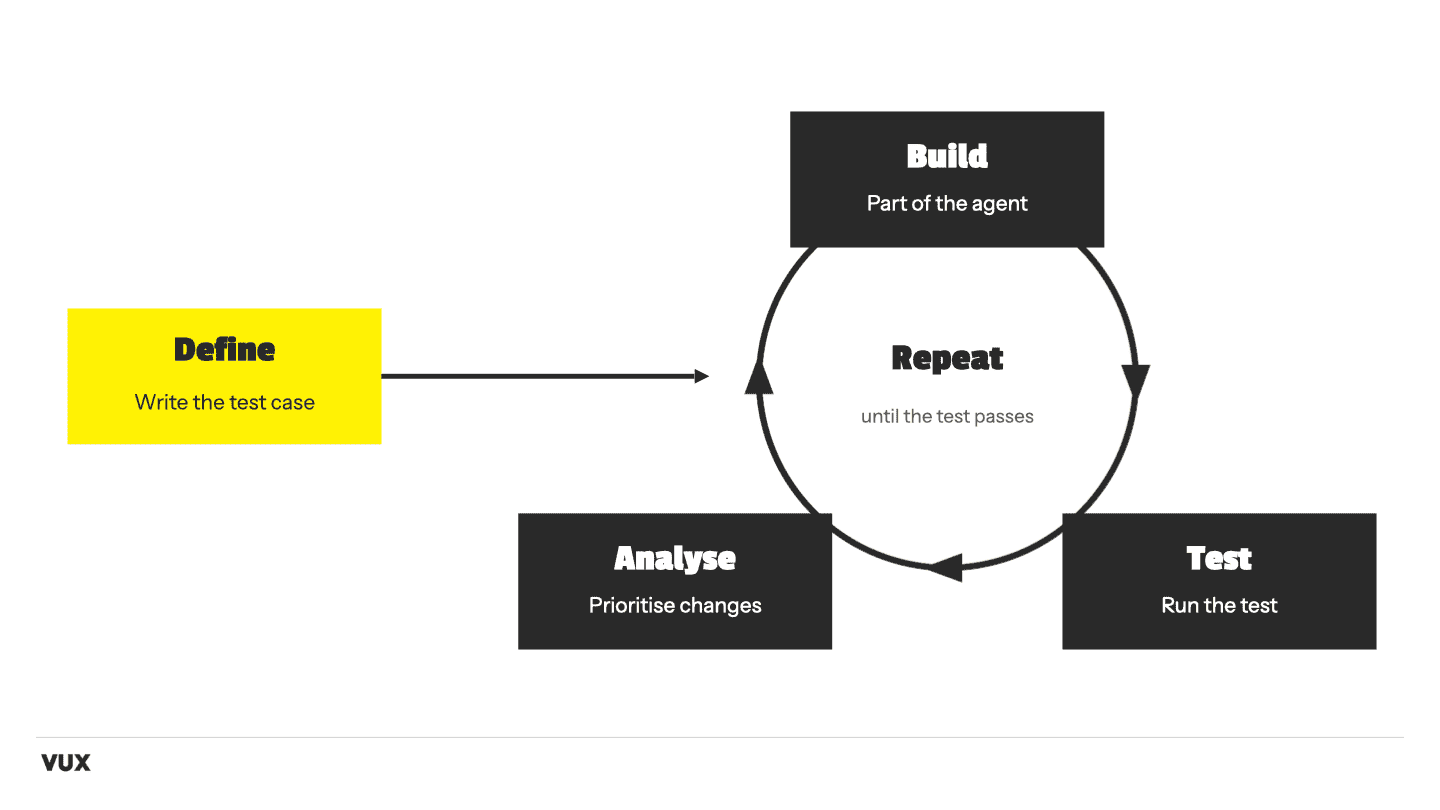
Emerging work focuses on **diagnostic-driven iterative training**, which systematically identifies and addresses **model blind spots**, significantly improving performance on **multimodal tasks** and enhancing **generalization**.
- **Hybrid Data-Pipeline Parallelism:**
Techniques for **accelerating diffusion models** via **hybrid data-pipeline parallelism** based on **conditional guidance scheduling** are showing promise in **speeding up generative workflows**, critical for **scaling AI capabilities** efficiently.
- **AI Gamestore:**
The development of **AI Gamestore** platforms facilitates **scalable evaluation of general intelligence**, providing **comprehensive benchmarks** that help **measure progress** across diverse tasks and **ensure robustness**.
---
## Remaining Challenges and Future Directions
Despite these remarkable advances, several **persistent challenges** remain:
- **Robustness & Out-of-Distribution Generalization:**
Many models excel on benchmarks but struggle in **unstructured, real-world environments**. Improving **robustness** and **adaptability** remains a priority.
- **Explainability & Trustworthiness:**
As AI systems become more complex, **interpretability** and **trust** are crucial, especially for **safety-critical applications** like autonomous driving, scientific discovery, and healthcare.
- **Balancing Capability and Efficiency:**
Achieving **high performance** while maintaining **deployment efficiency** continues to drive innovations in **model compression**, **sparse routing**, and **hardware acceleration**.
---
## Current Status and Outlook
The developments of 2026 underscore a **paradigm shift**—models are **scaling in size** but, more importantly, **advancing in reasoning, world modeling, and multimodal understanding**. The emergence of **persistent memory systems**, **causal reasoning architectures**, and **controllable nonlinear dynamical systems** signals a move toward **autonomous agents** capable of **long-term reasoning, adaptation, and interaction**.
**Multi-model orchestration platforms** like **Perplexity’s 'Computer'** and **Moonlake’s multimodal video generation** exemplify the transition from **static models** to **dynamic, flexible digital workers**—**cost-effective**, **scalable**, and **aligned with real-world needs**.
**Implications for society** include:
- The rise of **more autonomous, reasoning-capable AI systems** that **understand and manipulate physical and causal phenomena**.
- The **democratization of AI deployment** through **advanced model compression** and **edge hardware**.
- Enhanced **trust**, **explainability**, and **safety protocols** to ensure **reliable integration** into critical sectors like healthcare, transportation, and scientific research.
**In conclusion**, 2026 stands as a milestone year where **scaling, architectural innovation, and multimodal integration** converge to produce **truly intelligent, autonomous AI systems**—poised to **transform industry, science, and daily life**, shaping a future where AI becomes an indispensable partner in human endeavors.