# The Evolving Landscape of Spirituality in 2026: Mystical Cosmologies, Embodied Wisdom, and Digital Discourse
In 2026, the realm of spirituality has undergone a profound transformation, blending ancient mystical traditions with cutting-edge scientific inquiry, technological innovation, and intercultural dialogue. As societies grapple with rapid change and seek authentic connection, spirituality is expanding beyond conventional boundaries—embracing mystical cosmologies, embodied practices, and digital storytelling—creating a rich, interconnected tapestry that reflects humanity’s collective quest for meaning and consciousness.
## Renewed Mystical Cosmologies and the Metaphysics of Consciousness
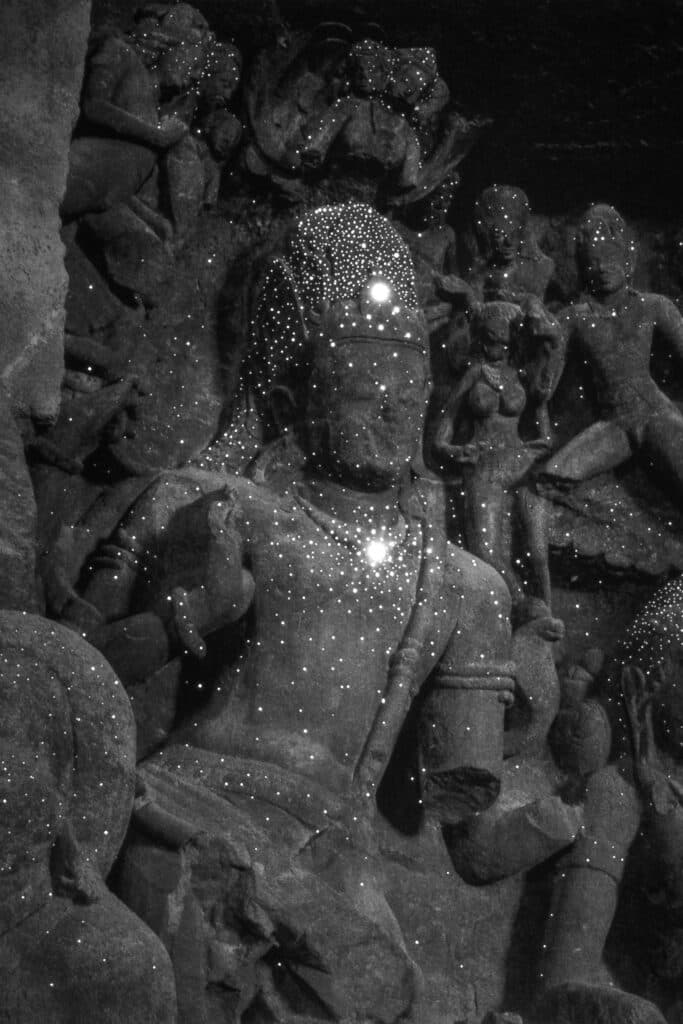
At the core of contemporary spiritual discourse lies a **renewed fascination with mystical cosmologies**—worldviews that depict the universe as an interconnected, sacred web. Scholar Marco Masi’s ongoing research emphasizes models where **reality is an organic, conscious fabric**, proposing that **consciousness is fundamental to the cosmos**. This perspective challenges the materialist paradigm, suggesting instead that **cosmic intelligence and spiritual laws** underpin physical existence, fostering a sense of unity and purpose.
A timeless allegory that continues to inspire is *Hayy Ibn Yaqzān*, the 12th-century Islamic philosophical story by Ibn Tufayl. Celebrating **inner realization through solitude and intuitive insight**, the narrative underscores that **true knowledge arises from within**—a theme resonating deeply with modern emphasis on **embodied awareness** and **nature-connectedness**. Contemporary seekers draw from this story to cultivate **inner harmony** via **solitary reflection** and **natural communion**, aligning with the holistic vision of spiritual self-realization.
Another influential concept is the **Law of Assumption**, rooted in New Thought philosophy and popularized by figures like Neville. It emphasizes that **belief and consciousness** shape reality, supporting practices aimed at **mastering inner states** to influence external circumstances. This idea has gained widespread traction, especially in personal development communities, reinforcing the emerging **post-material paradigm** where **consciousness is seen as the primary creative force**.
### Cross-Influences from Traditions
- **Vedic and Indian philosophies** continue to shape global spiritual thought, exemplified by dialogues like *NXT Conclave 2026*, where Sudhanshu Trivedi elaborates on **Vedic principles** and India’s **aspiration for spiritual leadership**. These perspectives emphasize **dharma**, **yoga**, and **cosmic order**, integrating them into contemporary narratives on **spiritual resilience** and **cultural diplomacy**.
- **Daoism**, with its focus on **wu wei** (effortless action) and **natural harmony**, has garnered increased scholarly interest. Reinterpretations of **Daoist principles** highlight **embodiment**, **flow**, and **inner harmony**, fostering their integration into holistic practices worldwide, resonating with the broader theme of **embodied awareness**.
## The Interdisciplinary Quest for Consciousness
Understanding **consciousness** remains one of the most profound pursuits of the 21st century. The 2026 publication *"The Hard Problem: What is Consciousness?"* presents a diverse array of perspectives—scientific, philosophical, and meditative—emphasizing that **consciousness continues to resist complete explanation**. While advances in **AI** and **neuroscience** shed light on neural correlates, critics underscore that **embodied consciousness**, **moral intuition**, and **spiritual insight** are inherently human qualities that **artificial intelligence cannot replicate**.
Institutions like the **California Institute of Integral Studies (CIIS)** persist as leaders in integrating **embodied wisdom** with scientific inquiry. Scholar Chris Walling advocates for **holistic approaches** that encompass **body, mind, and spirit**, fostering **therapeutic and spiritual growth** that transcends purely intellectual frameworks.
### The Role of Technology and AI
Amidst technological progress, debates about AI’s limitations persist. Critics argue that **AI, while capable of simulating intelligence**, **lacks the moral intuition, compassion, and spiritual insight** integral to human consciousness. A prominent critique states: *"While AI can mimic intelligence, it lacks the innate capacity for moral discernment and spiritual depth."* This underscores a renewed emphasis on **embodied practice** and **moral development** as essential components of authentic spirituality.
## Embodied Practices and Mythic Narratives as Pathways
Contemporary spiritual practices increasingly prioritize **embodied techniques**—such as **pranayama**, **Yoga Nidra**, and **embodied stillness**—to foster resilience and inner peace amidst societal stresses. Experts like Nayana Sahasrabuddhe advocate for **daily breathwork**, including **alternate nostril breathing** and **abdominal breathing**, as accessible means to cultivate **mental clarity** and **inner calm**.
Mythic narratives, especially *Hayy Ibn Yaqzān*, continue to serve as powerful symbols of **self-realization** and **harmony with nature**. These stories reinforce **solitary reflection**, **embodied wisdom**, and **inner harmony**, which remain central in contemporary practices aimed at **spiritual awakening**. Techniques like **Yoga Nidra** and **embodied pilgrimage**—whether literal journeys or symbolic acts—are employed to **manage stress**, **foster community**, and **support social activism**. These practices exemplify **faith-in-action**, promoting **resilience** and **collective well-being**.
## Digital Storytelling, Interfaith Rituals, and the Divine Feminine
The surge of **digital storytelling** has fundamentally transformed spiritual expression, emphasizing **authentic vulnerability** and **embodied faith**. Social media platforms host personal narratives—such as reflections during Lent or Ramadan—that foster **community** and **heart-centered spirituality**.
Recent scholarship highlights **interfaith rituals** like **Sheetala Ashtami** as vital expressions of **cultural resilience** and **interconnectedness**. Additionally, explorations of **goddesses like Oshun** underscore archetypes of **intuition**, **nurturing**, and **creativity**. For instance, discussions titled *"Is Oshun in the Bible?"* challenge patriarchal narratives and promote a **more inclusive understanding** of divine authority rooted in **divine feminine principles**. These archetypes are increasingly seen as vital for **social healing** and **holistic development**.
## Cross-Cultural Perspectives: Reimagining Mystical Traditions
A notable development in 2026 is the **broadened scholarly focus on Daoism** and other mystical traditions. The article *"The Many Faces of Daoism"* explores how **Daoist concepts** like **wu wei** and **yuan qi** are being reinterpreted for modern life—emphasizing **embodiment**, **natural flow**, and **inner harmony**. These themes highlight **shared principles** across traditions, reflecting a **global convergence** on **embodied awareness** and **harmonious living**.
This **intercultural synthesis** promotes a more **inclusive spiritual discourse**, encouraging practitioners to draw wisdom from diverse heritages and foster **interfaith dialogue**.
## Challenges: Commercialization, Technology, and Authenticity
Despite these vibrant developments, voices of caution warn against **superficial commodification** of spirituality. Articles like *"Stop Streaming Your Soul"* criticize **performative** or **consumerist approaches** that dilute **authentic practice**.
The integration of **AI** and **digital mediation** also raises ethical questions. While AI can facilitate certain practices, **embodied consciousness** and **moral intuition** remain **uniquely human**. A key critique emphasizes: *"AI can replicate intelligence but lacks the innate capacity for moral intuition, compassion, and spiritual insight."* This underscores the importance of **authentic engagement**, **discernment**, and **embodied practice** in spiritual development.
## Leadership, Society, and Embodied Wisdom
The evolving understanding of **spiritual intelligence (SQ)** influences new leadership paradigms—highlighting **power with compassion**, **inner sovereignty**, and **ethical integrity**. Leaders are encouraged to embody **present-moment awareness** and **spiritual discernment**, fostering **trust** and **collaboration**.
In workplaces and communities, practices like **Yoga Nidra** and **symbolic acts of pilgrimage** are employed to **manage stress**, **foster resilience**, and **support social activism**. These approaches exemplify **faith-in-action**, aligning personal growth with societal transformation.
## The Future of Spirituality: Interconnection and Embodiment
As we look ahead, the spiritual landscape of 2026 is defined by a **grounded, experiential, and intercultural approach** that harmonizes **ancient wisdom**, **modern science**, and **technology**. This integrative paradigm calls individuals to **embody their spiritual principles daily**, fostering **personal liberation** and **social harmony**.
Recent contributions, such as **Alok Srivastava’s** exploration of **poetry as a sacred practice** and **Matthew Gindin’s** discourse in *"Is God Enlightened?"*, deepen our understanding of **digital spiritual expression** and **philosophical inquiry**. Srivastava emphasizes that **poetry remains a vital spiritual act**, a sacred act of **embodying and sharing truth** through language. Meanwhile, Gindin’s work interrogates whether **divine enlightenment** aligns with **human consciousness**, calling for a nuanced understanding of **divinity** in the age of digital and philosophical transformation.
### Implications and Current Status
Today, spirituality in 2026 is no longer solely a personal endeavor but a **collective act of awakening**—drawing from diverse traditions, embracing embodied wisdom, and harnessing modern tools. This **integrated approach** aims to cultivate **compassion**, **mindfulness**, and **social healing**, guiding humanity toward a more **resilient and awakened future**.
As the landscape continues to evolve, the emphasis remains on **authenticity**, **interconnection**, and **embodied experience**, recognizing that **true spiritual transformation** is rooted in **everyday practice** and **collective consciousness**. The journey toward awakening is ongoing—an intricate dance between **ancient wisdom** and **modern innovation**, ultimately fostering a more **holistic and compassionate humanity**.