# Trends in North Carolina Partisan Identification: A 2026 Update and Strategic Outlook
As North Carolina advances through 2026, the state's political landscape is undergoing a profound transformation. The longstanding dominance of partisan loyalty is giving way to a more issue-driven, pragmatic approach to voting and governance. This shift reflects a broader dissatisfaction with polarized national politics and an increasing desire among voters for tangible, community-centered solutions. The result is a political culture characterized by transparency, bipartisan cooperation, and a focus on real-world results rather than strict ideological allegiance.
## The Erosion of Rigid Partisan Loyalty and the Rise of Issue-Based Voting
A defining feature of North Carolina’s current political moment is the **decline of strict party loyalty**, especially among independents and swing voters. Frustration with **federal gridlock** and **ideological extremism** has led many residents to prioritize **local and state issues** over party labels. Voters are now more inclined to support candidates who **offer pragmatic, community-centered policies**, fostering a **solution-oriented approach** that bridges divides.
### Key Indicators of a Political Shift
- **County-Level Changes**:
- **Catawba County** has experienced a **12% increase** in registered independents since late 2024, signaling a broader rejection of traditional party politics in favor of flexible voting options.
- In **Guilford** and **Wake Counties**, electoral volatility has increased, with campaigns emphasizing **housing affordability**, **climate adaptation**, and **public safety** rather than partisan rhetoric.
- **Candidate Party Affiliation Changes**:
- During the 2026 election cycle, **over 100 candidates** have switched party affiliations, often to appeal to **moderate** and **independent voters**. These candidates frequently promote **issue-based platforms** centered on **housing justice**, **environmental sustainability**, and **community safety**, advocating for **bipartisan policies** aligned with **local needs**.
- **Legal and Civic Victories**:
- A landmark legal decision exemplifies this trend: a **North Carolina Superior Court** ruling has permanently barred **MV Realty** from enforcing **40-year homeowner agreements** deemed **deceptive**. This victory not only protects **property rights** but also highlights the community’s focus on **housing security**, a concern uniting voters across ideological lines.
### The "New Normal" Emerges
This confluence of legal victories, community activism, and shifting voter preferences has cultivated what can be described as a **"new normal"**: **local issues now eclipse party labels**. Candidates are increasingly judged based on **results and transparency**, fostering a **more engaged, issue-focused civic culture** that values **pragmatism over partisanship**.
## Major Issues Fueling the Political Realignment
Several critical issues are uniting voters across ideological divides and prompting a reevaluation of party loyalty:
### Housing Stability and Property Rights
Advocates like Jeffrey and Levi Baldwin have mobilized residents around **housing security** and **social justice**. The recent legal victory against **MV Realty** exemplifies a broader push for **homeownership protections** and **consumer rights**. Meanwhile, in public housing communities such as **Wilmington’s Creekwood South**, ongoing **safety concerns**—including incidents of violence and inadequate services—highlight the need for **community-driven safety initiatives** and **warming shelters** serving the most vulnerable.
### Climate and Environmental Challenges
Environmental issues remain central to public concern:
- The **PFAS contamination** crisis in **Robeson County** continues to galvanize advocacy for **environmental justice** and **public health**.
- Recent **storm events**, including **record-setting snowfalls in Wilmington** and persistent **coastal erosion** driven by rising sea levels, underscore the **urgent need for climate resilience**.
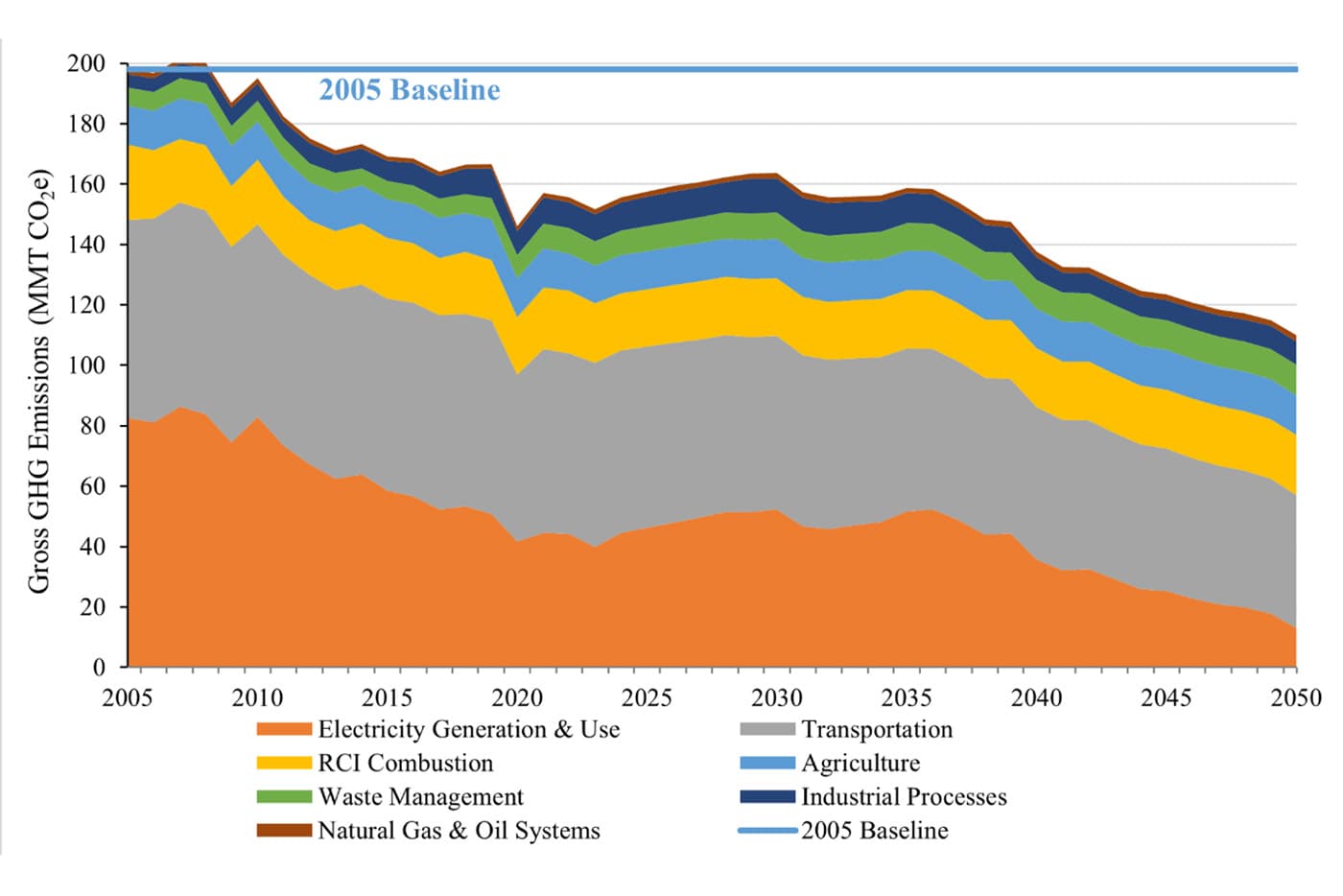
- **Invasive species** and initiatives during **Climate Week** have heightened public awareness, while legal actions such as **Carrboro’s climate lawsuit** demonstrate local efforts to hold corporations like **Duke Energy** accountable for climate-related damages.
### Climate Resilience and Infrastructure Investment
Extreme weather incidents have elevated **climate resilience** as a key policy focus:
- The **downtown Wilmington bridge project**, awarded early in 2026, aims to **strengthen transportation resilience**, support economic vitality, and **improve disaster response**.
- Conversely, delays in **FEMA disaster recovery funding**, notably a **$200 million postponement**, reveal ongoing **federal-state coordination challenges** that threaten to hamper resilience efforts.
- **Power grid vulnerabilities**, exemplified by outages affecting over **2,500 homes and businesses**, have intensified calls for **modernized, climate-resilient infrastructure**.
### Law Enforcement Transparency and Community Trust
Trust in law enforcement continues to be a sensitive issue:
- The **dismissal of a petition** to remove **Mecklenburg County Sheriff Garry McFadden** has sparked debates over **trust and accountability**.
- Recent investigations into **Wilmington officials’ firings** and **cyberattacks on city media outlets** underscore the public’s demand for **transparency** and **public accountability** in governance.
### Economic Development and Energy Policy
Economic growth remains a priority, with key investments such as **Siemens Energy**’s plan to create **500 new jobs** in **Charlotte** and **Raleigh** as part of a **$421 million expansion**. These initiatives emphasize **regional economic vitality**.
Energy debates are intensifying:
- The **North Carolina League of Conservation Voters** has raised concerns about **rising energy costs** and the proliferation of **data centers**, which contribute to **higher utility bills** and **local infrastructure strain**.
- There is growing advocacy for **reviving nuclear reactors** as part of a **balanced energy strategy** that combines **fossil fuels**, **renewables**, and **nuclear power** to foster **economic development** while addressing **environmental sustainability**.
### Federal Policy and Housing Access
Recent federal policy proposals, such as the **HUD rule** requiring **proof of citizenship** for residents in **HUD-funded housing**, have sparked controversy. Critics argue this could **exclude noncitizens** and **vulnerable populations** from essential programs. Organizations like **Legal Aid of North Carolina** continue to advocate for **equitable access** to housing, healthcare, and legal protections.
## Recent Local Governance Actions Reinforcing the Trend
Municipal initiatives are increasingly **issue-focused**:
- **Wilmington’s cybersecurity efforts**, including an **email security assessment**, aim to **restore public trust** after recent **cyberattacks** compromised city communications.
- Infrastructure projects, such as the **downtown Wilmington bridge upgrade**, are designed to **bolster climate resilience** and **support economic growth**.
- **New Hanover County** is actively revising **land-use plans** to promote **sustainable development**, **environmental conservation**, and **affordable housing**.
- The city of **Leland** has proposed a **$50 million budget** for 2026–2027, emphasizing **public safety**, **infrastructure**, and **community services**—a reflection of **municipal priorities aligned with community needs**.
Meanwhile, **Governor Josh Stein** is engaging with **federal partners** through forums such as the **National Governors Association**, seeking funding for **climate resilience** and **infrastructure** projects.
## The 2026 Primary and Candidate Realignments
Recent primaries, especially the **NC99 Democratic primary**, exemplify **political volatility** and a **shift toward moderate and independent candidates**. These contests emphasize:
- Candidates advocating for **bipartisan solutions** on **housing**, **climate**, and **public safety**.
- The trend of **candidate party switches** during the cycle highlights voters’ **prioritization of pragmatism** over **strict partisan loyalty**.
This environment compels elected officials to craft **issue-focused messaging** that resonates across political lines, further reinforcing the **community-centric, bipartisan approach**.
## New Developments and Key Events
### Veto Battles and Legislative Shifts
Recent **North Carolina House veto battles** could be pivotal, with upcoming primary results potentially shifting legislative power:
> *"The upcoming primaries could significantly impact veto-proof majorities, influencing policies on housing, environment, and public safety."*
### Contested Legislative Seats and Electoral Impact
A **hotly contested legislative seat** in North Carolina may serve as a **bellwether for the state’s political pivot**, reflecting broader **voter sentiment** and **policy priorities**.
### Environmental and Climate Events
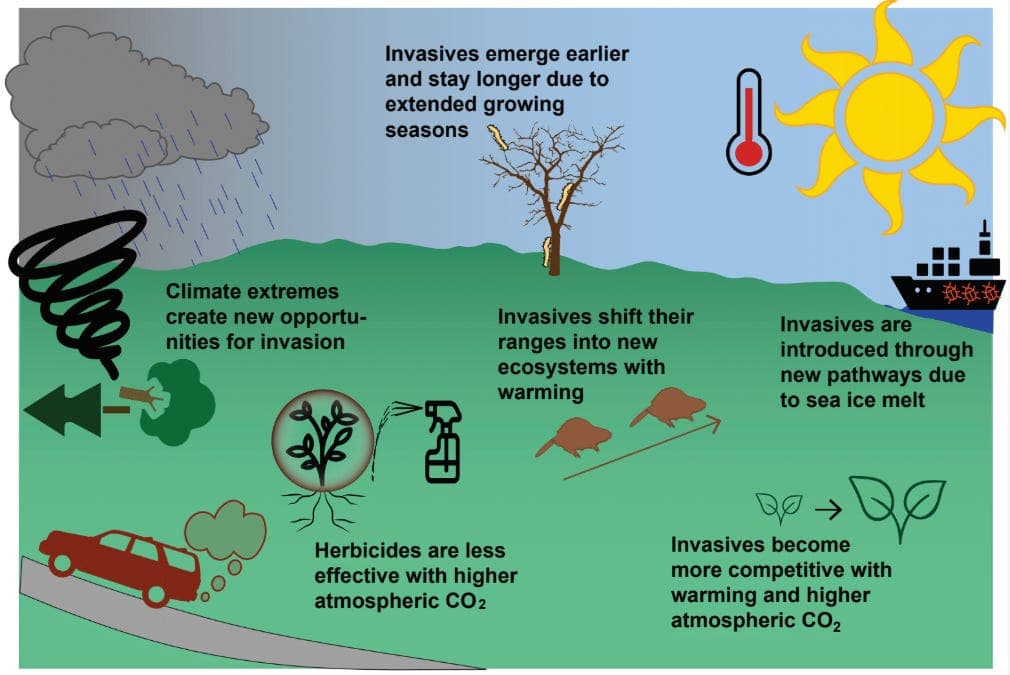
Concerns around **invasive species** and ongoing **Climate Week** initiatives highlight vulnerabilities:
> *"Invasive species and climate change are regarded as the two largest threats to local biodiversity and human health, prompting increased public awareness and policy action."*
Recent **storm events** and **coastal erosion** reinforce the urgency of **climate adaptation strategies**.
### Federal-State Coordination and Funding Delays
Delays in **FEMA disaster recovery funding**, such as the **$200 million** postponement, continue to challenge local resilience efforts:
> *"These setbacks threaten to slow disaster response and recovery, underscoring the need for improved federal-state coordination."*
### Push to Upgrade North Carolina Election Systems
A significant development is the **effort to modernize North Carolina’s election infrastructure**:
> *"State Auditor Dave Bullock has announced a new campaign finance oversight initiative aimed at increasing transparency, including upgrading voting machines, implementing more secure voting procedures, and expanding voter education programs."*
This initiative responds to recent concerns about **election security**, aiming to **restore public trust** and **boost voter participation**. The reforms are expected to **reduce misinformation** and **strengthen electoral integrity**, further supporting the trend toward a **more engaged, issue-focused electorate**.
### Federal Policy Shift: Relaxation of Pollutant Limits for Coal Plants
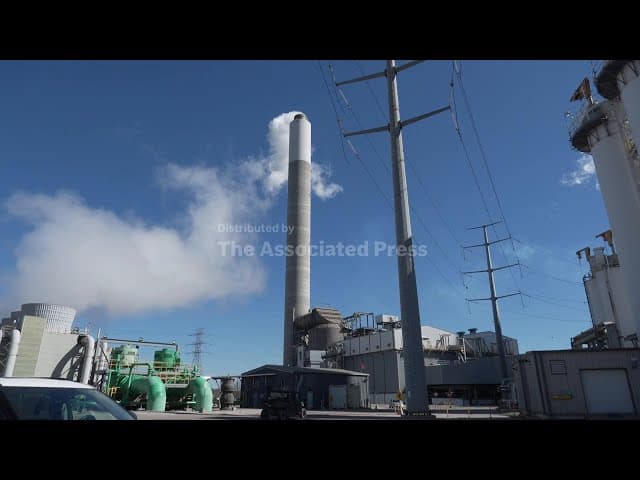
Adding to the evolving landscape, the **Trump administration’s recent move** to **relax limits on pollutants that coal plants may emit** marks a significant federal policy shift:
> 
> *Duration: 0:38 | Views: 73 | Likes: 0 | Comments: 0*
> *Published: 20 Feb 2026*
> *Description: RESTRICTION S*
This policy change could influence **state energy discussions**, potentially easing restrictions on coal-fired power plants and impacting ongoing debates around **environmental protection** versus **energy production**. It may embolden **fossil fuel interests** and complicate the state's efforts toward **climate resilience**, especially in a political climate increasingly focused on **community health** and **sustainable development**.
## Current Status and Future Implications
The cumulative effects of **legal victories**, **community activism**, **federal policy shifts**, **municipal initiatives**, and **electoral reforms** suggest North Carolina is gravitating toward a **more issue-focused, pragmatic political culture**. The decline of rigid partisan loyalty appears to be a persistent trend, driven by **local concerns** like **housing security**, **climate resilience**, **public safety**, and **trust in governance**.
Looking ahead, **voter engagement** is expected to increasingly depend on **tangible policy outcomes** rather than party identity. The results of upcoming primaries, legislative battles, and election reforms will be critical in shaping this new political reality. The recent federal policy relaxation on pollutants, in particular, may influence energy debates and environmental advocacy, adding an extra layer of complexity to North Carolina’s evolving governance.
**In sum**, North Carolina’s 2026 political landscape is characterized by a **shift from polarization toward pragmatism and community-driven solutions**. This transformation signals a future where **policy results and public trust** take precedence, fostering a more **collaborative, issue-oriented governance** rooted in **local priorities** rather than partisan divides. The state’s ongoing developments will determine whether this trend continues to deepen or if new challenges emerge to test its resilience.