# Mastering Core Typography Practice, Font Selection, and Responsive Type Techniques in 2026: The Latest Developments
Typography remains the vital backbone of compelling visual storytelling in 2026, blending centuries-old manual craftsmanship with cutting-edge AI-driven tools. As digital platforms diversify and user expectations evolve, typographers and designers are harnessing an ever-expanding array of resources, techniques, and innovations to craft adaptable, expressive, and accessible type across all media. This comprehensive update explores the latest trends, tools, and foundational practices shaping the landscape of modern typography mastery.
---
## Reinforcing the Foundations: Manual Skills and Historical Influences
At the core of effective typography lies an unwavering mastery of manual techniques such as **kerning**, **letterspacing**, **line height**, and **alignment**. Despite the proliferation of automation, these fundamentals remain essential, providing the precision and intentionality that algorithms alone cannot replicate. Recent tutorials emphasize that **manual refinement**—adjusting spacing, refining forms, and balancing hierarchy—is crucial to achieve polished, intentional designs.
**Historical craft influences** continue to inspire digital typography. Techniques like **sign painting**, **hand lettering**, and the art of **ornamental initials**—including **drop caps**—add tactile richness and personality to modern work. Resources such as the *"Sign Painting and Lettering Artists Reference Book"* encourage designers to evoke a handcrafted feel that elevates branding, editorial layouts, and posters.
A significant resource introduced this year is the **"Designing With Type: A Basic Course in Typography" PDF**, offering structured guidance on troubleshooting common issues, establishing effective visual hierarchy, and applying best practices systematically. This foundational guide remains invaluable for both beginners and seasoned professionals aiming to deepen their typographic understanding.
---
## Practical Resources and Advanced Techniques
### Font Discovery, Pairing, and Selection
The advent of AI-powered tools has transformed **font discovery** and **pairing**, enabling designers to work more efficiently without sacrificing creativity. Platforms like **"Font Of Web"** leverage machine learning algorithms to analyze project parameters and suggest harmonious font combinations tailored to specific contexts, streamlining workflows.
Moreover, **slab serif font packs**—such as those available on **Pixelbuddha**—are increasingly popular for their bold, impactful presence, making them ideal for headlines, branding, and display work. These collections are frequently integrated into AI-assisted workflows, allowing designers to incorporate striking typefaces swiftly and confidently.
### Responsive and Variable Typography
**Responsive typography** has become a standard practice in ensuring readability across devices. Techniques such as CSS functions using `clamp()` enable **fluid font scaling** based on viewport size, creating seamless experiences whether on mobile, tablet, or desktop. Tutorials like *"How to Make Responsive Typography in Divi 5 Using CSS Clamp"* provide practical, step-by-step guidance to implement these techniques, often combining manual CSS adjustments with AI-generated recommendations on font size, line height, and spacing.
**Variable fonts** have revolutionized typography by offering multiple axes of adjustment—such as weight, width, and optical size—within a single font file. AI tools now assist in **recommending axis settings**, facilitating **real-time adjustments** that adapt dynamically to user interactions or device contexts. This leads to **responsive, personalized experiences** that enhance usability and engagement.
### Icon Fonts, Custom Lettering, and Soft Fonts
Designers increasingly incorporate **AI-generated custom lettering** and **icon fonts** to create unique, scalable visual elements that maintain consistency across media. For example, custom icon fonts integrate seamlessly into responsive layouts, whether on smartphones or large-format signage.
A noteworthy trend this year is the emergence of **"Soft Fonts"**—a new category characterized by gentle, low-contrast, rounded letterforms with subtle curves and minimal visual tension. These fonts evoke a sense of calmness and approachability, making them suitable for branding, wellness apps, and premium product packaging. The resource *"Soft Fonts: The Gentle Whisper of Delicate Typography"* explores their aesthetics, ideal use cases, and best practices, emphasizing their role in creating inviting, understated visual identities.
---
## Integrating Manual Expertise with AI and Workflow Innovations
While AI tools automate many aspects—such as font pairing, layout variations, and size recommendations—**manual refinement** remains indispensable. Adjustments to **kerning**, **spacing**, and ornamental details like **drop caps** or **decorative initials** ensure that the final design aligns perfectly with brand standards and creative visions.
Recent tutorials highlight the importance of **ornamental lettering** in elevating visual interest. For instance, *"Typography Drop Caps and Decorative Initials Usage"* demonstrates how handcrafted elements can serve as focal points, imbue personality, and reinforce branding identity.
In terms of workflow, designers leverage platforms like **Procreate**, **Figma**, **Penpot**, and collaborative tools such as **Google Mixboard**. These platforms increasingly incorporate AI features—**automatic color palette generation**, **layout suggestions**, and **component recommendations**—which streamline project timelines and foster creative synergy.
For example, tutorials like *"Stop Coloring Outside the Lines! Clipping Masks in Procreate Explained"* empower artists to produce layered, textured assets that add richness and depth to digital storytelling, especially when combined with responsive typography techniques.
---
## Trends and Future Directions
### AI-Driven Responsive and Adaptive Typography
The future of typography is moving toward **real-time, AI-driven responsive systems**. Advances now enable **adaptive type** that adjusts dynamically based on user context, device capabilities, or emotional cues. For instance, AI can recommend **axis adjustments** in variable fonts or modify font weight and spacing in response to user interaction, transforming typography into an **active storytelling element**.
### Emphasizing Accessibility and Inclusivity
Design tools increasingly prioritize **accessibility**, simplifying workflows to produce type that meets contrast standards, legible sizes, and adjustable spacing. This democratizes high-quality, inclusive branding, ensuring that typographic choices serve diverse audiences, including those with visual impairments.
### Collaboration and Workflow Enhancements
The integration of **AI with real-time collaboration platforms** is revolutionizing team workflows. These systems enable rapid iteration, consistency, and seamless sharing, critical in fast-paced projects demanding timely delivery without sacrificing quality.
---
## Recent Innovations and Emerging Resources
One notable development is the inclusion of **"Soft Fonts"** resources, focusing on gentle, approachable typography styles. These fonts are particularly effective in sectors aiming for warmth and friendliness, such as wellness, hospitality, or premium lifestyle brands.
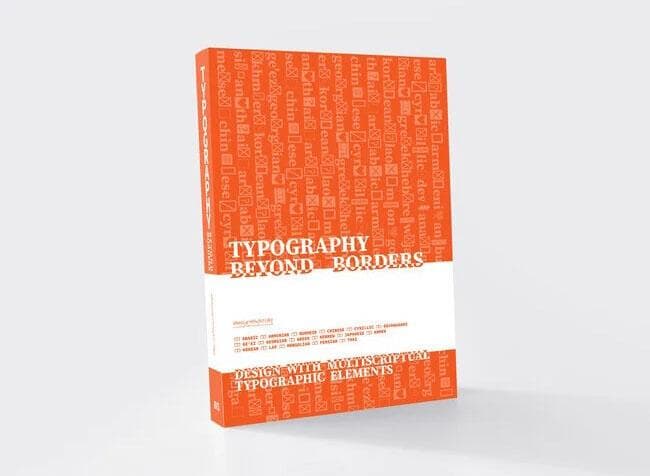
Additionally, **publications like "Typography Beyond Borders"** by Sherry Muyuan He—released this year—expand the cultural and institutional perspectives on type, emphasizing design’s global and inclusive dimensions. These works highlight how typography can serve as a bridge across cultures, fostering understanding and connection.
Tutorials continue to evolve, providing guidance on integrating manual craftsmanship with AI tools. Designers are encouraged to refine AI-suggested pairings manually, adjust kerning for brand-specific nuances, and incorporate ornamentation techniques rooted in traditional sign painting and hand lettering.
---
## Incorporating Large-Scale Branding and Cultural Perspectives
### Typography in Major Branding Events
An illustrative example of 2026’s typographic innovation is the **Olympic branding**, which exemplifies how typography can embody a nation’s spirit and global unity. The 2026 Winter Olympics in Milan and Cortina d’Ampezzo introduced new typographic identities characterized by **dynamic, adaptable fonts** that respond to various media, from digital banners to merchandise. The event's branding reflects a fusion of traditional Italian craftsmanship with modern AI-assisted design, emphasizing clarity, vibrancy, and cultural resonance.
### Expanding Cultural and Institutional Approaches
The publication **"Typography Beyond Borders"** by Sherry Muyuan He further underscores the importance of diverse cultural influences in contemporary typography. It advocates for a **more inclusive, global perspective**, encouraging designers to explore typographic traditions from different regions, integrating them into modern workflows with sensitivity and respect.
---
## Current Status and Implications
Today, **typography in 2026** is characterized by a **synergistic relationship** between manual expertise and technological innovation. Foundational skills like kerning, hierarchy, and ornamental detail continue to form the bedrock of quality design. Simultaneously, AI-driven tools—ranging from font pairing to real-time responsive adjustments—accelerate workflows and unlock new creative possibilities.
As the field evolves, emphasis on **accessibility**, **cultural inclusivity**, and **adaptive typography** ensures that type remains a powerful, versatile medium for storytelling, branding, and communication. Designers who master this blend of craft and technology will shape the future of visual language, creating work that is not only beautiful but also meaningful and accessible across the globe.
---
**In summary**, 2026 marks a pivotal year where traditional typographic mastery converges seamlessly with innovative technology, fostering a landscape rich with opportunity for creative exploration and cultural expression.