# Global Regulators Recalibrate Bank Liquidity, Repos, and Market Stability Tools Amid Evolving Risks
In an era marked by escalating geopolitical tensions, persistent inflation, and heightened market volatility, global regulators and central banks are undertaking a comprehensive overhaul of their liquidity management frameworks. Their goal: to enhance systemic resilience against emerging vulnerabilities, especially those originating from shadow banking, non-bank financial institutions, and interconnected funding markets. Recent developments highlight a decisive shift toward more **centralized, transparent, and adaptable tools**, reflecting lessons learned from past crises and the need to address contemporary risks.
## Modernizing Liquidity Standards: From Static Reserves to Dynamic, Transparent Tools
Building on the Basel III reforms and lessons from the 2008 financial crisis, authorities recognize that **static liquidity standards, such as reserve requirements, may inadvertently shift risks into less-regulated sectors**, notably shadow banking. A senior U.S. Treasury official recently warned that **"regulatory arbitrage remains a real concern,"** emphasizing the importance of **comprehensive oversight** beyond traditional banks.
**Key initiatives include:**
- **Transition to dynamic liquidity buffers:** Regulators are advocating for **adaptive, market-condition responsive buffers** capable of absorbing shocks during stress episodes, moving away from rigid reserve mandates.
- **Enhanced reliance on central bank backstops:** Central banks are positioning themselves as **ultimate liquidity providers**, reducing dependence on internal bank buffers and **strengthening systemic resilience**.
- **International coordination and transparency:** Efforts are underway to **improve cross-border cooperation** among regulators, aiming to **prevent liquidity squeezes and contagion**, especially in highly interconnected markets.
These reforms seek to **capture risks from non-traditional sources**, minimize **regulatory arbitrage**, and **bolster overall financial stability** in an increasingly complex environment.
## Central Bank Innovation: Upgrading Market Infrastructure and Operational Tools
Recent episodes of funding market turbulence—characterized by **spikes in repo rates**, **funding premiums**, and **volatility in Treasuries and FX markets**—have prompted major central banks to **expand and innovate their operational toolkit**:
- **Bank of Canada's Central Repo Clearing Initiative:** Announced plans to **transition from bilateral repo transactions to a centralized clearing platform**. This initiative aims to **reduce settlement and counterparty risks**, **enhance transparency**, and **stabilize short-term funding markets** during periods of stress.
- **Other major central banks’ measures:** The **Federal Reserve, ECB, BoE, Bank of Japan**, and others are **ramping up open market operations** and **launching new liquidity facilities** to **provide timely support during funding shortages**, **curb propagation of funding stress**, and **prevent liquidity crises from escalating**.
In addition, **innovations such as centralized repo clearing platforms** are being explored or implemented to **reduce systemic fragility**. These measures are designed to **mitigate the impact of recent volatility in repo rates and funding premiums**, which have underscored the vulnerabilities in short-term funding markets.
## Ongoing Challenges: Basel III, Shadow Banking, and Systemic Risks
Despite these proactive reforms, **insiders warn that Basel III and other post-crisis regulations may unintentionally push risks into shadow banking and less-regulated sectors**. A prominent central banker remarked that **"regulatory arbitrage remains a serious concern,"** and called for **more centralized and comprehensive risk management frameworks**.
Recent episodes—such as **spikes in repo rates**, **liquidity premiums**, and **funding shortages**—highlight the fragility of funding markets. The **growth of non-bank financial institutions (NBFIs)**, which often operate outside the scope of traditional prudential oversight, **amplifies systemic vulnerability**. These entities frequently **escape strict liquidity and capital requirements**, making the financial system more susceptible to shocks and contagion.
This situation has led to **urgent calls for enhanced oversight** and the **deployment of centralized risk mitigation tools** aimed at **preventing risk transfer into shadow banking**, **reducing systemic fragility**, and **ensuring a more resilient financial infrastructure**.
## Geopolitical and Inflationary Pressures Heighten Uncertainty
Adding layers of complexity, **geopolitical tensions—most notably the ongoing Iran conflict—disrupt energy supplies and fuel market uncertainty**, further complicating policy responses.
Recent data and analyses include:
- The **Iran war’s impact**: Heightened geopolitical tensions have contributed to **market disruptions** and **uncertainty**, which in turn **drive volatility** in funding and asset prices.
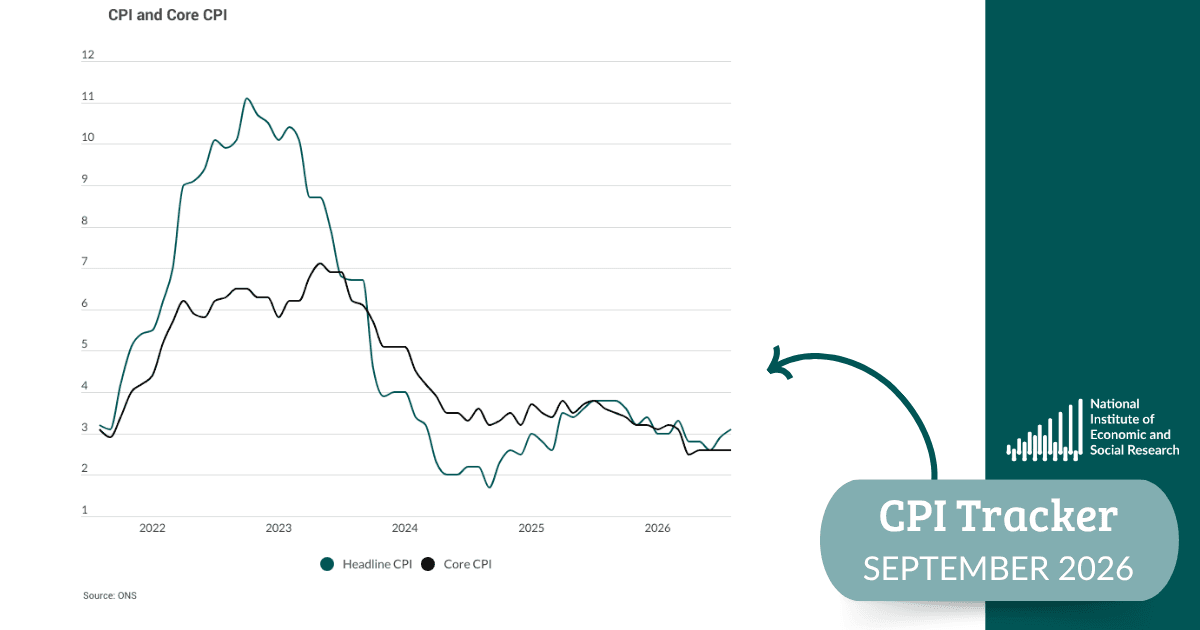
- **Inflation trends**: The upcoming **Consumer Price Index (CPI) figures for February** are expected to show a **moderate increase of around 0.2%**, but **inflation remains stubbornly high across many economies**. This **delays rate cut prospects** and **sustains pressure on monetary policy**, compelling central banks to balance between **inflation control and financial stability**.
### Central Bank Stances and Policy Signals
In this environment, **major central banks are actively signaling their policy trajectories**:
- The **Bank of Japan (BOJ)** is **expected to maintain its current rate stance**, emphasizing cautiousness amid geopolitical risks and inflation persistence.
- The **Reserve Bank of Australia (RBA)** is **anticipated to hike rates** in response to domestic inflation pressures.
- The **Federal Reserve, ECB, and Bank of England** are **considering further rate hikes or cautious pauses**, depending on incoming data—particularly energy prices and inflation figures.
These decisions will **significantly influence liquidity conditions, funding costs, and overall market stability**, illustrating the **interconnection between inflation management and systemic risk mitigation**.
## Market Signals and the Urgency for Coordinated Action
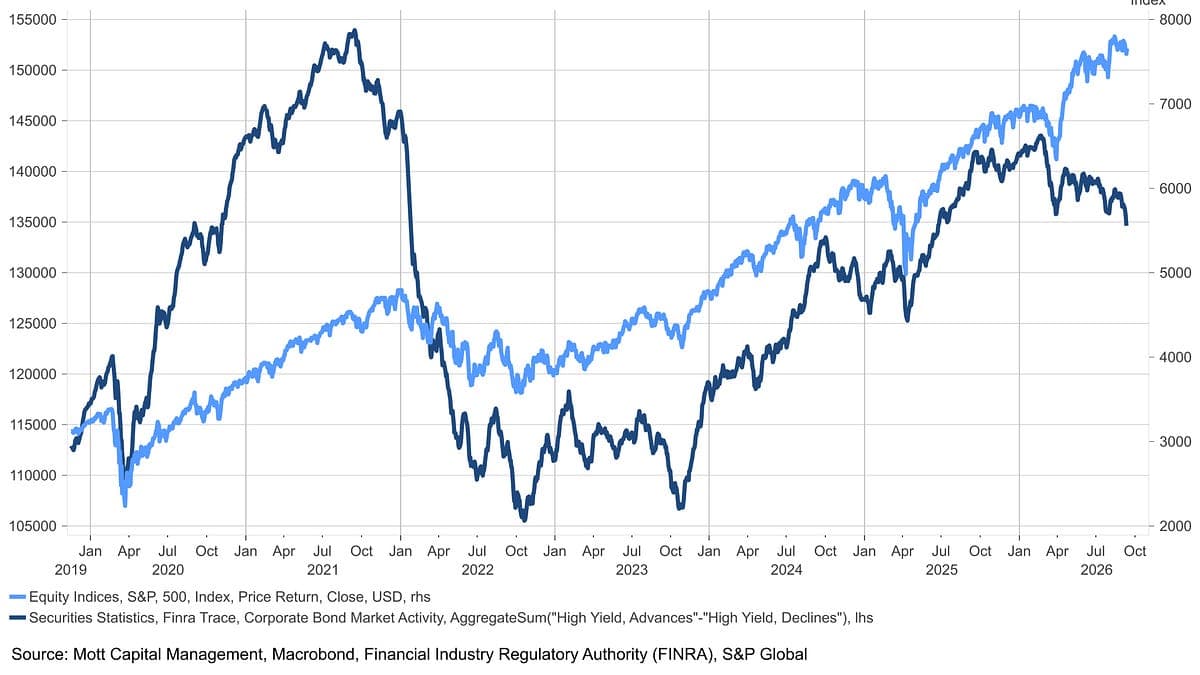
Recent episodes—such as **spikes in repo rates**, **short-term funding premiums**, and **volatility in US Treasuries and foreign exchange markets**—highlight an urgent need for **coordinated, centralized risk management measures**. Market reactions **often trigger swift policy responses**, including **liquidity injections**, **adjustments to open market operations**, and **upgrades to market infrastructure**.
The upcoming week, often called the **“central bank bonanza,”** features **key policy meetings and announcements from the Fed, ECB, BoE, BoC, RBA, and BOJ**. These events are critical in **shaping near-term liquidity and funding conditions**:
- **Enhanced liquidity facilities** are expected to **support markets during stress episodes**.
- **Revisions to open market operations** aim to **manage liquidity more effectively**.
- **Infrastructure upgrades**, such as **centralized repo clearing initiatives**, are designed to **reduce systemic vulnerabilities**.
## Current Status and Implications
In sum, **the global financial system stands at a pivotal juncture**. The convergence of **geopolitical shocks**, **persistent inflation**, and **market volatility** has exposed the **limits of existing frameworks**. The recent push toward **centralized risk management**, **market infrastructure enhancements**, and **international regulatory coordination** reflects a shared understanding that **fragmented or overly rigid systems risk undermining stability**.
**The “Week Ahead” is critical**, as **policy signals from major central banks** could **reshape liquidity landscapes** and **systemic resilience**. **Coordination, infrastructure upgrades, and targeted oversight of shadow banking and non-bank actors** will be essential to **prevent risk migration** and **strengthen systemic robustness**.
**In conclusion**, as the financial landscape continues to evolve amid geopolitical and inflationary uncertainties, regulators are increasingly emphasizing **adaptive, transparent, and centralized approaches**. These measures aim to **navigate current turbulence**, **mitigate systemic risks**, and **enhance the resilience of the global financial system** in an interconnected world.
---
### Additional Insights from Recent Developments
- **Inflation Data Due Next Week:** The **Consumer Price Index (CPI)** scheduled for release will be closely watched. Recent figures from *The Globe and Mail* indicate that **CPI grew 2.3% in January**, slightly down from 2.4% in December, with a **seasonally adjusted monthly increase of 0.1%**. While moderate, these figures underscore **sticky inflation pressures** that complicate policy easing.
- **International Inflation Trends:** In Israel, **CPI surpassed forecasts**, hinting at **persistent inflationary pressures globally**. Experts suggest **inflation may remain elevated through 2026**, which sustains the case for cautious monetary policy.
- **Stagflation Risks:** Commentary from *Notes from the Desk* highlights the **risk of stagflation**, describing it as "**Stagflation With Missiles**," emphasizing that **geopolitical conflicts can exacerbate inflation while stifling growth**, further complicating policy decisions.
---
### Final Remarks
The next few weeks will be pivotal in **determining the trajectory of global financial stability**. Central banks’ **policy signals, infrastructure investments**, and **regulatory coordination efforts** will shape how markets navigate ongoing risks. The emphasis remains on **building resilient, transparent, and adaptable systems** capable of withstanding shocks driven by geopolitical tensions, inflation persistence, and market volatility.
**Maintaining systemic stability in such an interconnected environment remains a shared priority**, demanding continued vigilance and proactive, coordinated responses from regulators worldwide.