# Updated Intelligence Appraisal: Russia’s Military Intentions Toward NATO in a Complex and Evolving Environment
The strategic landscape in Europe remains precariously balanced, with Moscow’s intentions toward NATO continuing to provoke intense analysis. While Russia publicly projects a posture of deterrence rather than outright aggression, recent developments—ranging from military activities and diplomatic engagements to cyber and economic maneuvers—highlight a nuanced and layered strategic calculus. This updated intelligence assessment synthesizes the latest information, emphasizing that although Russia **lacks both the capacity and the political will for a large-scale attack on NATO within the next one to two years**, the regional security environment remains volatile, unpredictable, and susceptible to miscalculation.
## Continued Strategic Restraint Amid Persistent Constraints
**Russia’s leadership maintains a stance of strategic restraint**, emphasizing deterrence and regional influence over open conflict. Several core constraints underpin this cautious posture:
- **Logistical Challenges**: Russia’s vast geography and strained supply networks continue to serve as natural deterrents. Despite modernization efforts, infrastructure bottlenecks and geographic hurdles limit rapid force deployment and sustained offensive campaigns.
- **Technological and Operational Gaps**: While Russia has invested heavily in advanced missile systems, electronic warfare (EW) platforms, and upgraded aircraft, these systems **are not yet fully operational or integrated at a decisive level**. Persistent gaps in interoperability, operational readiness, and combined arms capabilities reinforce Moscow’s hesitance to escalate.
- **Domestic and International Political Risks**: Moscow is acutely aware that any escalation could trigger **severe international sanctions, diplomatic isolation, and domestic dissent**. These risks reinforce a preference for regional influence and strategic signaling rather than full-scale conflict.
Consequently, **Russia’s current approach emphasizes force modernization, strategic signaling, and regional deterrence** aimed at dissuading NATO intervention while avoiding escalation into open warfare.
## Military Activities: Demonstrations of Resolve and Signaling
In recent months, Moscow has undertaken a series of military activities designed to **maintain strategic ambiguity and demonstrate operational readiness**:
- **Troop Reinforcements and Infrastructure Development**: Russia has **announced plans to bolster forces near border regions**, deploying additional battalions, increasing rotational deployments, and upgrading logistical infrastructure. These actions serve as **symbolic deterrence**, signaling Moscow’s capability and resolve without crossing into provocative escalation.
- **Weapon System Modernization**: Continued emphasis on **advanced missile systems, electronic warfare (EW) platforms, and upgraded aircraft** aims to **disrupt NATO communications and command systems**, creating operational complexities for alliance response.
- **Military Exercises**: Russia has conducted numerous large-scale drills—ranging from strategic deterrence tests to regional maneuvers involving **thousands of troops and cutting-edge weaponry**. These exercises are **force demonstrations** intended to showcase Moscow’s readiness and resolve, while carefully avoiding signals of imminent attack.
- **Diplomatic and Strategic Messaging**: Moscow’s responses to Western policy shifts—including **praising U.S. policy reorientations and engaging in high-level summits**—serve as **calibrated signals**. They are designed to **keep NATO uncertain about Russia’s true intentions** while projecting strength and stability.
## The Ukraine Conflict: A Central Strategic Factor
The ongoing conflict in Ukraine remains central to Russia’s strategic posture. **Recent assessments suggest the Ukraine campaign has entered a prolonged stalemate**, with **territorial gains limited despite intense fighting**. As Jens Sorensen noted, **“Four Years In, Putin’s Ukraine Conquest Is Still Stalled—But He’s Still Got Trump On His Side,”** illustrating that the conflict continues to constrain Moscow’s broader ambitions.
**European intelligence agencies** increasingly believe that **a quick resolution or peace agreement in Ukraine is unlikely before 2026**. This persistent stalemate **keeps NATO on high alert**, sustains regional tensions, and **limits Russia’s capacity and willingness for wider escalation**. Moscow is thus balancing its regional intervention with a cautious approach, seeking to avoid wider war while maintaining leverage through the Ukraine conflict.
## Western Responses: Deterrence, Readiness, and Alliance Cohesion
In response to Russia’s military signaling and ongoing activities, **NATO and Western allies have maintained a high state of preparedness**:
- **Enhanced Defensive Postures**: The alliance is **investing heavily in missile defense systems, electronic warfare capabilities, and rapid deployment forces** to counter Moscow’s modernization efforts.
- **Increased Military Exercises**: NATO has **intensified drills across eastern member states**, along with infrastructure upgrades to ensure rapid response capabilities. These measures aim to **demonstrate resolve** and **deter potential miscalculations**.
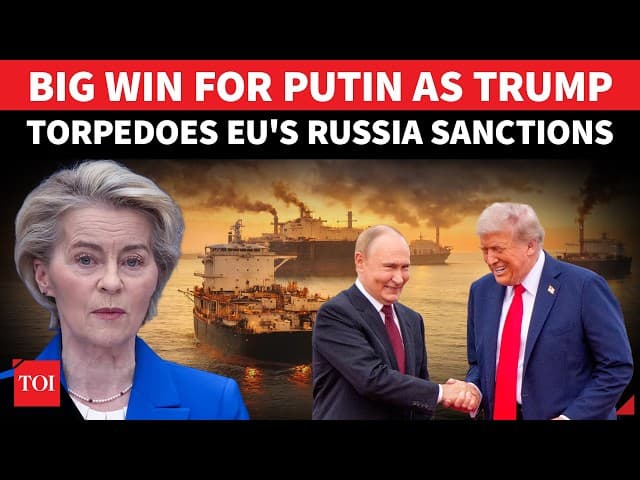
- **Sanctions and Diplomatic Measures**: The U.S. and allies have **extended and intensified economic sanctions**, notably **renewing measures related to Ukraine**. However, **internal disagreements persist**, especially within the EU, over sanctions targeting Russian energy sectors such as oil, which **could undermine Western unity** and **weaken deterrence signals**.
The overarching goal remains to **deter Russian aggression**, **strengthen alliance cohesion**, and **limit Moscow’s tactical flexibility**. Maintaining a unified Western stance is critical to **prevent miscalculations that could escalate into conflict**.
## New Developments: Economic, Diplomatic, and Cyber Dimensions
Recent intelligence highlights emerging complexities and new frontiers in Russia’s strategic environment:
- **Deepening Economic and Political Linkages**: Reports reveal **U.S. actors, including financiers associated with former President Donald Trump, engaging with Russian firms such as Novatek**, a major natural gas producer. The New York Times detailed these interactions, raising concerns that **deepening financial links could influence U.S. policy signals and complicate Western cohesion**.
- **High-Level Diplomatic Engagements**: The **recent summit in Alaska between President Biden and President Putin**—described as **"productive"** by some—underscores ongoing diplomatic efforts. Such engagements **leave open the possibility of future strategic shifts** that could influence Moscow’s deterrence posture.
- **Cyber Domain Tensions and Sanctions**: A notable development involves **U.S. sanctions over alleged sales of cyber secrets to Russia**, as reported by Firstpost America. These sanctions **highlight the intensifying cyber competition**, with concerns that **cyber espionage, cyberattacks, and disinformation campaigns** could **undermine command and control systems**, and **escalate tensions in the digital domain**.
- **Signals from U.S. Political Shifts**: There are indications that **U.S. political developments, including debates over policy approaches and possible shifts in approach**, may **indirectly influence Russian strategic calculations**. For example, **the political discourse surrounding figures like Trump**—who, according to some analyses such as "How Trump Is Undermining Putin" in The National Interest—**may impact Moscow’s perceptions of Western cohesion and resolve**.
## Implications and Recommendations for the Future
While **Russia’s military posture remains cautious**, emphasizing modernization, regional signaling, and strategic ambiguity, the evolving landscape—including economic linkages, cyber threats, and diplomatic engagements—poses ongoing challenges. **The key to maintaining stability involves:**
- **Sustaining robust intelligence sharing, surveillance, and early warning systems** to detect rapid changes or signs of escalation.
- **Investing in missile defense, electronic warfare, and rapid deployment capabilities** to counter Moscow’s modernization efforts and ensure quick response options.
- **Reinforcing alliance cohesion** through continued joint exercises, infrastructure investments, and clear political messaging to prevent internal divisions from weakening deterrence.
- **Strengthening cyber defenses and resilience**, including protecting critical communication and command systems from espionage, disinformation, and cyberattacks.
- **Addressing policy coherence among Western allies**—particularly within the EU—to prevent internal disagreements from diluting deterrent signals and maintaining a unified front.
## Current Status and Outlook
**Russia’s approach toward NATO remains characterized by cautious deterrence, regional signaling, and strategic ambiguity**. The combination of logistical, technological, and political constraints **limits the likelihood of a large-scale NATO attack in the immediate future**. However, **regional tensions, the Ukraine stalemate, and expanding cyber and economic linkages** mean that **the security environment remains fragile and vulnerable to miscalculation**.
**The region’s stability depends on a delicate balance**—one that requires **credible deterrence, sustained alliance unity, and adaptive intelligence efforts**. As Moscow’s capabilities and strategic intentions continue to evolve, **the resilience and responsiveness of NATO and allied partners will be vital in preserving peace and stability in Europe**. Vigilance, strategic patience, and coordinated action are essential to avoid escalation and sustain a stable security environment amid ongoing uncertainties.