# The Future of Fashion in 2026: AI-Driven Creativity, Heritage Narratives, Regional Innovation, and Resilient Operations
As we move deeper into 2026, the fashion industry continues its rapid transformation, driven by cutting-edge technological advancements, renewed emphasis on cultural authenticity, and regional manufacturing initiatives. The integration of **generative AI**, **digital storytelling**, and **localized, adaptive supply chains** is fostering a new era where brands craft hyper-personalized content, honor their heritage, and build resilient, sustainable operations. These developments are reshaping how fashion is designed, marketed, and produced—and how brands navigate the delicate balance between innovation and tradition.
## AI-Driven Creativity and Generative Tools: Powering Hyper-Realistic Content and Micro-Narratives
The role of **generative AI** remains pivotal in 2026, enabling fashion brands to produce **hyper-realistic visual assets** with remarkable speed and accuracy. Platforms like **Higgsfield Soul 2.0** have become industry staples, allowing designers to manipulate lighting, poses, and perspectives effortlessly to generate bespoke content aligned with campaign objectives or consumer preferences. This shift accelerates creative workflows while significantly reducing environmental impacts by cutting down on wasteful sample production.
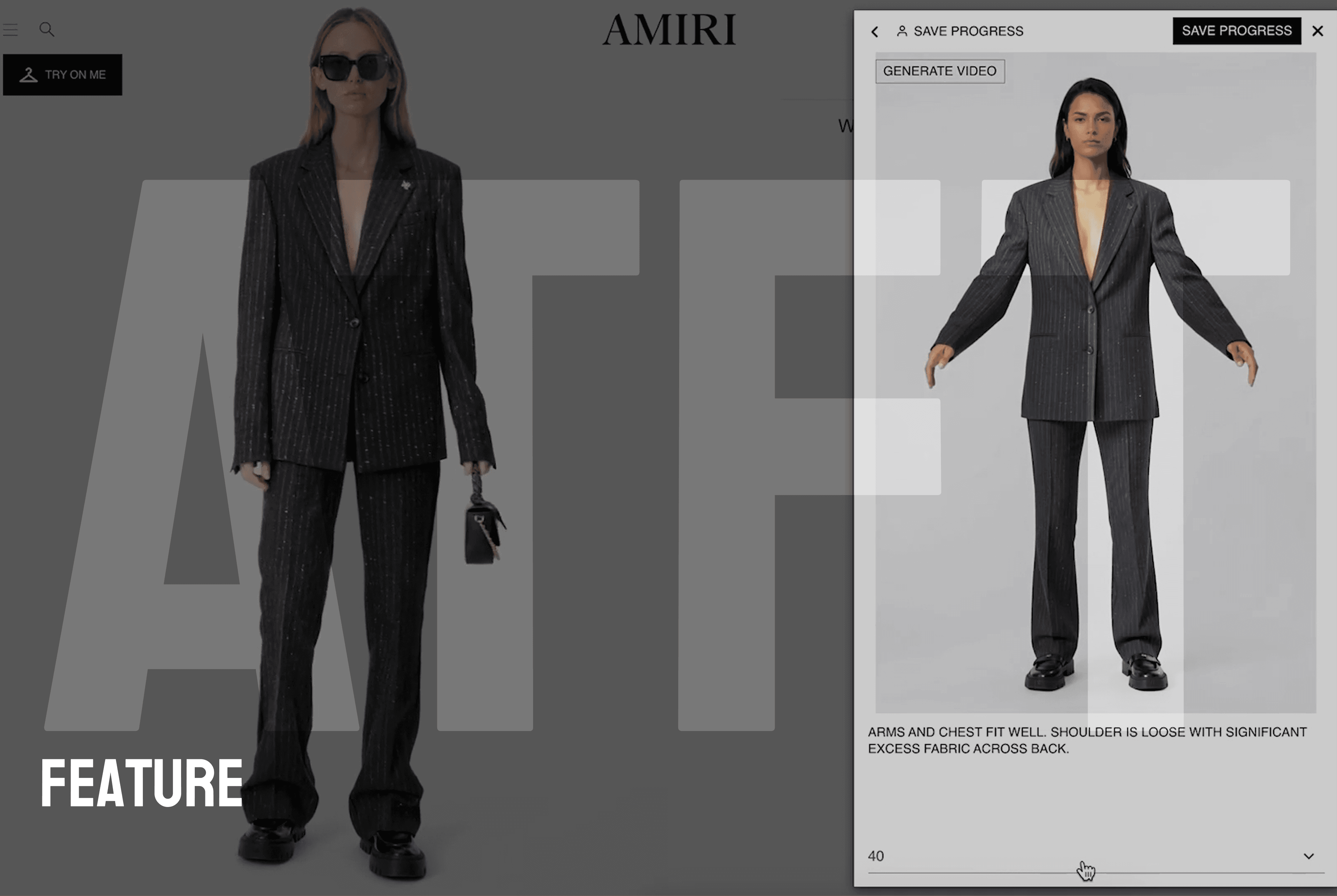
**Virtual models** such as **WearView** and **Visual Best** have further entrenched themselves as essential tools, facilitating **virtual photoshoots** that eliminate the need for physical setups—cutting costs by as much as **90%**. These digital ambassadors can be customized extensively, enabling brands to craft **interactive storefronts** and **immersive experiences** tailored for **digital-native audiences** that value authenticity and innovation.
### Micro-Content and Narrative Strategies
In 2026, storytelling emphasizes **micro-content**—short, impactful videos, social snippets, and micro-dramas optimized for rapid consumption on platforms like TikTok and Instagram. Brands such as **Bode** and **GENRAGE** exemplify this approach by showcasing **artisanal craftsmanship** or **cultural narratives** that foster **authentic engagement**. For instance, Seiko’s streetwear capsule collection draws on heritage storytelling to deepen **customer loyalty**.
Grassroots brands like **Kids of Queens**, founded by Lindsay Colbus, exemplify the power of **community-driven narratives**. Lindsay’s platform, inspired by her son's diagnosis, promotes **streetwear supporting children’s well-being**, demonstrating how **social missions** and **genuine storytelling** cultivate passionate, loyal consumers.
Recent campaigns such as **"Short-Form Storytelling: Captivating Audiences in Seconds! #shorts"** highlight how brands harness **digital storytelling** to engage audiences swiftly across social media. Simultaneously, **digital PR strategies** increasingly highlight **heritage and craftsmanship**, forging emotional bonds and reinforcing brand authenticity.
## Merging Heritage with Digital Innovation: Building Authentic, Tech-Enhanced Narratives
While digital tools revolutionize creative and marketing processes, **traditional craftsmanship** remains vital. Brands like **Lucy** and historic Detroit hat shops demonstrate that **hybrid approaches**—fusing artisanal techniques with digital storytelling—create compelling value propositions. Consumers are increasingly seeking **cultural depth** and **authenticity**, which these hybrid strategies effectively deliver, fostering **trust**, long-term engagement, and a distinct **brand identity**.
## Operational Resilience: Micro-Factories, Additive Manufacturing, AI Agents, and More
Supporting these creative and narrative efforts are **innovations in manufacturing and supply chain management**, essential for building **resilience** and **sustainability**.
### Micro-Factory Hegemony and Regional Innovation
The concept of **Micro-Factory Hegemony**—small, regional production hubs—has gained prominence in 2026. These micro-factories facilitate **on-demand manufacturing**, **waste reduction**, and **cost efficiencies**, especially when integrated with **digital twins** and **smart labeling**. They enable **real-time supply chain responsiveness**, allowing brands to adapt swiftly to market trends.
A key development is Guangdong’s strategic push toward **deepening innovation in intelligent manufacturing**. The provincial government has announced initiatives integrating **AI, IoT, and robotics** into local factories, aiming to establish Guangdong as a **leader in next-generation industrial innovation**. This regional focus exemplifies how micro-factories can serve as **testbeds** for scalable, sustainable manufacturing—driving global transformation.
### Additive Manufacturing and Customization
**Additive manufacturing (AM)** has evolved into a **strategic, scalable production method**. Recent breakthroughs enable brands to **mass customize** products and produce **short-run, complex designs locally**, drastically reducing **logistics costs** and **carbon footprints**. This aligns with sustainability goals and allows rapid response to emerging trends or individual preferences.
### No-Code Platforms and Warehouse Robotics
The rise of **no-code AI manufacturing platforms** like **AppSheet** democratizes **production planning**, **inventory management**, and **quality control**, empowering smaller brands to develop **custom workflows** without extensive technical expertise. Tutorials demonstrate how **AI-powered no-code apps** streamline operations, broadening access to advanced manufacturing.
Meanwhile, **warehouse automation** is transforming fulfillment. Reports such as **"One Billion Picks — And the Warehouse Robots Behind Them"** reveal that **AI-managed inventory** and **robotic systems** have doubled operational capacity and reduced costs—Carhartt, for example, achieving **7% cost reductions**. These systems increase **capacity** and **efficiency**, critical for maintaining resilience.
**However,** increased reliance on **API integrations** and digital systems introduces vulnerabilities. A recent incident involving an **API failure** caused a **global supply chain disruption**, illustrating the importance of **robust system architecture**, **redundant infrastructure**, and **contingency planning** to safeguard operations.
## Cutting-Edge Developments: AI-Powered Freight Procurement and Market Scrutiny
A notable milestone in 2026 is the launch of **project44’s AI Freight Procurement Agent**—a tool that automates **carrier selection**, **rate benchmarking**, and **negotiations** across transportation modes. By leveraging **advanced AI algorithms**, this system ensures **optimized sourcing**, reduces costs, and speeds up freight logistics, signifying a shift toward **fully automated, intelligent supply chains**.
### Market Debate: AI Freight Market Momentum vs. Operational Reality
Following the rapid appreciation of **Algorhythm Holdings (NASDAQ: RIME)** shares last week, a new wave of scrutiny has emerged. **Warp**, a prominent industry analyst, responded to the hype surrounding **AI freight solutions** with a pointed critique: “**Market momentum is not operational proof**.”
**Warp’s statement underscores a critical perspective:** while AI freight platforms like **project44** generate buzz and attract investor interest, **actual operational efficacy** remains unproven at scale. The industry is witnessing **initial adoption**, but **full integration** and **reliable performance** are still in development stages. The recent surge in stock prices, driven by investor optimism, contrasts with **real-world deployment challenges**, such as system failures, integration issues, and unforeseen disruptions.
This debate highlights the importance of **due diligence**, **pilot testing**, and **robust validation** before fully relying on AI-driven freight solutions for critical supply chain functions.
## Sustainability and Circularity: Toward a Regenerative Fashion Ecosystem
Sustainability remains a core focus. Digital **product passports** now enable **full traceability** of materials and manufacturing processes, vital for combating counterfeiting and supporting **resale markets**. The industry’s push toward **bio-based textiles** and **recycled materials** accelerates, with brands investing heavily in **bio-textiles** that meet high-performance standards while minimizing environmental impact.
**Circular initiatives**—such as **resale platforms** and **clothing rental services**—are expanding rapidly, promoting **circular consumption** and **extended product lifecycles**. These efforts aim to **reduce waste**, foster **regenerative practices**, and create a more sustainable, resilient industry ecosystem.
## Workforce Dynamics and Risk Management: Balancing AI Innovation
**Agentic AI** continues to transform workforce structures, especially in entry-level roles. A recent Gartner report indicates that **55% of industry leaders** believe **AI will reduce traditional entry-level jobs**, prompting urgent investments in **reskilling programs**. Brands are partnering with educational institutions to develop **upskilling initiatives** and **talent pipelines** that prepare workers for an AI-augmented workplace.
At the same time, increased dependence on **digital infrastructure** raises **dependency risks**. The API failure incident underscores the necessity for **redundant systems**, **contingency plans**, and **security measures** to ensure **operational continuity** during unforeseen disruptions.
## Current Status and Future Outlook
The fashion industry in 2026 embodies a **holistic ecosystem** where **digital innovation**, **cultural authenticity**, and **regional manufacturing** converge. Brands that **embrace AI-driven creative workflows**, **highlight genuine narratives**, and **invest in resilient, localized supply chains** will enjoy competitive advantages—differentiation, agility, and sustainable growth.
The regional initiatives, exemplified by Guangdong’s push toward **intelligent manufacturing**, demonstrate how **regional innovation hubs** can serve as catalysts for **global industry evolution**—balancing **technological progress** with **cultural depth** and **environmental responsibility**.
## Final Reflection
The ongoing evolution underscores a fundamental truth: **integrating technology thoughtfully**, **upholding authenticity**, and **fostering regional collaboration** are essential for long-term success. As the industry continues to innovate, those brands that **seamlessly weave tradition with technology**, **prioritize sustainability**, and **manage risks proactively** will lead the way into a vibrant, responsible, and dynamic future.
**The future favors brands that see technology as an enabler of cultural richness, authenticity as a loyalty driver, and regional ecosystems as the foundation for resilience and growth.** With these principles, the fashion industry in 2026 is poised for a transformative journey—one that balances innovation with integrity, and efficiency with authenticity.