# Telugu Calendar and Festival Dates for 2026: Celebrations, Developments, and Cultural Highlights
As the Telugu community eagerly approaches 2026, the importance of the lunar-based Telugu calendar continues to serve as a vital guide for religious, cultural, and regional festivities. This year, advances in astronomical calculations, technological innovations, and increased global engagement have significantly enhanced the precision, spiritual depth, and vibrancy of key celebrations. From the onset of **Phalgunam** to the grand observances of **Ugadi**, **Maha Shivaratri**, **Holi**, **Rama Navami**, **Diwali**, and ongoing spiritual practices like **Sri Somavara Vrata**, 2026 promises a year marked by renewed cultural expression and spiritual rejuvenation.
---
## Enhanced Accuracy and Planning with the Telugu Lunar Calendar
Recent developments in astronomical computations have revolutionized the way the Telugu lunar calendar is prepared and used. These advancements enable communities to plan their festivals with **unprecedented precision**, ensuring that rituals, temple ceremonies, and cultural events occur during **most auspicious moments**—thereby maximizing spiritual benefits. This heightened accuracy fosters **greater unity** among Telugu people across diverse regions and strengthens their **spiritual bonds**, especially within the diaspora worldwide.
For example, the **start of Phalgunam** in 2026 is now accurately identified as occurring around **February 19 or 20**, depending on regional calculations. Such clarity allows communities to prepare in advance for early spring festivities, aligning rituals and celebrations with lunar timings that optimize their spiritual impact.
---
## Major Festivals and Their Exact Timings in 2026
### 1. **Phalgunam: The Season of Renewal**
Phalgunam signals the transition from winter to spring, embodying renewal, hope, and community bonding. In 2026, it begins approximately on **February 19 or 20** and extends into mid-March. This period is considered highly auspicious for performing rituals, festivals, and spiritual practices, with precise lunar timings enhancing their spiritual efficacy.
### 2. **Key Festivals and Their Confirmed Dates**
#### **a. Phulera Dooj: February 19, 2026**
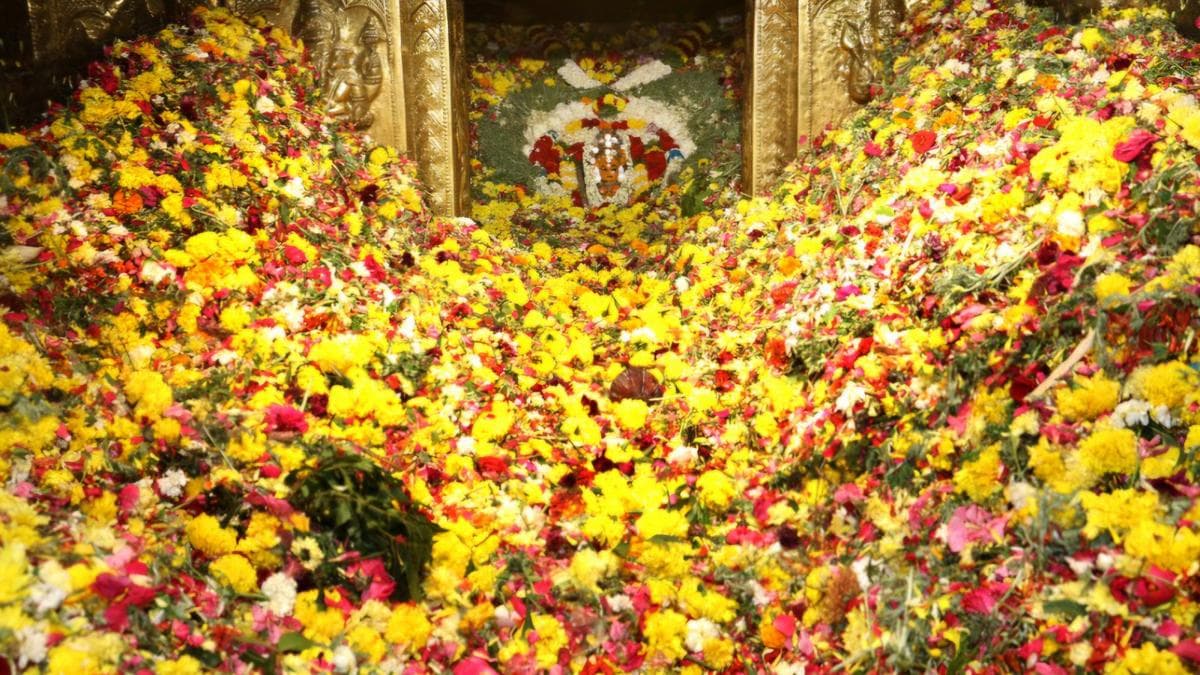
Celebrated in honor of Lord Krishna and Radha’s divine love, **Phulera Dooj** features **flower-filled processions**, **devotional singing**, and **folk dance** performances.
- **Timing:** Begins on **February 19 at 4:57 pm**, extending into February 20.
- **Activities:** The rituals involve **flower offerings** and **spring festivities** symbolizing joy, love, and renewal.
#### **b. Sri Somavara Vrata: February 23, 2026**
Dedicated to Lord Shiva, this vrata involves fasting and prayer on the first Monday of February.
- **Timing:** Observed on **February 23**.
- **Rituals:** Devotees perform **special pujas**, chant Shiva mantras, and meditate, fostering **spiritual growth** and **prosperity**.
#### **c. Maha Shivaratri: February 29, 2026**
This major festival witnesses immense participation at Shiva temples across India and abroad.
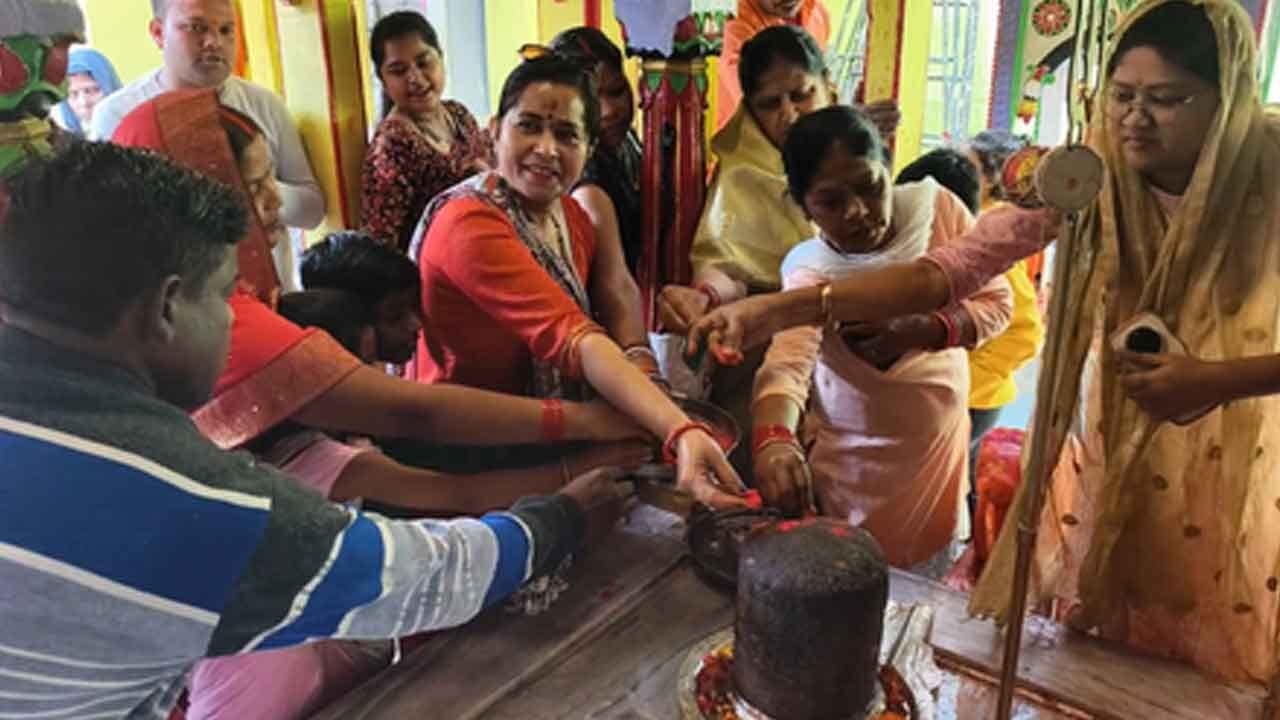
- **On-the-ground Observances:** Temples in Andhra Pradesh, Telangana, Tamil Nadu, and regions like Srikakulam and Vizianagaram saw record crowds, with **night-long vigils** and **special pujas**.
- **Global Celebrations:** Over **a million devotees** participated at the **Pashupatinath Temple** in Nepal—UNESCO World Heritage site—and other prominent temples worldwide.
- **Community Reports:** *"Devotees across the Telugu-speaking regions have shown extraordinary enthusiasm, with temple attendances reaching new heights,"* reports local sources, reaffirming Maha Shivaratri’s status as a pivotal spiritual event globally.
#### **d. Holika Dahan & Holi: March 4-5, 2026**
- **Holika Dahan:** Celebrated on **March 4**, communities gather around **bonfires** symbolizing the **victory of good over evil**.
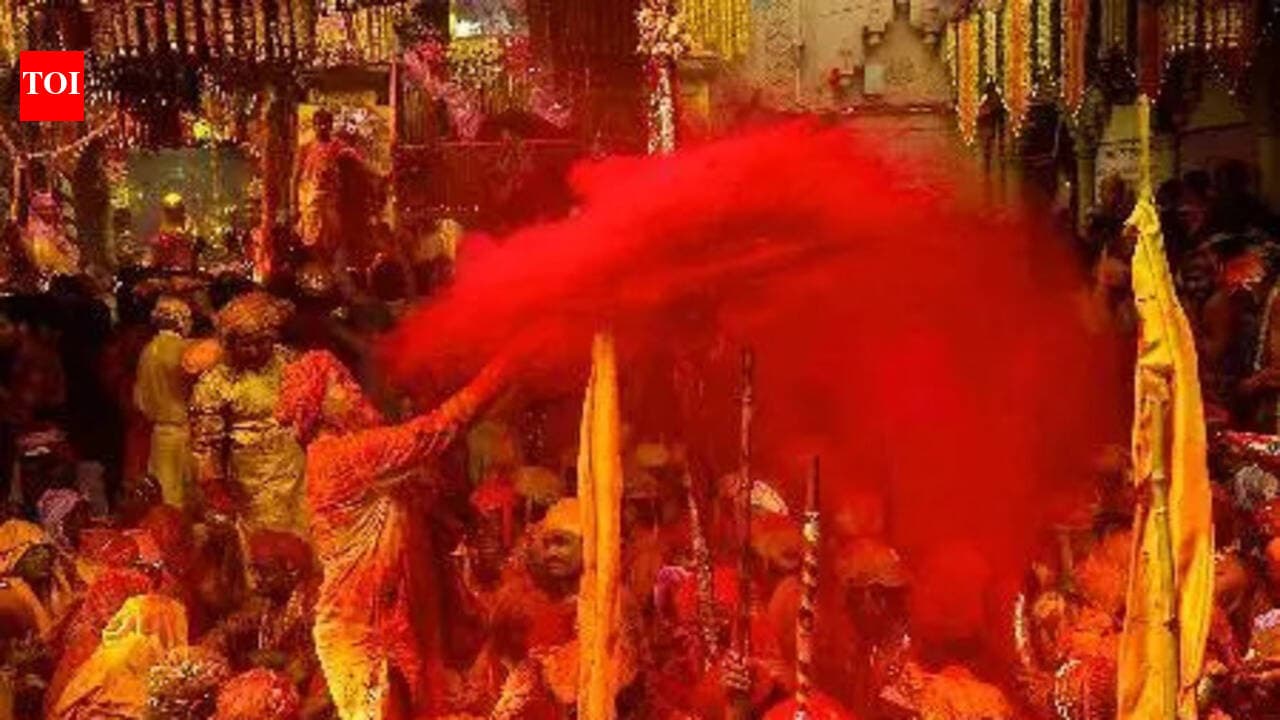
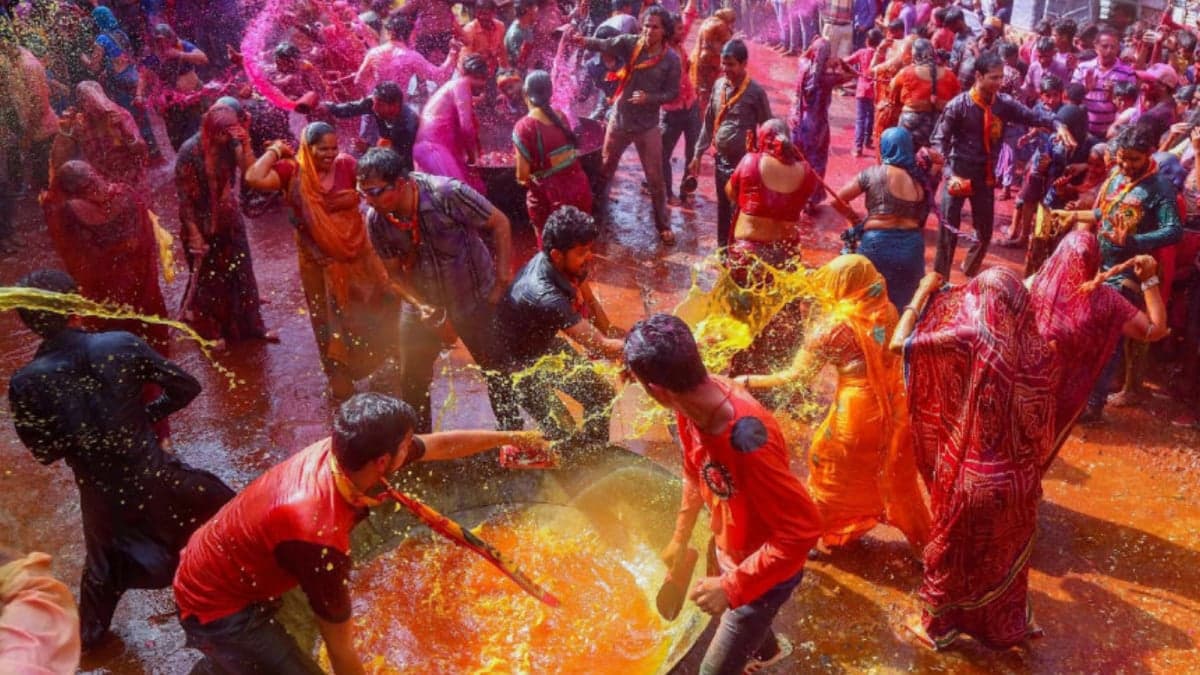
- **Holi:** On **March 5**, festivities include **color throwing**, **water fights**, and **festive meals**.
- **Recent Scholarly Clarification:** Extensive calculations and discussions confirm the date of Holi in 2026 as **March 4**, with the **shubh muhurat** (auspicious time) around **11:30 am**. This ensures celebrations occur during the most auspicious moments, respecting traditional and astrological guidelines.
#### **e. Rama Navami: March 29, 2026**
Celebrating Lord Rama’s birth with **processions**, **recitations of Ramayana**, and **temple rituals**, Rama Navami’s spiritual atmosphere during Phalgunam encourages larger congregations engaging in **bhajans**, **kirtans**, and **pujas**.
- **Confirmed Date:** Based on lunar calculations, scholars and community organizers confirm that **Rama Navami** falls on **March 29, 2026**.
#### **f. Ugadi: March 21, 2026**
Although **Ugadi**, the Telugu New Year, officially occurs in March, preparations begin during Phalgunam.
- **Activities:** Household cleaning, buying new clothes, decorating homes, and community gatherings.
- **Traditional Rituals:** The **Panchanga Sravanam** (reading the new year's almanac), **cultural programs**, and **special dishes** like **Ugadi Pachadi** are scheduled according to lunar timings to ensure auspiciousness.
---
## Regional Variations and Local Customs
Celebrations across Telugu-speaking regions exhibit remarkable diversity:
- **Andhra Pradesh and Telangana:** Ugadi is the primary festival, marked by **elaborate rituals**, **almanac readings**, and **traditional cuisine** like **Pulihora** and **Ugadi Pachadi**.
- **Coastal Districts (Nellore, Visakhapatnam):** Emphasize **harvest festivals** and **thanksgiving rituals** aligned with agricultural cycles.
- **Hyderabad:** Its cosmopolitan nature combines **traditional rituals** with **modern cultural programs**, including **dance performances**, **interfaith processions**, and **community feasts**.
### 1. **The Telugu Diaspora: Celebrations Beyond Borders**
The Telugu diaspora continues to uphold vibrant festivities, often leveraging modern technology:
- **Maha Shivaratri:** Devotees in places like Virginia’s Durga Temple engaged in **night-long prayers**, **cultural programs**, and **community service**.
- **Nepal:** Over **a million devotees** participated at the **Pashupatinath Temple**, emphasizing Maha Shivaratri’s global spiritual significance.
- **Digital Outreach:** Many temples, such as **Nagapooshani Ambaal Temple in Enfield, UK**, hosted **live-streamed rituals** like **Masi Maham**, enabling participation across different time zones.
- **Quotes from community leaders:** *"Our digital outreach and livestreams have strengthened cultural bonds, allowing Telugu communities worldwide to partake in festivals like Maha Shivaratri and Masi Maham,"* highlighting technology’s vital role in cultural continuity.
---
## Recent Developments: Precision, Safety, and Digital Outreach
### **Improved Astronomical Timings**
The integration of **accurate lunar calculations** ensures rituals are performed during **most auspicious moments**. For example, the **flower Holi at Samiamai Temple in Prayagraj** was celebrated on **February 23, 2026**, during a highly auspicious muhurat, exemplifying the importance of precise timing in spiritual practices.
### **Confirmed Dates and Muhurat Clarity**
Recent scholarly consensus and astronomical data have **confirmed the date of Holi as March 4, 2026**, with a **shubh muhurat at 11:30 am**. This clarity allows communities to organize celebrations confidently and in accordance with tradition.
### **Crowd Management and Community Safety**
With large gatherings expected, event organizers have prioritized **crowd management**, **health protocols**, and **safety measures**. The increased use of **digital outreach** has expanded participation, especially among youth and the diaspora, making festivals more inclusive and accessible.
### **Cultural Digitalization and International Engagements**
- The **Braj Holi Rangotsav** scheduled in Vrindavan and Barsana features **temple rituals**, **cultural performances**, and **community events** celebrating Braj traditions.
- The **Polipalli Ammavari Temple** marked its **100th anniversary**, drawing thousands of devotees and media attention to its longstanding traditions.
- The **Thyagaraja Music Festival**, a renowned classical music event, continues to highlight the importance of classical arts in spiritual and cultural contexts.
### **Notable Events**
- A **devotional flower Holi** was held at **Samiamai Temple in Prayagraj**, blending spiritual devotion with vibrant cultural festivities.
- The **Holi 2026 date** has been officially confirmed as **March 4**, with the **shubh muhurat** at **11:30 am**—providing clarity for organizers and devotees alike.
---
## Braj Holi 2026 Schedule and Celebrations
Adding a broader perspective to Holi celebrations, the **Braj Holi** festival, celebrated in the regions of Vrindavan, Mathura, and Barsana, follows a detailed schedule:
- **February 28:** **Phoolon Ki Holi** (Flower Holi) in Barsana, a tradition where women playfully throw flower petals.
- **March 1:** **Lathmar Holi** in Barsana, famous for women playfully hitting men with **lathas** (bamboo sticks).
- **March 3:** **Rang Holi** in Mathura, with traditional processions and **color throwing**.
- **March 4:** **Main Holi Day:** The **Rangwali Holi** in Vrindavan, celebrated with **music, dance**, and **color festivities**—the date confirmed with **shubh muhurat at 11:30 am**.
These events attract thousands of pilgrims and tourists, reinforcing Braj’s identity as the epicenter of Holi festivities.
---
## The Inclusion of Bhai Dooj in 2026
Adding to the vibrant festival calendar, **Bhai Dooj**—a celebration of sibling bonds—has gained renewed significance.
### **Bhai Dooj 2026: Muhurat Timings, Rituals, and the Sacred Sibling Bond**
- **Date:** **November 3, 2026**
- **Significance:** Rooted in ancient legends, Bhai Dooj celebrates the bond between brothers and sisters, emphasizing love, protection, and familial harmony.
- **Rituals:** Sisters perform **tilak** application on brothers’ foreheads**, offer **sweets**, and pray for their **long life and prosperity**. Brothers, in turn, give **gifts** and promise protection.
- **Special Note:** This festival’s timing is determined based on **solar and lunar calculations**, ensuring it aligns with traditional customs.
---
## Implications for the Telugu Community in 2026
The confluence of **scientific precision**, **technological advancements**, and **rich cultural traditions** positions the Telugu community to celebrate festivals with **greater enthusiasm** and **depth**. The emphasis on **accurate timings**, **safe celebrations**, and **digital outreach** ensures that cultural heritage remains **vibrant**, **inclusive**, and **accessible** regardless of geographical boundaries.
Community leaders highlight that **embracing modern tools** while preserving **traditional values** will be essential to sustain and evolve cultural practices amid contemporary challenges. The year 2026 exemplifies how **tradition and innovation** can harmoniously coexist, fostering a **resilient and dynamic cultural landscape**.
---
## Conclusion
2026 stands out as a landmark year for Telugu festivals, characterized by **precise astronomical timings**, **inclusive celebrations**, and a **renewed commitment** to cultural preservation. From the early onset of Phalgunam to the grandeur of Holi in Braj, and the vibrant festivities across regions and the diaspora, this year underscores the community’s **enduring spirit**. As celebrations unfold with **greater depth and unity**, they reaffirm the **rich cultural and spiritual legacy** of Telugu traditions—bridging generations and borders alike.
**Current Status:**
The confirmed dates and muhurats, along with the increasing role of digital outreach, set the stage for a year of **joyous, safe**, and **meaningful celebrations** in 2026. The Telugu community’s ability to blend **ancient wisdom** with **modern innovation** ensures that their festivals will continue to thrive and inspire for generations to come.