# Iran War Exposes Critical U.S. Intelligence Failures and Strategic Vulnerabilities
The ongoing conflict with Iran has dramatically exposed the deep-seated deficiencies within the United States' intelligence and military apparatus. What initially appeared as limited tactical skirmishes—missile strikes, cyberattacks, and rapid troop movements—has now revealed systemic flaws that threaten broader national security interests. Recent developments, investigative reports, and expert analyses underscore that these failures are not isolated incidents but symptomatic of strategic shortcomings that require urgent, comprehensive reform.
## The Escalation Unveils Deep-Rooted Intelligence Failures
Iran’s latest military operations have demonstrated an unprecedented level of sophistication, coordination, and adaptability, catching U.S. intelligence agencies off guard. Key revelations include:
- **Multi-Domain, Asymmetric Tactics Outpacing U.S. Capabilities:** Iran executed complex missile strikes, cyber intrusions into critical infrastructure, and deployed drone swarms with remarkable speed. These tactics **outpaced American detection and analysis capabilities**, exposing vulnerabilities in surveillance and real-time assessment.
- **Delayed Detection and Reactive Responses:** Despite advanced surveillance systems, U.S. efforts failed to provide timely warnings. For instance, Iran’s missile strikes on U.S. and allied positions were **unanticipated**, highlighting deficiencies in early warning systems and situational awareness.
- **Cybersecurity Weaknesses and Infrastructure Vulnerabilities:** Cyberattacks targeted power grids, communication networks, and other vital infrastructure, exposing gaps in cybersecurity defenses—gaps that have yet to evolve to meet the emerging landscape of hybrid threats.
- **Rapid Deployment of Asymmetric Warfare:** Iran’s use of drone swarms and cyber operations—strategies rooted in asymmetric warfare—have **outmaneuvered traditional intelligence assessments**. These tactics threaten to redefine modern battlefield dynamics, rendering conventional detection methods inadequate.
Recent public disclosures and expert analyses, including investigative reports like the "Chaos and carnage" report, emphasize how operational failures have tangible consequences—heightening risks of escalation, miscalculations, and strategic setbacks.
## The New Battlefield: Cyber and Information Warfare
Iran’s reliance on unconventional tactics indicates a paradigmatic shift in warfare, emphasizing **non-traditional, hybrid methods**. The conflict has revealed critical shortcomings in U.S. intelligence and defense systems:
- **Information Operations and Domestic Suppression:** Tehran has been effectively crushing protests domestically while simultaneously targeting foreign networks, including U.S. and Israeli infrastructure. Iran’s information war, as detailed in reports like "Iran’s Information War," demonstrates an integrated approach to destabilize adversaries and control narratives.
- **Cyber Attacks and Disinformation Campaigns:** Iran’s external cyber operations, aimed at critical infrastructure and strategic communications, have complicated U.S. responses. The dual-use of cyberattacks and disinformation amplifies threats, creating a hybrid warfare environment that traditional intelligence frameworks struggle to counter.
These developments underscore an urgent need for **technological modernization**, including advanced surveillance, cyber defenses, and integrated intelligence platforms capable of detecting and countering these asymmetrical tactics.
## Recent Tactical Developments and Escalation Risks
The recent period has seen significant military and strategic actions:
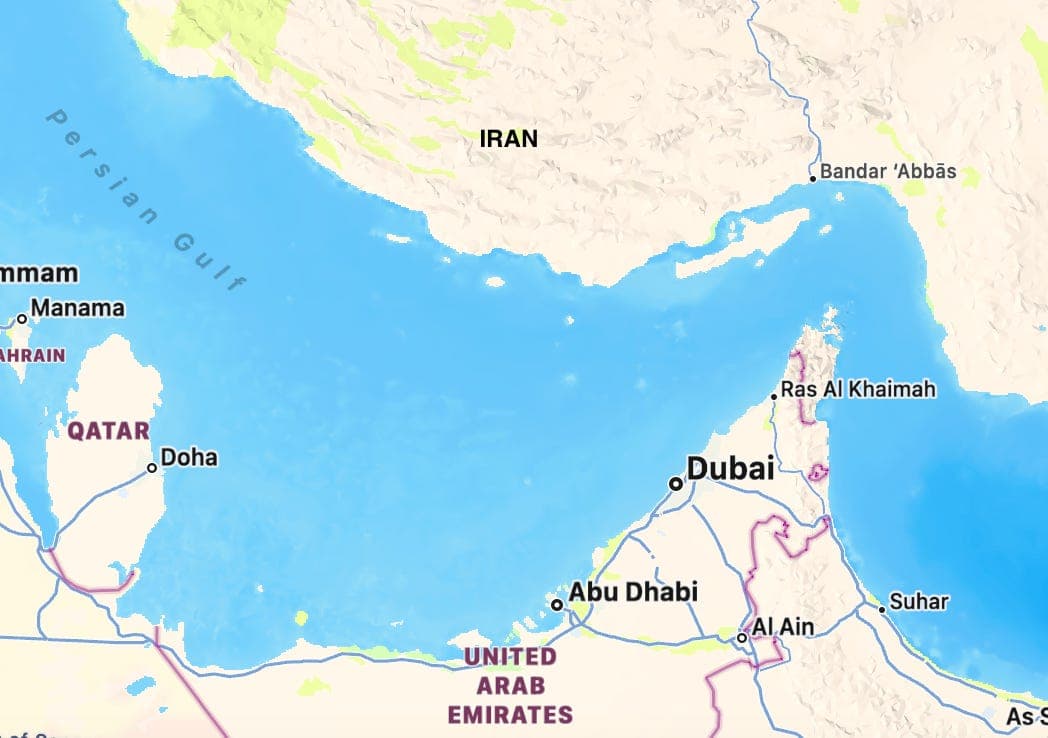
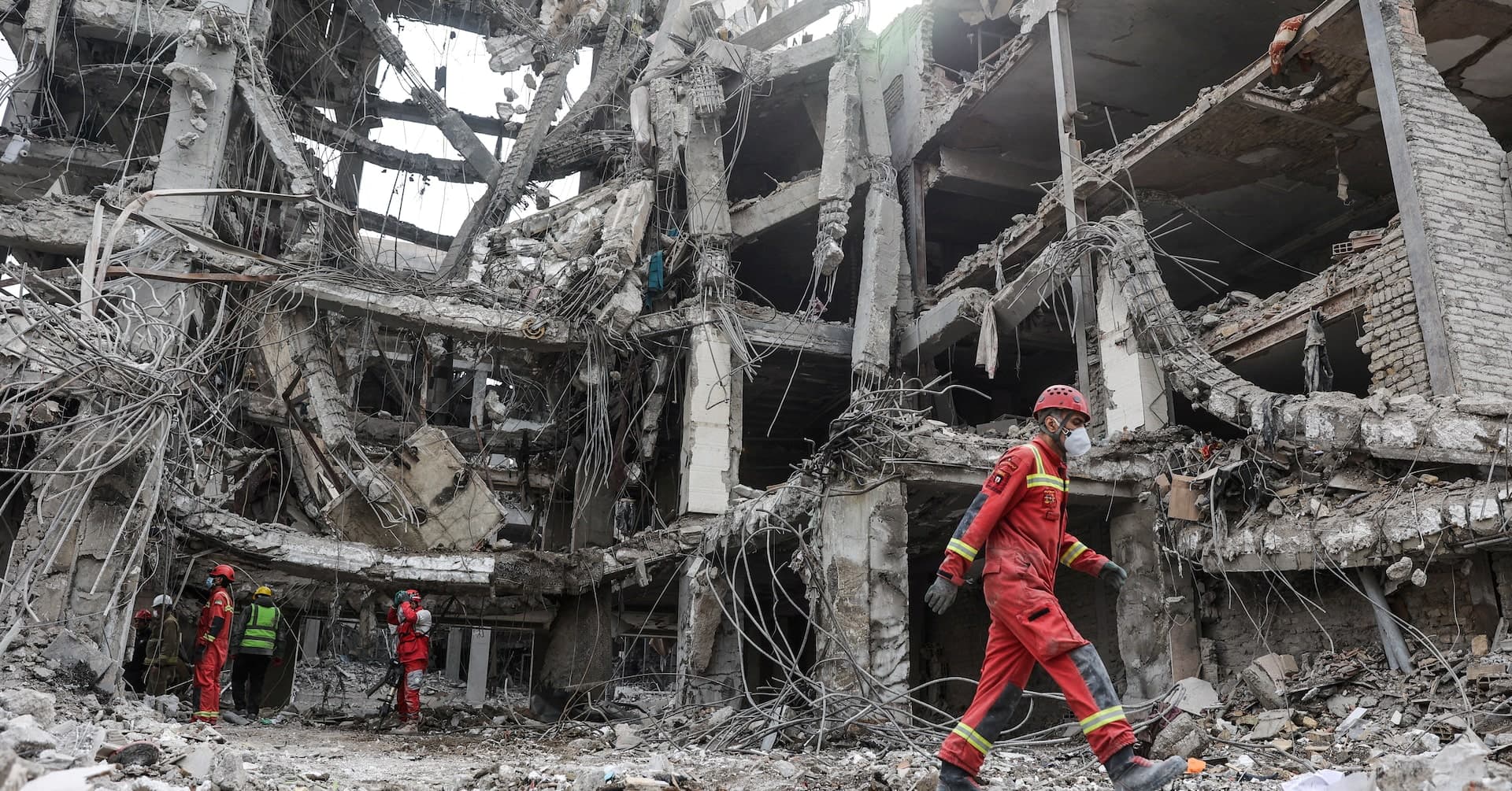
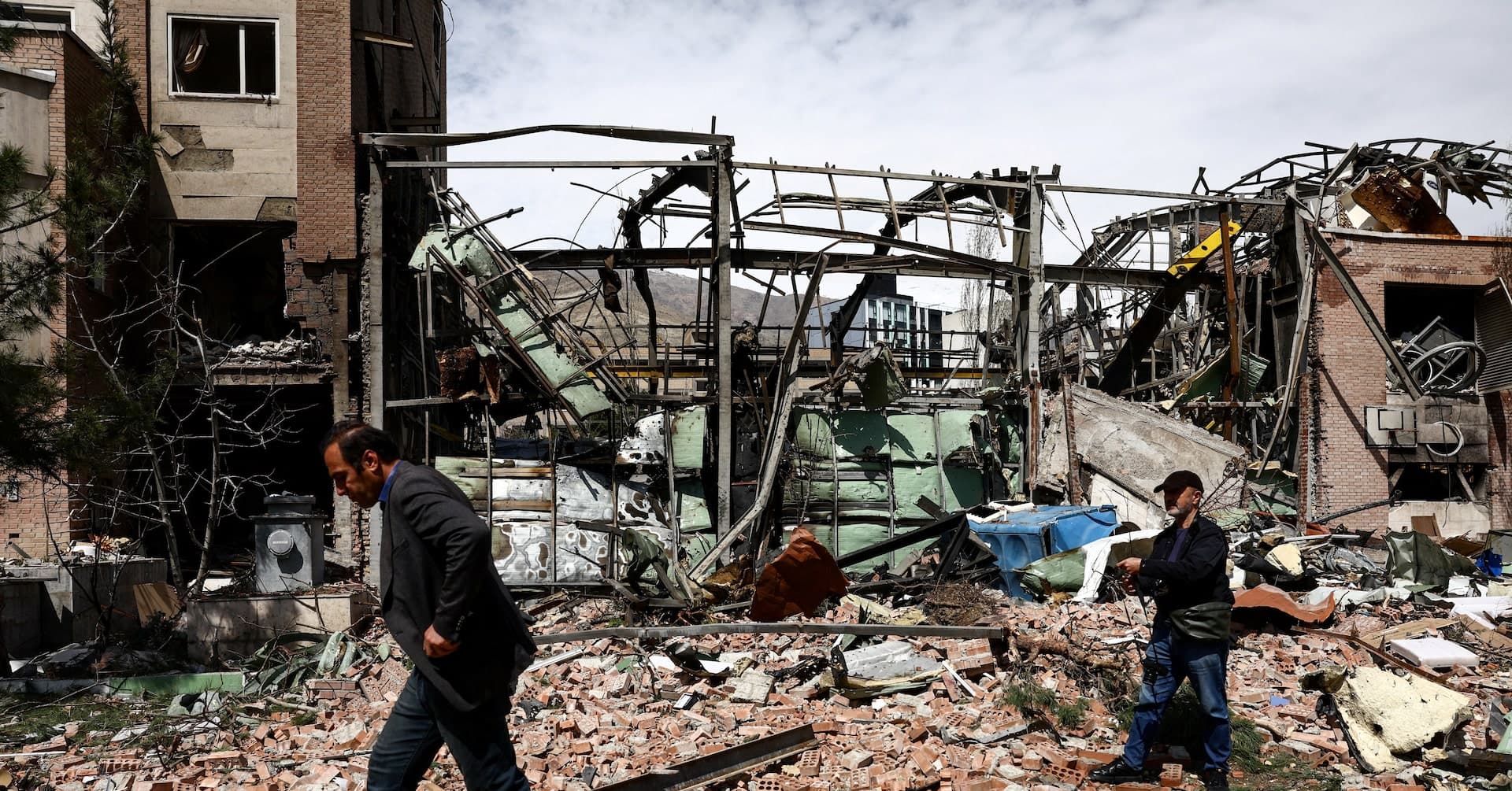
- **Targeted Strikes and Strategic Operations:** U.S. and Israeli forces conducted precision strikes against Iranian military facilities, such as the attack on Kharg Island. These operations rely heavily on accurate intelligence; failures here could lead to unintended escalation.
- **Narrowing Iranian Strategic Options:** Despite Iran’s adaptive capabilities, analysts suggest its **strategic options are becoming constrained**. However, the risk of escalation remains high, given Iran’s swift retaliation capabilities and willingness to escalate conflicts.
- **Escalation Dynamics and Potential for Broader War:** The destruction of Kharg Island and ongoing exchanges of cyber and kinetic attacks indicate a **high-stakes game of brinkmanship**. The risk of widening the conflict regionally or even globally persists, especially as both sides continue to exchange strikes and cyber operations.
## Political and Organizational Challenges
The crisis has also spotlighted internal failures within the U.S. intelligence community:
- **Leadership Uncertainty and Strategic Ambiguity:** Recent reports, including a video titled "EXPOSED: Trump's Envoy Said 'I Don’t Know' How the War Ends — Iran Is Counting On It," highlight a lack of clear strategic direction. Such ambiguity emboldens Iran and hampers effective decision-making.
- **Siloed Agencies and Lack of Real-Time Data Sharing:** There is widespread consensus that outdated, siloed intelligence structures hinder rapid response. Experts like Mike Howell emphasize that **insufficient data sharing, lack of technological integration, and weak oversight** have compounded vulnerabilities.
- **Failure to Modernize and Adapt:** The current intelligence architecture has struggled to keep pace with Iran’s evolving tactics, revealing a pressing need for **comprehensive reforms**.
## Strategic Implications and the Path Forward
The recent escalation underscores the **strategic vulnerabilities** that could have far-reaching consequences:
- **Escalation Risks:** The ongoing exchanges, cyberattacks, and targeted strikes threaten to spiral into broader regional or even global conflicts if miscalculated.
- **Narrowing Diplomatic Leverage:** Iran’s adaptive tactics and the U.S.’s detection shortcomings reduce diplomatic options, potentially leading to prolonged conflict.
- **Necessity of Technological and Structural Modernization:** To counter these asymmetric threats, the U.S. must invest in **advanced surveillance systems, cyber defenses, and integrated intelligence platforms**. These measures are essential to detect threats early, analyze rapidly, and respond effectively.
- **Reforming Inter-Agency Coordination and Oversight:** Creating a unified, real-time information-sharing ecosystem will be critical in preventing future surprises and ensuring strategic agility.
## Key Questions and Strategic Recommendations
As the crisis persists, several pivotal questions and pathways emerge:
- **How will U.S. intelligence agencies overhaul detection, analysis, and response capabilities?**
- **What structural reforms are necessary** to foster seamless cooperation among agencies like the CIA, NSA, and military intelligence?
- **How can investments in technology**—including AI-driven analytics, cyber defenses, and data integration—**mitigate vulnerabilities?**
- **What oversight mechanisms** will ensure accountability and continuous improvement?
- **How can the U.S. develop effective countermeasures against Iran’s asymmetric tactics**—such as drone swarms, cyberattacks, and disinformation campaigns?
- **Can diplomatic efforts be revitalized** to reduce escalation risks and open pathways for de-escalation?
## Current Status and Strategic Outlook
The recent hostilities serve as a stark warning: **gaps in U.S. intelligence and counterintelligence capabilities are not merely operational flaws but strategic vulnerabilities** with potentially catastrophic consequences. The conflict has revealed an urgent need for **technological modernization, enhanced inter-agency cooperation, and robust oversight**.
Moving forward, U.S. policymakers must prioritize **comprehensive reforms**, leveraging cutting-edge technology and strategic alliances to better anticipate, detect, and respond to complex threats. Failure to adapt risks ceding the advantage to Iran and other adversaries, potentially leading to wider regional destabilization and jeopardizing global security.
**This evolving situation remains highly dynamic**, with ongoing developments that require vigilant monitoring, expert analysis, and swift policy responses to safeguard national interests in an increasingly hybrid and unpredictable battlefield.