May 21, 2026
Strategic Geopolitics Digest · May 21, 2026
Xi-Putin Beijing Summit
- 🔥 Energy Cooperation: Xi and Putin discussed energy deals including the Power of Siberia 2 pipeline and joint renewable...

Created by Rajeev Choudhary
Authoritative analysis of great‑power competition, regional security, energy geoeconomics, and international diplomacy
Explore the latest content tracked by Strategic Geopolitics Digest
Escalating Middle East conflict is transmitting oil price shocks into downgraded growth forecasts and renewed inflation pressures worldwide.
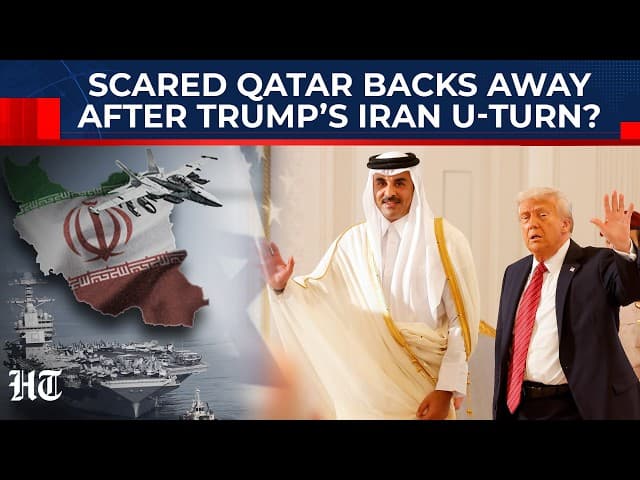
Regional actors are responding unevenly to renewed Iran-Israel risks and Washington's mixed signals on strikes.
Leaders are highlighting how US-China structural competition in technology, security, and trade risks escalation.
The Beijing meeting, held days after the Trump-Xi summit, delivered clear diplomatic signaling of a tightening China-Russia axis.
China assumes the US is an unreliable trading partner for energy, making Moscow the clearer long-term choice.
New energy alliances are emerging against the backdrop of persistent regional turbulence.
Hormuz tensions are hitting energy flows and diplomatic ties from multiple angles.
Stability offers a path for US-China advancement amid competition, as Washington has focused on great-power rivalry with Beijing since 2017, creating tensions that mechanisms could help manage.
Recent summits positioning Beijing as the hub for managing ties among Washington, Moscow, and itself will likely reinforce India's longstanding...
Vietnam is pursuing a middle-power strategy centered on geopolitical autonomy to manage domestic structural vulnerabilities and intensifying U.S.-China competition.
Xi is using back-to-back summits to project multipolar alignment while navigating US-China-Russia tensions.
EU foreign policy chief Kaja Kallas stated that the United States, China, and Russia may share a common interest in weakening the EU, despite their...
Europe must navigate US demands and Chinese competition while securing Gulf energy routes.
The Beijing summit produced a quiet but significant realignment on the Strait of Hormuz. Xi explicitly opposed Iranian militarization or tolls on the...
A timely analysis examines the simultaneous escalation in the Russia-Ukraine theater alongside the restart of conflict involving Iran, as discussed by...
Post-conflict realignments expose Iran's constrained yet potent leverage in the Gulf and Levant.
Advanced AI chips have become the newest weapons in US-China rivalry, shifting competition to technological control.