59 min ago
Five Capabilities for Defensible Exposure Management
Exposure management must move beyond visibility by combining asset context, exploitability evidence, control effectiveness, attack paths, and proven...

Created by Yuzhou He
Integrated overview of cyber policy, threats, breaches, tools, and enterprise security best practices
Explore the latest content tracked by Cybersecurity Integration Digest
Exposure management must move beyond visibility by combining asset context, exploitability evidence, control effectiveness, attack paths, and proven...
Every AI agent counts as an identity that expands attacker reach if left ungoverned.
Microsoft's record September release packed 973 CVEs, but the two already-exploited flaws were rated only Important. Both allowed local privilege...
CISA added CVE-2026-88779 to its Known Exploited Vulnerabilities catalog after targeted attacks caused repeated crashes on unpatched NetScaler ADCs...
Thales's global framework confronts AI systems whose reasoning, autonomy and scale exceed prior generations, enabling faster vulnerability discovery...
Attackers now exploit vulnerabilities faster than enterprises can patch, with mean time to exploit dropping below zero. This partnership delivers...
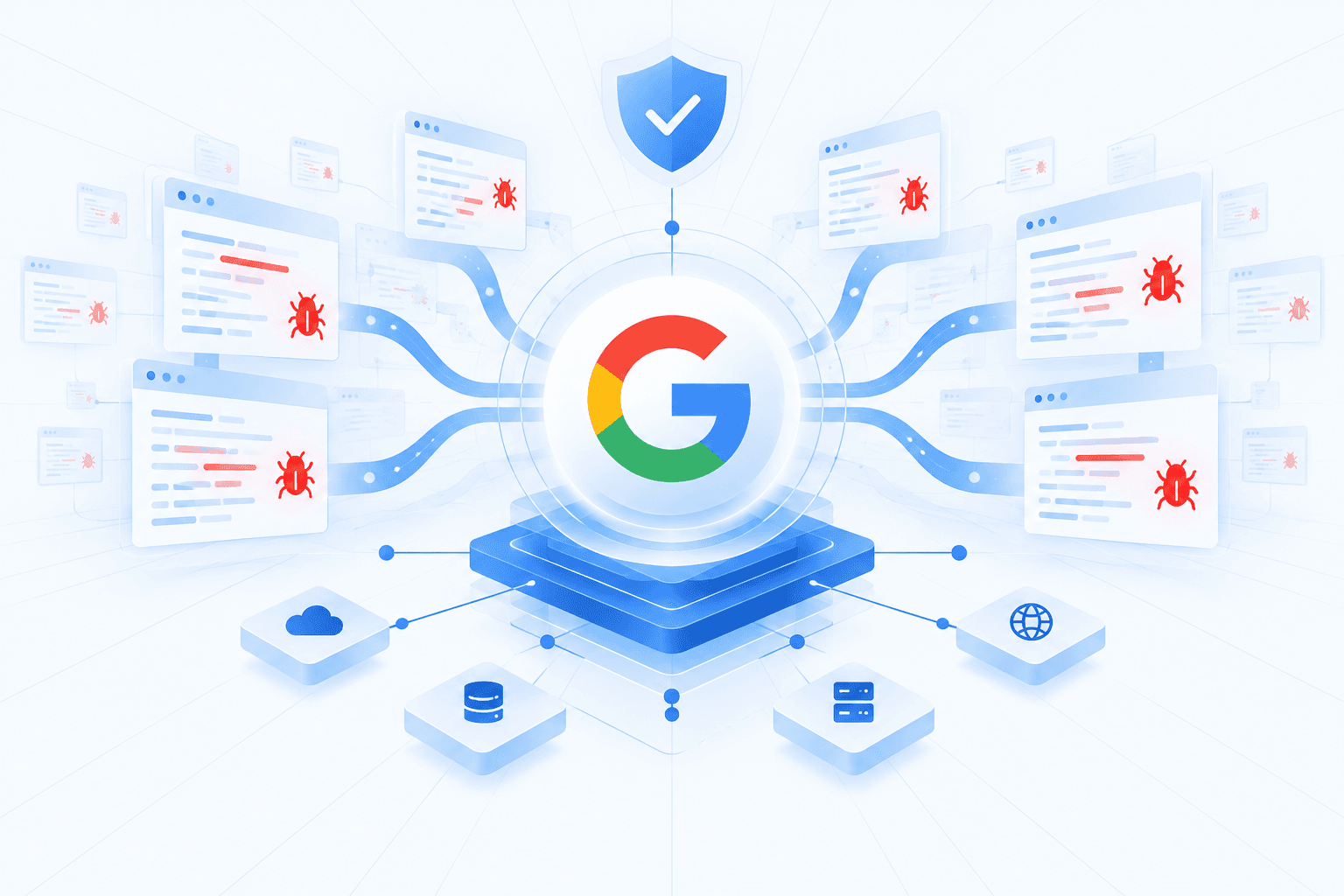
Google's PageBreak agent pairs LLMs with deterministic exploit validators to surface more than 500 verified XSS issues at near-zero false-positive...
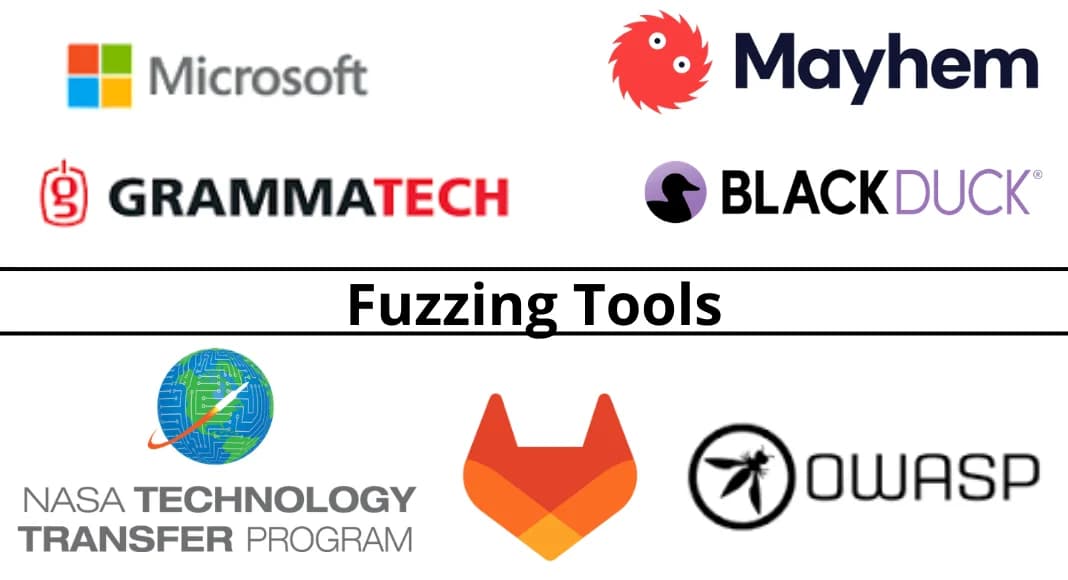
This guide matches seven tools to specific targets and workflows, from Java verification to protocol testing.
Edge devices function as identity infrastructure, holding AD credentials, cached tokens, and standing service accounts that adversaries exploit for...
Kookmin Bank disclosed a suspected leak affecting 119 clients days after Shinhan Bank's hacking incident, with Hana Bank also reporting exposure....
Granting AI agents access to emails, payments, codebases, and corporate systems creates probabilistic workers that improvise with real privileges.
-...
Effective vulnerability prioritization requires hands-on exploitability analysis and real-world threat context rather than severity scores alone. The...
CVE-2026-88779 is actively exploited in the wild on Citrix NetScaler appliances.
DTU confirms hackers breached DTUBasen, exposing CPR numbers and personal data of up to 200,000 current and former users in Denmark.
President Lee Jae Myung ordered a thorough, sector-wide investigation into the recent wave of AI-assisted hacks that leaked data from Shinhan, Hana...
Shadow AI lowers barriers that once contained Shadow IT, spreading insecure code and data exposure across teams with minimal oversight.
Checkmarx deploys AI agents to identify, triage, and remediate vulnerabilities, yet warns that unpredictable model behavior requires strict governance and validation of automated actions to maintain security integrity.