# Europe and UK Rethink Security, Markets, Tech Governance, and Trade Ties Amid Rapid Global Shifts
As the geopolitical landscape becomes increasingly contested and complex, Europe and the UK are actively recalibrating their strategic priorities across security, economic, and technological domains. The latest developments underscore a collective push toward greater sovereignty, resilience, and influence in shaping the emerging multipolar world order. From ambitious defense investments to nuanced diplomatic stances, these nations are positioning themselves to navigate a rapidly shifting environment marked by regional tensions, technological competition, and internal divisions.
## Accelerating Defense and Strategic Autonomy
Europe's defense posture is undergoing a historic overhaul. The European Commission, under President Ursula von der Leyen, announced a **groundbreaking €800 billion defense investment plan** targeting deployment by 2030. This substantial fund aims to **enhance military capabilities**, foster **a cohesive security architecture**, and notably **reduce reliance on external powers** such as NATO and the United States.
In tandem, Europe is expanding its defense partnerships:
- Negotiations are progressing to establish **defense pacts with Australia, Iceland, and Ghana**. These agreements focus on **joint military exercises**, **intelligence sharing**, and **capacity-building efforts**, reflecting Europe's ambition to **broaden its global security footprint** beyond traditional alliances.
- The call for **strategic autonomy** also emphasizes **a 400% increase in air defense capacity**, as highlighted by NATO Secretary-General Mark Rutte, citing the increasing threat environment and the need for **robust, scalable defense systems**.
Europe's foreign policy remains assertive:
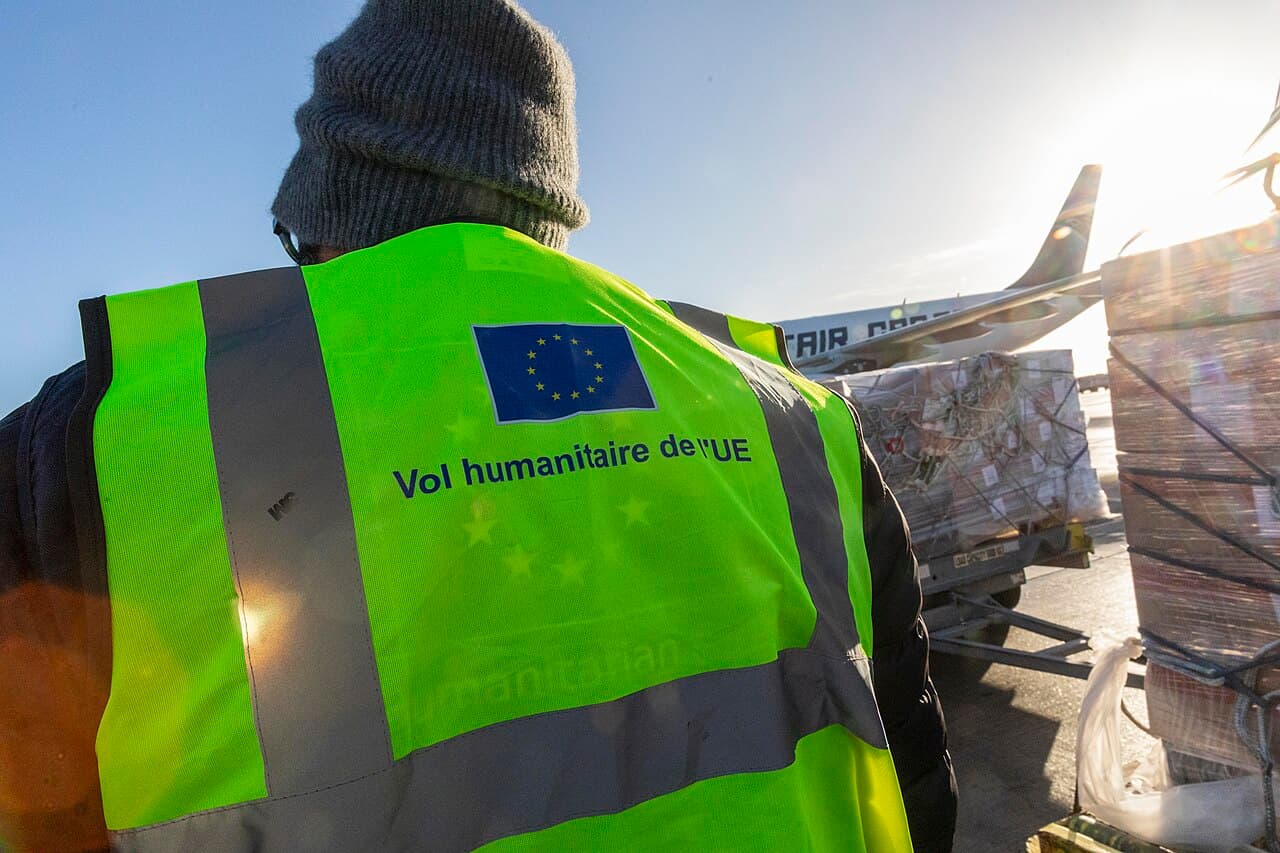
- Continued support for Ukraine persists, encompassing military aid, humanitarian assistance, and diplomatic engagement amid ongoing conflict.
- Diplomatic efforts in the Middle East are gaining momentum, especially after recent regional attacks, aiming to **foster regional stability** and **counteract regional instability**.
### New Security Frontiers: Arctic and Energy Security
Emerging regional challenges are reshaping Europe's security considerations:
- The **Arctic region** has gained strategic prominence due to climate change, resource competition, and geopolitical interests. Greenland's strategic position and resource potential are increasingly viewed through a security lens, prompting calls for **credible transatlantic responses** to Arctic challenges.
- Europe collaborates closely with the U.S. and regional allies to **uphold stability** and **promote a rules-based order** in these sensitive areas.
Energy security remains a top priority:
- **Von der Leyen’s firm stance** against returning to Russian fossil fuels underscores Europe's resolve to **avoid strategic vulnerabilities**. She explicitly stated that **"returning to Russian fuels would be a strategic blunder,"** emphasizing **diversification and decarbonization** efforts.
- Despite volatile markets and geopolitical tensions, Europe is **diversifying energy sources**, heavily investing in **renewable energy** and **accelerating its transition away from Russian imports**. These efforts are vital for **long-term resilience**, even as supply chain disruptions pose hurdles.
## Geopolitical Dynamics: Trust Erosion, Chinese Engagement, and Internal Divisions
The geopolitical environment in Europe is increasingly intricate:
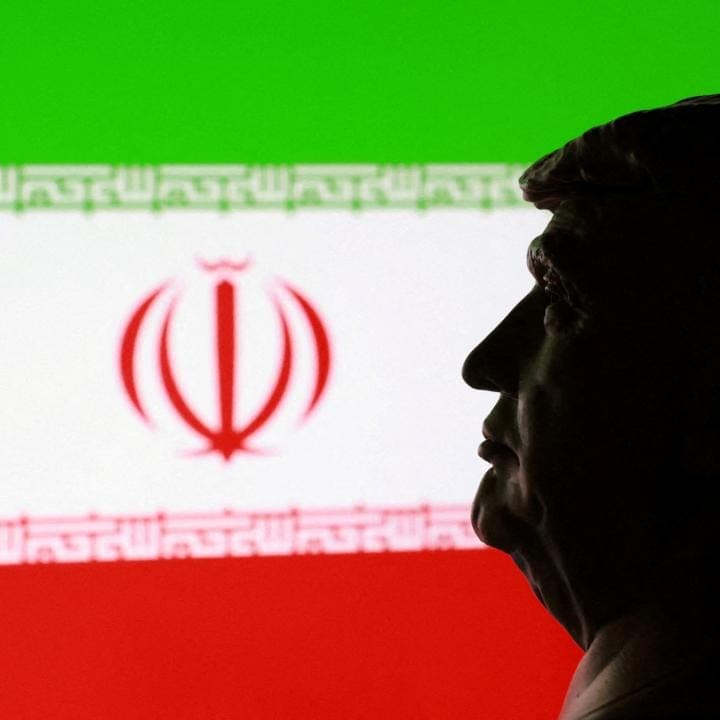
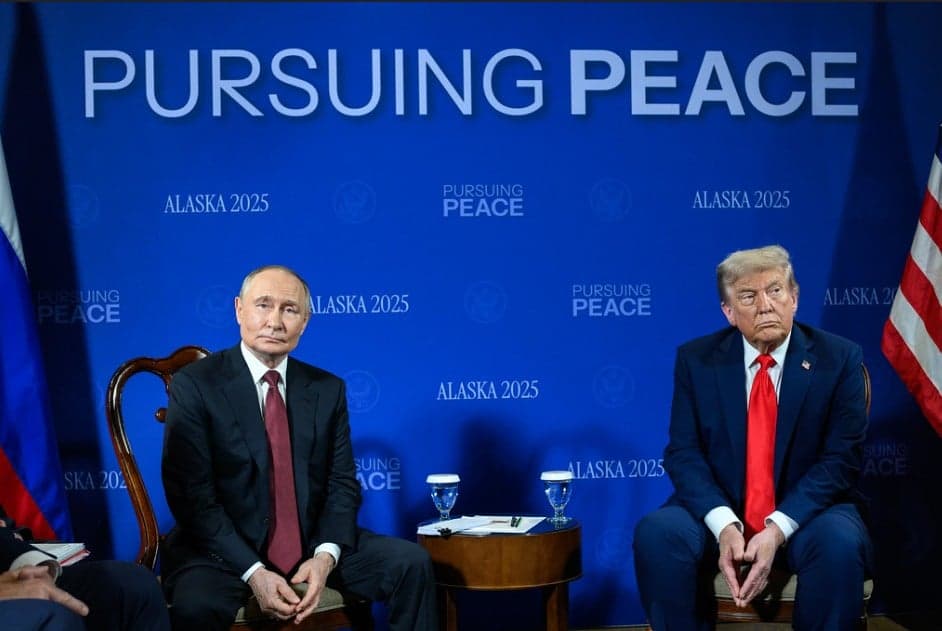
- **U.S.–Russia tensions** have intensified, especially around negotiations concerning Ukraine. Russia has publicly warned that the U.S. **"can’t be trusted"** following recent U.S.-led strikes on Iran, which Moscow perceives as **provocative and untrustworthy**. These trust issues threaten to **fragment transatlantic cooperation**, complicating joint security initiatives.
- Meanwhile, **China’s expanding influence in Europe** continues unabated:
- Chinese President Xi Jinping’s recent engagement with Portugal’s new leadership signals Beijing’s strategy to **expand influence across Europe’s southern flank**.
- High-profile diplomatic interactions, such as a **German–Turkish joint press conference**, exemplify China's efforts to **strengthen economic and political ties** across the continent.
- While such engagements offer **economic opportunities**, they also pose **geopolitical challenges** as European nations strive to **maintain strategic autonomy** amid growing Chinese influence.
Internal EU disagreements persist:
- Disputes over **rule-of-law concerns** with Hungary and Slovakia, sovereignty issues, and energy sanctions continue to **test unity**.
- Recent controversies over **EU sanctions** and **pipeline inspections**, particularly regarding energy imports, reveal the importance of **internal cohesion** and **energy security**.
### Recent Developments Highlighting Divisions
- **Italy's rejection of U.S. Iran strategy** exemplifies diverging transatlantic approaches. Italy has openly **resisted aligning fully with U.S. policies**, exemplified by its stance against certain aggressive strategies towards Iran, drawing comparisons to **Putin-style aggression**. This underscores **growing strains in transatlantic relations** and highlights Europe's need for a more unified approach.
- In Slovakia, **Prime Minister Fico** has criticized Ukraine over the Druzhba pipeline dispute, asserting that **"Zelensky has crossed all red lines"**. This reflects **internal regional tensions** and differing perspectives within Europe regarding Ukraine's handling of energy infrastructure and regional conflicts.
## Markets, Digital Governance, and Transatlantic Tech Relations
Europe’s economic and technological strategies are evolving rapidly:
- The **EU–India Free Trade Agreement (FTA)**, recently finalized, signifies a major step in strengthening ties with Asia’s largest democracy. The deal aims to **boost trade and investment**, promote **digital transformation**, and advance **sustainability**, positioning Europe as a key player in the **Indo-Pacific region**.
- However, **transatlantic trade relations** face hurdles amid U.S. political gridlock and policy shifts. Notably, the **withdrawal of proposed AI chip export restrictions** signifies a strategic recalibration:
- The U.S. Commerce Department’s decision may **ease restrictions on European tech firms**, fostering **more open trade in critical AI and chip technology**.
- Simultaneously, plans to **scale back certain AI and chip export controls** reflect a broader **strategic shift amidst rising competition from China**, complicating **global technology governance**.
In digital regulation:
- The EU continues to **set global standards**, exemplified by the **EU’s AI Act**, which seeks to **ethically and securely regulate AI development**, addressing **disinformation**, **privacy**, and **digital sovereignty**.
- The EU is also **strengthening cybersecurity measures** and **countering disinformation campaigns**, recognizing the rising threat of **cyberattacks** and **influence operations**.
### AI as a Democratic Asset
A recent series of essays emphasizes that **artificial intelligence (AI)** holds potential as **an asset for democracies** on the international stage:
- The discourse explores how **responsible AI governance** can **promote democratic values**, **enhance transparency**, and **counter authoritarian overreach**.
- As one analysis notes, **AI’s role in safeguarding democratic norms** depends on **robust regulation**, **international cooperation**, and **ethical standards**.
## Energy and Technology Resilience
Europe’s energy landscape remains volatile:
- The bloc is **inspecting pipelines**, **upgrading infrastructure**, and **investing in renewable projects** to **diversify supplies** and **reduce dependence on Russian fossil fuels**.
- Industry forums, such as the **BlackRock Summit**, highlight **resilience strategies** like **supply chain diversification** and **investments in clean energy** to withstand geopolitical shocks.
In technology:
- Europe is advancing **digital standards** and **regulations** to **balance innovation with security and ethics**, reinforcing its position as a **leader in responsible AI** and **digital sovereignty**.
## Societal Resilience and Internal Cohesion
Despite strategic efforts, internal societal challenges persist:
- Initiatives to **reduce poverty**, promote **social inclusion**, and **engage youth** remain central. Recent surveys indicate **mixed levels of engagement**, with some regions experiencing increased activism, while others face **disengagement**.
- **Democratic participation** and **social cohesion** are critical for **long-term stability**, especially amid ongoing disputes with Hungary and Slovakia over **rule-of-law issues** and **energy sanctions**.
## The Path Toward Federalisation and Future Outlook
A prominent debate gaining traction is whether Europe should move toward **federalisation**:
- Advocates argue that **a federal Europe** would be **more united**, **possess stronger military capabilities**, and **reduce populist and nationalist tendencies**.
- It could **streamline decision-making**, **enhance strategic autonomy**, and **amplify international influence**. As highlighted in analyses like *Modern Diplomacy*, “A federal Europe would be more resilient, capable of acting decisively on security and economic fronts, and better positioned to shape global norms.”
## Current Status and Broader Implications
Recent developments affirm Europe’s multifaceted approach:
- **Defense investments** and expanded partnerships aim at **securing strategic autonomy** and **regional stability**.
- The EU’s leadership in **digital regulation** and **AI governance** seeks to **set global standards**, reinforcing **normative influence**.
- Internal political divisions, external diplomatic frictions, and regional tensions remain challenges requiring **diligent diplomacy** and **adaptive policies**.
Energy debates, especially balancing **cost**, **reliability**, and **sustainability**, exemplify the complex trade-offs faced by policymakers amid rising geopolitical tensions. The emphasis on **diversification** and **resilience strategies** reflects a recognition that **long-term stability depends on flexible, innovative solutions**.
### Implications for Europe and the UK
- The **shift toward greater defense and strategic independence** underscores a desire to **assert influence** and **protect sovereignty** in a tumultuous world.
- **Technological sovereignty and digital standards** are becoming central pillars of Europe’s leadership ambitions.
- **Internal cohesion** and **diplomatic agility** will be key to translating these strategic initiatives into effective action, particularly as regional and global complexities intensify.
In sum, Europe and the UK are actively **redefining their roles** in a turbulent geopolitical environment, emphasizing **security**, **resilience**, and **normative leadership**. Their success will hinge on **balancing sovereignty with cooperation**, **navigating rivalries**, and **responsibly shaping global governance** in security, technology, and sustainability. The coming months will be critical in determining how these strategies evolve amidst ongoing regional tensions and global shifts.