# The 2025 Holistic Recovery Revolution: Embracing Evidence-Based Micro-Practices for Resilience and Inclusivity
In 2025, the landscape of holistic health and self-care continues to evolve at a remarkable pace, driven by rigorous scientific validation, societal shifts toward accessibility, and a collective recognition that sustainable well-being hinges on simple, scalable routines. This year marks a pivotal moment where **short, manageable practices—lasting as little as 10 to 30 minutes—are not only validated by research but also seamlessly integrated into daily life, workplaces, and community settings**. These micro-practices empower individuals across all ages, abilities, and backgrounds to cultivate resilience, emotional balance, and nervous system regulation with ease, consistency, and confidence.
## The Power and Expansion of Micro-Practices for Nervous System Regulation
Building on previous trends, 2025 has seen an **explosive growth of evidence-informed micro-practices** designed specifically to **activate the parasympathetic nervous system**, the body’s natural relaxation and recovery mechanism. These routines are characterized by their **simplicity, accessibility, and scientific grounding**, making them practical for even the busiest schedules.
### Gentle Movement Modalities
- **Gentle Yoga & Mobility Flows:**
Practices such as **self-validation flows** and **heart-centered sequences**, typically **15-20 minutes long**, continue to gain popularity. Recent empirical studies, complemented by countless practitioner testimonials, affirm their effectiveness at **reducing muscle tension**, **grounding emotional states**, and **improving sleep quality**. Many report feeling **calmer** and **more emotionally resilient** after incorporating these routines into their daily regimen.
- **Micro-Movement Snacks & Mobility Flows:**
The concept of **“movement snacks”** remains central for **instant stress relief**. These targeted, brief routines—like **“20 Min Total Body Release | Mobility Flow for Tension Relief & Stiffness”**—are especially valued by those with limited mobility or packed schedules seeking quick emotional resets. Their emphasis on **ease and accessibility** makes movement a universal tool.
- **Inclusion & Adaptability:**
Recognizing diverse needs, routines such as **seated yoga**, **chair rebounding**, **low-impact resistance exercises**, and **chair cardio workouts** have become mainstream. For example, **"Chair Cardio for Seniors (Safe, Low Impact Workout 60+)"** exemplifies how **age-friendly, low-impact routines** can **energize and mobilize older adults** safely. These adaptations highlight that **movement is universal**, regardless of physical ability or age.
### New and Emerging Resources
- **15-Minute Fast Walk for Beginners:**
A popular **movement snack**, this brisk walk emphasizes **mood elevation**, **circulatory health**, and **vagus nerve activation**, all crucial for **parasympathetic engagement**. The **“15-minute Fast Walk for Beginners”** video has surpassed **31,000 views**, attesting to its widespread appeal as a **quick, effective stress-relief tool**.
- **The 3-2-8 Method:**
This **balanced routine**—combining **Pilates, walking, and light resistance training**—supports **muscular endurance**, **cardiovascular health**, and **core stability**. Articles like **"Pilates, walking and weights: I'm a personal trainer, and here's why the 3-2-8 method is trending"** emphasize how **simple, integrated routines** foster **holistic health**.
- **Age-Inclusive Strength & Conditioning:**
Short workouts like **“25 MIN BOOTY & LEG PILATES WORKOUT”** demonstrate how **time-efficient exercises** help **maintain mobility, strength, and confidence**. An inspiring story features a **79-year-old powerlifter** sharing a **short, intense core routine**, reinforcing that **age is no barrier** to active resilience.
- **Wheelchair-Accessible Fitness:**
The rise of **tailored routines and product recommendations**, such as **"Wheelchair Users’ Favorite Home Workout Products"**, underscores that **movement and fitness are for everyone**. Inclusivity remains a core principle.
- **Chair Cardio for Seniors:**
The **"Chair Cardio for Seniors (Safe, Low Impact Workout 60+)"** routine, lasting just **9 minutes**, exemplifies **seated, low-impact, age-friendly movement** that **strengthens, energizes, and mobilizes** participants, making cardio accessible for those who prefer or require seated exercises.
## Broadening the Modalities: Tai Chi and At-Home Dance
In 2025, the repertoire of micro-practices expands further with **low-impact Tai Chi** and **beginner-friendly, at-home cardio dance sessions**, emphasizing **inclusivity, balance, and joy**.
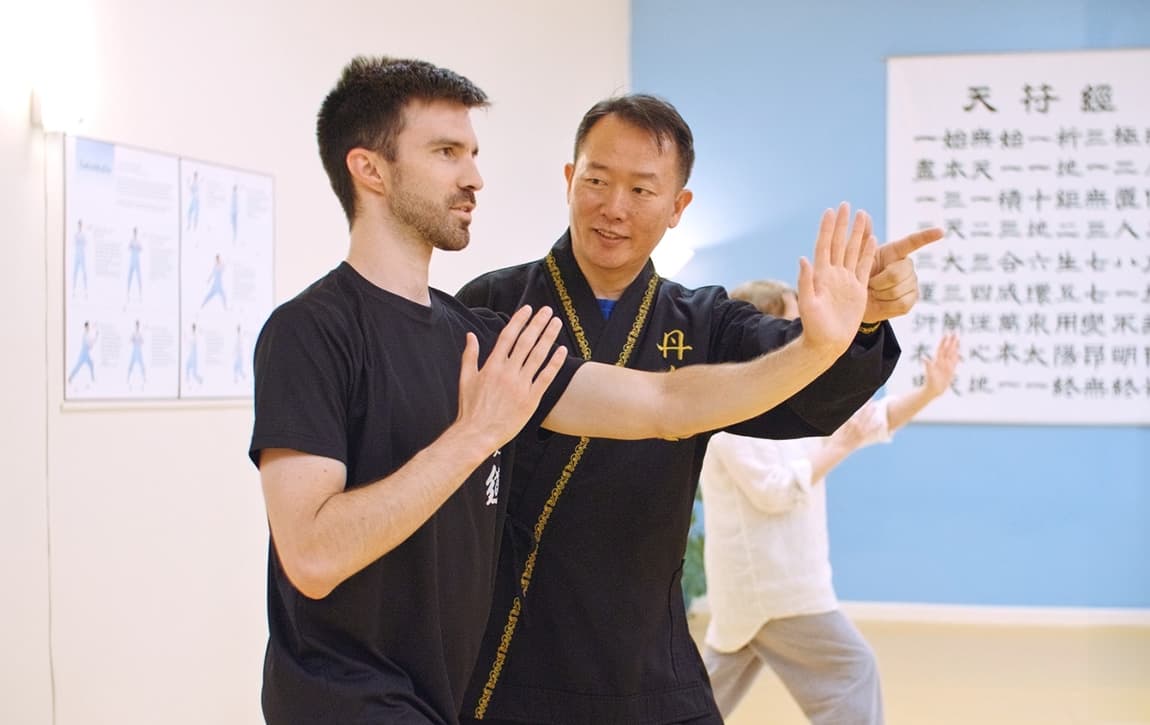
- **5 Tai Chi Exercises for Beginners:**
Titled **"5 Tai Chi Exercise For Beginners | Low Impact Workout For Seniors & Beginners,"** this routine offers **gentle, flowing movements** that support **balance**, **mind-body connection**, and **parasympathetic benefits**. Its emphasis on **stability and mindfulness** makes Tai Chi an accessible, powerful entry point for stress reduction and physical resilience.
- **At-Home Cardio Dance Party:**
The **"At Home Cardio Dance Party for Beginners with EMBODY Movement"** is a lively, **3-minute session** designed to **uplift mood and energy** through **inclusive, joyful movement**. Its brevity and fun approach make it easy to incorporate regularly, fostering **positive emotional states** and **physical vitality**.
## Breathwork, Mindfulness, and Natural Supports for Emotional Well-Being
Breath-centered practices remain foundational tools for **stress management** and **nervous system regulation**. New routines such as **“10 Min Guided Meditation For Positivity, Peace & Joy”** demonstrate their **potency in lowering cortisol**, **enhancing mental clarity**, and **building resilience**—crucial in today’s high-pressure environments.
Complementing these practices, **adaptogenic herbs** like **ashwagandha** are increasingly integrated into daily routines to **balance cortisol**, **reduce anxiety**, and **improve sleep**. The article **"How Ashwagandha Supports Stress Balance and Physical Recovery"** highlights their role in **supporting physical and mental resilience**, especially among aging populations and those experiencing chronic stress.
Lifestyle strategies such as **activity-rest balance**, **mindful pacing**, and **systematic self-care** are gaining prominence as **preventative measures against burnout**, especially in high-stress professions and demanding lifestyles. The article **"How to Strike a Balance Between Exercise and Rest"** emphasizes listening to the body's signals and incorporating **restorative, gentle practices** as routine components of resilience.
## Addressing Burnout and Systemic Adoption of Micro-Practices
A central focus of 2025 is **burnout prevention**, particularly among **workers in demanding roles** and **young adults**. The article **"I didn't know I was experiencing burnout until it was too late"** underscores the importance of **early intervention** through **micro-practices**:
> _"The charity Mental Health UK reports that two in five (39%) of young workers aged 18 to 24 took time off due to poor mental health."_
This statistic highlights the urgent need for **accessible, scalable self-care tools**. Initiatives like **"The Strength to Serve | First Responder Mental Health"** promote **brief, targeted routines**—sometimes just **a few minutes long**—to **counteract burnout** and **support mental health** in high-stress professions.
Furthermore, **schools, workplaces, and community organizations** are increasingly embedding **micro-practices**—such as **desk stretches, breathing exercises,** and **movement breaks**—to **normalize** and **systematize** self-care, fostering a culture of resilience and well-being.
## Scientific Validation and Practical Resources
Recent research consolidates the efficacy of these practices:
- An **umbrella review** titled **"An umbrella review of psychological capacity and mental health trajectories across the life course"** from *Nature Mental Health* confirms that **building psychological capacity through micro-practices** significantly influences **long-term mental health outcomes**.
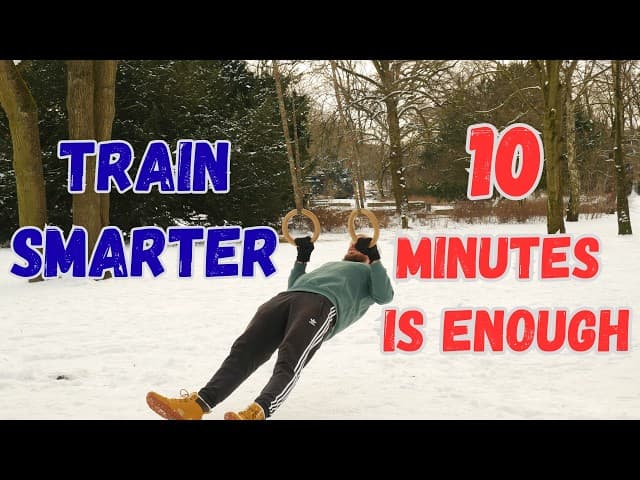
- The **"Power of Micro Workouts | Build Muscle in 10 Minutes a Day"** video emphasizes that **even brief, targeted strength routines** can **support longevity and physical resilience**.
- A clinician-shared **"Strength and Longevity Routine"** advocates for **integrating strength training into daily micro-practices** to **enhance functional capacity and health span**.
## Practical Takeaways: Integrating Small, Evidence-Based Habits
The core message of 2025 remains that **small, consistent habits rooted in scientific evidence** are **powerful catalysts for resilience and recovery**:
- **Incorporate brief, targeted routines** such as **gentle yoga, breathwork, movement snacks,** or **low-impact strength exercises** into daily schedules.
- **Use inclusive adaptations** like **seated yoga, chair resistance,** or **wheelchair-friendly routines** to ensure **accessibility**.
- **Leverage natural supports** such as **adaptogenic herbs** and **mindfulness practices** to **enhance emotional regulation**.
- **Embed micro-practices into systemic environments**—workplaces, schools, community centers—to **normalize** and **promote well-being** at scale.
The movement away from "lazy girl" inertia toward **intentional, manageable self-care** underscores that **lasting change** is rooted in **incremental, sustainable actions**. When these **gentle, evidence-informed habits** become routine, they **transform inertia into empowerment**, fostering **resilience, recovery, and sustained well-being** for individuals and society alike.
## Current Status and Broader Implications
The developments of 2025 affirm that **micro-practices—spanning movement, breath, and natural supports—are revolutionizing health paradigms**. Their **scientific validation, accessibility, and adaptability** are making **self-care inclusive for all**, regardless of age, ability, or background.
This societal shift toward **scalable, sustainable routines** signifies a **cultural transformation**, where **mental and physical well-being** are integrated into daily life—not as optional extras but as essential foundations. As policies and organizational practices continue to evolve, the future envisions a world where **resilience and recovery are universally accessible through simple, consistent, evidence-based habits**.
**In essence**, the 2025 holistic recovery revolution emphasizes that **small, consistent, science-backed habits** are **powerful enough to transform lives**, creating a healthier, more resilient society—one gentle step at a time.