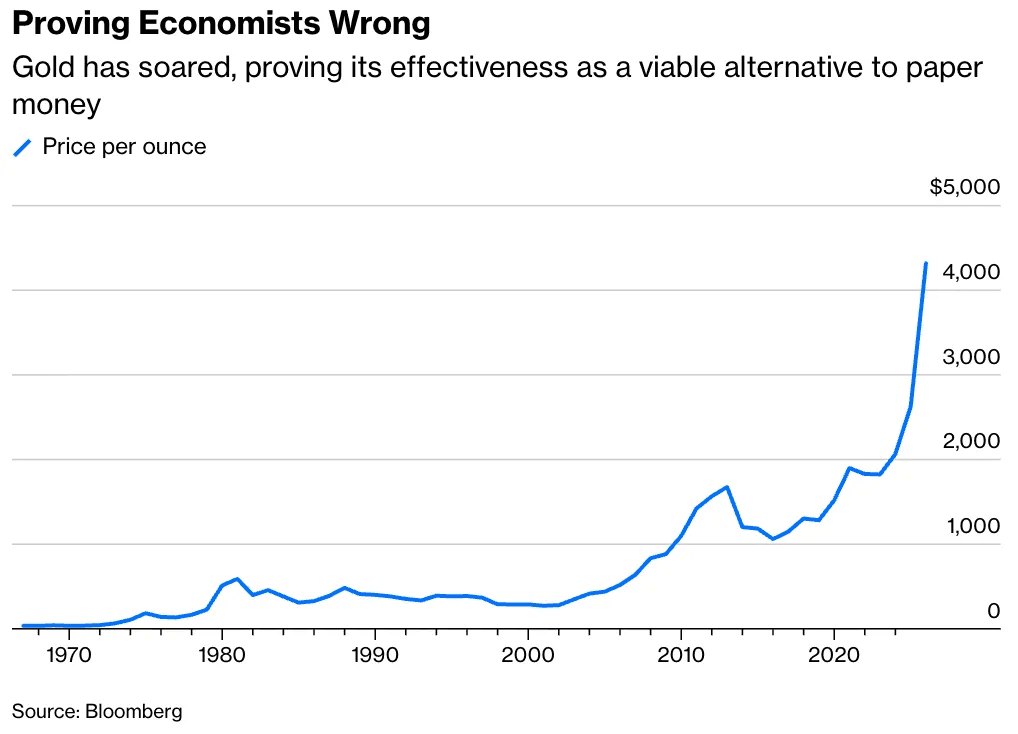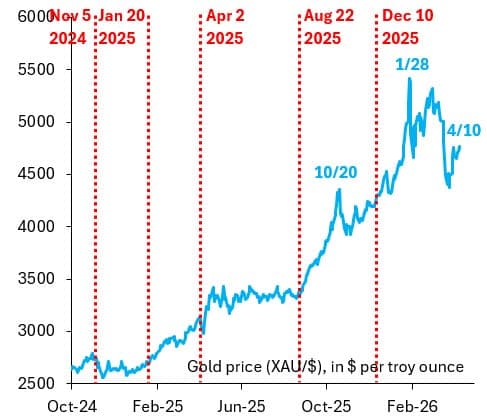

Gold’s dual role as a liquid investment and strategic sovereign reserve asset has only deepened through 2026, amid a continually tightening physical supply and evolving global dynamics. The interplay of sustained ETF inflows, expansive sovereign hoarding—especially by emerging market central banks—and shifting macro-policy and geopolitical developments is reshaping gold’s market structure and investor behavior. Recent data and analyses further underline gold’s structural resilience and expanding significance as a risk management cornerstone in an uncertain world.
---
### Sustained ETF Inflows and Sovereign Hoarding Continue to Tighten Physical Supply
Global gold ETFs have consistently held above the **4,000-tonne threshold** through mid-2026, reflecting robust investor demand worldwide. This steady accumulation is complemented by sovereign entities, such as the **Bank of England**, whose vault holdings have surpassed **5,000 tonnes**, effectively removing substantial bullion from commercial circulation and intensifying physical scarcity.
Key regional drivers include:
- **North America** remains at the forefront of ETF inflows, with investors leveraging gold as a hedge against inflationary pressures, dollar fluctuations, and equity market volatility.
- **China and India** continue their rapid ETF adoption, accelerated by regulatory reforms and digital innovation. These markets are witnessing a generational shift from traditional physical gold purchases to more liquid, tech-enabled ETF products that appeal to younger, digitally native investors.
- **Europe’s steady demand** persists, buoyed by ongoing geopolitical tensions such as the Ukraine conflict and energy market uncertainties.
- The rise of **multi-currency gold ETFs**—offered in euros, yuan, and Indian rupees—has broadened gold’s accessibility, minimized currency risk, and improved price transparency. This development is critical in diversifying gold’s investor base and reducing reliance on U.S. dollar-denominated assets.
These factors collectively create regional pricing imbalances—for instance, India continues to experience a bullion discount due to import duties and supply-demand mismatches—while simultaneously fueling growth in more liquid gold vehicles.
---
### Emerging Market Central Banks Lead Sovereign Reserve Expansion
A significant new development in 2026 is the accelerated gold reserve accumulation by emerging market (EM) central banks, who are building what analysts describe as a “fortress gold-based safety net.” This trend not only reinforces sovereign-driven physical supply constraints but also signals a strategic pivot away from dollar-heavy assets amid global geopolitical frictions.
Highlights include:
- **China**’s gold reserves have expanded substantially to an estimated **$370 billion**, underscoring Beijing’s ongoing diversification from U.S. dollar assets amid Sino-American strategic competition.
- Other EM central banks, including **Russia, India, the UAE, Uzbekistan, and the Democratic Republic of Congo (DRC)**, have all intensified gold purchases. The DRC, notably, has pioneered collaborations with domestic producers to ramp up sovereign gold holdings, exemplifying innovative reserve-building strategies in resource-rich emerging economies.
- The **UAE’s strong gold import activity** reflects a deliberate effort to bolster financial buffers amid regional geopolitical uncertainties.
- **Uzbekistan** holds a gold-heavy reserve portfolio, with bullion comprising about **85% of its $75 billion reserves**, highlighting gold’s expanding role in emerging market reserve diversification.
- Contrasting these accumulations, distressed economies like **Venezuela** have resorted to selling gold—nearly **6 tonnes in H1 2026**—to manage acute dollar shortages. Similarly, **Lebanon** is contemplating partial gold sales to ease fiscal stress. Market analysts, including those at Goldman Sachs, interpret these moves as tactical liquidity management rather than an abandonment of gold’s strategic value.
---
### Macro and Policy Environment: A Complex Backdrop Supporting Gold’s Appeal
Gold’s price trajectory in 2026 unfolds against a nuanced macroeconomic and policy canvas:
- The **U.S. dollar has softened**, hovering near multi-week lows, which enhances gold’s appeal by making it cheaper in other currencies and stimulating global demand.
- Persistent **inflationary pressures worldwide** sustain gold’s traditional role as an inflation hedge.
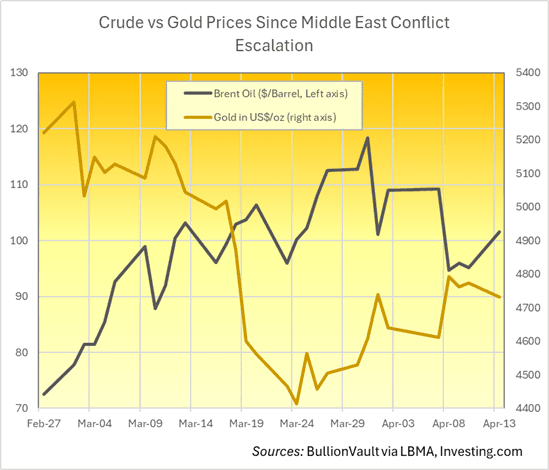
- Heightened **geopolitical risks**, particularly around the Middle East and the upcoming **US-Iran diplomatic talks**, continue to underpin safe-haven demand.
- The **Federal Reserve’s ambiguous communications** have injected episodic volatility into gold markets. Minutes revealing internal Fed divisions on interest rate policy have triggered gold rallies exceeding 1% on several occasions.
- Analysts at **J.P. Morgan** caution investors about record volatility, describing this period as “one of the most volatile safe-haven runs in decades,” and advocate for cautious positioning amid episodic disconnects between fundamentals and price movements.
- A fresh catalyst emerges from evolving **U.S. trade-policy and tariff adjustments**. Deutsche Bank highlights that shifts in tariffs could materially impact gold prices by influencing global trade flows, inflation expectations, and currency stability. Easing tariffs may reduce inflationary pressures and dampen gold demand, while renewed trade frictions could amplify safe-haven buying.
---
### Near-Term Safe-Haven Demand Spurs ETF Inflows Ahead of Geopolitical Milestones
Market anxiety around the **US-Iran diplomatic talks** and escalating Middle East tensions has fueled a notable uptick in gold ETF inflows in recent weeks. This safe-haven demand has helped gold maintain resilience despite broader economic softness and equity market headwinds.
Supporting observations:
- **Moneta Markets**’ February 27 analysis underscored the delicate balancing act between interpreting Fed signals and factoring in global geopolitical risks, with gold’s performance closely tied to this dynamic.
- Reuters pointed to a recent milestone where gold outperformed the Dow Jones Industrial Average, illustrating a growing investor shift toward gold as a strategic asset amid heightened macroeconomic uncertainty.
---
### Strategic Investment Guidance: Balancing Allocation with Tactical Agility
Given the volatile yet structurally supportive environment, experts recommend:
- Sustaining **strategic gold allocations** within diversified portfolios for risk management and inflation protection.
- Exercising **tactical flexibility** to navigate episodic price swings driven by Fed communications, geopolitical shocks, and trade-policy developments.
- Leveraging **regional pricing disparities** and the increasing availability of **multi-currency ETFs** to optimize liquidity, currency exposure, and overall gold investment efficiency.
---
### Outlook: Gold’s Structural Resilience and Growing Multifaceted Role
Looking ahead, gold’s fundamentals remain robust and increasingly complex:
- Ongoing inflows into **multi-currency ETFs** deepen market liquidity and reduce dependency on U.S. dollar dynamics.
- Sovereign reserve accumulation continues unabated, with tactical sales reflecting short-term liquidity needs rather than strategic shifts.
- Large sovereign holdings, such as the Bank of England’s **5,000+ tonnes vault stock**, amplify physical supply constraints.
- Divergent sovereign behaviors—from Venezuela’s liquidity-driven sales to the DRC’s innovative reserve-building—highlight gold’s evolving role as both a financial asset and geopolitical instrument.
- Key geopolitical events, especially the US-Iran talks and broader Middle East risks, sustain safe-haven demand and ETF inflows.
- The shifting U.S. trade-policy landscape adds a new variable to gold’s price outlook, introducing both upside and downside risks.
Major financial institutions maintain a cautiously optimistic medium-term view. **J.P. Morgan’s bullish $6,300 per ounce target** remains a beacon for gold’s enduring appeal amid global uncertainty.
---
### Conclusion
As 2026 progresses, gold’s evolving market structure—characterized by sustained ETF inflows above **4,000 tonnes**, sovereign hoarding exceeding **5,000 tonnes** at the Bank of England, and broadening multi-currency ETF offerings—reflects a transformative phase in both investment and reserve management practices.
The convergence of persistent inflation, geopolitical tensions, divergent central bank strategies, and nuanced macro-policy signals solidifies gold’s indispensable role in diversified portfolios and sovereign reserves alike. Investors and policymakers are advised to maintain strategic allocations while embracing tactical agility to capitalize on episodic volatility and emerging macro-policy catalysts.
Continuous monitoring of geopolitical developments, central bank communications, and trade-policy shifts will be crucial to navigating this complex landscape. Amid these dynamics, gold is poised not only to outperform traditional assets but to redefine its stature in the evolving global financial system.