# Australia’s Roads at a Crossroads: Surge in Violence, Reckless Driving, and Vehicle Attacks Continues to Escalate
Australia is facing an alarming escalation of dangerous and violent incidents on its roads, revealing a crisis that threatens public safety, law enforcement efficacy, and community trust. Over recent months, an unprecedented wave of reckless behaviors—ranging from high-impact crashes and vandalism to the criminal use of vehicles as weapons—has come into focus, prompting urgent calls for comprehensive action. The latest developments underscore the need for sustained enforcement, technological innovation, infrastructure upgrades, and cultural change to stem this rising tide of danger.
## Widening Spectrum of Dangerous Incidents and High-Impact Crashes
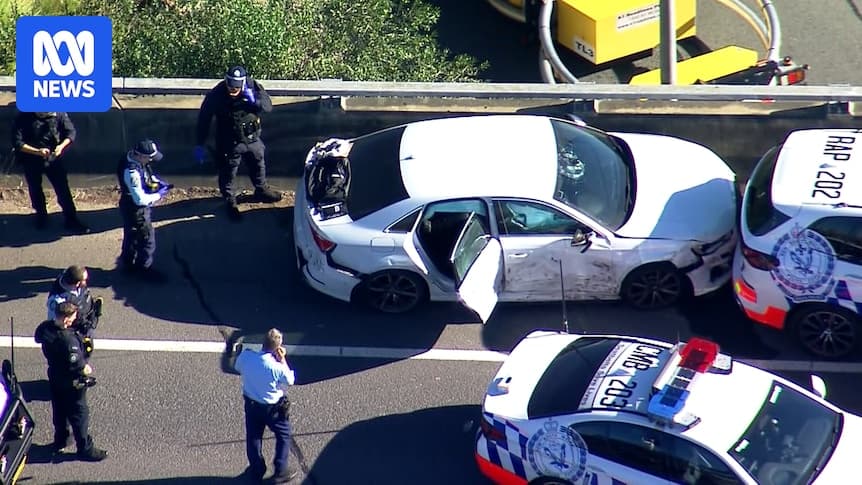
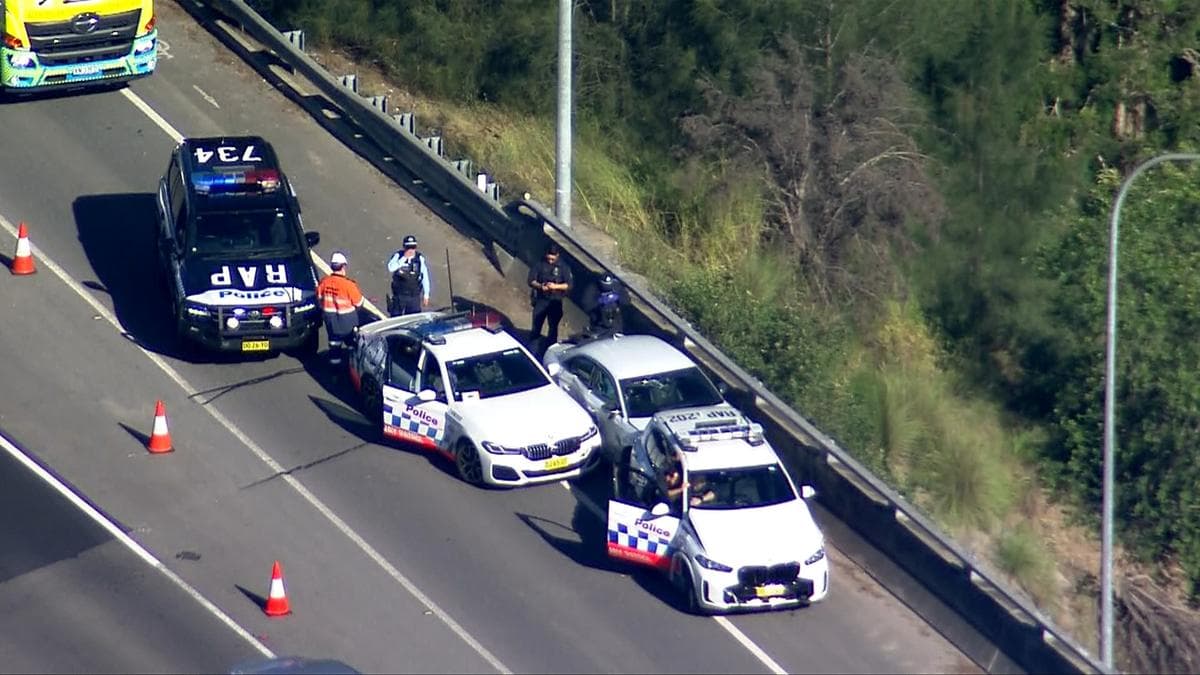
The past few months have seen a dramatic increase in perilous events across Australian cities and regional areas. These incidents now span a broad spectrum, highlighting a disturbing trend of escalating violence and criminal activity involving vehicles.
### Notable Recent Incidents
- **Bruce Highway Wrong-Way Truck Tragedy:**
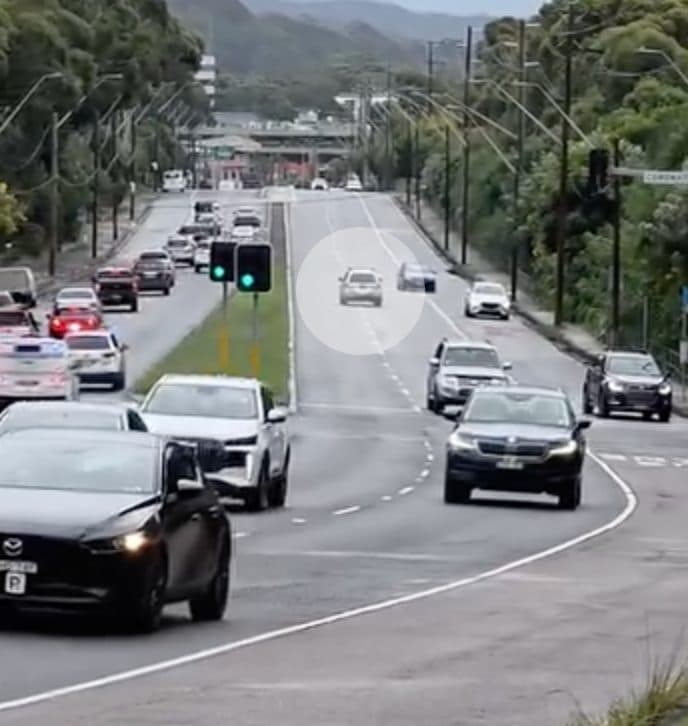
A **26-year-old driver** was tragically killed in a head-on collision after a **truck traveling against traffic** at high speed crashed on Queensland’s Bruce Highway. Footage shared by **10 News** vividly depicted the reckless wrong-way driving, emphasizing the deadly consequences of such behavior involving heavy vehicles. The victim was remembered as a “kindest bloke,” illustrating the human toll behind these tragedies.
- **Kooragang Island Fatal Crash:**
Investigations are ongoing into a **crash in early February** that resulted in **two fatalities**. Law enforcement is examining driver behavior, environmental conditions, and vehicle safety measures, revealing that technological advances have not eliminated vulnerabilities on Australian roads.
- **Regional Collisions and Rollover Incidents:**
A **single-vehicle rollover** in Western Australia’s Lake Grace claimed a life, illustrating risks faced in regional areas. On Kooragang Island in NSW, a crash caused two deaths, prompting renewed calls for infrastructure safety enhancements.
- **Vehicle Sabotage and Vandalism:**
- A **stolen excavator** was used to smash into a bridge on Sunshine Coast’s Bruce Highway, disrupting traffic and exposing links between vehicle theft and vandalism.
- In South Australia, a **vehicle crashed into a residence in Lyneham**, prompting community appeals for information.
- In Perth, a **vehicle plowed into a house while the occupant was sleeping**, driven by an impaired driver, exemplifying ongoing dangers from drunk and reckless driving.
### The Human Toll and Bizarre Incidents
The tragic human costs continue to mount:
- A **42-year-old driver** died after a multi-vehicle collision in Mawson, ACT, linked to reckless and aggressive driving behaviors.
- An **elderly woman** was killed in a severe crash in the Hunter Region, NSW, emphasizing the vulnerability of pedestrians and vulnerable road users.
- The **Queensland truck crash** underscores ongoing risks associated with high-speed pursuits and impaired driving—issues often intertwined with road rage and organized criminal activities.
Adding to the distressing landscape, bizarre incidents frequently garner media attention:
- A **hit-and-run involving two 15-year-old girls on an e-bike** near coastal Queensland raised concerns about youth safety and reckless riding.
- Vehicles crashing into homes, such as at Dover Gardens, South Australia, and Rivervale, Perth, where a woman was killed while sleeping due to a driver under the influence losing control, highlight the unpredictable and deadly nature of such episodes.
## Contributing Factors: A Perfect Storm of Human and Systemic Causes
Experts point to a complex interplay of factors fueling this surge:
- **Drink-driving:**
Despite ongoing campaigns, impaired driving remains persistent. Recent reports highlight incidents such as a driver caught on South Australia’s far west coast engaging in dangerous behavior.
- **Fatigue:**
Recognized as a leading cause of crashes nationwide, fatigue-related incidents are prompting initiatives like **National Driver Fatigue Week** to emphasize rest and alertness.
- **Distraction:**
Approximately **16% of major accidents** are attributed to driver distraction—be it mobile phone use, eating, or listening to music—indicating cultural habits that undermine safety.
- **Hooning and Reckless Behavior Promoted on Social Media:**
Platforms like TikTok continue to popularize dangerous stunts and illegal street racing. Authorities are actively monitoring and penalizing such conduct under **anti-hooning laws**, with some offenders facing **up to two years in jail**.
- **Criminal Acts and Vehicle Misuse:**
Evidence suggests some **home invasions involving firearms** are linked to prior aggressive road disputes. Stolen vehicles are increasingly used as weapons or tools for vandalism, further blurring the lines between traffic offenses and organized crime.
- **Unsecured Loads and Debris:**
A rising trend involves **flying hazards** caused by **unsecured loads**—pallets, metal scraps, loose cargo—on motorways. Recent reports indicate **up to six flying hazards daily** on Brisbane’s motorways alone, causing accidents and vehicle damage.
## Responses and Technological Innovations
### Enforcement Blitzes and Legislation
Law enforcement agencies are intensifying efforts:
- **South Australia Police (SAPOL)** recently conducted a **major blitz** on reckless driving, issuing nearly **200 fines** and arresting **eight individuals** for dangerous behaviors, including street racing and excessive speeding.
- The **Crafers Police** recently caught a driver committing multiple of the "fatal five" offences—speeding, distracted driving, failing to wear a seatbelt, driving under the influence, and ignoring traffic signals—highlighting targeted enforcement strategies.
### Legislative Reforms and Technological Advances
- The **2026 legislative package** introduces **stricter penalties** for dangerous driving, including longer jail terms and hefty fines.
- Deployment of **AI-powered traffic cameras** has expanded significantly, with Western Australia recording over **83,000 violations** in recent months, boosting enforcement capacity.
- Authorities are increasing **social media monitoring** to detect dangerous stunts, with offenders facing **up to two years in jail**.
- The testing of **long-range drones** by Australian police is underway, offering a revolutionary way to monitor traffic across extensive highway networks.
### Infrastructure Improvements and Community Campaigns
Governments are investing in safety upgrades:
- **High-risk intersection improvements**, such as better signage, traffic lights, and physical barriers, aim to prevent severe crashes in areas like Lake Grace.
- **Speed reduction zones** near schools are being expanded, especially in Victoria, to protect pedestrians.
- **Road repairs and reclassification** facilitate safer heavy-vehicle movement, reducing congestion and crash risks.
Public education campaigns like South Australia’s **"Sharing the Road"** promote respect among drivers, cyclists, and pedestrians, fostering a culture of safety and vigilance.
## Latest Development: Review of AI Traffic Camera Performance and Public Reaction
A recent review of **AI traffic camera systems** by **9 News Australia** sheds light on their growing role in enforcement:
> **"As we head into the long weekend and double demerit points, the use of AI-powered cameras has become central to Australia's road safety efforts,"** reports 9 News. The review highlights that these cameras are capable of identifying multiple violations simultaneously—speeding, distracted driving, seatbelt non-compliance, and more—without human intervention.
> The public reaction has been mixed: many appreciate the enhanced enforcement and the potential for reduced accidents, while some express concerns over privacy and overreach. Nonetheless, authorities emphasize that these systems are crucial in deterring dangerous behaviors, especially as social media continues to promote risky stunts.
This technological leap underscores the shift toward automated, AI-driven enforcement as part of a broader strategy to reduce fatalities and improve compliance.
## Path Forward: A Multi-Pronged Approach for Safer Roads
The escalating violence and reckless behaviors demand a comprehensive, sustained response:
- **Enforcement and penalties** must remain aggressive to deter high-risk conduct.
- **Infrastructure upgrades**—such as safer intersections and physical barriers—are essential, especially in high-crime and high-accident zones.
- **Public education campaigns** are vital to changing societal norms around reckless driving and promoting shared responsibility.
- **Technological innovations**, including **AI cameras** and **long-range drones**, should be expanded and refined for proactive enforcement.
- **Community engagement** and reporting mechanisms can foster a culture of vigilance and collective responsibility.
If these strategies are executed cohesively, Australia has the potential to reverse this troubling trend, saving lives and rebuilding confidence on its roads. Neglect, however, risks further tragedies, with injuries, fatalities, and community trauma continuing to mount.
## **Current Status and Implications**
The recent surge in violent crashes, vehicle vandalism, and reckless incidents signals an urgent need for decisive action. The enforcement blitzes, legislative reforms, technological deployments, and infrastructure investments currently underway are critical steps. The ongoing review of **AI traffic cameras** reveals their pivotal role in modern enforcement—balancing technological efficiency with public acceptance.
**Australia is at a crossroads.** The choices made now—whether to prioritize enforcement, innovation, community education, or infrastructural safety—will determine whether this rising tide of danger can be stemmed. Effective, coordinated efforts are essential to reducing fatalities, restoring public confidence, and ensuring safer journeys for all Australians.
---
*In summary*, Australia's roads have become increasingly perilous, with violent crashes, vehicle vandalism, and reckless behaviors reaching unprecedented levels. The integration of advanced enforcement technologies like AI-powered cameras, legislative reforms, infrastructure upgrades, and community campaigns offers hope. However, sustained commitment and cultural change are imperative to turn the tide and protect lives on Australian roads. The decisions and investments made today will shape the safety landscape for generations to come.