# The 2026 Landscape of AI Regulation, Governance, and Trust: A New Era of Collaborative Oversight and Technical Innovation
The year 2026 stands as a pivotal milestone in the ongoing evolution of artificial intelligence (AI), marked by unprecedented levels of international cooperation, sophisticated technical standards, and adaptive governance frameworks. As AI systems become increasingly embedded in vital sectors—such as healthcare, finance, bioengineering, and education—the global community is actively shaping policies and tools that foster trustworthy, responsible, and resilient AI. Recent developments underscore a convergence of principles, innovative safety mechanisms, and dynamic oversight structures designed to proactively mitigate risks, bolster societal trust, and ensure AI benefits are accessible worldwide.
## A Global Convergence: From Principles to Actionable Frameworks
At the heart of 2026’s progress is the **adoption of the New Delhi Declaration**, a landmark accord where **88 nations**, including major powers like the **United States**, **China**, the **European Union**, and **India**, committed to a shared vision of AI governance. This historic agreement emphasizes **cross-border cooperation**, the **harmonization of standards**, and **collective responsibility** for **ethical deployment**, **security**, and **responsible innovation**. It signifies a major stride toward **global consensus**, aiming to reduce regulatory fragmentation and facilitate **enforcement** across diverse jurisdictions.
**Key stakeholder perspectives** reflect this momentum:
> *“The New Delhi Declaration is a pivotal step toward ensuring AI benefits are universally accessible and safe,”* stated an EU representative.
> *“International collaboration must be the cornerstone of AI governance to prevent fragmentation and misuse,”* added a US diplomat.
### Regional and Sectoral Approaches: Divergence Amid Harmonization
Despite the overarching convergence, regional initiatives continue to evolve with distinct priorities:
- The **European Union** remains committed to its **AI Act**, which emphasizes **risk assessments**, **transparency mandates**, and **strict compliance measures**—setting a high standard influencing global norms.
- The **United States** pursues a **decentralized yet coordinated** approach, exemplified by programs like the **California AI Accountability Program**, focusing on **audits**, **monitoring**, and **industry enforcement**—notably targeting leaders such as **xAI**.
- **India** advances its **7 Sutras**, establishing **liability frameworks**, **disclosure requirements for AI-generated content**, and **transparency measures** aimed at building **public trust**. The **Indian AI Impact Summit 2026** champions **regionally adaptable standards** tuned to local societal contexts.
- Meanwhile, **Southeast Asia**, as analyzed by Kristina Fong of the ISEAS-Yusof Ishak Institute, actively shapes **regional governance strategies** that complement global efforts, emphasizing **harmonization** to prevent regulatory gaps that could jeopardize AI safety.
This **diversity** underscores geopolitical variation but also highlights the **urgent need for harmonization initiatives** to strengthen **collective security**.
## Sector-Specific and Biosecurity Regulations: Addressing Unique Risks
Recognizing sector-specific challenges, policies are intensifying across domains:
- **Healthcare, finance, and education** now enforce **safety protocols**, **fairness standards**, and **reliability benchmarks** to ensure AI tools serve societal needs ethically.
- In **biosecurity and bioengineering**, advances such as **synthetic biology** and **dual-use technologies** demand **bespoke governance models**. Experts like **Doni Bloomfield** emphasize balancing **innovation** with **security**, advocating for **biological data privacy** and **malicious exploitation prevention**.
### Notable Initiatives and Summits
- The **Beyond Guardrails** initiative and the **AI Impact Summit 2026** promote **globally coherent yet regionally adaptable standards**.
- The **2026 International AI Safety Report** underscores existing **regulatory gaps** and calls for **collaborative efforts** to prevent fragmentation and enhance **collective security**.
## Technical Standards, Benchmarks, and Detection Technologies: Building Trust through Measurability
Operationalizing transparency and safety, 2026 witnesses the widespread deployment of **measurable standards** and **advanced detection tools**:
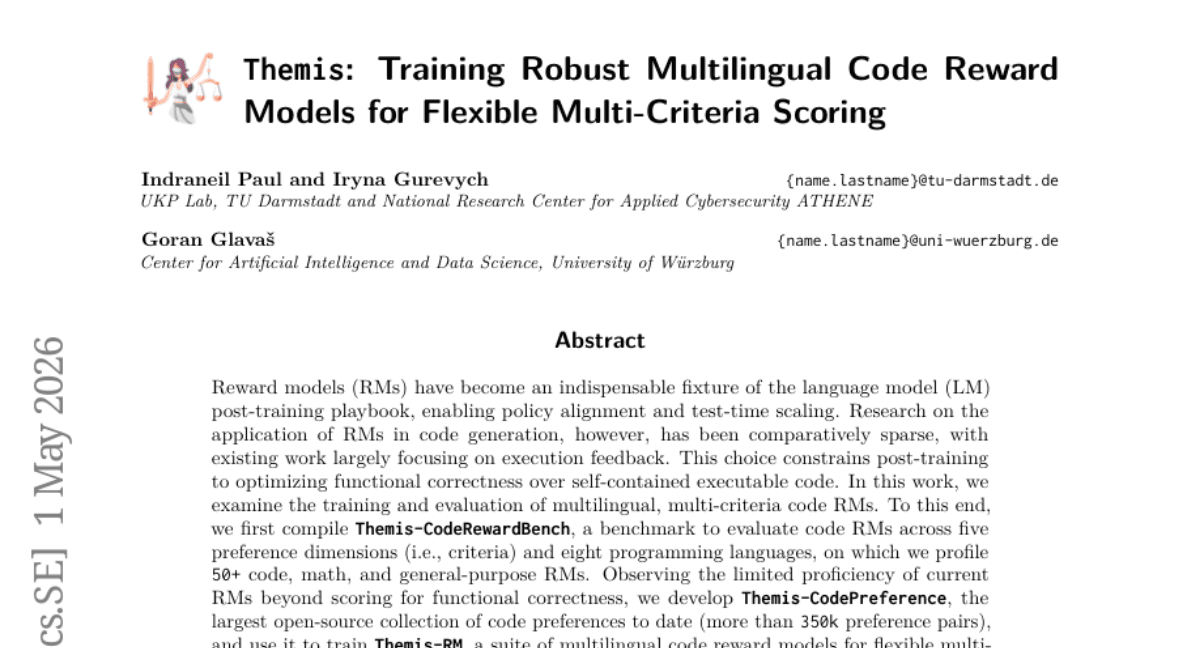
- **LOCA-bench** evaluates **language agents’** capacity for **long-term contextual understanding** and **dependency management**, essential for **reliable human-AI interactions**.
- **AIRS-bench** assesses **goal-oriented reasoning** and **long-term planning**, supporting **medical diagnostics** and **autonomous decision-making**.
- **MIND Benchmark** measures **world model robustness**, **adaptability**, and **predictive accuracy**, facilitating **regulatory audits** and **system safety assessments**.
- **FeatureBench** focuses on **agentic coding capabilities** in **complex feature development**, underpinning **autonomous software engineering** with embedded safety considerations.
### Emerging Risks from Model Compression and Adversarial Threats
Progress in model efficiency brings new vulnerabilities. The development of **NanoQuant**, a **groundbreaking model compression technique** enabling **sub-1-bit quantization** of large language models, exemplifies this duality:
- While NanoQuant significantly enhances **efficiency** and **scalability**, it also **raises security concerns**. Compressed models are more susceptible to **malicious modifications**, **model bypasses**, **jailbreaks**, and **adversarial prompts**.
- Reports highlight vulnerabilities such as **model jailbreaks**, **adversarial prompts**, and **covert cues** via **visual or multimodal inputs**, threatening **model integrity**.
- External threats like **data poisoning** and **training manipulation** further threaten **model alignment** and **behavioral predictability**.
## Governance of Autonomous Agents and Biosecurity: Dynamic, Living Frameworks
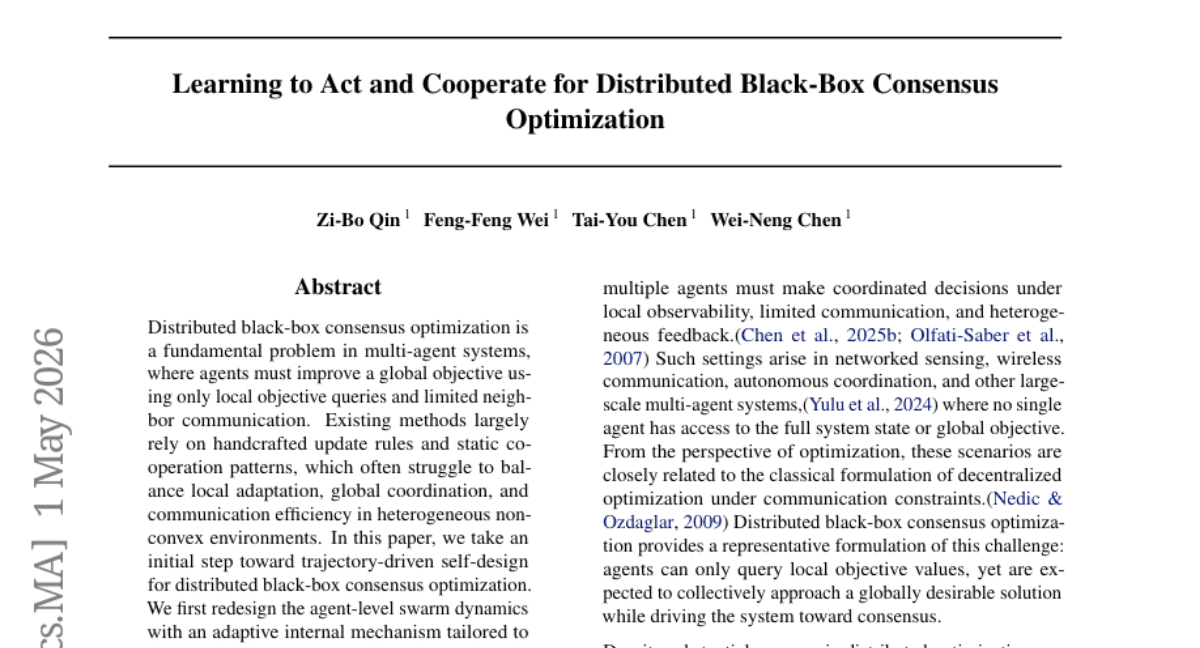
Given the complexities of **autonomous, agentic systems**, **"living governance"**—**real-time, adaptive oversight mechanisms**—has become essential:
- Frameworks like **SA-ROC** translate **clinical guidelines** into **automated oversight workflows** for sectors like **healthcare AI**.
- Policies now emphasize **transparent decision-making**, **clear attribution**, and **accountability** for **autonomous agents** in sensitive domains, notably **biosecurity**.
### Standards and Enforcement
Recent **IEEE publications** propose **integrated governance frameworks** addressing **technical oversight**, **lifecycle management**, and **ethical considerations**, enabling **continuous compliance** amid rapid AI evolution. Additionally, **market-based levers** are used to align **corporate motivations** with **responsible development**. International standards, such as those promoted by **Beyond Guardrails**, aim to **reduce divergence** and **strengthen collective security**.
## Supporting Innovations: Tools and Research Directions
To facilitate **compliance** and **model safety**, numerous **tools** and **research initiatives** have emerged:
- **EA-Swin**: An **Embedding-Agnostic Swin Transformer** designed for **deepfake detection** and **content verification**, crucial amid proliferating synthetic media.
- **NeST (Neuron Selective Tuning)**: A **lightweight safety alignment technique** that **modulates safety-critical neurons** with minimal retraining, supporting **fine-grained compliance**.
- **Meta Flow Maps**: Developed by Peter Potaptchik, these enable **scalable reward alignment** across complex systems, enhancing **reward specification reliability**.
- **Recent research** offers advancements like:
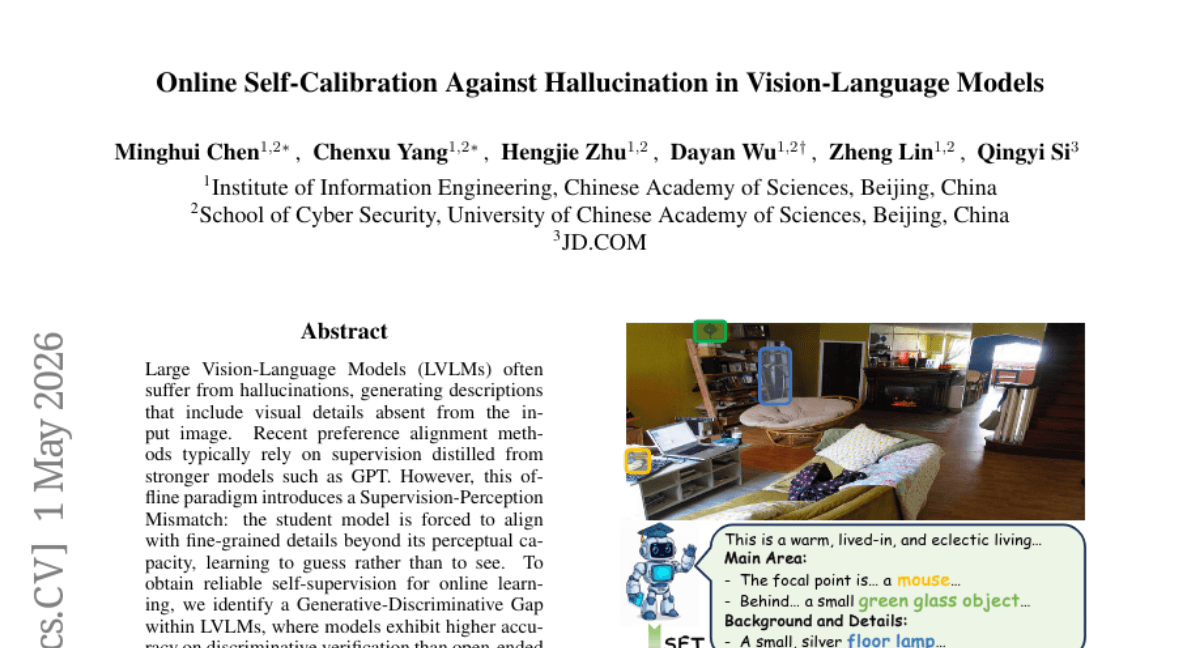
- **NoLan**: A method to **mitigate object hallucinations** in **vision-language models** through **dynamic suppression of language priors**. Join the discussion on this paper page.
- **GUI-Libra**: A framework for **training native GUI agents** to **reason and act** with **action-aware supervision** and **partially verifiable reinforcement learning**. Join the discussion on this paper page.
### Recent Breakthroughs in Agent Safety
Research into **verifiable, safe agentic systems** has accelerated:
- **GUI-Libra** exemplifies efforts to develop **robust, interpretable agents** capable of **reasoning about actions** with **partial verification**, a critical step toward **trustworthy autonomous systems**.
## Privacy-Preserving Methods and Data Governance: Supporting Responsible Deployment
Recent innovations focus on **balancing data utility** with **privacy protection**:
- **Adaptive text anonymization techniques**, such as **Prompt Optimization**, enable **context-aware privacy safeguards** that **adapt dynamically** to deployment needs.
- These methods support **regulatory compliance** and **public trust**, ensuring that sensitive data remains protected in AI systems.
## Current Status and Future Outlook
The AI landscape of 2026 exemplifies a **holistic approach**—combining **international cooperation**, **robust technical standards**, and **adaptive governance** mechanisms. The integration of **benchmarks** like LOCA-bench, AIRS-bench, and MIND into **compliance workflows** enhances **early detection of vulnerabilities**. Sector-specific operational frameworks, **interpretability**, and **resilience** remain central to addressing **emergent threats**.
### Strategic Priorities for the Future:
- Embedding **measurable standards** into **regulatory workflows**.
- Developing **adaptive, real-time governance** for **high-risk domains** like **healthcare** and **biosecurity**.
- Investing in **interpretability**, **resilience**, and **robust safety architectures**.
- Strengthening **international harmonization efforts** to foster **global AI safety**.
## Implications and Final Reflections
The developments of 2026 underscore that **trustworthy AI** hinges on **multi-layered, adaptive governance**, **cutting-edge technical safeguards**, and **international collaboration**. The emergence of **living governance frameworks** capable of **real-time adaptation**, coupled with **advanced detection tools** like **NanoQuant**, **NeST**, and **Meta Flow Maps**, exemplifies a proactive stance toward **preventing misuse**, **enhancing security**, and **maximizing societal benefits**.
As AI continues its rapid evolution amid complex societal and technical challenges, the overarching goal remains: **fostering a global culture of accountability**, promoting **responsible innovation**, and **harmonizing standards** to ensure AI serves humanity’s collective good in this transformative era.