# Investment Outlook 2024: Embracing a Hybrid, Resilient, and Income-Focused Renewable Energy Sector
As the global momentum toward decarbonization accelerates in 2024, investors find themselves at a pivotal juncture where the energy landscape is shifting from a singular focus on capacity growth to a more sophisticated, balanced approach. The years of emphasizing wind and solar expansion are now complemented—and in some cases challenged—by technological breakthroughs, strategic policy initiatives, and a deeper understanding of energy system resilience. This evolving narrative underscores the importance of **integrating baseload solutions like Enhanced Geothermal Systems (EGS)** alongside **utility stocks with strong dividend growth**, creating a **diversified, income-oriented, and future-proof portfolio** aligned with both climate commitments and economic stability.
---
## A Paradigm Shift: From Growth-Centric to Hybrid, Resilient Investment Strategies
While wind and solar continue to be vital drivers of renewable capacity, their **intermittent nature** poses significant challenges for grid stability and project economics. Recognizing this, 2024’s strategic focus pivots toward **complementing intermittent renewables with baseload technologies**, particularly **EGS**, which offers **continuous, reliable power generation** independent of weather conditions.
**Key pillars of this integrated approach include:**
- **Sustained expansion of wind and solar**, supported by robust project pipelines and ongoing technological advancements.
- **Active investment in baseload technologies**, with **EGS emerging as a leading candidate** due to its ability to deliver **around-the-clock clean energy**.
- **Utility stocks with strong dividend growth and stability**, providing **predictable income streams** to buffer sector volatility and support long-term investment stability.
This **hybrid framework** aims to **capitalize on technological progress, supportive policies, and market resilience**—creating a **balanced investment environment** that emphasizes **growth, reliability, and income**, all essential for achieving global decarbonization goals while ensuring economic security.
---
## Major Sector Developments and Leadership Highlights
### NextEra Energy: Sustained Leadership Amidst Sector Evolution
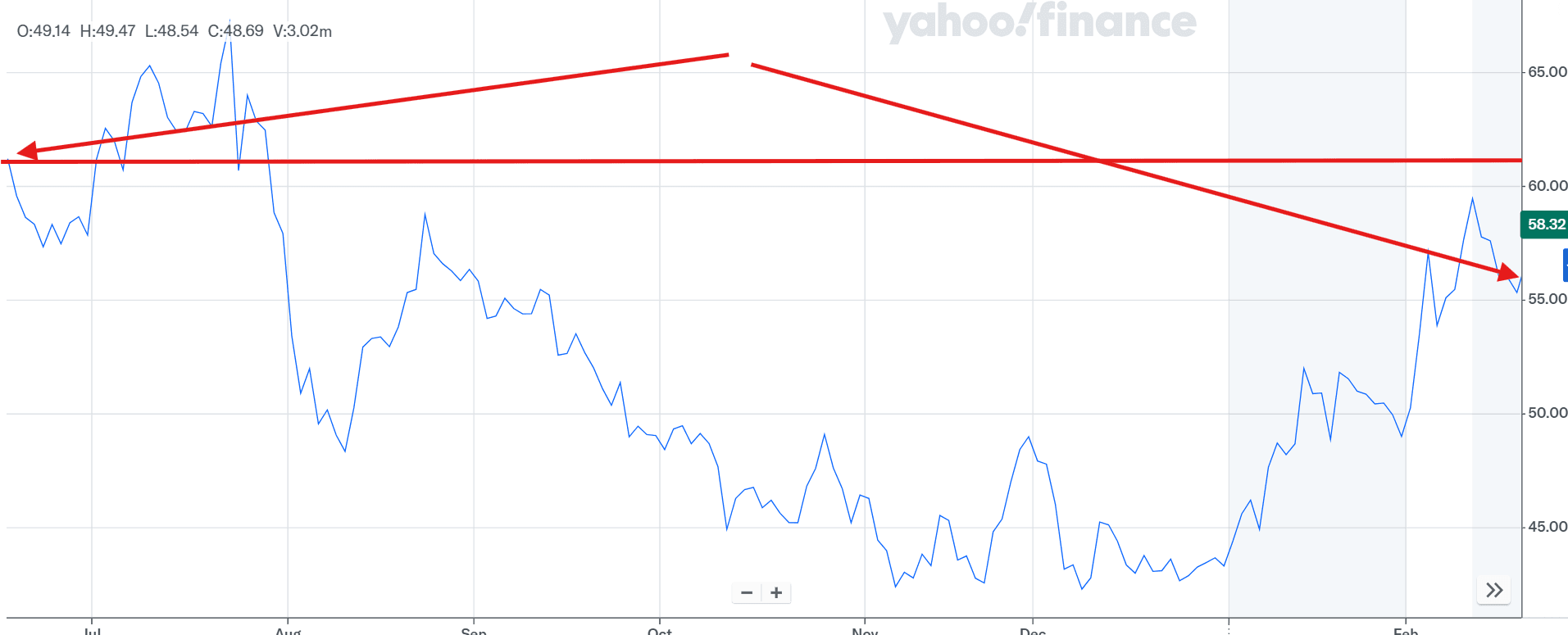
**NextEra Energy** continues to serve as a **cornerstone for renewable equity exposure**, buoyed by its **expansive project pipeline**, strategic focus on wind and solar, and alignment with favorable policy trends. Recent insights, including a well-received YouTube review (10:42 minutes, 292 views, 21 likes, 59 comments), reaffirm its prominence.
**Key points include:**
- A **comprehensive development pipeline** that provides clear visibility into future earnings, bolstering investor confidence.
- Continued innovation and **alignment with regulatory policies** position it advantageously for ongoing growth.
- **Valuation considerations** suggest the need for vigilance; analysts advise monitoring its stock price carefully to manage valuation risks.
- **Risks** such as regulatory hurdles, supply chain disruptions, inflation, and potential policy shifts remain relevant concerns.
**Conclusion:** NextEra Energy **remains a core holding for sector exposure**, but **risk management and valuation awareness** are essential to optimize returns.
### U.S. DOE’s Geothermal Breakthrough: Catalyzing a Baseload Power Revolution
A **transformative announcement** from the **U.S. Department of Energy (DOE)**—specifically its recent report titled **“Pathways to Commercial Liftoff: Next-Generation Geothermal Power”**—marks a significant turning point for geothermal energy.
**Implications include:**
- The report **highlights Enhanced Geothermal Systems (EGS)** as a **revolutionary technology** capable of providing **reliable, 24/7 clean power**, effectively addressing the intermittency issues of wind and solar.
- **Government backing** through targeted R&D funding and policy support underscores strong institutional commitment.
- Companies engaged in geothermal development are positioned to **capitalize on this momentum**, tapping into **cost-effective, environmentally sustainable baseload power**.
- Geothermal’s **ability to seamlessly integrate with intermittent renewables** enhances **grid resilience** and **energy security**, making it an attractive investment avenue.
This **technological and policy breakthrough** signals a **strategic pivot**: geothermal is poised to **become a central component of decarbonization efforts**, offering **long-term economic and environmental benefits**.
---
## Sector Opportunities & Emerging Players
Beyond traditional utilities and geothermal, several firms are gaining prominence by aligning with policy initiatives and technological innovations:
- **Gujarat Enviro Protection & Infrastructure Ltd. (GEV):** Active in wind infrastructure, benefiting from regional and global incentives.
- **Central European Gas Holding (CEG):** Investing in EV infrastructure and renewable gases, positioning itself for regional policy support.
- **MNTK:** Focused on EV charging infrastructure, capturing the rising demand for sustainable transportation.
**However, caution is advised** due to ongoing **cost pressures**, **supply chain constraints**, and **policy uncertainties**—such as potential changes in renewable incentives or mandates that could impact growth trajectories.
### Utility Stocks: Stability, Dividends, and Transition Investments
A central theme in 2024 is the **growing role of utility companies** in providing **steady income streams** amid sector transformation. For example, **Southern Company (NYSE: SO)** offers an **approximate 3.14% dividend yield** and is **expected to hike dividends in April**, exemplifying financial confidence.
**Why utility stocks are increasingly attractive:**
- **Reliable dividends:** Utilities boast a long-standing record of consistent income.
- **Transition investments:** Many are heavily investing in renewables and clean infrastructure.
- **Resilience:** Diversified utility portfolios help mitigate sector volatility and provide income stability.
**Southern Company** exemplifies this approach through **solid dividend growth and strategic renewable investments**, making it a **cornerstone for income-focused, risk-averse portfolios**.
---
## Enhancing Income Strategies: Tools, Signals, and Cautions
Investors are leveraging a suite of **analytical tools and ETFs** to optimize income in 2024:
- **Target-income ETFs** like the **Invesco S&P 500 High Dividend Low Volatility ETF (SPHD)** and **High Yield 10% Target Income ETF (HYGM)** are **launching soon**, offering **diversified, high-yield exposure** with options strategies to **generate additional income**.
- **Morningstar-rated high-dividend ETFs** are positioned to **outperform over the long term**, providing passive income with stability.
- **WisdomTree’s dividend growth resources** emphasize **investing in companies with consistent dividend increases**, aligning with the **long-term dividend growth investing philosophy**.
- **QDI strategies** and **covered call ETFs** enable investors to **maximize after-tax income** and **manage risk** effectively.
### Practical Guidance for 2024 Investors
To maximize opportunities, investors should:
- **Monitor policy milestones**—legislative updates, tax incentives, and renewable mandates—acting as key market catalysts.
- **Follow technological breakthroughs**, such as geothermal project announcements, for timely investment decisions.
- **Assess input costs and supply chain health**, as fluctuations impact project margins and feasibility.
- **Prioritize dividend sustainability**, favoring companies with a history of dividend increases and healthy payout ratios.
- **Leverage analytical tools**—diversified ETFs, covered call strategies, and QDI analysis—to build resilient income streams.
- **Watch for corporate governance signals**, including **buybacks and insider buying**, as indicators of management confidence.
- **Beware red flags** like dividend cuts or deteriorating financial metrics, which can precede value erosion.
---
## Current Sector Outlook & Broader Implications
**2024** is shaping up as a **watershed year** for renewable and alternative energy sectors. The convergence of **NextEra’s leadership**, **DOE’s geothermal initiatives**, and **technological innovation** signals a sector poised for **long-term growth and deep transformation**.
The **DOE’s geothermal report**, backed by policy support, has the potential to **revolutionize renewable integration**, delivering **cost-effective, reliable, and environmentally sustainable baseload power**. Simultaneously, **wind, EV infrastructure, and utility dividend stocks** offer diversified avenues for **growth and income**.
### Sector Implications:
- A **more resilient and flexible energy system** capable of meeting ambitious decarbonization targets.
- Opportunities for **long-term investors** to **combine growth with stable income**.
- The importance of **tracking policy developments, technological breakthroughs**, and **market signals** to identify new catalysts.
---
## The Role of Corporate Governance and Market Signals
In addition to technological and policy factors, **corporate governance signals** like **buybacks** and **insider conviction** are critical indicators of a company's health and management’s confidence in future prospects.
### Aristocrats Get Their Turn in Buyback Form
**Dividend Aristocrats**—companies with a long track record of increasing dividends—are now leveraging **buyback programs** to return capital to shareholders, often signaling management’s **confidence in their valuation and growth outlook**. These buybacks can enhance shareholder value and support stock prices during volatile periods.
### Insider Conviction: When High Yield Meets Insider Buying
**Insider buying activity**, especially in high-yield names, often signals **management’s belief in their company’s future** and can be a **powerful alpha signal**. For example, when insiders purchase shares in a company with a strong dividend yield, it suggests a **positive outlook** that may precede share price appreciation.
### Cautionary Lessons: The Cost of Ignoring Warning Signs
Historical episodes, such as **a 50% dividend cut leading to a 16% stock slide**, highlight the importance of **vigilance**. Ignoring early warning signs—like deteriorating financial metrics or declining payout ratios—can lead to **significant losses**. Investors should incorporate **risk management strategies**, including **monitoring dividend sustainability and corporate governance signals**, to avoid such pitfalls.
---
## Current Status & Future Outlook
The energy sector’s transformation in 2024 reflects a **dynamic interplay** between **technological innovation**, **policy support**, and **market adaptation**. The **geothermal breakthrough**, driven by **government initiatives**, underscores a **long-term shift toward baseload renewable energy**, complementing wind, solar, and EV infrastructure.
**Implications for investors include:**
- A **more resilient grid and energy system** aligned with decarbonization targets.
- **Opportunities for stable income** through utility dividends and income-oriented ETFs.
- The necessity of **ongoing vigilance** regarding policy changes, technological breakthroughs, and corporate governance signals.
---
## Final Thoughts: Building a Balanced, Future-Proof Portfolio in 2024
The sector’s evolution highlights a **fundamental shift**: from a focus solely on capacity growth to a **holistic approach** that emphasizes **reliability, innovation, and income generation**. With **DOE’s geothermal initiatives** and **utility companies with dividend growth**, investors are equipped to **construct resilient, future-proof portfolios**.
**Staying informed**, **leveraging analytical tools**, and **diversifying across asset classes and strategies** are key to **maximizing returns** and **managing risks** amid this transformative period. The convergence of **policy support**, **technological advances**, and **market signals** makes 2024 an opportune year to **embrace a balanced, innovative approach** toward sustainable energy investment.
---
*This ongoing transformation underscores the importance of strategic foresight and adaptability. As the energy sector evolves rapidly, those who remain vigilant and diversified will be best positioned to **profit from the sector’s growth and resilience** into the coming decades.*