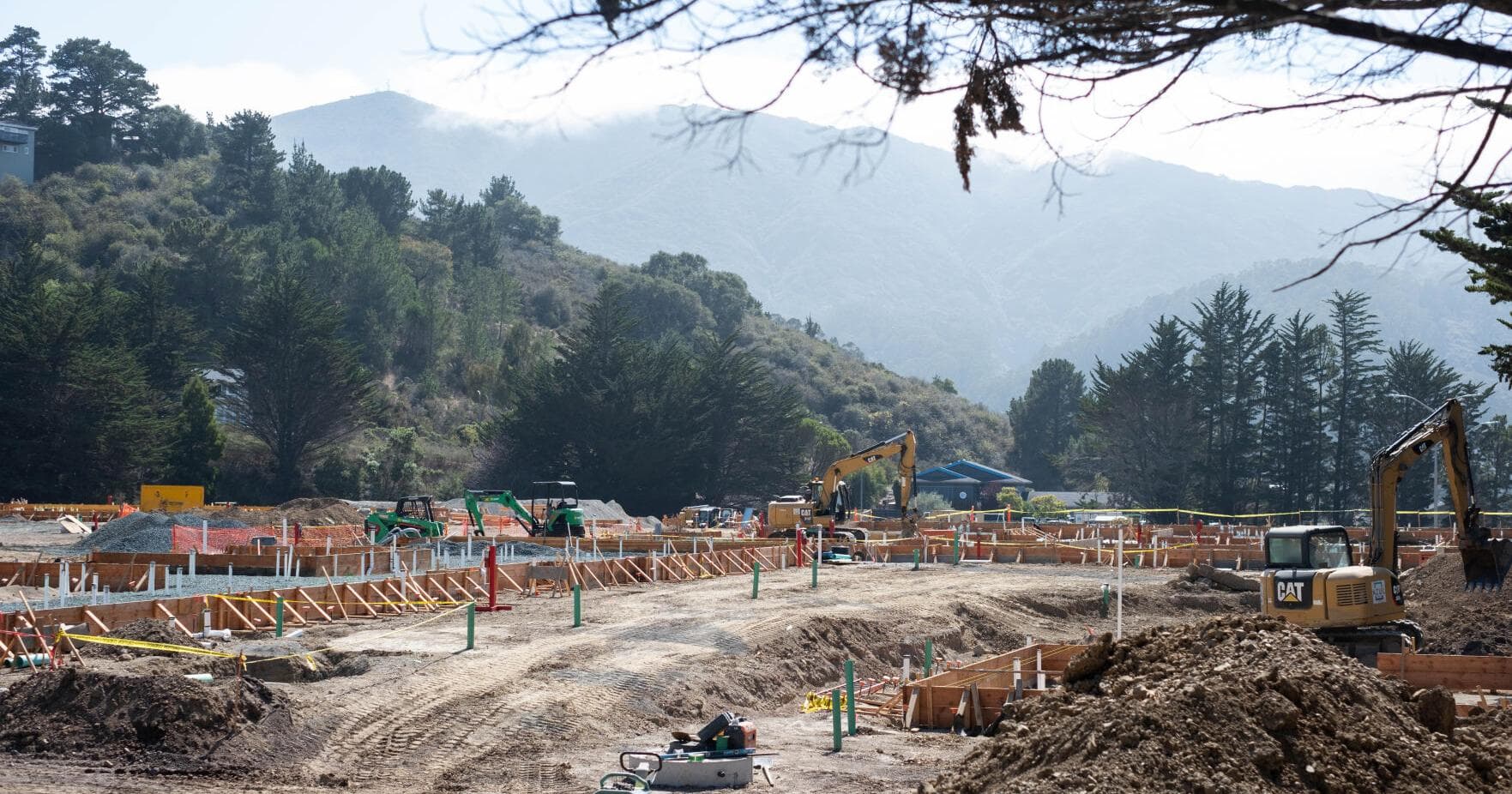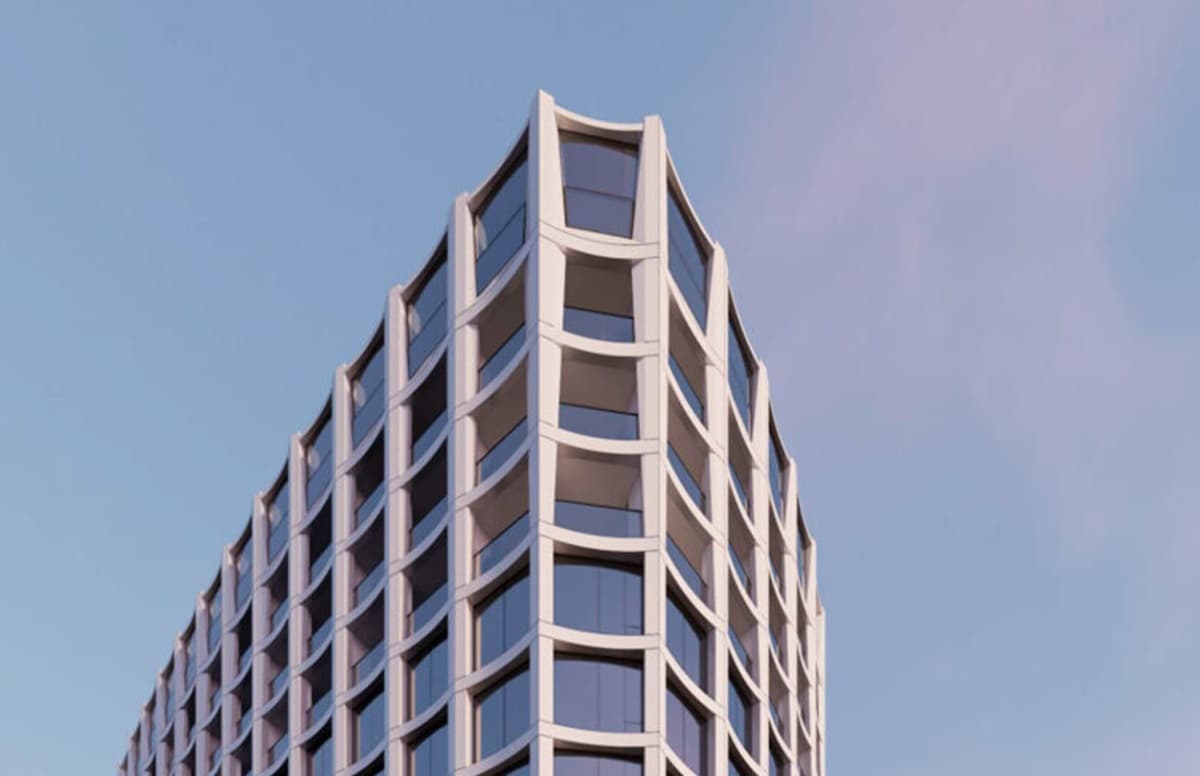
California’s accessory dwelling unit (ADU) market in 2028 continues to navigate a complex crossroads of opportunity and challenge, shaped by evolving policy frameworks, innovative construction technologies, financial headwinds, and persistent equity and local implementation hurdles. While legislative victories and industry advances have propelled ADU expansion, new developments—such as Sunnyvale’s ambitious tech-to-housing conversions—underscore the dynamic pressures reshaping regional housing landscapes and ADU cost structures.
---
### Persistent Cost Variability: A Multifaceted Challenge
The defining characteristic of California’s ADU market remains the **wide cost variability**, with per-unit prices ranging from approximately **$150,000 to $320,000**. This variability stems from an intricate web of factors that differ markedly by location and project specifics:
- **Site and Design Complexity:** Urban areas like Oakland and San Francisco demand extensive geotechnical analysis and specialized foundation work, driving up costs.
- **Regional Labor and Material Disparities:** Coastal metropolitan zones face acute skilled labor shortages and elevated materials prices. Inland and rural areas grapple with supply chain disruptions and high transportation costs, particularly for factory-built components.
- **Permitting and Soft Costs:** Despite progress in cities such as Oakland and Mountain View, many jurisdictions maintain lengthy, costly permitting processes that inflate timelines and budgets.
- **Land Values and Zoning Constraints:** High land prices, especially along the coast, compel developers toward smaller, more expensive ADU designs, limiting economies of scale.
- **Supply Chain and Labor Volatility:** Although modular manufacturing capacity has expanded, shortages of specialized components and skilled tradespeople continue to cause unpredictable delays and cost overruns.
Industry experts stress the importance of **early, comprehensive site assessments** and maintaining **contingency budgets** to mitigate risks. As a San Jose ADU consultant noted,
> “Factory-built housing is transformative but navigating these financial and political headwinds demands strategic foresight and flexibility.”
---
### Modular and Factory-Built ADUs: Innovation Amid Financial and Political Headwinds
Modular construction remains a leading strategy to scale ADU production and control costs. Notable examples include:
- Oakland’s **8301 MacArthur Boulevard project**, delivering 88 modular ADUs.
- The **Liberation Park conversion**, which added 119 affordable modular homes emphasizing social impact.
- A new **96-unit affordable senior housing development in Oakland**, demonstrating modular adaptability for diverse populations.
However, these successes coexist with mounting financial and political challenges:
- Multifamily loan delinquencies have surged to **$911 million**, tightening credit and unsettling lenders.
- Lenders increasingly factor **climate risk assessments and rising insurance premiums** into underwriting, complicating financing access.
- The **Los Angeles mansion tax**, targeting properties over $5 million to fund affordable housing, has inadvertently chilled investor enthusiasm, indirectly impacting ADU financing.
- Corporate political spending has intensified, with **Essex Property Trust reportedly spending over $60 million** opposing tenant protections and influencing zoning laws, exacerbating local political friction and complicating ADU permitting.
In response, **innovative financing mechanisms** are emerging, including:
- Specialized **modular-specific loans and bridge financing** smoothing cash flow during construction.
- Proposals such as **tax increment financing (TIF)**, championed by policymakers like Councilmember Stephen Burke and housing expert Dick Spotswood, aim to fund workforce and affordable ADUs by capturing future property tax growth.
---
### Policy and Legal Landscape: Momentum and Ongoing Debates
California’s ADU legislative and judicial environment continues to evolve:
- **SB 1116** has effectively streamlined construction standards statewide for smaller “starter” homes and many ADUs, reducing regulatory barriers and associated costs.
- The **U.S. Supreme Court’s refusal to hear challenges to California’s zoning reforms** affirmed the state’s authority to preempt restrictive local ordinances, a critical win for housing expansion advocates.
- **SB 79**, a bill intended to further reduce ADU costs and regulatory friction, remains under active debate. Recent forums like *“How Do We Make SB 79 Work? Getting it right for our communities”* have highlighted the complexities of balancing affordability, community concerns, and sustainability.
Federal policy trends increasingly align with California’s agenda, promoting zoning reform harmonization, modular housing incentives, and expanded mortgage access, which could foster more cohesive regulatory and financing frameworks.
---
### Industry Capacity Expansion: Wood Structures and Workforce Adaptation
A significant industry milestone in 2028 is the launch of **Pankow Wood Structures**, a division dedicated to mid-rise multifamily and ADU projects using prefabricated wood components:
- This move pushes factory-built housing beyond single-unit modular ADUs toward larger wood-frame modular and panelized systems.
- It addresses capacity constraints and promises reduced construction timelines and costs, especially in urban infill settings.
- Wood construction’s lower carbon footprint aligns with California’s climate objectives.
However, realizing this potential requires **updated workforce training programs** and **permitting adaptations** to accommodate new building methods.
---
### Equity Challenges: Bridging the Divide
Despite progress, equity remains a stubborn challenge:
- Wealthier, predominantly white neighborhoods disproportionately benefit from ADU expansions, enjoying lower land costs, streamlined permitting, and better access to financing.
- Lower-income communities and communities of color continue to face higher land costs, complex permitting, and limited access to modular financing.
- Advocates urge **targeted subsidies, equity-focused permitting reforms, and enhanced local engagement** to ensure ADUs serve vulnerable populations and do not exacerbate housing disparities.
---
### Local Implementation Pressures and Regional Redevelopment: Sunnyvale’s Tech-to-Housing Shift
Local dynamics continue to shape ADU opportunities and constraints:
- San Francisco epitomizes the tension between urgent affordable housing needs and local political resistance, complex zoning, and homeowner opposition that slow ADU deployment.
- A notable new development is **Sunnyvale’s decision to replace aging tech office buildings with new housing**, marking a strategic pivot that could alleviate regional housing pressures and influence ADU markets. While full details are forthcoming, this initiative reflects growing recognition of adaptive reuse as a tool for addressing housing shortages.
Such local actions highlight the persistent gap between state ambitions and municipal realities, impacting ADU costs and feasibility.
---
### Workforce Development, Supply Chain Resilience, and Community Outreach
Cost control and scaling ADUs depend heavily on foundational supports:
- Expanded **workforce training programs** linking trade schools, community colleges, and apprenticeships target skilled labor shortages, particularly for factory-built housing.
- Supply chain challenges persist, especially shortages of specialized components and transportation bottlenecks.
- Community outreach efforts, like **San Mateo County’s ADU Resource Center webinars** and **San Bruno’s free workshops**, empower homeowners and small builders with critical knowledge on design, permitting, and financing.
These initiatives help lower barriers and accelerate adoption across diverse regions.
---
### New Regional Funding Incentives: Linking ADUs to Sustainability
A major breakthrough in 2028 is the **Metropolitan Transportation Commission’s (MTC) $45 million sustainable communities-linked incentive program**:
- While not ADU-specific, it incentivizes jurisdictions and developers to integrate ADUs within broader climate, land use, and transportation strategies.
- By aligning housing growth with environmental performance and transit-oriented development, the program may unlock new capital for environmentally responsible ADU projects.
- This initiative complements state and federal climate goals and could accelerate both ADU deployment and sustainability priorities simultaneously.
---
### Practical Recommendations for Stakeholders
**Homeowners and Builders:**
- Prioritize **simple, modular ADU designs** to control costs.
- Conduct **early, detailed site assessments** to anticipate challenges.
- Maintain **contingency budgets** for unforeseen expenses.
- Target jurisdictions with **streamlined permitting and reasonable fees**, such as Oakland and Mountain View.
- Leverage **modular-specific financing, bridge loans, and emerging tools like TIF**.
- Stay attuned to **local political dynamics and homeowner activism** that may affect permitting.
**Policymakers:**
- Push for **regulatory harmonization** to reduce costly jurisdictional inconsistencies.
- Expand **workforce development programs** tailored to factory-built housing.
- Implement **equity-focused incentives and subsidies** to empower underserved communities.
- Capitalize on **federal modular housing legislation and financing opportunities**.
- Engage local stakeholders proactively to **build community trust and mitigate resistance**.
- Monitor and address **corporate political influence**, especially from powerful real estate interests such as Essex Property Trust.
---
### Conclusion: Navigating Toward a More Affordable, Sustainable, and Equitable ADU Future
As 2028 progresses, California’s ADU ecosystem embodies both transformative potential and entrenched challenges. Legislative and judicial milestones reinforce the state’s housing expansion commitments. Industry innovations—from modular single-unit ADUs to mid-rise wood structures—offer scalable, climate-aligned solutions. Meanwhile, financial pressures, corporate political opposition, local resistance, and equity gaps threaten to limit these gains.
New initiatives like Sunnyvale’s tech-to-housing redevelopment, MTC’s sustainability-linked incentives, and emerging financing tools herald promising pathways forward. Yet realizing ADUs’ full promise demands **strategic coordination across government levels, strengthened community partnerships, equity-driven policies, and sustained investments in workforce and supply chain resilience**.
Ultimately, California’s ADU future depends on deftly navigating this intricate crossroads with foresight and collaborative resolve—essential steps toward unlocking a more affordable, sustainable, and inclusive housing landscape for all residents.