# Early-Morning CSX Freight Derailment in Harvey, Illinois Sparks Industry and Community Concerns — Updated with New Developments
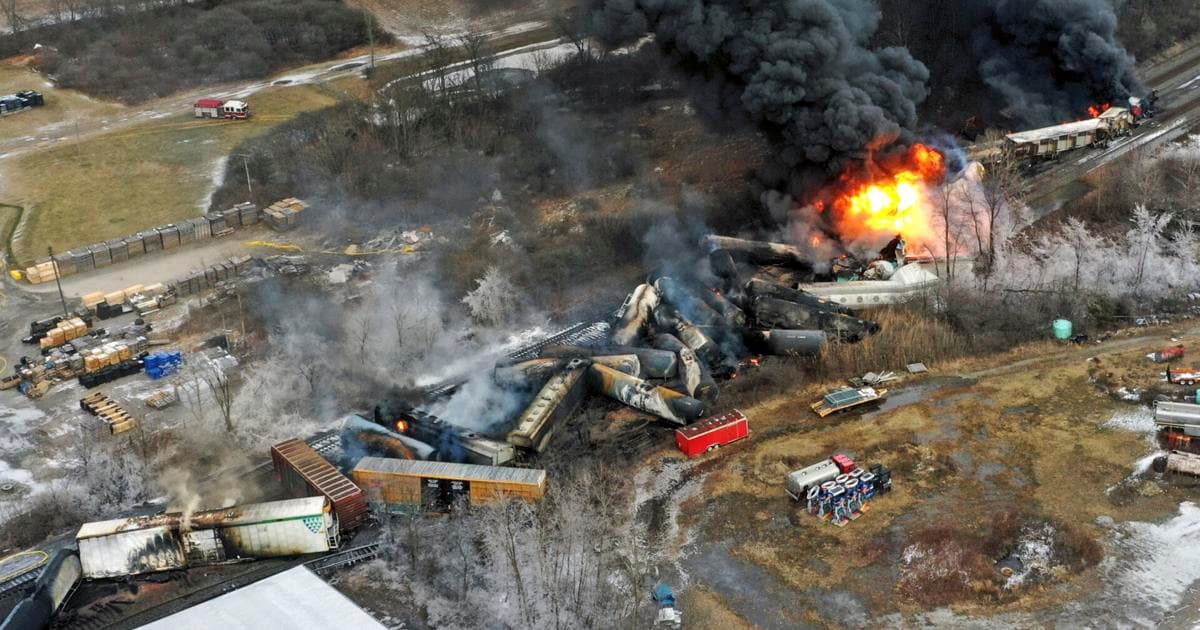
In the early hours of Friday morning, a significant freight train operated by CSX Industries derailed in Harvey, Illinois, involving 17 rail cars. While initial reports confirmed there were no injuries or hazardous material spills, this incident has reignited urgent discussions about rail safety standards, corporate practices, and the vulnerabilities within freight transportation infrastructure. The timing and context of this derailment highlight systemic issues that have been increasingly scrutinized across the industry, raising questions about whether safety is being compromised amid corporate restructuring and asset sales.
## The Incident and Immediate Response
The derailment occurred around dawn, causing a temporary disruption to local rail traffic and prompting a swift emergency response. Responders quickly arrived on scene to secure the area, isolate the derailed cars, and begin inspection and cleanup efforts. CSX officials emphasized that the incident is under investigation, with a focus on identifying the root cause. Most importantly, **no injuries or hazardous material spills have been reported**, alleviating immediate community health concerns.
**Key details include:**
- **Number of derailed cars:** 17
- **Timing:** Early Friday morning
- **Safety outcome:** No injuries or hazardous spills
- **Response actions:** Car isolation, infrastructure inspections, cleanup, and efforts to restore freight operations
Local officials and CSX representatives reassured residents that safety remains a top priority. Investigators are examining whether infrastructure degradation, operational errors, or other factors contributed to the derailment. Efforts are also underway to prevent future incidents and minimize economic impacts on the community.
## Broader Industry Context and Growing Safety Concerns
This derailment is part of a troubling pattern of safety challenges facing the freight rail sector. Industry experts and community leaders are raising alarms about systemic vulnerabilities—especially in light of recent strategic moves by CSX. A recent analysis titled *"CSX Safety Questions And Corridor Sale Reshape Rail Risk And Returns"* highlights that CSX’s ongoing asset sales—aimed at improving operational efficiency and shareholder value—may inadvertently undermine safety oversight.
**Main concerns include:**
- **Impact of corridor sales:** Potential reduction in proactive maintenance, infrastructure monitoring, and safety oversight, which could compromise infrastructure integrity.
- **Profit versus safety:** The ongoing tension between maximizing shareholder returns and maintaining rigorous safety standards.
- **Regulatory oversight:** Calls for stricter enforcement, transparency, and independent audits to ensure compliance and safety.
### Recent Incidents Amplifying Safety Worries
The Harvey derailment is not an isolated event but part of a series of recent safety-related incidents that have heightened public and regulatory scrutiny:
- **Dunnellon Rail Tie Fire and Litigation:** About a month ago, residents in Dunnellon faced a large fire caused by creosote-treated railroad ties, which released thick, potentially hazardous smoke. The incident prompted a class action lawsuit alleging negligence by rail companies in maintenance and oversight. Recently, crews have backfilled the site after passing shallow soil tests, indicating that environmental concerns are being addressed but also highlighting ongoing community outrage over industry safety practices.
- **Fatal Crossing Crash in Chelsea, Alabama:** A deadly collision at a railroad crossing has renewed calls for improved safety measures, signage, and infrastructure investments at vulnerable crossings. Questions remain about whether current safety standards and enforcement are sufficient to protect pedestrians and motorists.
- **Woman Struck and Injured in Kanawha County, West Virginia:** Just days before the Harvey derailment, a woman was injured after being struck by a train. Authorities continue urging increased safety at crossings, advocating for better signage and public awareness campaigns to prevent similar incidents.
- **Freight Train Collides with Unoccupied Car in Congers:** Adding to recent safety concerns, a freight train crashed into an unoccupied car stuck on the tracks early Wednesday, March 4, in Congers. The vehicle was immobilized on the crossing, and the collision resulted in significant damage to the train and vehicle, underscoring ongoing issues with crossing safety and operational vigilance.
These events collectively underscore persistent vulnerabilities within the rail safety system—ranging from infrastructure weaknesses and maintenance lapses to corporate accountability and regulatory gaps.
## New Developments and Industry Implications
In the wake of the Harvey derailment and related incidents, several recent developments have deepened safety concerns and prompted industry and regulatory responses:
### Dunnellon Site Backfilled After Soil Tests
Following the massive creosote fire caused by railroad ties in Dunnellon, crews have backfilled the site after shallow soil tests confirmed the area’s safety. This move aims to contain environmental hazards and facilitate site restoration, but it also raises questions about ongoing monitoring and the potential for long-term environmental or safety risks. Local authorities have assured the public that **"crews are backfilling the site of the massive Feb. 1 Dunnellon creosote railroad tie fire after shallow soil tests confirmed that the soil is within safe limits."** However, community members remain vigilant about possible residual hazards and call for continued oversight.
### Regulatory and Community Responses
Federal agencies, notably the **Federal Railroad Administration (FRA)**, are expected to increase oversight by conducting more rigorous safety audits, inspections, and enforcement actions. Community groups are demanding transparency, including access to maintenance records, inspection reports, and safety protocols.
**Key actions include:**
- Enhanced safety inspections at high-risk infrastructure points
- Calls for independent audits of rail companies’ safety practices
- Investments in infrastructure, especially at crossings and vulnerable segments
### Industry-Wide Safety Reforms
Stakeholders emphasize that technological advancements alone are insufficient; proactive safety measures, transparency, and accountability are critical. The series of recent incidents highlights that **a focus on safety must be integrated into operational strategies to prevent future tragedies and maintain public trust**.
## Current Status and Broader Impact
While the Harvey derailment appears to be an isolated incident with no immediate injuries or environmental hazards, its occurrence amid a series of safety concerns underscores systemic vulnerabilities. As investigations continue, the following points are critical:
- **Operations Restoration:** CSX and local authorities are actively working to clear the affected rail line, resume freight movement, and minimize economic disruptions.
- **Investigations:** Focused on determining whether infrastructure deterioration, operational errors, or other factors caused the derailment, with comprehensive inspections underway.
- **Regulatory Scrutiny:** Expect increased oversight, safety audits, and possible policy reforms from the FRA and other agencies to prevent similar future incidents.
- **Community Engagement:** Residents and advocacy groups are demanding greater transparency, especially regarding maintenance, safety protocols, and infrastructure investments.
## Additional Recent Incident: Congers Crossing Collision
Adding another layer to the safety concerns, a freight train collided with an unoccupied car stuck on the Congers crossing early Wednesday, March 4. The vehicle was immobilized on the tracks, and the collision resulted in significant damage to both the train and the car. This incident underscores ongoing issues with crossing safety, driver awareness, and operational vigilance—highlighting that safety risks are not confined to derailments alone.
> **"A freight train collided with an unoccupied vehicle stuck on the tracks in Congers earlier this week, raising alarms about crossing safety and infrastructure maintenance,"** reported local authorities.
## Industry and Regulatory Outlook
The cumulative effect of these incidents is prompting a reassessment of safety protocols and infrastructure investments. The FRA and other regulatory bodies are under increased pressure to:
- Conduct thorough safety audits
- Enforce stricter compliance standards
- Promote transparency and independent oversight
- Accelerate infrastructure upgrades, especially at crossings and aging segments
Meanwhile, community groups continue to advocate for safer crossings, better maintenance practices, and environmental safeguards.
## Conclusion
The early-morning derailment in Harvey, Illinois, while initially seeming isolated, has exposed broader vulnerabilities within the freight rail industry. Coupled with recent incidents like the Dunnellon fire, the Chelsea crossing crash, the Kanawha injury, and the Congers collision, it is evident that safety remains a critical challenge. As investigations unfold and regulatory scrutiny intensifies, the industry’s ability to prioritize safety, transparency, and community trust will be pivotal in shaping its future.
**Safety must be at the forefront of industry efforts—protecting communities, ensuring sustainable operations, and maintaining the integrity of the nation’s freight transportation network.** Updates will follow as new information becomes available and as stakeholders respond to these pressing safety concerns.