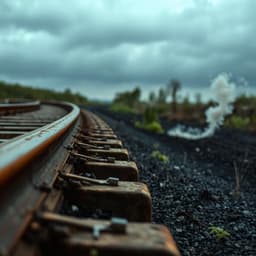
# Court Orders CSX to Remove Burned Railroad Ties in Dunnellon: A Critical Step in Community Safety and Environmental Protection
In a landmark development, the Dunnellon community and environmental advocates are witnessing a decisive victory in the ongoing effort to address hazardous railroad waste. A court has mandated that CSX Transportation swiftly remove burned railroad ties from the area, marking a significant milestone in local environmental remediation, safety oversight, and industry accountability.
## Legal Mandate and Immediate Actions
On **February 10**, a **special magistrate** issued a binding court order requiring **CSX** to **remove all burned railroad ties within two days**. This ruling stemmed from findings that CSX **violated local Dunnellon codes** by improperly managing and abandoning these potentially toxic materials on their property and surrounding neighborhoods. The magistrate underscored:
> **"CSX’s failure to properly address the burned ties constitutes a clear violation of Dunnellon’s codes designed to protect residents and the environment."**
In response, CSX mobilized cleanup crews immediately, working tirelessly to meet the tight deadline. As of recent reports, **significant progress has been made**, with the most hazardous ties visibly removed. However, authorities emphasize that **comprehensive environmental assessments and remediation are ongoing** to address residual impacts.
## Community Engagement and Oversight
The proactive role of local officials has been crucial throughout the process. **Vice Mayor Tim Inskeep** and the **Dunnellon City Council** have maintained transparency, providing regular updates and overseeing cleanup efforts. On **February 11**, Inskeep stated:
> “We are committed to keeping residents informed and safe as we work through this remediation process.”
The **Florida Department of Environmental Protection (FDEP)** has approved a detailed, **two-month remediation plan** designed to ensure thorough site restoration. This plan involves:
- **Extended cleanup timeline** to allow for soil and water remediation
- Use of **containment measures** to prevent further environmental contamination
- **Regulated disposal** of hazardous waste materials
- **Continuous environmental monitoring** with regular soil and water testing
- **Public reporting** and community engagement to ensure transparency
This comprehensive approach aims to **mitigate residual hazards**, protect ecological health, and prevent future incidents.
## Environmental and Public Health Concerns: Water Testing and Community Safety
Following the removal efforts, **initial water testing results** have raised important concerns about environmental safety:
### Preliminary Water Test Findings
- **Detectable chemical residues**, including compounds associated with **creosote** and burned infrastructure, were identified in early screening.
- While these initial results do **not** indicate an immediate threat, they highlight the **potential for lingering contamination**.
- Authorities are conducting **more detailed laboratory analyses** to better assess long-term risks.
### Community and Health Updates
On **March 3**, Dunnellon officials shared:
> “The removal of burned ties is proceeding as scheduled. We are now entering the second phase of environmental testing, and initial results show no immediate threats to water safety. We remain vigilant and committed to transparency.”
Residents are urged to stay informed through official channels, especially those relying on well water or local waterways. Health assessments for residents continue, with officials emphasizing **ongoing testing and monitoring** to ensure community safety.
## Broader Industry Context and Recent Incidents
The Dunnellon case is part of a wider pattern reflecting systemic safety vulnerabilities within the rail industry. Recent events, including a **CSX freight derailment** in Harvey, Illinois, have further spotlighted these concerns.
### Recent CSX Freight Derailment in Harvey, Illinois
- **Timing:** Occurred around **3:45 a.m. on a recent Friday** near **140th Street**.
- **Outcome:** Fortunately, **no injuries or fatalities** were reported, but the derailment disrupted regional rail traffic.
- **Implications:** The incident raises questions about **aging infrastructure**, **maintenance lapses**, and **fire risk management protocols**, emphasizing the need for **more rigorous safety inspections**.
### Industry-Wide Concerns and Calls for Reform
These incidents have sparked increasing demands for:
- **Enhanced safety protocols**, including frequent inspections and fire risk assessments
- **Stricter regulatory oversight** by agencies like the Federal Railroad Administration
- **Greater transparency and community engagement** from rail operators to rebuild public trust
The pattern of derailments and hazardous incidents underscores that **systemic reforms** are essential to prevent future crises and protect public health and safety.
## Current Status and Outlook
As of now, **CSX has completed the removal of the burned railroad ties** in accordance with the court order. The **FDEP’s oversight** persists with ongoing soil and water testing, environmental monitoring, and community engagement.
### Ongoing Efforts
- **Environmental testing** continues, with regular updates provided to the public.
- **Community meetings** are scheduled to keep residents informed.
- The **remediation plan** aims to fully restore ecological health over the next two months.
### Legal and Community Actions
In addition to remediation, **a class-action lawsuit** has been filed in Marion County, seeking accountability and damages for residents and property owners affected by the fire and subsequent environmental concerns. This legal effort underscores the community’s commitment to justice and safety.
## Final Thoughts: Lessons and Future Directions
The court-ordered cleanup in Dunnellon exemplifies how **community activism and regulatory enforcement** can lead to tangible safety improvements. Yet, recent incidents across the industry reveal that **preventative safety measures** and **system-wide reforms** are urgently needed.
**Key takeaways:**
- The importance of **rigorous safety standards**, including frequent infrastructure inspections and fire risk assessments.
- Ensuring **environmentally responsible disposal** of hazardous materials.
- Fostering **greater transparency and public participation** in safety and remediation efforts.
The Dunnellon case serves as a reminder that **protecting public health and the environment** requires ongoing vigilance, industry accountability, and proactive policy reforms. While immediate hazards are being addressed, sustained efforts are essential to secure a safer, cleaner future for the community and the rail industry at large.