The post-UFC 324 and UFC 325 era continues to expose MMA’s complex crossroads, where electrifying competition and groundbreaking innovation are increasingly entangled with critical challenges in fighter welfare, judging integrity, event stability, and organizational governance. Recent developments have further sharpened the spotlight on these issues, underscoring the urgent need for systemic reform as the sport accelerates into a new phase of technological integration and global expansion.
---
### Main Event Fallout: Gaethje vs. Pimblett Rematch, Eye Injury Alarms, and AI-Driven Evolution
The lightweight division remains a focal point of both fervent fan interest and intense scrutiny, centered on the unresolved narrative between **Justin Gaethje** and **Paddy Pimblett**.
- **Pimblett’s Eye Injury Escalates Fighter Safety Concerns**
Since UFC 324, Paddy Pimblett’s quick return to contact training despite a scratched cornea and facial trauma has rekindled urgent debate over fighter health protocols. Medical experts warn that re-engaging in training without full ophthalmological clearance risks permanent vision damage. Pimblett’s own acknowledgment of multiple eye-pokes during the bout has intensified calls for:
- Implementation of **mandatory ophthalmologic clearance** before fighters resume training or competition following eye injuries.
- Enhanced **corner and trainer education** to recognize subtle signs of ocular trauma and prioritize long-term health over short-term fight readiness.
- Strengthened **instant video review processes** to detect illegal eye strikes during fights and enforce stricter penalties, discouraging dangerous fouls.
- **Gaethje’s Pioneering Use of AI in Fight Preparation**
The revelation that Justin Gaethje’s camp consulted **ChatGPT just hours before UFC 324** marks a historic moment in MMA’s technological evolution. This AI-assisted preparation reportedly enabled Gaethje to refine tactical approaches and rapidly analyze Pimblett’s tendencies, signaling:
- A burgeoning trend toward **data-driven fight strategy**, where AI complements human coaching and fighter intuition.
- Potential expansion of AI’s role into **judging and refereeing**, with ongoing pilot programs aimed at reducing human error and improving decision accuracy.
- Broader conversations about how AI can enhance **fighter safety, performance optimization, and tactical adaptability**.
- **Gaethje Amplifies Fighter Advocacy on Contract Transparency**
Beyond AI, Gaethje has emerged as a prominent voice advocating for **greater contract transparency and equitable fighter compensation**, echoing widespread athlete frustrations with the UFC’s traditionally opaque negotiation practices. His stance adds momentum to ongoing reform discussions, pressing organizations to introduce clearer, fairer contractual frameworks.
- **Rematch Dynamics and Psychological Insights**
Pimblett continues to push for an immediate rematch to rectify tactical deficiencies, while Gaethje stresses the necessity of proper preparation time, highlighting the intense mental and physical demands at the sport’s elite level. Newly released UFC 324 weigh-in footage offers rare insight into their pre-fight mindsets, deepening fan appreciation of the psychological pressures that shape fighters’ performances.
---
### Judging Controversy: O’Malley vs. Song Spurs Heightened Reform Momentum
The highly disputed split decision in **Sean O’Malley vs. Song Yadong** remains a glaring example of MMA’s chronic judging challenges, fueling a groundswell of demands for systemic reform.
- **Eroding Trust from Subjective Scoring**
Disparate judges’ interpretations of striking effectiveness and grappling control have deepened fan and fighter disillusionment. Former champion Petr Yan’s dismissive comment, *“Anything important happened?”*, encapsulates the frustration over inconsistent decisions that undermine competitive legitimacy and career trajectories.
- **Multi-Faceted Reform Measures Accelerate**
The MMA community is actively pushing for several key initiatives to restore confidence:
- **Nationwide standardization of judging criteria** to unify scoring across commissions and jurisdictions.
- **Comprehensive judge education programs** focused on balanced evaluation of damage, aggression, and control.
- **Pilot deployment of AI-assisted judging tools** analyzing strike counts, power metrics, and biometric data to support human decision-making.
- **Mandatory public disclosure of judges’ round-by-round rationales**, enhancing transparency and accountability.
These reforms represent crucial steps toward safeguarding the sport’s legitimacy and protecting fighters from contentious outcomes.
---
### Fighter Welfare and Event Volatility: Injuries, Weight-Cutting Failures, and Roster Turmoil
Fighter health and event stability remain under intense pressure, as a wave of injuries, weight misses, and last-minute replacements disrupt the MMA landscape.
- **Injury Updates Highlight Need for Enhanced Support**
- **Shavkat Rakhmonov’s second knee surgery** exemplifies the severe physical toll MMA exacts and spotlights the urgent need for improved rehabilitation and mental health resources.
- **Diego Lopes’s severe foot injury** following UFC 325 further illustrates the inherent risks at elite competition levels.
- **Kayla Harrison’s transparent disclosure** of her surgery and resultant superfight cancellation sets a positive example for athlete wellness communication.
- **Aaron Tau Cut by UFC After Weigh-In Fiasco**
In a major development, the UFC has severed ties with lightweight prospect **Aaron Tau** following a weigh-in debacle at UFC 325. Tau publicly condemned the current weight-cutting system as “broken” amid multiple weigh-in issues and dehydration-related withdrawals at recent events. His release amplifies the mounting calls for:
- **Comprehensive reform of weight-cutting protocols** to prioritize fighter safety.
- Elimination of inconsistent and controversial practices such as the so-called **“DC towel trick”**, demanding standardized, transparent procedures across all weigh-ins.
- **Matchmaking Challenges and Mexico Event Turmoil**
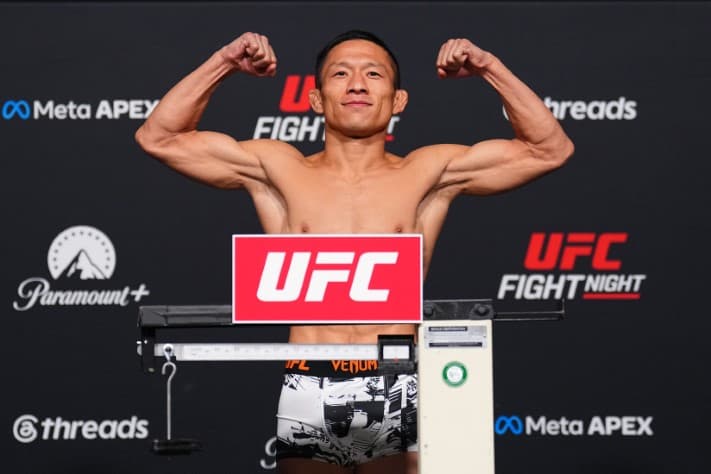
The UFC’s return to Mexico City was marred by last-minute opponent changes for Brandon Moreno. Reports reveal **Kyoji Horiguchi’s conditional agreement** to face Moreno only pending a prior win complicated matchmaking and forced a rapid replacement with Kavanagh on February 28. This episode underscores the fragility of event planning and its impact on fighter preparation and fan engagement.
- **Late Replacements Spotlight Fighter Commitment and Event Vulnerability**
Veterans like **Niko Price stepping in less than a week out** at UFC Fight Night 266 exemplify fighter dedication but also expose vulnerabilities in event stability and matchmaking depth.
- **Medical Privacy Breach Raises Governance Concerns**
Controversy erupted when **Jon Jones publicly addressed the leak of his private health information**, revealing UFC’s prior knowledge of his arthritis condition. This incident spotlights tensions between fighter confidentiality and organizational transparency, raising urgent questions about medical data governance and athlete privacy protections.
---
### Competitive Landscape: Resilience, Rising Stars, and Title Speculation
Despite structural and operational headwinds, MMA’s competitive spirit remains vibrant, buoyed by breakthrough performances and marquee matchups.
- **Notable Performances Fuel Division Momentum**
- **Alex Perez’s first-round TKO over Charles Johnson** at UFC 324 signals renewed flyweight title contention alongside Brandon Moreno and Kai Kara-France.
- **Lawrence Lui’s technical mastery** at UFC 325 elevates his bantamweight profile.
- **Derrick Lewis’s victory over Tailison Teixeira** handed Teixeira his first UFC loss, yet Teixeira’s resilience keeps him in future contention conversations.
- Featherweight champion **Alexander Volkanovski’s dominant title defense**, rewarded with a $100,000 TKO bonus, exemplifies the UFC’s evolving performance incentive model.
- **Ilia Topuria Announces Training Return for Title Shot**
Lightweight champion **Ilia Topuria** recently announced his return to training after a hiatus, signaling renewed activity in the division and setting the stage for upcoming title defenses. His comeback adds further intrigue to an already dynamic lightweight landscape.
- **Featherweight Division Injects Fresh Energy**
The newly announced **Movsar Evloev vs. Sean Murphy** featherweight main event, coupled with prospect **Quillan Salkilld’s focus on skill refinement**, deepens the division’s competitive pool.
- **BMF Title Speculation and Pay Equity Debates**
The UFC 326 “BMF” title rematch speculation between Charles Oliveira and the current champion has ignited fan excitement and sharpened discourse on fighter pay equity, prestige, and the strategic utilization of marquee titles to elevate athlete compensation.
- **Veteran Perspectives Highlight Organizational Challenges**
Former lightweight contender **Michael Chandler** recently emphasized how judging controversies and contract disputes negatively affect fighter morale, advocating for organizational accountability and stronger fighter advocacy while reflecting on the fierce competition within the lightweight division, including insights on Pimblett’s defeat.
---
### Governance, Integrity, and Technological Innovation Amid Global Expansion
As the UFC intensifies its global expansion, particularly into Asia, organizational integrity and governance face mounting scrutiny.
- **Betting Integrity Under the Microscope**
The abrupt cancellation of Alexander Hernandez’s UFC 324 bout amid suspicious betting activity has spotlighted vulnerabilities in fight integrity. Hernandez’s cooperation with ongoing investigations signals UFC’s commitment to transparency but highlights the need for more robust anti-corruption protocols.
- **Contract Transparency and Fighter Relations Continue to Strain**
Gaethje’s outspoken frustrations and **Norma Dumont’s public critique** of UFC’s communication shortcomings following superfight cancellations reveal persistent organizational gaps. Meanwhile, UFC President Dana White’s recent removal of a traditional fighter bonus category has sparked backlash, intensifying debates over fair remuneration.
- **Strategic Asian Market Push Brings New Challenges**
The upcoming May 30 Fight Night in Macau represents a major strategic push into Asia. However, observers question how the UFC will maintain operational integrity and prioritize fighter welfare amid varying regulatory and cultural landscapes.
- **Technology-Driven Governance Innovations**
UFC initiatives piloting **AI-assisted judging tools, enhanced referee training, and transparency protocols** reflect a growing recognition of the urgent need to restore confidence in officiating and governance.
---
### Broader Trends and Implications: MMA at a Defining Crossroads
The unfolding aftermath of UFC 324 and UFC 325 crystallizes several transformative trends shaping MMA’s near future:
- **AI Integration Is Reshaping MMA**
From Gaethje’s AI-assisted fight preparation to emerging judging technologies, data-driven strategy and enhanced officiating accuracy are poised to redefine competitive and regulatory standards.
- **Judging Reform Gains Critical Momentum**
Accumulated controversial decisions have galvanized calls for standardized scoring, judge education, transparency, and technology adoption—fundamental to preserving the sport’s legitimacy.
- **Fighter Advocacy Intensifies**
Persistent demands for pay transparency, contract fairness, and comprehensive welfare reforms are pressuring organizations to overhaul entrenched frameworks.
- **Fighter Welfare Emerges as a Central Priority**
Heightened awareness of the dangers of weight-cutting, injury transparency, and mental health challenges demands holistic reform spanning the MMA ecosystem.
- **Competitive Renewal Persists Amid Structural Challenges**
The rise of resilient veterans and hungry prospects testifies to MMA’s vitality, even as institutional reforms struggle to keep pace.
- **Governance Challenges Multiply with Global Growth**
As the UFC expands internationally, escalating demands for transparency, accountability, and consistent regulatory standards grow louder from fighters, fans, and media alike.
---
### Conclusion
The evolving narrative post-UFC 324 and UFC 325 underscores MMA as a sport of thrilling athleticism and pioneering innovation, yet one confronting sobering operational fragility. From **judging controversies, fighter health crises, and contract disputes to event volatility and governance challenges**, the imperative for **bold, coordinated reforms** has never been clearer.
Embracing technological advances, enforcing transparent contracts, prioritizing athlete welfare, and strengthening governance are essential to safeguarding MMA’s credibility and longevity. At the same time, inspiring comebacks, AI-driven strategies, and emerging contenders promise a vibrant future—provided the sport reconciles its breathtaking spectacle with steadfast responsibility.
The octagon remains MMA’s crucible of competition and spectacle, but only through unwavering commitment to **transparency, integrity, and fighter welfare** can the sport truly ascend as a respected global profession for athletes and fans alike. The next chapter demands collaborative solutions that honor MMA’s promise as both an electrifying sport and a sustainable career path.