# NATO Reinforces Arctic Strategy with “Arctic Sentry” Amid Rising Geopolitical Tensions
In a clear demonstration of its strategic prioritization, NATO has launched its **“Arctic Sentry”** mission, establishing a persistent, high-visibility operational footprint in the High North. Announced during the recent NATO summit, this initiative signifies a major escalation in the alliance’s efforts to secure the rapidly transforming Arctic region—an arena increasingly defined by environmental change, resource competition, and great-power rivalry. As climate change continues to open new pathways and vulnerabilities, NATO’s enhanced surveillance, military readiness, and diplomatic engagement aim to deter potential conflicts and promote stability in this vital and contested frontier.
## The Arctic’s Rapid Transformation and Strategic Significance
The Arctic is undergoing an unprecedented transformation, driven by environmental shifts that are making it more accessible but also more unpredictable:
- **Emerging Shipping Corridors**: The Northern Sea Route and the Northwest Passage are becoming more navigable, significantly reducing transit times between Asia, Europe, and North America. While these routes offer economic opportunities, they also raise sovereignty disputes, environmental concerns, and security challenges.
- **Resource Wealth**: The region is believed to contain approximately **13% of the world’s undiscovered oil** and **30% of its natural gas**, along with extensive mineral deposits. Major Arctic nations—Russia, the United States, Canada, and Norway—are investing heavily in resource extraction, military infrastructure, and sovereignty assertions.
### Escalating Security Challenges
The strategic importance of the Arctic has triggered a surge in military modernization and regional activity:
- **Russia**: Despite setbacks in Ukraine, Russia remains committed to maintaining its Arctic military presence. Moscow deploys icebreakers like the *Arktika* class, submarines, missile systems, and constructs new bases to secure resources and project power. Recent reports suggest that Russian Arctic units have been somewhat degraded due to redeployments, but the Kremlin continues to prioritize Arctic capabilities as a strategic hedge.
- **United States and Canada**: Both countries have enhanced their Arctic capabilities with ice-capable vessels, submarines, and surveillance platforms, reaffirming sovereignty and operational readiness amid rising tensions.
- **Greenland and Denmark**: Greenland’s strategic location and resource potential have prompted increased NATO and Danish military activities, including the deployment of Arctic-adapted assets.
- **China**: Through its “Polar Silk Road,” Beijing continues to expand influence over Arctic shipping routes and resource development, complicating regional dynamics and raising concerns among Western allies.
Other persistent threats include **illicit activities** such as illegal fishing, smuggling, shadow vessel operations, and cyber threats targeting critical infrastructure—undersea cables and pipelines—that underpin global communications and energy security.
## NATO’s Strategic Response: Building Capabilities and Alliances
In response, NATO has adopted a layered approach emphasizing persistent surveillance, regional cooperation, and specialized military capabilities tailored for Arctic conditions:
- **Enhanced Surveillance**:
- Deployment of Arctic-capable aircraft, satellites, and maritime assets, including advanced sonar buoys, to ensure continuous domain awareness.
- Integration of snow skis into Chinook helicopters operated by the Royal Air Force, improving mobility over snow and ice.
- **Arctic-Adapted Military Assets**:
- The **UK** has committed **£10 billion** toward procuring at least five Type 26 frigates focused on anti-submarine warfare (ASW) and maritime surveillance.
- The **Royal Navy** is investing **£40 million** in advanced sonobuoys to monitor submarine activity.
- NATO forces are deploying **Arctic-modified Chinook helicopters** during joint exercises, demonstrating operational flexibility in extreme conditions.
- **Operational and Infrastructure Protections**:
- Establishment of cold-weather training units and deployment of insulated batteries, skis, and thermal clothing.
- Focused efforts to safeguard critical infrastructure, including undersea cables and pipelines, against sabotage and environmental hazards.
- **Regional Diplomatic and Military Cooperation**:
- NATO continues to strengthen partnerships with Arctic nations such as **Norway, Canada, and Denmark** through joint exercises, intelligence sharing, and diplomatic engagement, aiming to reduce miscalculations and stabilize regional dynamics.
## The “Arctic Sentry”: NATO’s Persistent Arctic Presence
Unveiled during the summit on **February 11, 2024**, the **“Arctic Sentry”** mission embodies NATO’s strategic shift toward maintaining **a continuous operational footprint** in the High North. Its core objectives are to enhance maritime domain awareness, reconnaissance, rapid response capabilities, and multinational coordination in the region.
> **“NATO’s Arctic Sentry is about ensuring that we have eyes and ears on the region at all times, ready to respond to any threat or incident,”** declared NATO Secretary General Jens Stoltenberg.
### Notable Allied Contributions and Deployments
- **UK’s Escalation**: The UK announced a **doubling of troop presence in Norway**, increasing from approximately 150 Royal Marines stationed in Somerset to a highly mobile, Arctic-ready force capable of rapid deployment. This move emphasizes the importance of undersea domain awareness and joint exercises like **“Surviving Greenland: Lessons in the Extreme,”** which tests survival skills and operational capabilities under Arctic conditions.
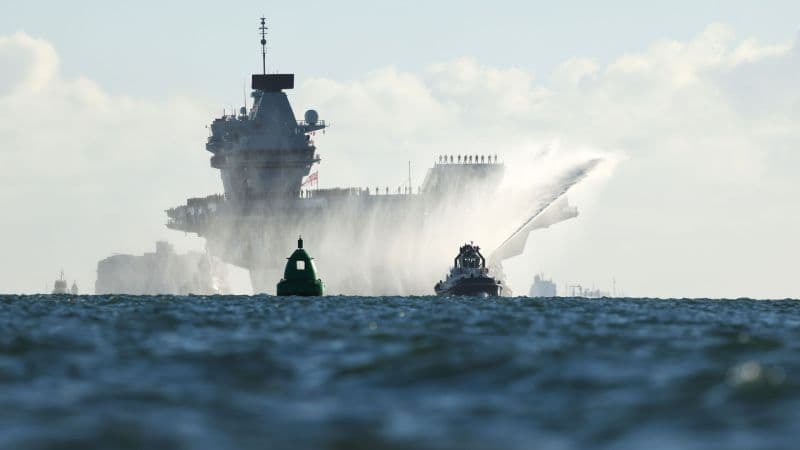
- **Carrier Strike Group Deployment**: The **Queen Elizabeth-class aircraft carrier** is actively operating in North Atlantic and Arctic waters, serving both as a deterrent and a demonstration of NATO’s operational readiness. This deployment underscores the alliance’s ability to project power and ensure stability in the region.
- **HMS Prince of Wales 2026 Deployment**: The Royal Navy’s flagship is scheduled to lead a Carrier Strike Group into North Atlantic and High North waters in 2026, further reinforcing NATO’s deterrent posture.
- **Norwegian Defense Posture**: Norway remains a front-line NATO member, continuing to prioritize undersea defense, joint exercises, and intelligence sharing. Discussions are ongoing about procurement strategies, including reconsidering its Type 26 frigate order, but Norway remains committed to maintaining a robust regional presence.
## Recent and Future Developments
The operationalization of **“Arctic Sentry”** continues apace, with NATO expanding its Arctic-specific capabilities:
- **Upcoming Deployments**:
- The **HMS Prince of Wales**’s 2026 deployment will serve as a key component of NATO’s Arctic strategy, with an emphasis on integrated maritime operations and joint exercises.
- NATO is ramping up its training programs and exercises designed to ensure forces can operate effectively in extreme cold, ice-covered waters, and rugged terrains.
- **Procurement and Strategic Implications**:
- Norway is currently reconsidering its order of **British Type 26 frigates**, which have been identified as critical for anti-submarine warfare and maritime patrol tasks. The potential cuts have sparked debate over NATO’s collective Arctic capabilities.
- Meanwhile, the Royal Navy’s Type 26 frigates are planned to be integrated with **Stratus stealth cruise missiles**, providing enhanced offensive surface strike capabilities in Arctic operations. This development aims to bolster NATO’s undersea and surface combat power, especially against emerging threats.
- **Diplomatic and Strategic Signaling**:
- At the **Munich Security Conference**, UK and European officials reaffirmed their commitment to Arctic security, emphasizing the importance of collective defense amid escalating Russian tensions.
- NATO continues diplomatic outreach to promote transparency, reduce miscalculations, and foster cooperation among Arctic nations.
- **Russian Arctic Capabilities**: Despite setbacks in Ukraine, recent assessments suggest Russian Arctic forces have experienced operational degradation due to redeployments; however, Moscow remains prepared to reassert influence if needed. NATO remains vigilant, emphasizing the importance of sustained deterrence and continuous domain awareness.
## Implications and Outlook
The Arctic has transitioned from a remote, relatively peaceful region into a **strategic hotspot** where environmental change intersects with geopolitical competition. Driven by climate-driven accessibility, resource prospects, and the strategic ambitions of major powers, the region demands persistent vigilance and adaptive military capabilities.
NATO’s **“Arctic Sentry”** and allied deployments—highlighted by the UK’s naval escalation and the upcoming deployment of HMS Prince of Wales—demonstrate a clear intent to uphold stability, sovereignty, and open navigation rights. The alliance’s investments in surveillance, specialized assets, and regional partnerships aim to prevent conflicts, reduce miscalculations, and safeguard vital global infrastructure such as undersea cables and energy pipelines.
**In conclusion**, the Arctic’s strategic importance has solidified, prompting NATO to prioritize persistent presence and robust defense measures. The alliance’s ongoing operational initiatives and diplomatic efforts reflect a recognition that securing this vital frontier is essential not only for regional stability but for maintaining global peace and prosperity in an era of environmental change and geopolitical competition. As the region continues to evolve, NATO’s Arctic strategy will remain a cornerstone of its broader security posture in the 21st century.