April 14, 2026
Tennessee Senate Passes Bill for State Agency Overseeing Underground Tunnels
Tennessee enables underground transport via new agency – oversight implications for investors:
- Governor's Infrastructure Coordination Council...

Created by Evan Ballmann
Policy, case study, and financing analysis of U.S. transportation public‑private partnerships
Explore the latest content tracked by US P3 Transport Finance
Tennessee enables underground transport via new agency – oversight implications for investors:
Escalating political/equity risks for I-77 South toll lanes:
Vintage 1975 clip sparks public outrage over unmet promise of free DNT by 2005.
Federal funding cliff looms for transit capital projects:
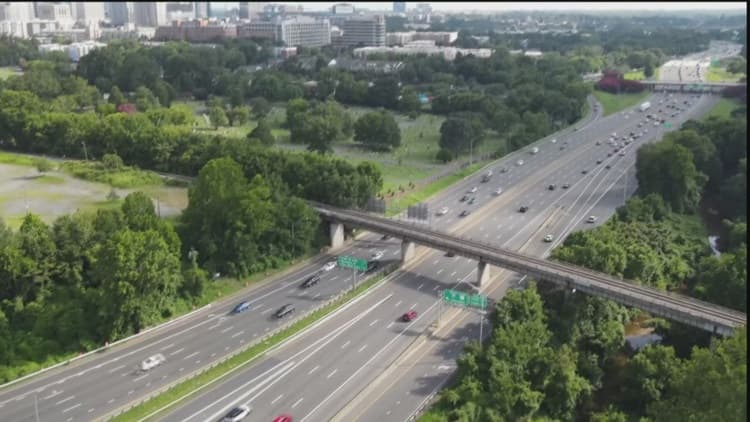
Local political hurdles hit GDOT's $70-85M diverging diamond interchange at I-285/Roswell Road:
Texas SH 130, the US's only 85 mph highway, emerges as a prime AV trucking testbed due to high speeds and low traffic.
Key P3 developments:
-...
The U.S. Government FY2027 Budget requests $40,000,000 for necessary expenses related to the Office of the Assistant Secretary for Research and Technology.
Key SC DOT financing update: Bill 5071 authorizes multiyear payment obligations as appropriation-backed availability payments or milestone payments...
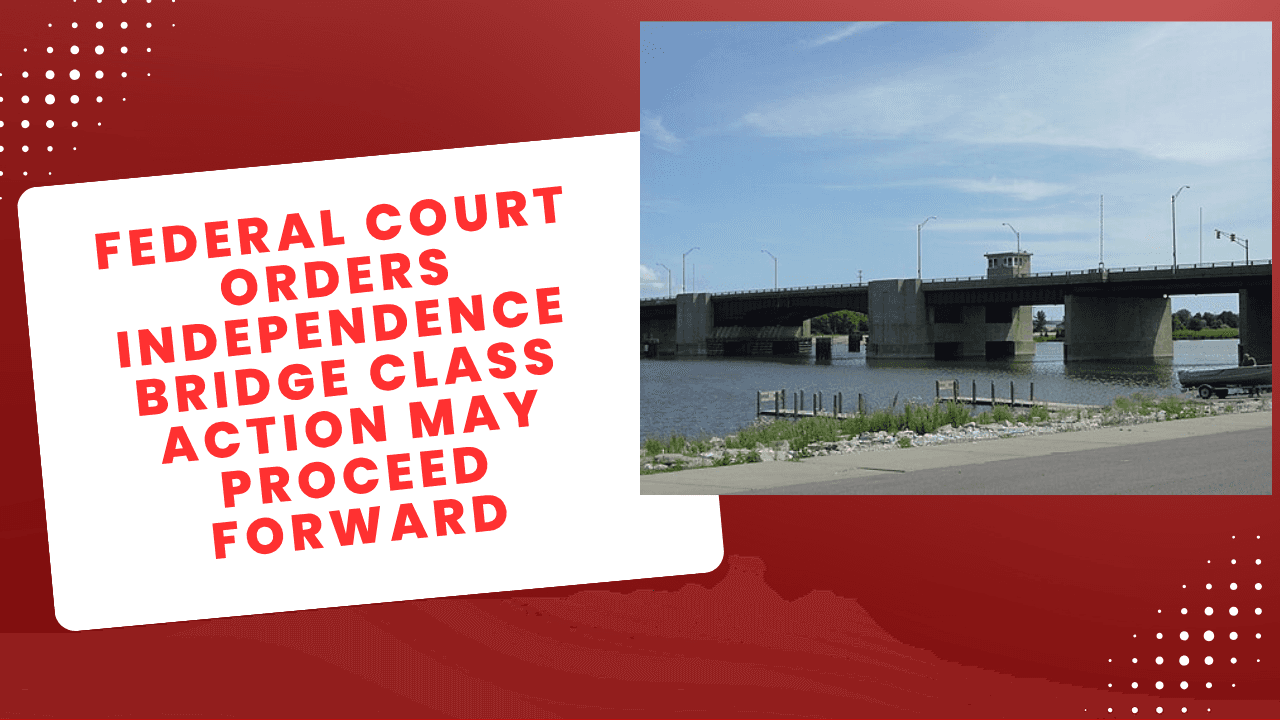
Investor Alert: Federal judge greenlights breach of contract, implied contract, and unjust enrichment claims against private operator Bay City Bridge...
Key investment opportunity for P3 concessionaires: SH 130 partners with Einride to build autonomous freight corridor on 41-mile SH 130 stretch between...
Emerging liquidity crunch threatens private credit availability:
Hamilton Lane invests in Republic to broaden retail participation in private markets via tokenization.
Key implications for infra PE investors:
-...
Southern states dominate Reason Foundation rankings for efficient highways:
Key resets amid ethics fallout from Applegreen's withdrawal:
Key P3 structure: AFCO secures long-term ground lease with SLCDA to develop, lease, and manage 150k sq ft multi-tenant cargo facility...
Cashless tolling revenue leakage: NY MTA owed $350M in unpaid tolls/fees, from intentional evasion by repeat offenders.
Key timeline exposing procurement ethics pitfalls in MassDOT's $1B service plaza P3: