# How Western and Russian Strike Missiles Are Reshaping Modern Warfare: The Latest Developments and Strategic Implications
The rapid evolution of missile technology continues to profoundly alter the strategic landscape of modern warfare. As Russia enhances its **deep interdiction** capabilities—exemplified by platforms like the *Oreshnik*—aimed at crippling critical infrastructure deep within enemy territory, Western nations are swiftly advancing **extended-range**, **stealthy**, and **hypersonic** missile systems. These technological strides are not only transforming tactical operations but are also intensifying regional security concerns, fueling arms races, and challenging the very notions of strategic stability worldwide.
---
## Continued Strategic Competition: Deep Interdiction vs. Hypersonic and Extended-Range Capabilities
### Russia’s *Oreshnik*: Fortifying Deep Interdiction
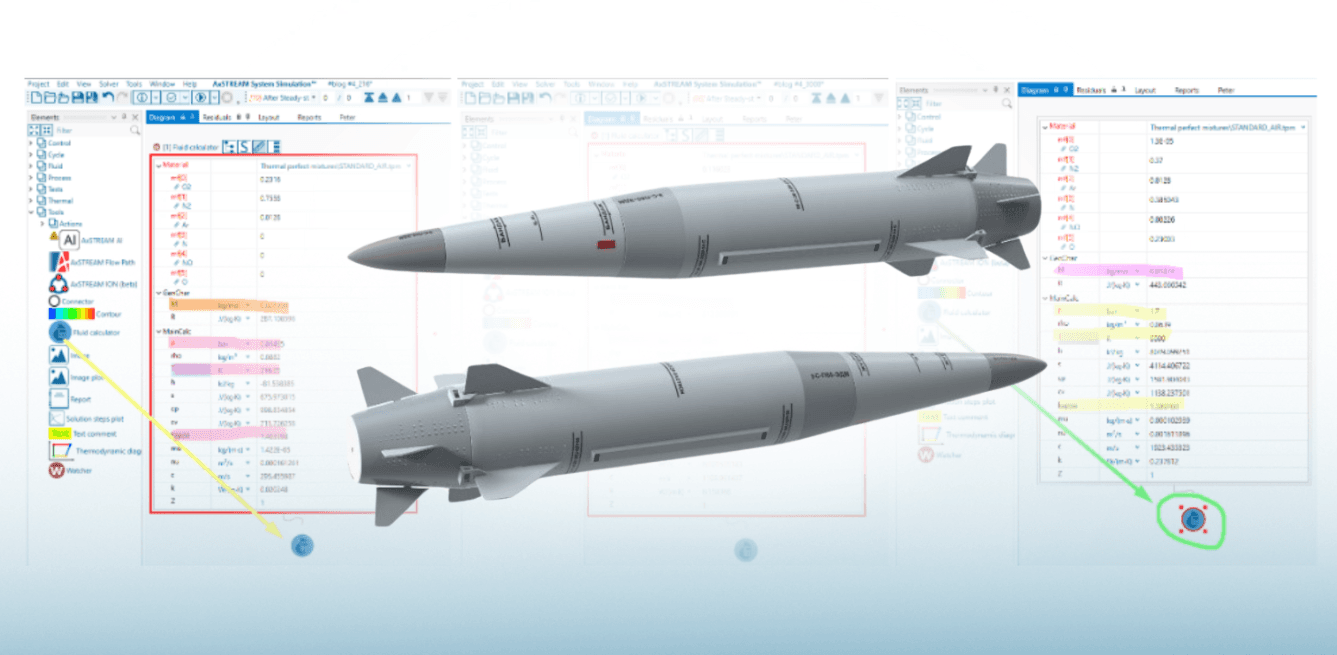
Russia remains committed to strengthening its **deep interdiction** systems, with deployments of *Oreshnik*-class platforms designed for **high-precision, long-range strikes**. These systems target **Ukrainian infrastructure**—railways, communication hubs, and logistical routes—with the primary goal of **disrupting supply chains** and **hampering operational resilience**. Moscow’s strategic aim is to **deny logistical flow**, complicating Ukraine’s ability to sustain prolonged combat operations and **forcing Kyiv and its Western allies into a strategic stalemate**. By targeting **deep supply nodes and communication centers**, the *Oreshnik* significantly constrains Ukrainian and Western support behind enemy lines, thereby shaping battlefield dynamics.
### Western Response: Extending Reach with Hypersonic and Long-Range Missiles
In response, Western allies have rapidly expanded their missile support to Ukraine, deploying platforms such as:
- **Storm Shadow**: The UK’s stealth cruise missile with an **exceeding 250 km range**, capable of **evading dense Russian air defenses** to target **command centers, energy infrastructure, and logistical hubs** deep within Russian-controlled territories.
- **ATACMS (Army Tactical Missile System)**: The United States has supplied these missiles with an **approximately 300 km range**, enabling Ukrainian forces to **interdict Russian command facilities and logistical nodes** at unprecedented distances. This **extended operational reach** challenges Russia’s logistical resilience and strategic planning, forcing Moscow to adapt its defenses and tactics.
However, deploying these advanced systems involves **notable operational challenges**—including **specialized training**, **dedicated launch infrastructure**, and **continuous ISR (Intelligence, Surveillance, Reconnaissance)** support. Maintaining missile inventories amid ongoing conflict remains a significant logistical hurdle, emphasizing the importance of sustained logistical and technological investments.
---
## The Rise of Hypersonic Weapons: Breaking Speed Barriers
### Recent Milestones and Testing Achievements
Over recent months, hypersonic missile development has accelerated across Europe, the United States, and allied nations:
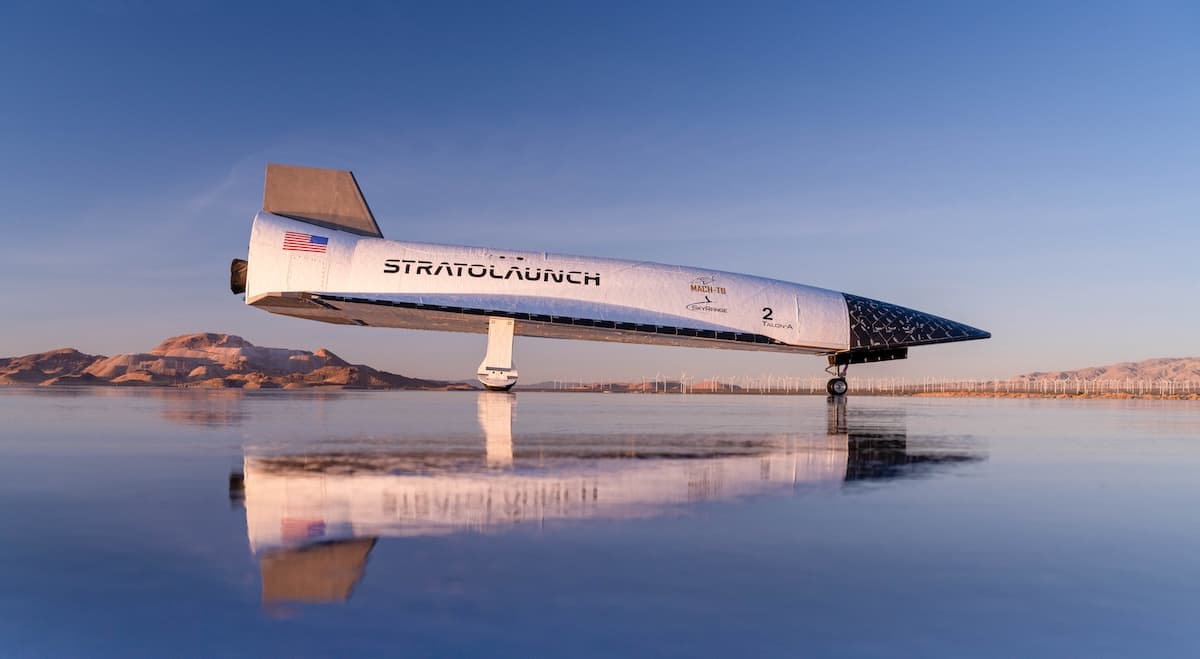
- **European and Anglo-German Tests**: An Anglo-German aerospace consortium successfully conducted a **Mach 6 hypersonic flight** in the Norwegian Arctic, demonstrating the **ability to evade existing missile defenses** through **extreme speed and maneuverability**. In February, the UK and Germany tested their **first European hypersonic missile**, marking a critical step toward **independent European high-speed strike systems**.
- **UK’s *Nightfall* Program**: The UK’s *Nightfall* initiative aims to **equip Ukraine and allied forces** with rapid-strike hypersonic weapons, emphasizing **speed and agility** as core components of future conflict strategies.
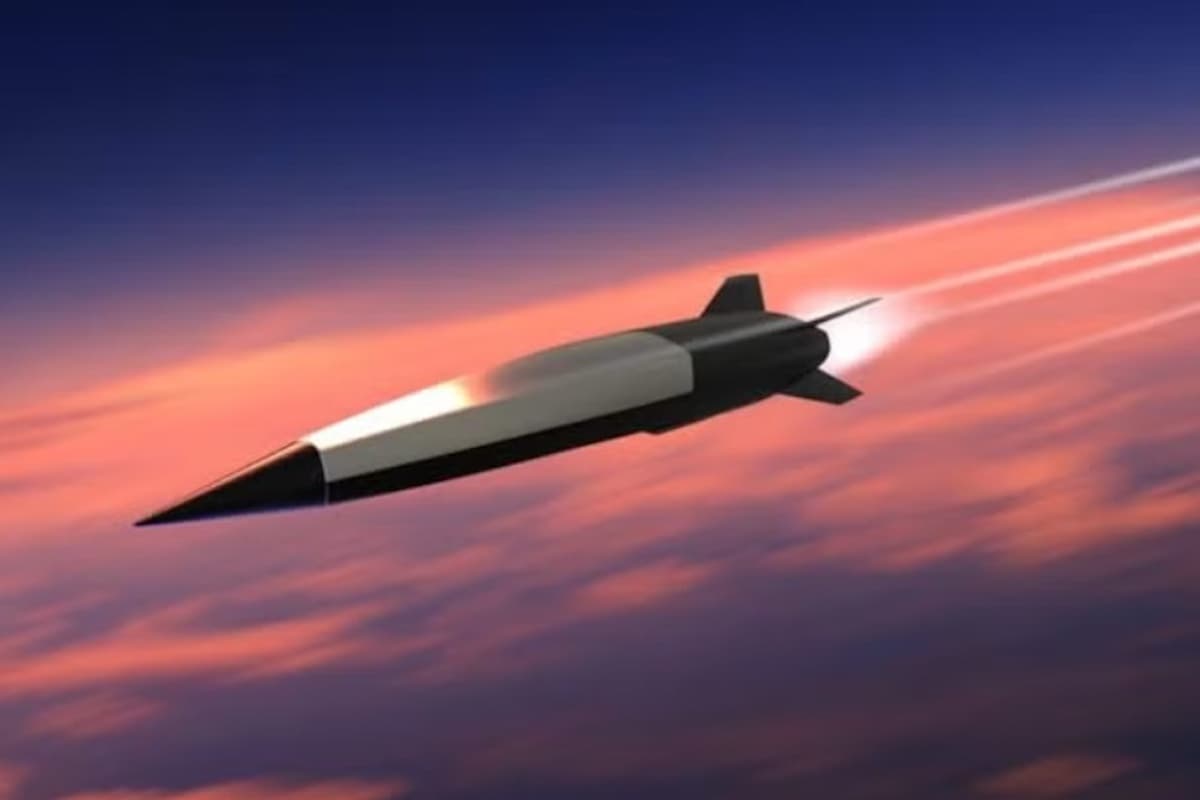
- **U.S. R&D Acceleration**: Recognizing hypersonics as a **game-changing technology**, the U.S. Department of Defense has **expedited efforts**, selecting **six vendors**—including **Leidos** and **Kratos**—to **accelerate innovations**. These programs focus on **producing more agile, maneuverable hypersonic glide bodies** capable of **bypassing current missile defenses** and fundamentally **redefining battlefield tactics**.
### Industry and Platform Innovations
Recent breakthroughs include:
- **Kratos Defense**: Awarded a **contract to streamline hypersonic materials development**, Kratos aims to **reduce manufacturing costs by approximately 90%** and **improve performance**, enabling **scalable production** of hypersonic components critical for rapid deployment.
- **Rocket Lab**: Conducted a hypersonic test in late February designed to **validate hypersonic flight under operational conditions**. Although a planned launch was **scrubbed** due to technical issues, the test provided vital data to refine missile designs and improve reliability, illustrating the ongoing **race to operationalize these systems**.
- **Australian Innovation**: Australian researchers have developed a **fully 3D-printed hypersonic airframe**, which successfully **passed vibration and structural stress tests**. This breakthrough **reduces manufacturing costs and complexity**, facilitating **rapid, scalable production**—a strategic advantage for widespread deployment.
- **European Investments**: The UK announced an **EUR 460 million (~£400 million) investment** to **fast-track hypersonic missile development**, supporting projects like *Nightfall*. Meanwhile, a **German startup** aims to deliver a hypersonic missile to the Bundeswehr by 2029, signaling European ambitions for **independent operational systems** that could eventually support Ukraine or allied forces.
### The *SR-72 Darkstar*: U.S. Vision for Persistent Hypersonic Power
The **SR-72 Darkstar** concept envisions a **Mach 6 hypersonic bomber** capable of **strike, reconnaissance, and rapid deployment**. Inspired by high-speed aircraft designs of the past, the SR-72 underscores a strategic pursuit of **platforms capable of penetrating advanced defenses** and executing **rapid global strikes**, reinforcing U.S. efforts to **maintain strategic technological superiority**.
---
## New Developments: Escalating Responses and Testing Milestones
### Russia’s Missile Shield and Hypersonic Response
A recent **Bloomberg report** highlights that **Russia’s missile shield** is prompting **calls for hypersonic responses**. Moscow’s efforts to develop advanced missile defenses aim to **counteract Western missile superiority**, but experts warn that **hypersonic weapons**, with their **extreme speed and maneuverability**, could **bypass traditional missile defenses** altogether. This dynamic has spurred renewed urgency among NATO and allied nations to **accelerate hypersonic programs** and **expand detection capabilities**.
### Rocket Lab’s Scheduled Hypersonic Test Launch
In a significant upcoming event, **Rocket Lab is scheduled to launch a hypersonic test mission** from NASA’s Wallops Flight Facility. This test aims to **validate hypersonic flight performance** under real-world conditions, providing critical data to **refine missile designs** and improve **reliability and operational readiness**. Such tests are pivotal in closing the technological gap and ensuring these systems can be deployed effectively in future conflicts.
---
## Evolving Defense Capabilities: Detection, Interception, and Defense Architecture
### Challenges in Detecting and Tracking Hypersonic Threats
Hypersonic missiles, due to their **extreme speeds** and **maneuverability**, pose significant detection challenges:
- **Detection Difficulties**: Conventional radars and sensors struggle to **detect, track, and predict hypersonic trajectories**, especially during high-maneuver phases. Their **low radar cross-sections** combined with speeds exceeding Mach 5 complicate early warning efforts.
- **Sensor Upgrades**: Countries like Japan are collaborating with firms such as **Lockheed Martin** on **advanced radar systems like SPY-7**, designed explicitly to **detect high-speed missile threats**. Deployment of **space-based surveillance platforms**, including **large constellations of low-Earth orbit sensors**, is increasingly prioritized to **provide early warning** and **comprehensive tracking**.
### Interception Technologies and Defense Architecture
Developing effective hypersonic interceptors remains a **strategic priority**:
- **Arrow 4**: Israel Aerospace Industries has begun **live-fire testing of the Arrow 4 missile**, featuring **‘shoot-look-shoot’ capabilities**—enabling rapid detection, tracking, and engagement of multiple targets. This **layered approach** significantly **enhances interception probability**.
- **European and U.S. Initiatives**: The UK plans to allocate **over £400 million** in 2025/26 to **develop long-range and hypersonic defense systems**. The U.S. continues investing in **next-generation interceptors** and **sensor networks** to **stay ahead of evolving threats**.
- **Layered Defense Systems**: The future of hypersonic defense hinges on **integrated, multi-layered architectures** combining **ground-based radars**, **space sensors**, and **interceptors** to **detect early, track accurately, and intercept effectively**.
### Industry Innovations Supporting Defense
Recent industry advances bolster these efforts:
- **Lockheed Martin’s NGI**: The **Next Generation Interceptor (NGI)** program aims to **discriminate and rapidly respond** to long-range ballistic and hypersonic threats, emphasizing the importance of **multi-layered detection**.
- **L3Harris**: The company has **reduced hypersonic propulsion component production time by approximately 90%**, enabling **faster deployment** of **air-breathing hypersonic engines** such as ramjets and scramjets, supporting **scalable, rapid response systems**.
- **"Seconds to Act" Technologies**: Innovations like **Powder-in, Engine-out™** hypersonic propulsion systems foster **robust, versatile platforms** capable of **rapid manufacturing and deployment**.
---
## Operational and Strategic Impacts
Recent operational developments underscore the shifting landscape:
- **Ukrainian Deep Strikes**: Ukrainian forces are increasingly capable of **striking deep into Russian-controlled territories**, targeting **missile manufacturing facilities** and **logistics hubs** to **hamper Russian missile replenishment**. Such operations **limit Moscow’s ability to sustain missile inventories**, affecting its strategic calculus.
- **Regional Defense Enhancements**: Japan has upgraded its **Type 03 Chu-SAM Kai** missile system to include **hypersonic threat countermeasures**, reflecting a broader regional trend of **adapting defenses against high-speed threats**.
- **Speed and Escalation Risks**: The proliferation of **hypersonic systems** and **deep interdiction capabilities** **compress decision cycles**. The ability to **launch rapid, precise strikes** increases the risk of **miscalculations and unintended escalation**, demanding **greater strategic stability measures**.
### Proliferation and Arms Race Dynamics
The technological race extends beyond Russia and Western powers:
- European investments—like the **EUR 460 million** committed by the UK—and private-sector initiatives such as **Ursa Major’s HAVOC** demonstrate a **global push** to develop and deploy hypersonic weapons.
- Countries such as **China** and **India** are also advancing their own hypersonic arsenals, intensifying **arms race concerns** and complicating **arms control negotiations**.
---
## Current Status and Future Outlook
The missile landscape is approaching a **pivotal juncture**:
- **Russia’s *Oreshnik*** continues to serve as a cornerstone of **deep interdiction**, targeting supply lines and infrastructure to weaken Ukrainian resistance and challenge Western logistics.
- Western efforts, including **hypersonic development programs**, **innovative manufacturing techniques**, and **advanced layered defense architectures**, are making significant progress:
- The UK, Germany, and Australia are investing heavily, with successful high-speed test flights and **scalable manufacturing breakthroughs**.
- The **U.S.** accelerates its hypersonic R&D, with projects like **Kratos’ scalable glide bodies** and **L3Harris’ propulsion systems**, promising to **expand operational capabilities**.
- The **proliferation of advanced missile systems**—coupled with Ukraine’s **deep strike disruptions**—highlights a **high-stakes environment** where **technological superiority** and **strategic stability** are fiercely contested.
---
## **In Conclusion**
Advancements in missile technology—particularly **hypersonic systems**—are **redefining modern warfare**, offering unparalleled **speed**, **maneuverability**, and **reach**. While these capabilities confer tactical advantages, they also **introduce new risks**, including **escalation potential**, **proliferation**, and **regional destabilization**. Ensuring global stability necessitates **robust detection and layered defense architectures**, **arms control efforts**, and **greater transparency** to navigate an increasingly complex security environment.
As both Russia and Western nations push technological boundaries, the coming years will be decisive in shaping the **future of strategic stability** and **conflict dynamics worldwide**. The race to develop, deploy, and counter hypersonic and deep interdiction missile systems will remain at the forefront of military innovation and geopolitical competition.
---
**Recent Strategic and Technological Milestones:**
- **Russia’s missile shield** efforts are prompting **calls for hypersonic responses**, as detailed in recent reports like Bloomberg’s coverage, emphasizing the need for innovative countermeasures.
- **Rocket Lab’s upcoming hypersonic test launch** from NASA Wallops signifies ongoing **progress and commitment** to operationalize these advanced systems.
- The evolving **defense architecture**, including **sensor upgrades**, **space-based surveillance**, and **interceptor proliferation**, reflects a **multi-layered approach** geared toward countering the emerging hypersonic threat landscape.
The ongoing developments underscore a **crucial period** in military technological innovation, with the potential to **reshape global security paradigms** for decades to come.