The commercial real estate (CRE) landscape in 2026 is undergoing a profound transformation driven by the interplay of policy shifts, technological advancements, and evolving power dynamics. These forces are reshaping industrial and broader commercial property markets, prompting investors and occupiers to rethink traditional paradigms centered solely on geography. Instead, resilience, energy infrastructure, and digital capacity have become critical determinants of value and strategic location.
---
### Supreme Court Tariff Ruling: Reducing Trade-Policy Volatility
A landmark **Supreme Court ruling that limits executive tariff powers** has significantly reduced trade-policy uncertainty, a key factor that previously exacerbated volatility in industrial real estate demand. This judicial check on tariff imposition restores a more predictable regulatory environment for cross-border trade and supply chains. As a result, businesses are more confident in long-term site investments and expansion plans.
This regulatory clarity coincides with broader macroeconomic shifts:
- **Automation technologies** continue to advance, enabling more efficient and flexible manufacturing capabilities.
- **Reshoring initiatives**, driven by a desire for supply-chain resilience post-pandemic and geopolitical tensions, are increasing domestic industrial demand.
Together, these trends are driving a **rebound in industrial real estate absorption** after a period of elevated vacancy rates. Markets that had seen oversupply or underutilization are now experiencing renewed leasing activity and development momentum.
---
### Power Availability Emerges as a Key Site-Selection Constraint
While location remains important, **power availability is increasingly a primary bottleneck** in site selection for industrial and commercial development. Several factors contribute to this shift:
- The rise of **energy-intensive operations** such as data centers, advanced manufacturing, and cold storage.
- Increasing emphasis on **sustainability and energy resilience**, pushing firms to secure reliable and clean power sources.
- Local grid constraints and regulatory hurdles in many markets limit the speed and scale of power capacity expansion.
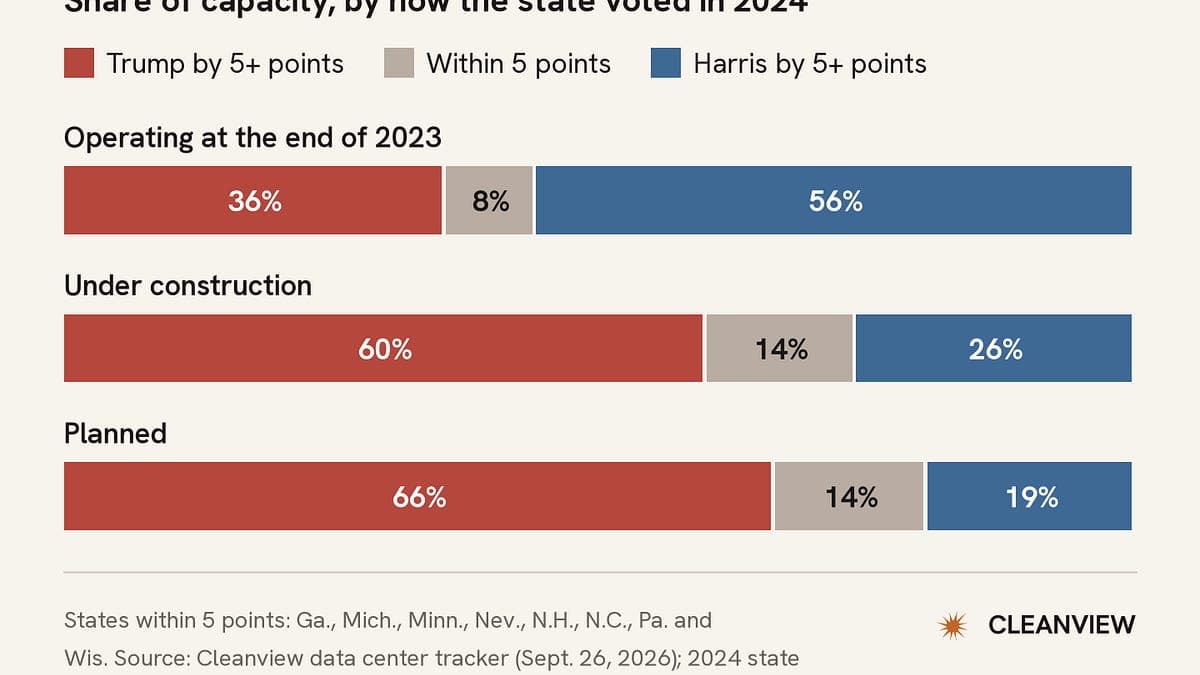
This power constraint is especially pronounced in the ongoing **data center construction boom**, which is increasingly concentrated in a handful of **energy-rich markets** such as Northern Virginia, Dallas-Fort Worth, and parts of the Pacific Northwest. These hubs offer abundant, affordable, and increasingly renewable energy, making them magnets for data-infrastructure development.
---
### Market Implications: A Strategic Pivot Beyond “Location, Location, Location”
The combined effects of policy clarity, automation, reshoring, and power constraints are shifting investor and occupier mindsets:
- **Resilience** has become a core value proposition, with tenants seeking properties that can withstand supply-chain disruptions, energy shortages, and regulatory shocks.
- **Energy access and sustainability** are now front and center, with capital flowing toward assets that offer clean, reliable, and scalable power.
- **Digital infrastructure** integration, including proximity to fiber networks and cloud hubs, is a crucial differentiator in industrial and commercial real estate.
Long-term forecasts reinforce these shifts. For example, Europe’s CRE growth projections through 2034 emphasize sustainable development, digital readiness, and energy efficiency as key drivers of market value.
---
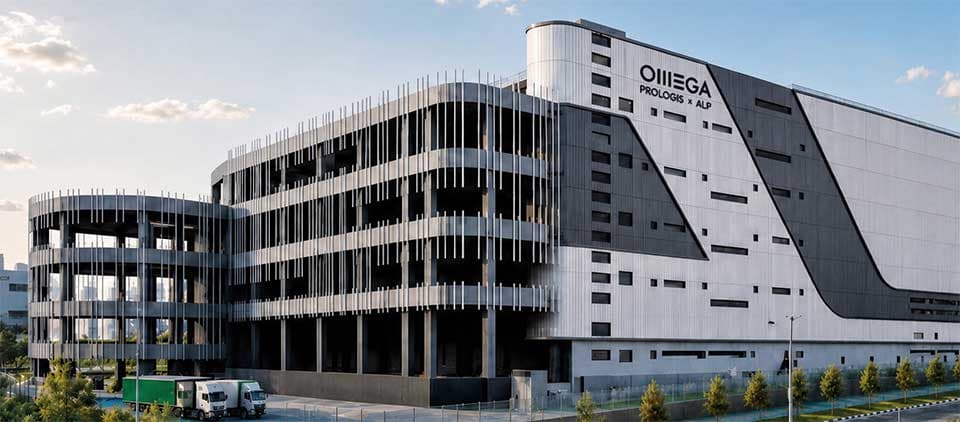
### Growing Investor Bullishness: The Prologis Case
Reflecting these market dynamics, there is a **notable surge in investor confidence toward major industrial landlords**, exemplified by a bullish thesis on **Prologis, Inc. (PLD)**. Analysts and market commentators highlight several factors underpinning this optimism:
- Prologis’s **dominant footprint in energy-rich and data-centric markets** positions it well to capture sustained demand.
- Their **focus on integrating renewable energy solutions and digital infrastructure** aligns with tenant priorities and regulatory trends.
- The company’s **robust balance sheet and development pipeline** enable it to capitalize on reshoring and automation-driven industrial growth.
A recent analysis shared on X.com by @MoneyShow illustrates these points, framing Prologis as a bellwether for capital flows into logistics and data-infrastructure-oriented assets. This growing bullishness signals a broader market enthusiasm for CRE platforms that can deliver resilience, sustainability, and technological integration.
---
### Conclusion
The commercial real estate sector is no longer defined solely by traditional locational advantages. Instead, **policy stability, power infrastructure, and digital readiness** are emerging as critical pillars reshaping demand and investment patterns. The Supreme Court’s tariff ruling reduces one layer of uncertainty just as automation and reshoring revitalize industrial markets. Meanwhile, energy constraints and the data center boom concentrate growth into select, power-abundant geographies.
Investors and occupiers alike are recalibrating strategies to prioritize resilience, energy access, and digital infrastructure integration—setting the stage for a more sustainable and technologically enabled future in commercial real estate through 2034 and beyond. The bullish outlook on Prologis and similar industrial landlords underscores the capital market’s alignment with these transformative trends.