Human–bear interactions across North America and the Arctic continue to intensify and evolve, propelled by a confluence of climate change, expanding human development, and bears’ adaptive behaviors. Recent developments from 2026 through early 2027 underscore the urgency of updated safety protocols, species-specific guidance, enhanced legal frameworks, and community-driven coexistence strategies to mitigate conflict and preserve public safety and wildlife welfare.
---
### Warmer Winters and Habitat Changes Drive Shifting Bear Activity Patterns
The traditional understanding of bear hibernation and seasonal activity is rapidly shifting, with warmer winters prompting earlier and more frequent bear activity in regions previously considered low-risk during colder months.
- **Lake Tahoe Denning and Northstar Ski Resort Incidents:**
The winter of 2026 shattered expectations when black bears were observed actively roaming, foraging, and even charging skiers at Northstar California Resort near Lake Tahoe. These incidents are linked to **warmer winter temperatures delaying denning and extending active periods**. Notably, a black bear mother named **“Rose” birthed triplets in the crawlspace of a Lake Tahoe cabin**, revealing bears’ remarkable adaptability to fragmented habitats but also elevating risks of surprise encounters in residential areas.
- **Early Bear Emergence in Montana Towns:**
A mild winter in Montana has raised concerns about early black bear activity in mountain towns. Wildlife officials report sightings and encounters occurring weeks earlier than usual, increasing the potential for human–bear conflicts during a period when residents and visitors may not anticipate active bears. This trend calls for heightened vigilance and public education campaigns in affected communities.
- **Suburban Foraging and Recreational Area Encounters:**
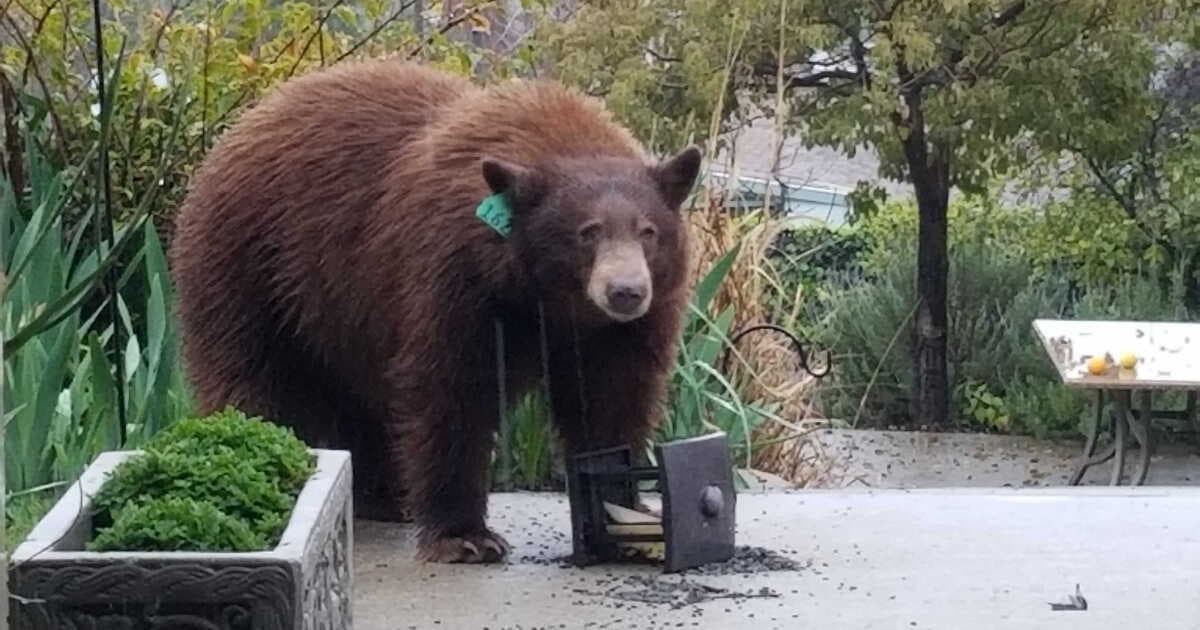
Across the U.S., black bears are increasingly frequenting suburban neighborhoods in Tennessee, California, Pennsylvania, Alabama, and Virginia. Viral videos from Amherst County, VA, and Rancho Cucamonga, CA, show bears comfortably foraging in backyards, often attracted by unsecured garbage or pet food. In Pennsylvania’s Black Moshannon State Park, repeated sightings of a sow with three cubs, including a rare cinnamon-colored cub, near picnic areas illustrate challenges in managing human attractants in recreational spaces.
- **Polar Bears and Arctic Community Encroachment:**
Climate-induced sea ice loss continues driving polar bears closer to northern settlements. In 2026, a GPS-collared young polar bear made a record-breaking **687-kilometer swim**, exemplifying habitat fragmentation severity. The 2027 Polar Bear Marathon in Churchill, Manitoba, was disrupted when a bear seized a race sign, forcing rerouting. These events highlight the need for professional wildlife management and community preparedness in Arctic zones.
---
### Species-Specific Behavior and Safety Recommendations
Effective human–bear coexistence relies on understanding the distinct behaviors and risks posed by black bears (*Ursus americanus*), grizzly/brown bears (*Ursus arctos horribilis*), and polar bears (*Ursus maritimus*). Recent research and field reports reinforce tailored response strategies:
| Species | Identification Features | Typical Behavior | Recommended Human Response |
|----------------------|----------------------------------------------------------|-----------------------------------------------|---------------------------------------------------------------------|
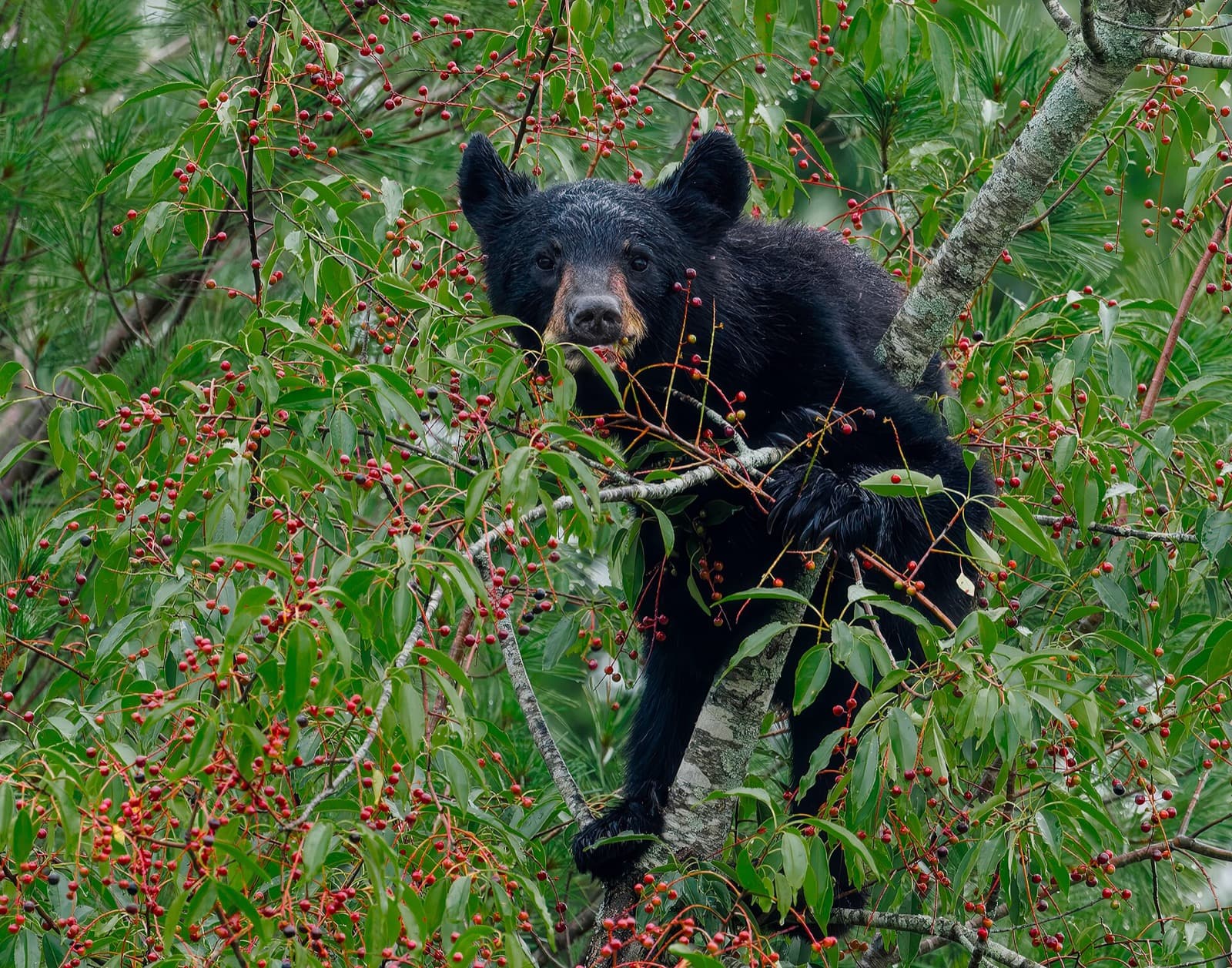
| **Black Bear** | Medium size, no shoulder hump, straight face, rounded ears, variable coat color (black, cinnamon) | Generally shy, may bluff charge | **Stand ground; do NOT play dead; make noise; appear large; deploy bear spray early and confidently** |
| **Grizzly/Brown Bear** | Larger size, prominent shoulder hump, concave face, short ears | Defensive near cubs, occasional predatory attacks | Use bear spray early; **play dead only if attacked defensively**; fight back if attack is predatory |
| **Polar Bear** | Largest bear, white coat, highly carnivorous | Highly predatory, extremely dangerous | Avoidance paramount; professional management essential; bear spray often ineffective |
**Crucial Myth Correction:**
Contrary to outdated advice, **never play dead if attacked by a black bear**. Black bears’ attack motivations differ from grizzlies, making standing your ground, appearing large, and deploying bear spray early the best defense.
---
### Advances and Limits of Bear Spray: Best Practices and Legal Context
Bear spray remains the most effective non-lethal deterrent, but its success depends on proper and timely use:
- **Deployment Guidelines:**
- Carry bear spray at all times in bear country and practice deploying it beforehand.
- Deploy at 20–30 feet, aiming slightly downward to create a protective cloud.
- Early, confident deployment is critical; hesitation drastically reduces effectiveness.
- **Effectiveness Across Species:**
- Black bears usually respond well to bear spray deterrents.
- Grizzly bears require early spray use; playing dead is advised only if attacked defensively.
- Polar bears are less deterred by spray; avoidance and professional wildlife management are essential.
- **Legal Frameworks:**
- In the **United States**, bear spray is EPA-approved and legal in most national parks. Improper attractant storage can result in fines.
- In **Canada**, bear spray use is strictly for bear defense; misuse against humans incurs criminal penalties. Provinces enforce strict attractant control laws.
- **Arctic Canadian communities** mandate trained bear monitors to ensure safe coexistence with polar bears.
- **Japan** is evolving regulatory frameworks to accommodate bear spray amid rising bear encounters.
- **Colorado** faces over 5,000 bear encounter reports annually; management includes hazing, problem bear removals, and public education.
A notable 2026 viral incident involved a tourist mistakenly spraying a moose instead of a bear, highlighting risks of improper use and prompting calls for stronger education and enforcement. Wildlife safety advocate Lisa Granger emphasized:
> *“Misuse endangers both people and wildlife. Education and enforcement must work hand in hand to maintain safety and public trust.”*
Wildlife expert Dr. Karen Mitchell added:
> *“Bear spray saves lives—only when deployed swiftly, confidently, and correctly.”*
---
### Community Prevention, Legal Measures, and Infrastructure Innovations
Managing human–bear conflicts increasingly involves comprehensive community strategies, infrastructural investments, and legal mandates:
- **Attractant Management:**
- Bear-resistant garbage containers are now legally mandated in many residential and park areas.
- Local ordinances enforce secure food and waste storage to reduce bear habituation.
- Arctic communities employ specialized enclosures and mandatory trained bear monitors.
- **Grant Programs and Funding:**
- **Colorado Parks and Wildlife (CPW)** recently announced a $1 million grant program aimed at reducing human–bear conflicts through community education, attractant management, and conflict mitigation.
- The **Wildlife Conservation Board (WCB)** approved $59.6 million for wildlife crossings, salmon recovery, biodiversity, and public access projects, including infrastructure that benefits bear populations by reducing vehicle collisions and habitat fragmentation.
- **Wildlife Crossings and Habitat Connectivity:**
- The largest U.S. wildlife overpass near Snoqualmie Pass, Washington, reconnects fragmented bear habitats, significantly reducing wildlife-vehicle collisions and supporting genetic diversity.
- **Technology and Monitoring:**
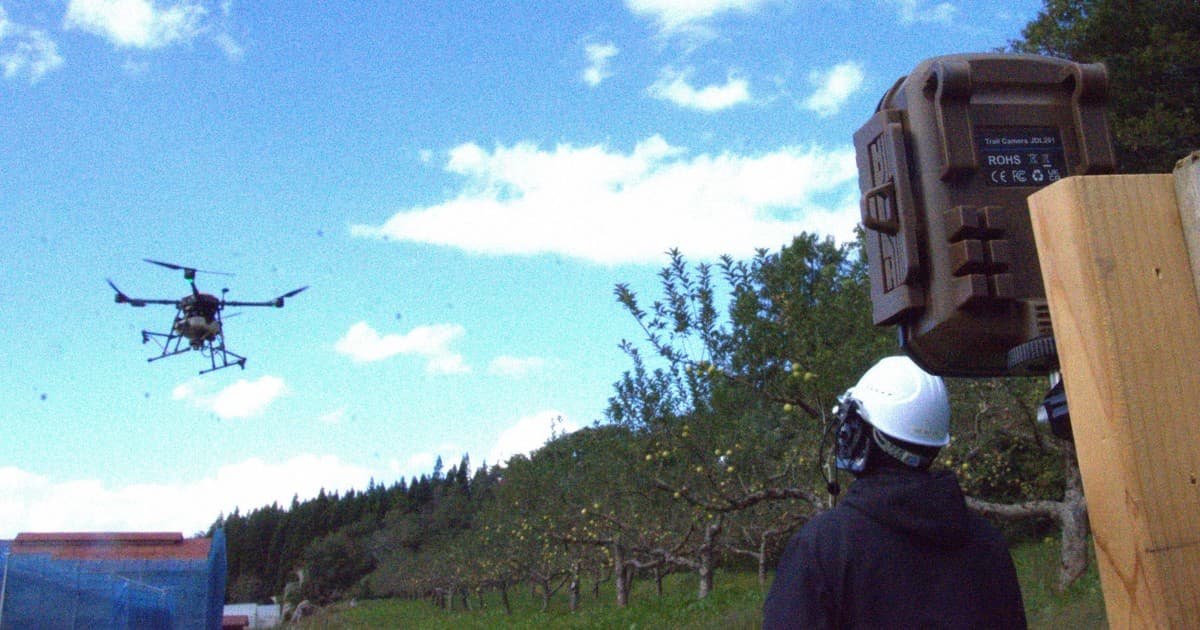
- Motion-activated cameras linked to smartphone apps and real-time bear sighting maps allow rapid community response and enhance monitoring.
- **Innovations in Rehabilitation:**
- In California’s Los Padres National Forest, caregivers use bear suits to raise orphaned black bear cubs, minimizing human imprinting and improving survival rates post-release.
---
### Public Education, Ethical Tourism, and Myth Busting
Education campaigns and ethical wildlife engagement are critical tools for coexistence:
- **Multimedia Resources:**
- Documentaries such as *GRIZZLY BEAR: Titan of the North* and short educational videos like *Each Bear’s Superpowers Explained* help the public grasp species-specific behaviors and safety measures.
- Wildlife photographers and advocates produce content aligned with events like International Polar Bear Day to raise awareness.
- **Dispelling Dangerous Myths:**
- Bears do not actively hunt humans; running provokes pursuit; bear spray is legal, safe, and effective when used correctly.
- Messaging emphasizes species-specific encounter responses and promotes reporting of bear sightings.
- **Ethical Wildlife Tourism:**
- The 2026 guide *“What Travelers Should Know Before Booking a Polar Bear Tour”* outlines principles including avoiding baiting or feeding bears, maintaining safe viewing distances, and supporting operators prioritizing animal welfare.
- The video *The Ethics of Wildlife Photography* highlights responsible practices that minimize stress and habituation risks.
---
### Summary of Key Safety Practices
- **Carry and practice deploying bear spray; deploy quickly and confidently.**
- **Travel in groups, make noise, leash pets, and rigorously secure attractants.**
- **Understand species-specific behaviors: stand ground with black bears; play dead only if attacked defensively by grizzlies.**
- **Report bear sightings promptly and support community monitoring programs.**
- **Comply with local laws to protect people and wildlife.**
- **Dispel myths and adopt recommended safety protocols.**
- **Choose ethical wildlife tourism operators to minimize negative interactions.**
---
### Conclusion
From the intimate family of black bears denning beneath a Lake Tahoe cabin to the unprecedented wintertime bear activity at Northstar and polar bears’ increasing presence near Arctic communities, human–bear interactions are becoming more frequent and complex. These trends, largely driven by climate change and habitat fragmentation, demand integrated responses combining scientific understanding, advanced deterrent technologies, robust legal frameworks, community engagement, and ethical wildlife interaction.
As wildlife safety advocate Lisa Granger aptly notes:
> *“Preparedness and respect go hand in hand. Understanding bear behavior, carrying and mastering bear spray, and following legal and community guidelines are essential to living safely alongside bears.”*
Through informed, science-based, and ethically grounded approaches, humans and bears can coexist amid a changing environment—preserving safety, biodiversity, and wilderness heritage for generations to come.