The fatal shooting of Renee Nicole Good by ICE agent Jonathan Ross continues to unravel a profound crisis within federal law enforcement, exposing entrenched issues of obstruction, internal dissent, and cultural dysfunction. Recent developments have intensified scrutiny on the Department of Justice (DOJ), Immigration and Customs Enforcement (ICE), and congressional oversight bodies, underscoring the urgent need for systemic reforms to restore institutional accountability and public trust.
---
### DOJ Obstruction Allegations Escalate Institutional Crisis
Central to the ongoing controversy are **credible allegations that Kash Patel, former acting FBI Director and senior DOJ official, ordered FBI agents to cease forensic evidence collection related to the Renee Good investigation**. Multiple sources confirm that FBI teams, holding valid search warrants, were abruptly directed to stop gathering crucial forensic evidence from Good’s vehicle and related crime scenes. This interference has galvanized **bipartisan demands for an independent investigation into Patel’s conduct**, with lawmakers warning that such political obstruction threatens the integrity of the justice system.
A senior congressional committee chair emphasized, “If senior DOJ officials are directing agents to impede evidence gathering, it strikes at the very core of justice and accountability.” Both Republican and Democratic leaders have underscored the necessity for a transparent, politically insulated inquiry.
Compounding the turmoil:
- **Six experienced federal prosecutors based in Minnesota resigned in protest**, citing opaque DOJ handling of the case and resistance to transparency, representing a significant loss of prosecutorial expertise at a critical time.
- The **DOJ’s Police Misconduct Unit remains critically understaffed nationwide**, delaying investigations into law enforcement abuses, including those connected to immigration enforcement misconduct implicated in this case.
Minnesota Attorney General Keith Ellison publicly condemned what he described as “federal stonewalling,” stating, “When federal agencies obstruct state-led investigations, it signals that accountability is negotiable—and that is unacceptable. Justice depends on cooperation, not obstruction.”
---
### Broadened Federal Investigations and Accountability Efforts
The scope of federal oversight has expanded considerably in recent weeks:
- A **federal perjury investigation is targeting two ICE officers involved in the Good shooting**, focusing on alleged inconsistencies and potential falsehoods in official testimonies. This probe highlights systemic accountability challenges within ICE’s enforcement culture.
- The Department of Homeland Security’s Office of Inspector General (DHS OIG) has launched a separate review of ICE’s conduct during **Operation Metro Surge**, a high-intensity immigration enforcement initiative in Minnesota linked to the environment that precipitated the fatal shooting. This review signals a growing commitment to scrutinize operational practices and potential misconduct within ICE.
---
### Troubling ICE Cultural Indicators and Community Impact
New reporting has revealed deeply disturbing cultural elements within ICE:
- ICE agents involved in the case reportedly continued using a **disturbing phrase internally after Renee Good’s death**, reflecting a potentially dehumanizing and callous attitude within certain enforcement circles. Experts analyzing this language pattern suggest it may be emblematic of deeper psychological and cultural factors influencing agent behavior during enforcement operations.
These revelations have intensified calls for cultural reforms within ICE and amplified demands for increased scrutiny of enforcement attitudes that may contribute to excessive force or misconduct.
---
### Congressional Oversight Hearings and Bipartisan Pressure Mount
Congressional hearings have become fiercely contentious, spotlighting leadership failures and accountability demands:
- ICE Director Tae Johnson’s refusal to apologize for labeling protesters as “domestic terrorists” drew sharp bipartisan criticism and alienated community advocates.
- Senator Rand Paul (R-Ky.) emerged as a prominent voice demanding formal apologies to the families of Renee Good and fellow victim Alex Pretti, underscoring the growing bipartisan pressure for ICE accountability.
- Representative Eric Swalwell called for the resignation of ICE Chief Todd Lyons, citing leadership shortcomings and lack of transparency.
- Hearings featured heated exchanges, including Representative Goldman’s controversial comparison of ICE tactics to Nazi-era abuses—claims vehemently denied by Lyons—reflecting the polarization surrounding the case.
- Emotional testimony from Renee Good’s brothers, Luke and Brent Good, framed the deaths as preventable tragedies and pleaded with Congress to enact reforms ensuring no other families endure similar loss.
Lawmakers have proposed concrete reforms to rebuild public trust, including:
- **Mandatory body cameras for all immigration enforcement agents** to enhance transparency and accountability.
- The establishment of **independent oversight mechanisms** for impartial review of enforcement actions, championed by Representative Ayanna Pressley and House Homeland Security Committee Chair Michael McCaul.
In addition, Representatives Ilhan Omar and Dean Phillips conducted site visits to the Whipple Federal Building and related federal facilities to assess enforcement practices and detainee conditions firsthand.
---
### Renewed Public Mobilization and Cultural Expressions of Grief and Resistance
The one-month anniversary of Renee Good’s death sparked a resurgence of public activism:
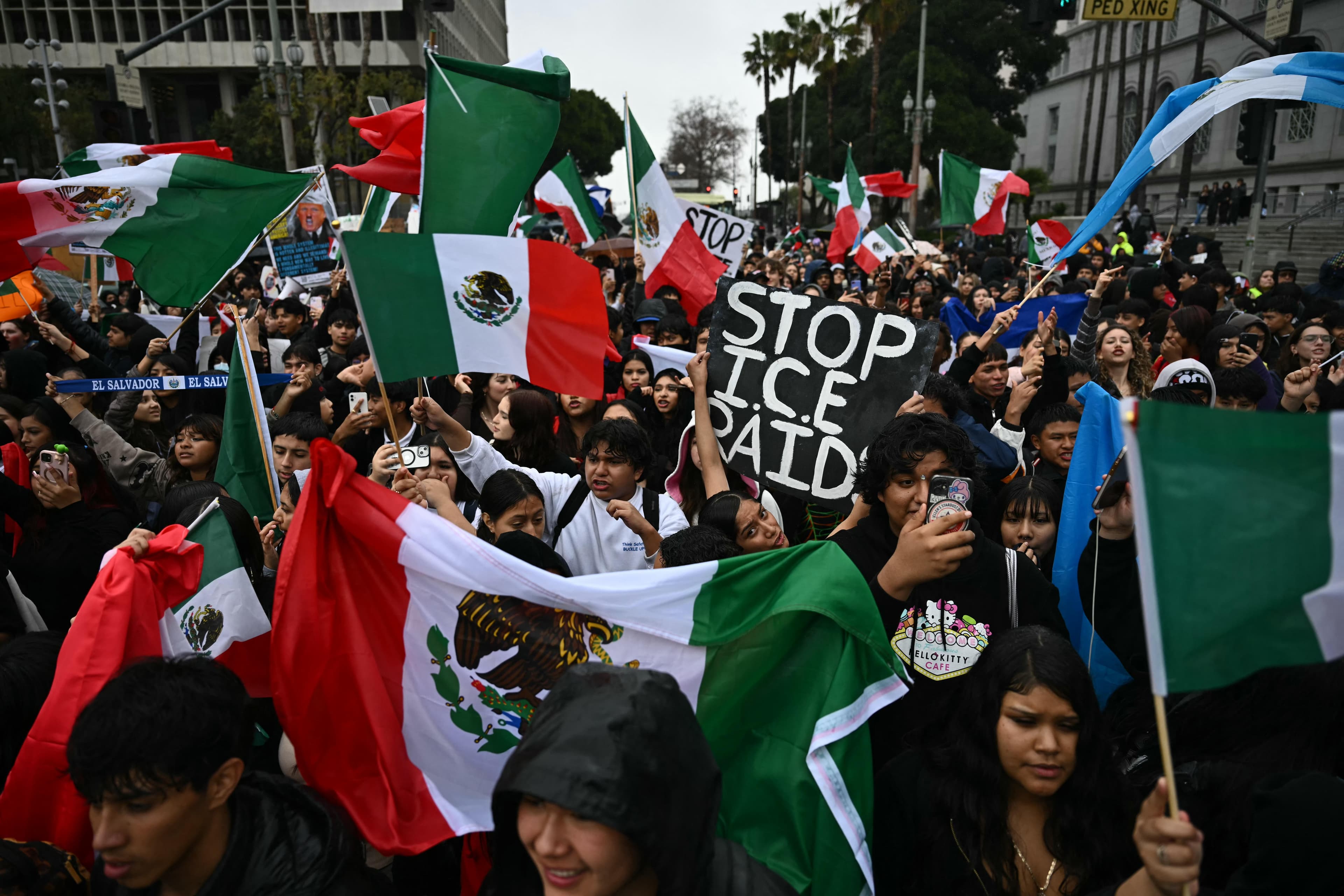
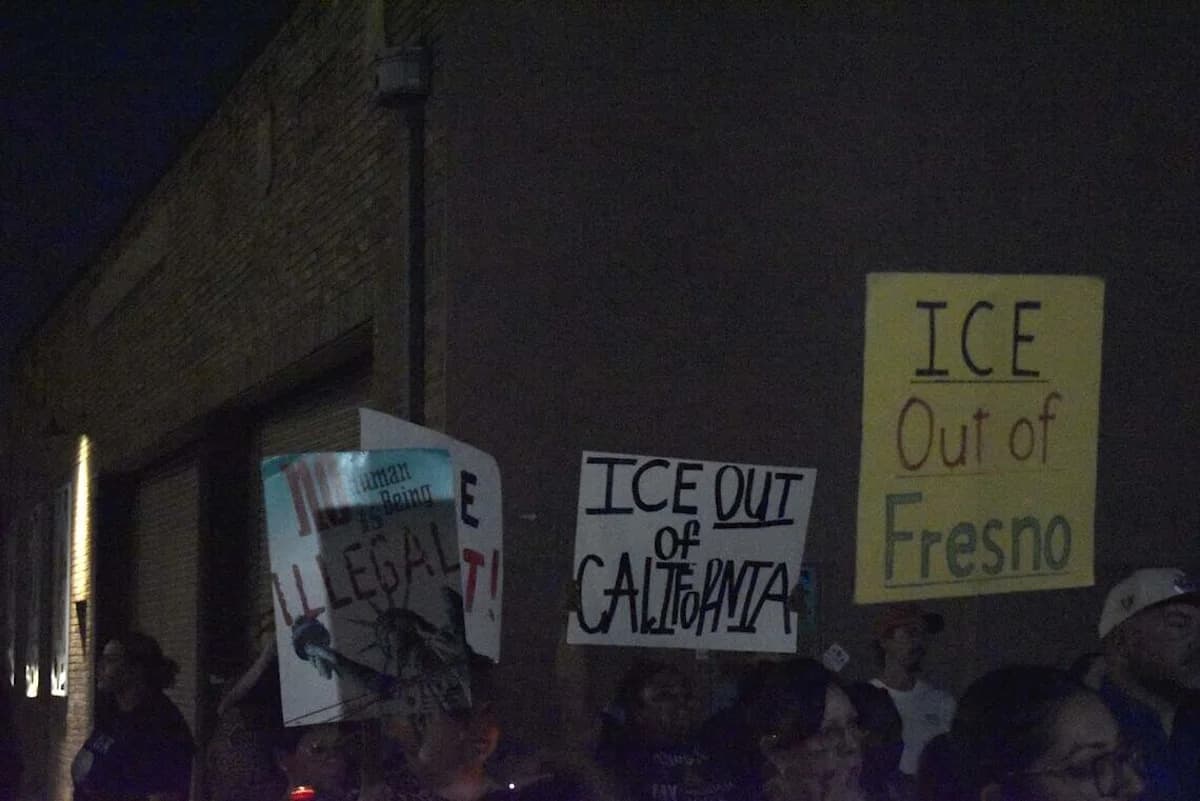
- Protests erupted in Minneapolis and other cities demanding justice, transparency, and sweeping reforms to immigration enforcement and police accountability.
- Grassroots groups meticulously documented ICE raids conducted on February 15, revealing the scale and intensity of Operation Metro Surge.
- Local organizers coordinated support networks providing legal assistance, food aid, mental health resources, and detainee tracking.
- A **memorial dedicated to Renee Good was targeted in an arson attack**, condemned by community leaders as an act of intimidation aimed at silencing calls for justice.
- In a powerful cultural response, professional dancers staged a **reenactment of the fatal shootings of Renee Good and Alex Pretti** at an anti-ICE demonstration, humanizing the victims and illustrating the human cost of federal enforcement.
- Internationally acclaimed band U2 released a new six-song EP titled *“Days of Ash”*, opening with a tribute to Renee Good. The EP has drawn widespread attention to the case, symbolizing solidarity from the global artistic community with victims of law enforcement violence.
---
### Operational Developments: Partial ICE Drawdown in Minnesota
Following mounting pressure, the federal government announced a **partial drawdown of ICE agents in Minnesota**. According to recent reports:
- Fewer than **1,000 ICE officers remain in Minnesota**, down from more than 4,000 at the height of Operation Metro Surge.
- White House border czar Tom Homan confirmed that while some agents are leaving, **over 1,000 ICE agents will continue active enforcement in the region**, eliciting mixed reactions from residents—cautious relief for some, continued anxiety for others.
---
### Legal and Public Pressure Intensify Against ICE Agent Jonathan Ross
Social media platforms, including Threads, have amplified public condemnation of ICE agent Jonathan Ross, portraying him as the accused murderer responsible for Renee Good’s death. This online pressure has heightened public calls for criminal charges and accountability.
Legal experts note that Ross could face potential criminal exposure, including under statutes addressing retaliation against federal officials (such as 18 U.S.C. § 115), as investigations advance.
---
### Local and National Demands for Transparency and Reform
Calls for transparency continue to grow:
- **Texas State Representative Gina Hinojosa publicly demanded the immediate release of all body camera footage related to the Renee Good shooting**, emphasizing that transparency is essential for public trust and justice.
- Congresswoman Ilhan Omar and Congressman Dean Phillips have shared detailed accounts of their visits to federal facilities, highlighting ongoing concerns about enforcement practices and detainee treatment.
- Nationally, student protests have erupted in solidarity, notably a gathering of thousands at the California State Capitol in Sacramento on January 30, signaling that Renee Good’s case has galvanized a broader movement for law enforcement accountability and immigration reform.
---
### Summary of Key Developments
- **Kash Patel is credibly alleged to have ordered FBI agents to halt forensic evidence collection**, raising serious obstruction of justice concerns and galvanizing bipartisan demands for an independent inquiry.
- **Six Minnesota federal prosecutors resigned in protest**, citing DOJ opacity and lack of transparency.
- The **DOJ’s Police Misconduct Unit remains critically understaffed**, delaying investigations into enforcement-related abuses.
- Minnesota Attorney General Keith Ellison condemned federal non-cooperation as an impediment to justice.
- A **federal perjury investigation targets two ICE officers’ testimonies**.
- The **DHS OIG launched a review of ICE’s conduct during Operation Metro Surge**.
- Congressional hearings have seen bipartisan calls for apologies, resignations, mandatory body cameras, and independent oversight.
- The **one-month anniversary sparked renewed protests, grassroots mobilization, artistic demonstrations, and an arson attack on a memorial**.
- ICE agent Jonathan Ross faces mounting public condemnation and potential criminal liability.
- **ICE agents reportedly used a disturbing phrase post-shooting**, highlighting troubling enforcement culture issues.
- Student protests nationwide underscore the growing scope of public mobilization.
- Local officials, including Rep. Gina Hinojosa, demand the release of body camera footage to ensure transparency.
---
### Implications and Outlook
The convergence of obstruction allegations, prosecutorial resignations, understaffed misconduct units, expanded federal probes, and intense congressional oversight signals a profound institutional crisis in federal law enforcement accountability. The Renee Good case has become emblematic of broader national struggles over immigration enforcement practices, police misconduct, and political interference in justice processes.
Without decisive, transparent action—including restoring prosecutorial capacity, ensuring genuine federal-state cooperation, and enabling truly independent investigations—the DOJ risks further erosion of public trust and institutional legitimacy. Sustained congressional oversight and vigorous public advocacy remain essential to catalyze reforms addressing systemic vulnerabilities and restoring confidence in federal accountability frameworks.
As Minnesota and the nation await the outcomes of these investigations and reform efforts, the DOJ and related agencies face a critical crossroads: confront these challenges with transparency and accountability or endure escalating fractures and political turmoil that threaten the integrity of immigration enforcement and federal law enforcement oversight.
The next several weeks and months will be pivotal in determining whether justice can be served and institutional credibility restored following the tragic death of Renee Nicole Good.