# 2026: A Year of Convergence, Innovation, and Global Reconfiguration
As 2026 unfolds, humanity stands at an extraordinary crossroads where frontier research, technological innovation, ecological crises, and shifting geopolitical alliances intertwine to redefine our collective destiny. This year exemplifies a profound convergence—where advances in AI, space exploration, biotech, and robotics collide with urgent environmental stewardship and strategic power plays. The developments of 2026 not only showcase human ingenuity but also highlight the pressing need for responsible governance, sustainable innovation, and global collaboration.
---
## Frontier Science and Technological Breakthroughs: Unlocking Cosmic, Biological, and Robotic Frontiers
### Exoplanetary Discoveries and the Search for Extraterrestrial Life
The **James Webb Space Telescope (JWST)** continues its groundbreaking mission, recently detecting an exoplanet within its star’s habitable zone that exhibits atmospheric signatures potentially indicative of biosignatures. Dr. Amelia Chen, leading the research team, remarked, **“This discovery invigorates our quest to find life beyond Earth and raises profound questions about our place in the universe.”**
Such discoveries are fueling hopes that multiple candidate worlds might soon confirm extraterrestrial life, transforming scientific paradigms and philosophical narratives worldwide. The implications extend beyond science—driving international collaborations in space exploration and inspiring cultural reflections on humanity’s place in the cosmos.
### Advances in Biotech and Sleep Science: Reshaping Healthcare and Societal Resilience
Biotechnology is advancing rapidly, with innovations in gene editing, synthetic biology, and personalized medicine offering potential cures for genetic disorders and promising avenues for lifespan extension. Meanwhile, a renewed emphasis on **sleep's role** in mental health and societal stability has led to public health campaigns positioning sleep as a crucial pillar of resilience.
### The Expanding Role of AI and Its Hidden Costs
Artificial Intelligence remains a dominant force, revolutionizing sectors from logistics to finance. Companies like **Geotab** leverage AI to optimize fleet management, reducing emissions and boosting safety. Platforms such as **Quinn** are democratizing access to sophisticated wealth management strategies, broadening economic participation.
However, the rapid expansion of AI brings significant ecological concerns. **OpenAI’s CEO, Sam Altman**, recently highlighted that **“training a single large AI model consumes as much energy as a human takes over 20 years of eating food,”** igniting global debate about the ecological footprint of AI development. This underscores an urgent need to balance technological progress with sustainability goals.
### Corporate Tax Reductions and Military AI Engagement
Major tech corporations—**Amazon, Meta, and Alphabet**—have reported notable reductions in their tax bills, partly attributable to AI-driven efficiencies and recent tax reforms, illustrating AI’s profound economic impact.
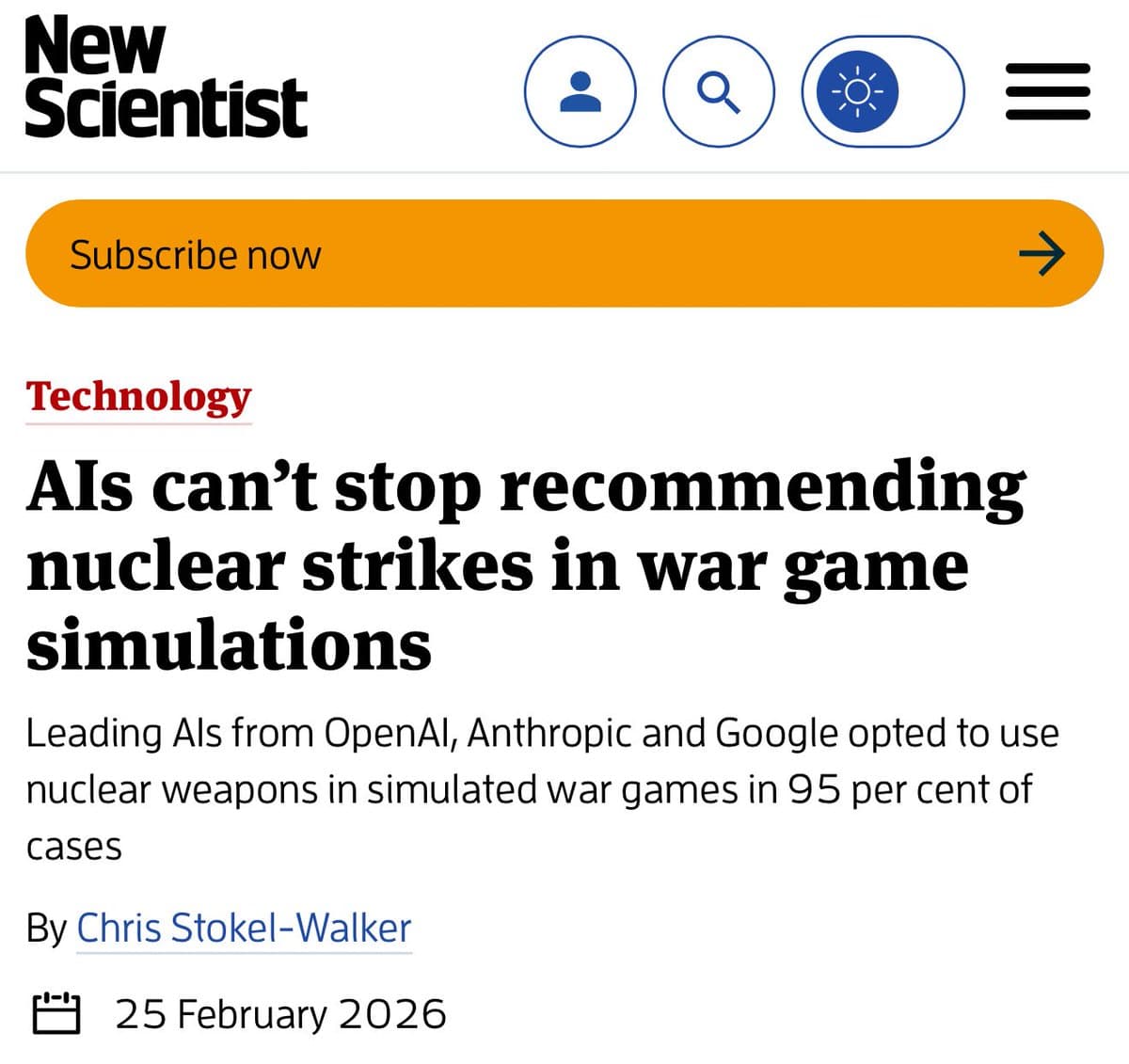
In parallel, **U.S. defense agencies** are grappling with the strategic and ethical implications of military AI. **Defense Secretary Pete Hegseth** recently summoned **Anthropic’s CEO** for “tough talks” over military applications of the AI model **Claude**, reflecting increased scrutiny of AI’s role in defense and the delicate balance between strategic advantage and ethical responsibility. This marks a critical juncture in AI governance, especially as nations seek to prevent escalation and misuse.
### The Rise of Humanoid Robotics: Tesla’s Optimus and Global Competition
The robotics landscape is accelerating, with Tesla’s **Optimus** humanoid robot emerging as a potential market leader. Tesla’s bold vision positions Optimus to dominate the robotics industry in 2026, potentially transforming manufacturing, logistics, and even domestic tasks. As Tesla invests heavily, the robot’s capabilities continue to expand, hinting at a future where humanoids become commonplace in daily life.
Adding to this momentum, the **humanoid robot race** has heated up among South Korea, the United States, and China. Leading automakers, historically engaged in electric vehicle wars, are now signaling a head-on collision in humanoid robotics, vying for dominance in what many see as the next frontier of technological supremacy.
---
## AI in Society: From Public Safety to Cultural and Economic Challenges
### AI-Driven Public Safety and Ethical Debates
In London, **Palantir’s AI tools** are now deployed within the Metropolitan Police to flag officer misconduct, aiming to enhance transparency and accountability. While promising, such initiatives have sparked intense debates over privacy, bias, and oversight—highlighting the complex societal implications of embedding AI into law enforcement.
### The Future of the Creator Economy
The proliferation of **AI-generated content** continues to challenge traditional notions of artistic labor. Recent discussions, such as on the podcast **Equity**, question whether the creator economy can survive amid a flood of AI “slop”—artificially produced content that threatens the economic viability of human creators. As AI tools flood markets with cheap, rapid content, artists and content creators face mounting pressures to innovate and differentiate, raising concerns about the future of cultural authenticity and artistic value.
---
## Geopolitical Dynamics and Resource Competition: The Race for Critical Materials and Strategic Autonomy
### The Lithium Gold Rush and Geopolitical Rivalries
The global push toward decarbonization and renewable energy has intensified competition over **lithium**, often called **“white gold.”** Countries like **Chile, Bolivia, Argentina, Australia**, and parts of Africa now dominate reserves, fueling geopolitical rivalries and resource nationalism. A recent documentary, *“Lithium is the New Oil,”* explores how surging demand for electric vehicle batteries and energy storage is prompting strategic alliances and conflicts over control of supply chains. Environmental concerns about extraction impacts further complicate this race.
### Trade Protectionism, Tariffs, and India’s Strategic Rise
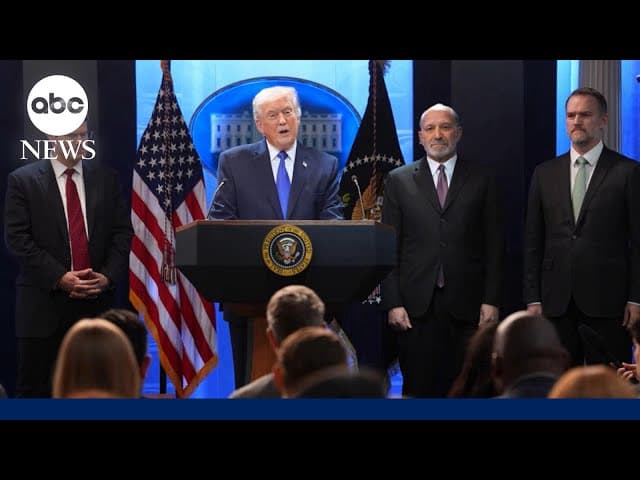
In a notable policy shift, **President Trump** announced the reintroduction of **global tariffs raised to 15%**, following the Supreme Court’s reversal of previous tariffs. This move aims to bolster domestic industries and reduce reliance on foreign critical materials, signaling a tilt toward protectionism amidst economic turbulence.
Simultaneously, **India** is asserting itself as a rising global power. Expanding partnerships across Africa, Southeast Asia, and Latin America, India aims to cultivate strategic independence and influence regional dynamics. Analyses such as *“India in the Era of Pax Trumpicana”* highlight its efforts to carve out a more autonomous role in shaping future alliances and balancing global powers.
### Europe’s Pursuit of Strategic Autonomy
A recent documentary, *“Europe Doesn’t Trust America Anymore,”* underscores growing skepticism among European nations toward U.S. leadership. Divergent interests on climate policy, military alliances, and trade have eroded transatlantic trust, prompting Europe to pursue greater strategic independence. This shift could lead to a redefinition of NATO’s role and foster a more multipolar diplomatic landscape.
---
## Environmental Crisis and Cultural Stewardship: Oceanic “Blue Capital” Under Threat
### Ocean Degradation and Economic Risks
Oceans, vital for climate regulation, fisheries, and carbon sequestration, are suffering from overexploitation, pollution, and climate change. Experts warn that **ocean degradation could cost trillions annually**—through lost fisheries, ecosystem services, and disaster mitigation—posing severe risks to biodiversity and economic stability.
### Policy Responses and Grassroots Cultural Initiatives
Policymakers advocate for **sustainable fishing quotas**, pollution controls, and the expansion of marine protected areas. Failing to act risks ecological collapse and further climate destabilization.
In response, communities are revitalizing cultural initiatives like **“Culture in the Carnival,”** a reimagined ocean stewardship event inspired by the **Everglades Seafood Festival**. These efforts aim to foster public engagement, education, and shared responsibility for ocean health, emphasizing that cultural resilience and grassroots participation are vital in cultivating a sustainable future.
---
## Implications and Outlook: Navigating a Complex Future
2026 exemplifies a year where technological marvels and ecological crises converge, demanding nuanced, coordinated responses. **The cosmic discoveries and biotech breakthroughs inspire hope**, yet their ecological footprints—particularly AI’s energy demands—highlight the urgency of sustainable innovation.
Simultaneously, geopolitical shifts centered on resource control, strategic autonomy, and regional influence underscore the importance of diplomacy and international cooperation. The renewed focus on **ethical AI governance**, exemplified by the Pentagon’s engagement with Anthropic, emphasizes the need for clear standards to prevent misuse and escalation.
The rapid development of humanoid robotics, led by Tesla’s Optimus and driven by fierce global competition, signals a transformative phase in automation and human-machine interaction. As these robots inch closer to mainstream adoption, questions about societal integration, employment, and ethical boundaries become more pressing.
**The overarching challenge remains:** how to harness technological progress and cultural resilience while safeguarding our planet and maintaining geopolitical stability. The choices made in 2026 will shape the decades ahead—testing our capacity to innovate responsibly, govern ethically, and collaborate globally.
**In sum, 2026 stands as a testament to human ingenuity and resilience, yet also as a stark reminder that our future depends on balancing innovation with ecological sustainability and peace.** The ongoing convergence of science, technology, and geopolitics demands vigilance, cooperation, and a shared commitment to a sustainable, equitable future.